

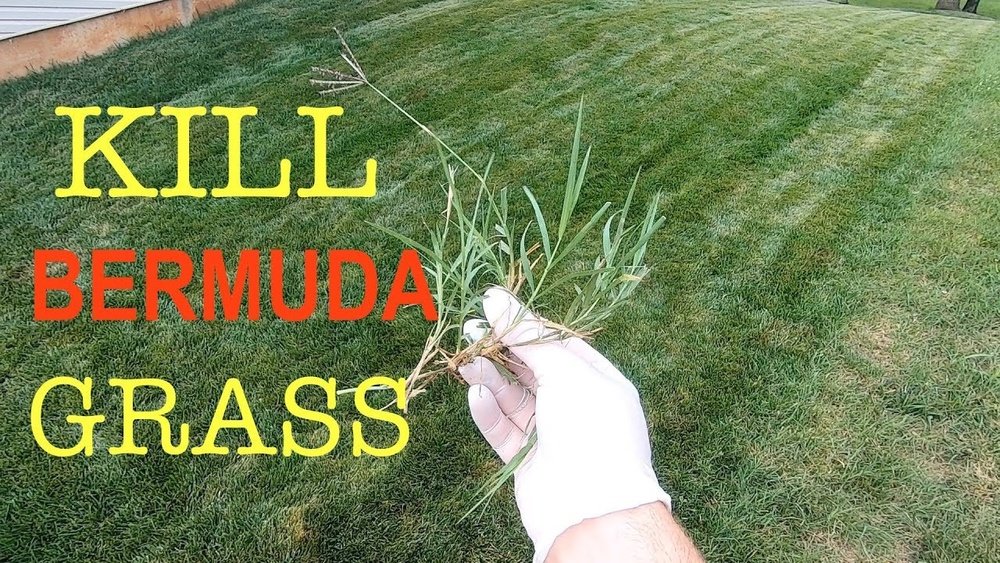
To eradicate Bermuda grass, start by identifying its dense, low-growing mats and aggressive runners. Manual removal works for small patches, but for larger areas, combine soil assessment, targeted herbicides, and proper lawn care. Adjusting sunlight and watering also helps weaken Bermuda grass and supports your preferred lawn species.
Are you tired of battling stubborn Bermuda grass that just won’t quit? You’re not alone.
This aggressive weed spreads fast and can take over your lawn if you don’t act quickly. But don’t worry—getting rid of Bermuda grass is possible, and you can do it yourself. You’ll discover simple, effective steps to eradicate Bermuda grass for good.
Keep reading to take back control of your yard and enjoy a healthy, beautiful lawn.
Credit: blogs.k-state.edu
Identify Bermuda Grass
Identifying Bermuda grass is the first step to controlling it effectively. Knowing how it looks and grows helps you target it better. This section explains key traits and growth habits of Bermuda grass. Recognize it early to stop it from spreading.
Characteristics To Spot
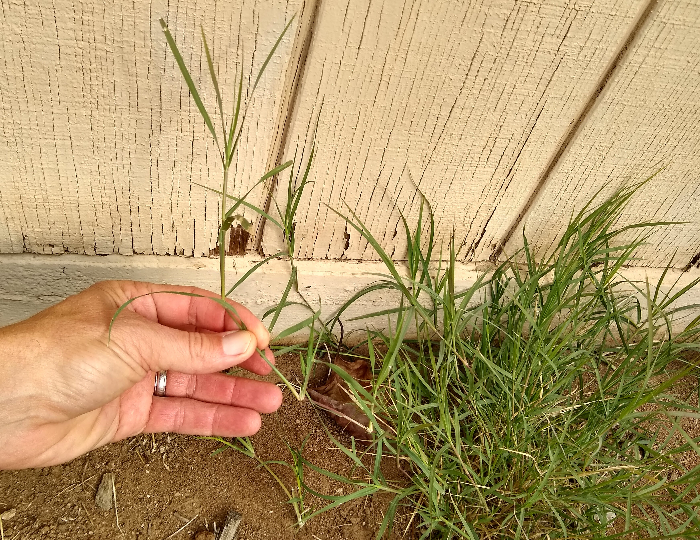
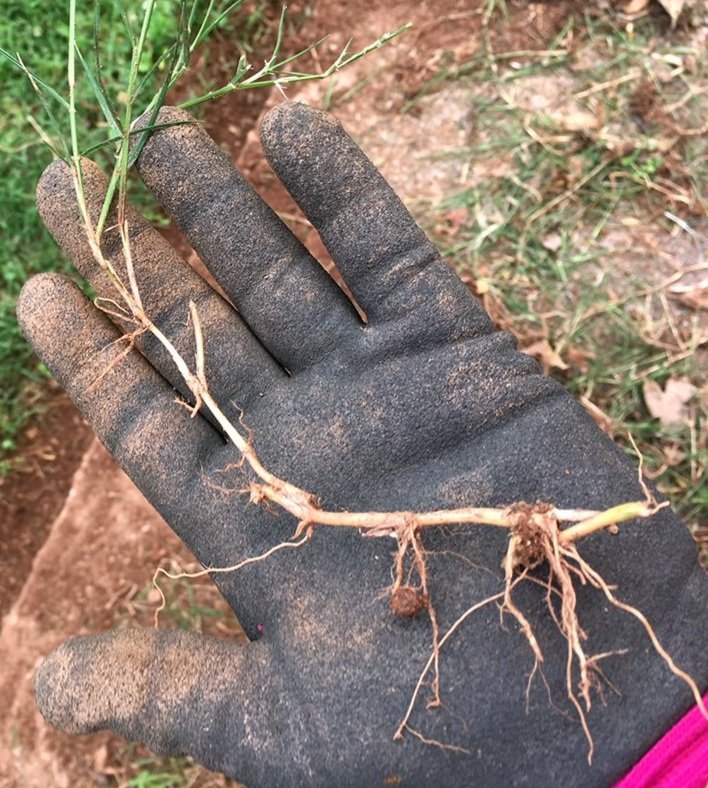
Bermuda grass has a coarse texture and bright green color. Its blades are thin, about 1/8 inch wide. The grass grows low and forms dense mats. Stems are hairy and grow along the ground. Small seed heads appear in summer. These have 3 to 7 spikes. Bermuda grass roots spread deep and wide. This makes it hard to remove by hand.
Common Growth Patterns
Bermuda grass spreads fast using runners called stolons. It also grows underground stems called rhizomes. These stems help the grass cover large areas quickly. It thrives in warm, sunny spots. The grass dies back in cold weather but grows back in spring. You often find it in lawns, sports fields, and roadsides. It crowds out other plants easily.
Assess Lawn Conditions
Before removing Bermuda grass, check your lawn’s current state carefully. Understanding your lawn’s condition helps you choose the best method for eradication. Assessing soil, sunlight, and water is essential. These factors affect how Bermuda grass grows and how to stop it.
Soil Type And Quality
Check the soil type in your lawn. Sandy, clay, or loamy soils affect grass growth differently. Sandy soil drains quickly but holds fewer nutrients. Clay soil retains water but may cause poor root growth. Loamy soil is balanced and good for most plants.
Test the soil quality by taking a sample to a local extension office or using a home kit. Good soil has a neutral pH and enough nutrients. Poor soil may need treatment before you start removing Bermuda grass. Healthy soil helps your desired grass grow back stronger.
Sunlight And Water Exposure
Observe how much sunlight your lawn receives daily. Bermuda grass prefers full sun and grows best in bright areas. Shaded parts may have less Bermuda grass but could allow other weeds.
Note how often and how much you water your lawn. Bermuda grass thrives with regular watering but can survive drought. Adjusting watering habits can weaken Bermuda grass and support other plants. Proper sunlight and water control are key to effective removal.
Manual Removal Techniques
Manual removal techniques offer a hands-on way to control Bermuda grass. These methods work best for small areas or spots where grass is sparse. They focus on physically removing the grass and its roots. This prevents regrowth and helps protect your lawn.
Digging Out Roots
Start by loosening the soil around the Bermuda grass. Use a spade or garden fork to dig deeply. Pull out the entire root system carefully. Removing roots stops the grass from growing back quickly. Check the soil for leftover root pieces. Even small parts can sprout new grass.
Using Lawn Tools Effectively
Choose the right tools for better results. A hand trowel or weeding tool helps reach roots deep in the soil. A hoe can cut through tough grass patches. Work slowly and methodically. Clear the area of debris as you go. Clean your tools after use to avoid spreading grass seeds.
Chemical Control Methods
Chemical control methods can effectively remove Bermuda grass from your lawn or garden. These methods use herbicides to target and kill the unwanted grass. Chemicals work faster than manual removal and help stop Bermuda grass from spreading.
Choosing the right herbicide and applying it safely ensures the best results. Use products made for Bermuda grass and follow all instructions carefully. Proper use reduces harm to other plants and the environment.
Choosing The Right Herbicide
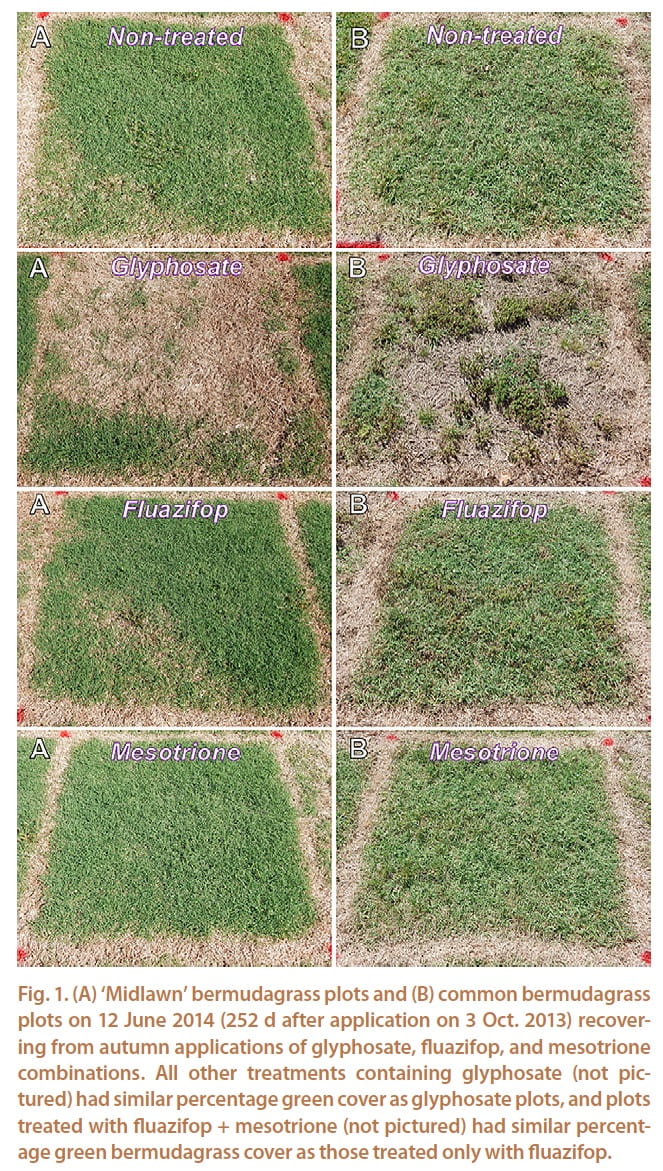
Select an herbicide specifically designed for Bermuda grass control. Glyphosate is a common choice for killing all types of grass. For selective control, use herbicides containing sethoxydim or fluazifop. These target Bermuda grass without harming some other plants.
Check the label to confirm the herbicide suits your lawn type. Some products work only on certain grasses or in specific climates. Choose a product approved for residential use to ensure safety.
Safe Application Tips
Wear protective gear like gloves and long sleeves during herbicide use. Avoid spraying on windy days to prevent drift onto other plants. Apply the herbicide evenly and only on affected areas to reduce waste.
Keep children and pets away from treated areas until the herbicide dries. Follow all label directions for mixing and application rates. Store chemicals in a safe place, out of reach of kids and animals.
Natural Eradication Options
Natural eradication options offer safe ways to remove Bermuda grass. These methods use simple ingredients and natural processes. They protect your soil and other plants. Natural solutions take time but reduce chemical use.
Vinegar And Salt Solutions
Vinegar and salt can kill Bermuda grass effectively. Mix one gallon of white vinegar with one cup of salt. Add a tablespoon of dish soap to help the mix stick.
Spray the solution directly on the grass leaves. Do this on a sunny, dry day for best results. Avoid spraying other plants to prevent damage. Repeat the process every few days until the grass dies.
Solarization Process
Solarization uses the sun’s heat to kill Bermuda grass underground. First, mow the grass very short. Then, wet the area deeply to help heat transfer.
Cover the area with clear plastic sheeting. Seal the edges with soil or rocks to trap heat. Leave it for 4 to 6 weeks during hot weather. This method kills grass roots and seeds without chemicals.
Credit: gregalder.com
Preventing Bermuda Grass Return
Stopping Bermuda grass from coming back takes effort. You must care for your lawn every day. Consistent care makes your yard strong. Strong grass wins the fight against weeds. Focus on keeping your lawn healthy and thick.
Regular Lawn Maintenance
Check your lawn often for new Bermuda growth. Pull small patches out by hand quickly. Clear away dead grass and leaves. This keeps sunlight and air flowing to roots. Aerate your lawn to improve soil health. Good soil helps grass grow better. Water your lawn deeply but not too often. Deep watering encourages strong roots. Shallow watering helps weeds grow faster.
Proper Fertilization And Mowing
Use fertilizer made for your grass type. Fertilize at the right time of year. Too much fertilizer can help Bermuda grass spread. Cut your grass regularly to the right height. Set mower blades high to keep grass healthy. Short grass lets Bermuda grass get more sunlight. Clean mower blades stop spreading weed seeds. Keep your lawn tidy to prevent Bermuda grass return.
Lawn Care Best Practices
Good lawn care helps stop Bermuda grass from taking over. Healthy grass grows thick and strong. It leaves no room for Bermuda grass to spread. Focus on seeding, overseeding, and watering. These steps build a lawn that can fight weeds naturally.
Seeding And Overseeding
Plant new grass seeds each year. Use types that grow well in your area. Overseeding fills in bare spots quickly. Thick grass blocks Bermuda grass from growing. Spread seeds evenly over the lawn surface. Cover lightly with soil to protect seeds. Water gently to keep seeds moist until they sprout.
Watering Schedules
Water your lawn deeply but less often. This encourages roots to grow deeper. Deep roots make grass stronger and healthier. Avoid shallow, frequent watering that helps Bermuda grass thrive. Early morning is the best time to water. It reduces evaporation and disease risks. Adjust watering based on weather and soil type. Keep soil moist but not soggy for best growth.
Credit: www.organicgrowersschool.org
Frequently Asked Questions
How Can I Kill Bermuda Grass Permanently?
To kill Bermuda grass permanently, use a non-selective herbicide like glyphosate. Apply it carefully and repeat as needed. Combine with solarization and physical removal for best results.
What Is The Best Herbicide For Bermuda Grass?
Glyphosate is the most effective herbicide for Bermuda grass. It kills roots and shoots, preventing regrowth. Always follow label instructions for safe and effective use.
Can Bermuda Grass Be Removed Without Chemicals?
Yes, Bermuda grass can be removed mechanically by digging out roots and rhizomes. Solarization using plastic sheets under the sun also weakens the grass naturally. This method requires time and persistence.
How Long Does It Take To Eradicate Bermuda Grass?
Eradicating Bermuda grass can take several weeks to months. Consistent treatment and monitoring are essential. Combining herbicides with physical removal speeds up the process.
Conclusion
Eradicating Bermuda grass takes patience and steady effort. Use the right tools and follow clear steps. Keep your lawn healthy to stop its return. Regular checks help catch new growth early. Stay consistent, and your yard will improve over time.
Clear, simple actions bring the best results. Your garden will thank you with lush, weed-free grass. Small, daily efforts make a big difference. Keep at it, and enjoy a cleaner lawn soon.
