

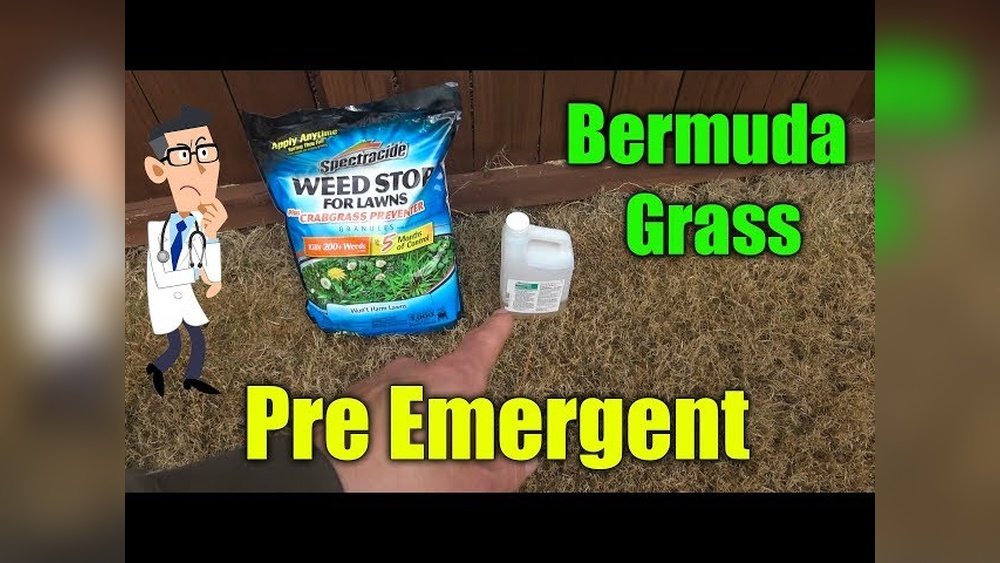
The best time to apply pre-emergent herbicide for Bermuda grass is early spring, just before the grass breaks dormancy and weeds start to germinate. This timing creates a protective barrier in the soil, preventing weed seeds from sprouting and ensuring a healthy, weed-free lawn throughout the growing season.
If you want a lush, green Bermuda grass lawn without the hassle of stubborn weeds taking over, knowing when to apply pre-emergent herbicide is key. Applying it at the right time can save you hours of weeding and keep your lawn looking its best all season long.
But when exactly should you apply it? Timing makes all the difference, and getting it wrong means weeds could sneak in and ruin your hard work. Keep reading to discover the perfect moment to protect your Bermuda grass and enjoy a weed-free yard effortlessly.
Credit: lawnsynergy.com
Bermuda Grass Growth Cycle
Bermuda grass follows a clear growth cycle each year. Understanding this cycle helps you know the best time to apply pre-emergent herbicides. This keeps your lawn healthy and free from weeds. The grass grows actively during warm months and rests in cooler times.
Knowing when Bermuda grass is active or dormant is key. This knowledge helps to protect the grass while stopping weeds before they start. Let’s explore the seasonal growth patterns and phases of Bermuda grass.
Seasonal Growth Patterns
Bermuda grass grows fastest during warm seasons. It thrives when temperatures stay between 75°F and 95°F. In spring and summer, the grass spreads quickly. It fills bare spots and becomes lush and green.
During fall and winter, growth slows down. Cooler weather reduces the grass’s energy. The green color may fade, and the grass may look brown. This pattern repeats every year with the changing seasons.
Dormant And Active Phases
In the dormant phase, Bermuda grass rests. This usually happens in late fall through winter. The grass stops growing and conserves energy. It is less sensitive to damage during this time.
The active phase starts in spring. Grass begins to grow and spread again. This phase lasts until fall when temperatures drop. Applying pre-emergent herbicides just before the active phase helps control weeds. It stops weed seeds from growing during the warm months.
Credit: www.howtowithdoc.com
Pre Emergent Herbicide Basics
Applying pre emergent herbicide is key to keeping Bermuda grass healthy. It stops weeds before they start growing. This saves time and effort later. Understanding how these herbicides work helps with proper use.
Choosing the right type of pre emergent can make a big difference. Each product works best in certain conditions. Knowing which one suits Bermuda grass will protect your lawn well.
How Pre Emergents Work
Pre emergent herbicides create a barrier in the soil. This barrier stops weed seeds from sprouting. It does not kill existing weeds. The chemicals target seed germination, preventing weeds from growing roots or shoots.
The barrier lasts a few weeks to months depending on the product. Watering helps activate the herbicide. Timing the application before weeds begin to grow is important for success.
Types Suitable For Bermuda Grass
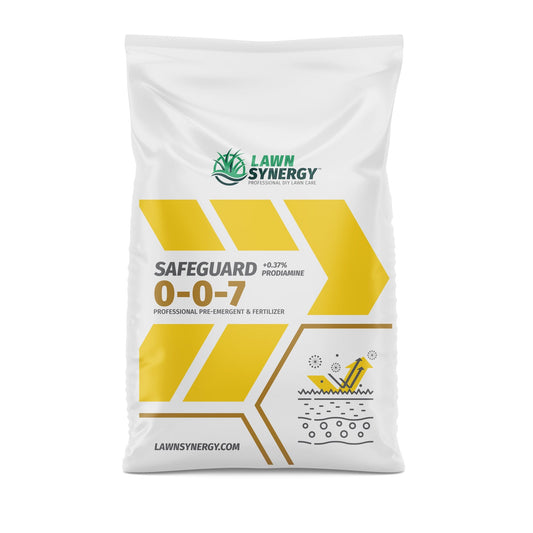
Bermuda grass responds well to specific pre emergent herbicides. Products with active ingredients like pendimethalin and prodiamine work best. These prevent common grassy and broadleaf weeds.
Choose herbicides labeled for warm-season grasses like Bermuda. Follow the instructions carefully to avoid damage. Proper application keeps Bermuda grass thick and weed-free.
Ideal Application Timing
Timing is key for applying pre emergent herbicides to Bermuda grass. Applying at the right time stops weed seeds from growing. It protects your lawn all season. Understanding the ideal timing helps you get the best results.
Pre emergent works best before weeds sprout. The goal is to create a barrier in the soil. This barrier stops weed seeds from growing strong roots. Knowing the right season and temperature makes a big difference.
Spring Application Window
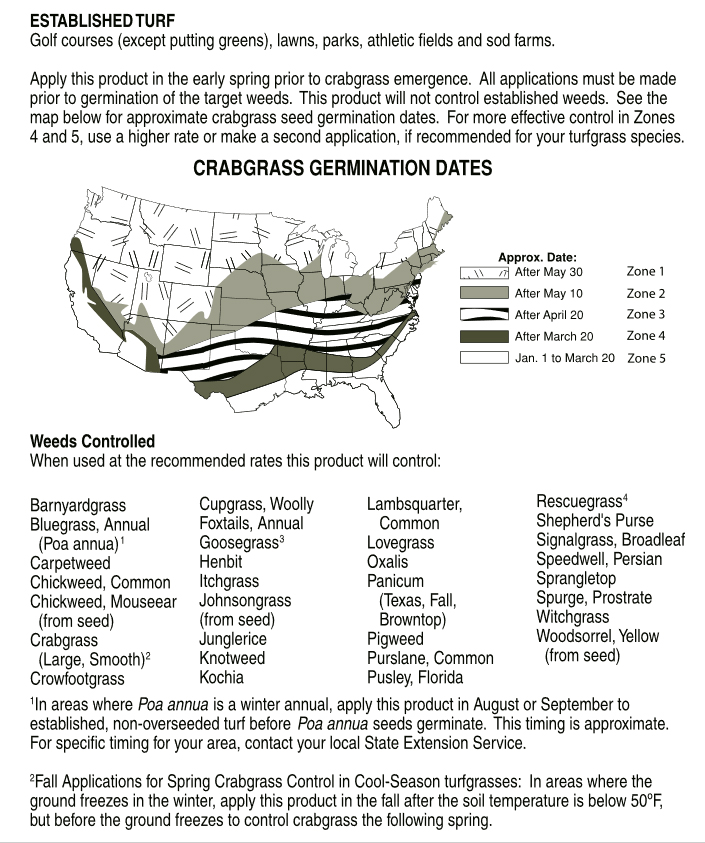
Apply pre emergent in early spring. This is when soil temperatures reach about 55 degrees Fahrenheit. Usually, this happens when Forsythia bushes bloom. Applying at this time stops summer weeds like crabgrass.
Spray the lawn before weeds start to grow. Once weeds appear, pre emergent will not work. Make sure to water the lawn after application. This helps activate the herbicide in the soil.
Fall Application Considerations
Fall is another good time for pre emergent treatment. Apply it before soil temperatures drop below 70 degrees. This helps control winter weeds like annual bluegrass and poa annua.
Fall application protects your lawn through winter. Apply after summer grasses slow down growth. Watering after application is important here too. It activates the herbicide and keeps weeds at bay.

Credit: www.youtube.com
Weather And Soil Factors
Weather and soil play a big role in the success of pre-emergent application for Bermuda grass. Applying at the right time helps stop weeds before they grow. Understanding key weather and soil factors ensures the herbicide works well. Two main things matter: temperature and soil moisture. These affect how the chemicals activate and protect your lawn.
Temperature Thresholds
Bermuda grass starts to grow when soil temperature reaches about 55°F (13°C). This is the best time to apply pre-emergent herbicides. Applying too early means the chemicals may break down before weeds start. Applying too late lets weeds sprout and take hold. Use a soil thermometer to check temperatures. Morning readings at 2 inches deep give the best guide. Keep an eye on daily soil warmth for a few days before treatment.
Soil Moisture Importance
Soil moisture helps activate pre-emergent herbicides. Water carries the chemical into the soil where weed seeds lie. Apply the herbicide before rain or irrigation. This helps the product soak into the soil. Dry soil means poor herbicide movement and weak results. Avoid applying in waterlogged soil too. Excess water can wash the herbicide away. Aim for moist but not saturated soil to get best protection.
Application Techniques
Applying pre-emergent herbicide correctly helps protect Bermuda grass from weeds. Proper techniques ensure the herbicide works well and covers the area evenly. Careful application reduces waste and prevents damage to the grass.
Proper Spreading Methods
Use a spreader for even distribution of the herbicide. Choose either a drop spreader or a broadcast spreader. Walk at a steady pace to avoid uneven patches. Overlapping slightly helps cover all spots without over-applying.
Spread the product in two directions: north-south and east-west. This cross-pattern ensures full coverage. Avoid spreading on windy days to prevent drift. Check the spreader settings before starting to match product instructions.
Watering After Application
Water the lawn lightly after applying the pre-emergent. This activates the herbicide and helps it soak into the soil. Use about a quarter inch of water for best results. Avoid heavy watering, which may wash the product away.
Timing is key. Water within 24 hours of spreading. This step locks the herbicide in place. Skip watering if rain is expected soon. Follow product guidelines for specific watering advice.
Common Mistakes To Avoid
Applying pre-emergent herbicide correctly is key to a healthy Bermuda grass lawn. Many people make simple mistakes that lower the herbicide’s effectiveness. Avoiding these errors saves time, money, and keeps your lawn green and weed-free.
Applying Too Early Or Late
Timing matters for pre-emergent application. Applying too early means the chemical breaks down before weeds start to grow. Applying too late lets weed seeds sprout and spread. The best time is just before soil temperatures reach 55°F to 60°F. This timing stops weed seeds from germinating in spring or fall.
Overuse And Lawn Damage
Using too much pre-emergent harms your grass roots and soil. Follow label instructions for correct amounts. Overusing can slow down grass growth and cause yellow patches. Repeat applications should be spaced out to avoid chemical buildup. Healthy Bermuda grass needs balance, not overload, of herbicides.
Monitoring And Follow-up
Monitoring and follow-up are key steps after applying pre-emergent herbicide for Bermuda grass. These steps help ensure the herbicide works properly and prevents weed growth. Regular checks let you spot any issues early. Staying alert saves time and effort later.
Watching your lawn closely helps confirm the herbicide’s success. It also guides you on the need for any extra treatment. Follow-up care keeps your Bermuda grass healthy and weed-free.
Signs Of Effective Control
Healthy Bermuda grass with no new weed sprouts is a good sign. Weeds should look weak or stop growing altogether. The soil stays free from fresh weed seeds. The lawn appears green and thick without bare patches. These signs show the pre-emergent is working well.
When To Reapply
Reapply pre-emergent if weeds start growing again. This often happens after heavy rain or long periods of warm weather. Usually, reapplication is needed every 8 to 12 weeks. Follow the product label for exact timing. Early reapplication prevents weeds from taking over.
Frequently Asked Questions
When Is The Best Time To Apply Pre Emergent For Bermuda Grass?
The best time to apply pre emergent for Bermuda grass is early spring, before soil temperatures reach 55°F. This prevents weed seeds from germinating and protects your lawn throughout the growing season.
How Often Should I Apply Pre Emergent On Bermuda Grass?
Apply pre emergent herbicide once in early spring and again in late summer if needed. This ensures continuous weed control during Bermuda grass’s active growth periods.
Can I Apply Pre Emergent After Bermuda Grass Has Sprouted?
No, pre emergent herbicides work by stopping weed seeds from germinating. Applying after Bermuda grass sprouts will not control existing weeds effectively.
What Soil Temperature Triggers Pre Emergent Application For Bermuda Grass?
Pre emergent should be applied when soil temperatures consistently reach 50-55°F. This temperature range signals the start of weed seed germination in Bermuda grass lawns.
Conclusion
Applying pre-emergent herbicide at the right time keeps Bermuda grass healthy. Early spring, before weeds sprout, is best for treatment. This stops weed seeds from growing and saves your lawn work later. Wait until soil warms to about 55 degrees Fahrenheit.
Repeat in fall for extra protection. Proper timing means fewer weeds and a greener yard. Keep an eye on weather and soil temperature for the best results. Good lawn care starts with smart pre-emergent use. Simple steps make a big difference.
