

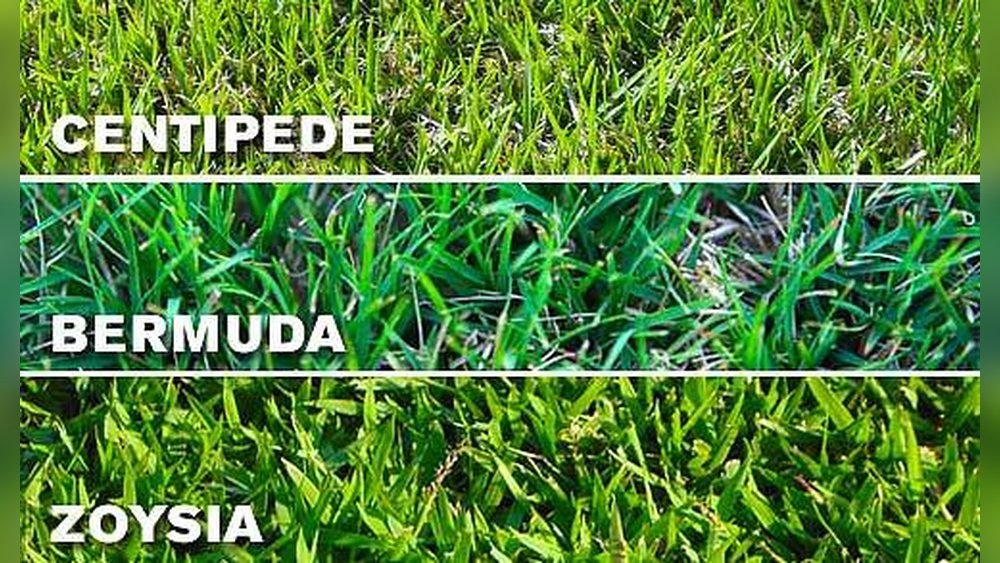
Bermuda grass is a warm season grass that thrives in hot, sunny conditions. It grows best when temperatures are between 75°F and 95°F, making it ideal for regions with long, hot summers. This grass goes dormant and turns brown in cooler weather, so it’s well-suited for warm climates.
Are you wondering if Bermuda grass is the right choice for your lawn? Knowing whether Bermuda is a warm season grass can make a big difference in how your yard looks and feels throughout the year.
Imagine having a lush, green lawn that thrives in the heat and stays healthy when others struggle. You’ll discover what makes Bermuda grass special and how it can transform your outdoor space. Keep reading to find out if Bermuda grass fits your needs and climate perfectly.
Bermuda Grass Basics
Bermuda grass is a popular choice for lawns and sports fields. It grows thick and green, giving a fresh look to outdoor spaces. Understanding its basics helps in caring for it properly. This section covers the origin, features, and climate needs of Bermuda grass.
Origin And Characteristics
Bermuda grass comes from Africa and Asia. It spread to warm regions worldwide. This grass has thin, fine blades and spreads fast through runners. It forms a dense, tough mat that resists wear. The deep roots help it survive droughts. Its green color stays bright in summer.
Climate Preferences
Bermuda grass thrives in warm temperatures. It grows best in areas with hot summers. The grass needs full sun to stay healthy. It struggles in shade or cold climates. It goes dormant and turns brown in winter. This grass tolerates drought and heat well. It prefers well-drained soil but adapts to many types.
Growth Cycle
Bermuda grass follows a clear growth cycle that suits warm climates. It grows actively during warm months and slows down as temperatures drop. Knowing this cycle helps in lawn care and maintenance.
Seasonal Growth Patterns
Bermuda grass grows fast in spring and summer. It thrives in temperatures between 75°F and 95°F. During these months, it spreads quickly and fills bare spots. Growth slows as temperatures fall below 60°F. The grass looks green and healthy during warm seasons.
Dormancy Periods
In cooler months, Bermuda grass enters dormancy. It turns brown and stops growing. Dormancy usually starts in late fall and lasts through winter. The grass conserves energy until warm weather returns. Dormancy helps the grass survive cold and frost.
Planting Tips
Planting Bermuda grass needs care and good steps. Following the right tips helps the grass grow strong and green. The soil, timing, and method of planting matter a lot. Each step shapes how well Bermuda grass takes root and spreads.
Soil Preparation
Start with clean soil, free of weeds and debris. Loosen the soil to about 4 to 6 inches deep. Add organic matter or compost to improve soil texture. Check soil pH; Bermuda grass prefers a range of 5.8 to 7.0. Smooth the soil surface to create a flat seedbed. Good soil lets Bermuda grass roots grow easily.
Best Planting Time
Plant Bermuda grass in late spring or early summer. Soil temperatures should be above 65°F for good germination. Warm weather speeds up seed sprouting and root growth. Avoid planting during cold or wet seasons. Planting at the right time helps grass establish faster.
Seeding Vs. Sodding
Seeding is cheaper but takes longer to cover the area. Spread seeds evenly and keep the soil moist until sprouts appear. Sodding gives instant green but costs more. Lay sod pieces tightly and water them well. Both methods work well if done carefully.

Credit: www.extension.iastate.edu
Watering Needs
Bermuda grass is a warm season grass that thrives in heat and sunlight. Watering is key to keep it green and healthy. It needs the right amount of water to grow strong.
Too little water will dry it out. Too much water can cause problems too. Knowing the right watering routine helps Bermuda grass stay lush and vibrant.
Irrigation Frequency
Bermuda grass needs watering about once or twice a week. Each session should soak the soil deeply. This encourages roots to grow deep. Deep roots make the grass more drought-resistant.
In hot weather, watering may be needed more often. Early morning is the best time to water. This reduces water loss from evaporation.
Signs Of Overwatering
Overwatering can hurt Bermuda grass. Watch for yellowing leaves. This means roots are staying too wet. Mushy soil or puddles show too much water.
Overwatered grass may also grow thin and weak. It becomes more open to disease. Cut back on watering if you see these signs.
Fertilizing Bermuda Grass
Fertilizing Bermuda grass is key to keeping it green and healthy. This warm-season grass needs the right nutrients to grow strong. Without proper feeding, it can turn thin and patchy. Using the correct fertilizer helps Bermuda grass spread and resist weeds. It also recovers faster from wear and drought. Understanding how and when to fertilize is essential for a lush lawn.
Nutrient Requirements
Bermuda grass thrives on nitrogen. It needs more nitrogen than phosphorus or potassium. Nitrogen helps the grass grow thick and green. Phosphorus supports root development but is needed in smaller amounts. Potassium boosts disease resistance and drought tolerance. A balanced fertilizer with a higher nitrogen number works best. Soil testing can show exact nutrient needs for your lawn.
Fertilizer Schedule
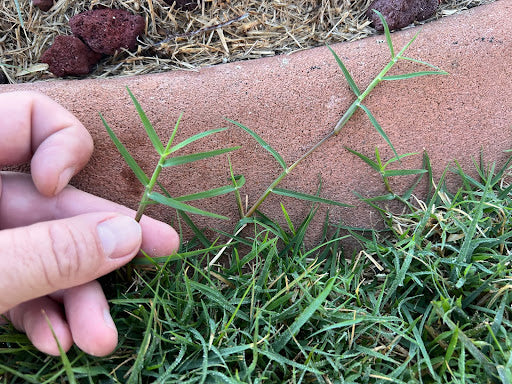
Start fertilizing Bermuda grass in spring as it begins to grow. Apply fertilizer every 6 to 8 weeks during the warm months. Stop feeding in late fall before the grass goes dormant. Avoid fertilizing in winter; the grass is not active then. Use a slow-release fertilizer to feed the grass steadily. Follow package instructions to prevent overfeeding, which can harm the lawn.
Credit: thelawncarenut.com
Mowing Practices
Mowing is a key part of caring for Bermuda grass. It helps keep the lawn healthy and looking good. Proper mowing supports strong growth and stops weeds from taking over. Knowing how to mow Bermuda right saves water and nutrients too.
Ideal Mowing Height
Bermuda grass grows best when cut between 1 and 2 inches tall. This height lets sunlight reach the grass and soil. Cutting too short can stress the grass and cause brown spots. Too high and the lawn looks messy and weak. Set your mower blades to keep a clean, even cut at this height.
Mowing Frequency
During warm seasons, mow Bermuda grass every 5 to 7 days. This keeps the blades at the right height without cutting too much at once. Regular mowing helps the grass grow thick and strong. In cooler months, reduce mowing to every 10 to 14 days. Always use sharp blades for a clean cut that helps the grass heal fast.
Pest And Disease Control
Pest and disease control is crucial for maintaining healthy Bermuda grass. This warm season grass can face several threats from insects and fungi. Managing these problems helps keep your lawn green and strong.
Proper care reduces damage and avoids costly treatments. Knowing common pests and how to prevent diseases improves your lawn’s health.
Common Pests
Bermuda grass attracts pests like armyworms, chinch bugs, and grubs. These insects feed on grass blades and roots. They cause brown patches and thinning turf.
Regular lawn checks help spot pests early. Treat infestations quickly with appropriate insecticides. Natural predators, such as ladybugs, can also help control pests.
Disease Prevention
Diseases like dollar spot, brown patch, and leaf spot affect Bermuda grass. They thrive in wet, humid conditions. Avoid overwatering to reduce disease risk.
Mow at the right height and remove thatch buildup. Use fungicides if necessary to stop disease spread. Healthy soil and good drainage support disease resistance.

Credit: www.youtube.com
Winter Care
Bermuda grass is a warm season grass that grows best in hot weather. Winter can be tough for it. Proper winter care helps Bermuda grass survive cold months and come back strong in spring. This section explains how to protect Bermuda grass during winter and prepare it for healthy growth in spring.
Protecting Bermuda Grass
Keep the grass healthy before winter. Mow Bermuda grass lower than usual. This reduces stress and prevents disease. Stop fertilizing six to eight weeks before the first frost. Water the lawn less but do not let it dry out completely. Avoid heavy traffic on the grass to prevent damage. Remove leaves and debris to stop mold and pests from growing.
Preparing For Spring Growth
Spring growth starts as temperatures rise. Rake the lawn to remove dead grass and thatch. Aerate the soil to improve air and water flow. Apply a balanced fertilizer to help roots grow strong. Water the lawn regularly but do not overwater. Watch for weeds and remove them early. These steps help Bermuda grass green up quickly in spring.
Frequently Asked Questions
Is Bermuda Grass Considered A Warm Season Grass?
Yes, Bermuda grass is a warm season grass. It thrives in hot, sunny climates and grows actively during summer months.
What Climates Are Best For Bermuda Grass Growth?
Bermuda grass grows best in warm, temperate to tropical climates. It prefers full sun and well-drained soils for optimal growth.
How Does Bermuda Grass Perform In Cold Seasons?
Bermuda grass goes dormant and turns brown in cold seasons. It stops growing when temperatures drop below 50°F (10°C).
Can Bermuda Grass Survive In Cooler Regions?
Bermuda grass can survive mild winters but struggles in prolonged cold. It requires warmer temperatures to stay green and healthy.
Conclusion
Bermuda grass grows best in warm weather. It thrives in full sun and heat. This grass stays green in summer but may brown in winter. It needs less water than cool-season grasses. Many people choose Bermuda for lawns in hot areas.
Its strong roots help it handle dry spells. Overall, Bermuda is a popular warm-season grass. It suits places with hot, sunny climates well. Choose Bermuda grass if you want a tough, green lawn in warm seasons.
