
Vinegar can kill Bermuda grass by damaging its leaves and disrupting cell functions, but it usually requires repeated applications and careful use to avoid harming nearby plants. While vinegar may help control small patches, it often isn’t strong enough to eradicate Bermuda grass completely due to its aggressive growth and resilience.
Are you tired of battling stubborn Bermuda grass that keeps taking over your lawn or garden? You might have heard that vinegar can be a simple, natural way to get rid of it.
But does vinegar really kill Bermuda grass, or is it just a myth? Before you pour that bottle over your yard, it’s important to know what actually works and what doesn’t. Keep reading to discover the truth about using vinegar on Bermuda grass and learn the best methods to reclaim your outdoor space.
Credit: www.organicgrowersschool.org
Bermuda Grass Characteristics
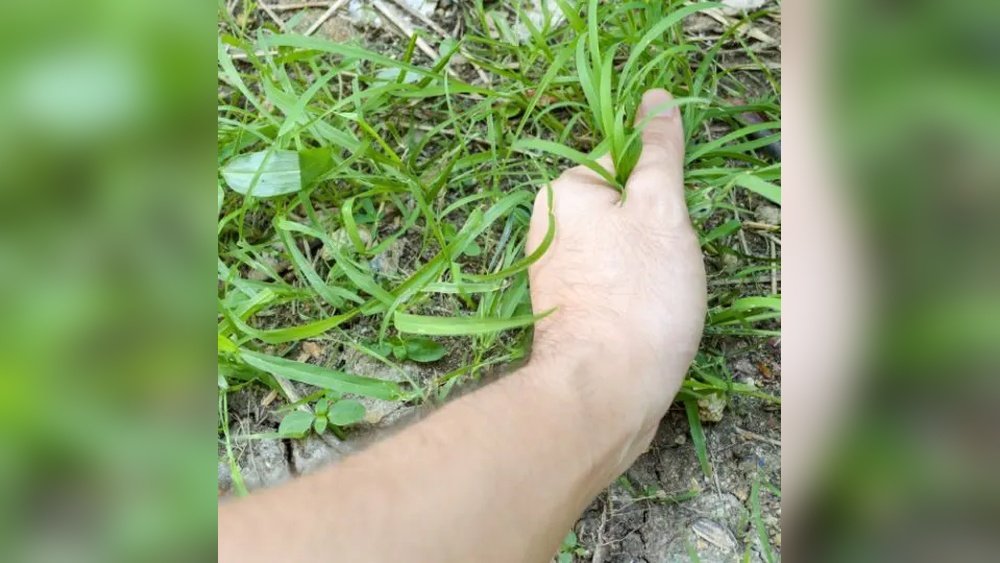
Bermuda grass is a popular turfgrass in warm climates. It grows fast and covers large areas quickly. Understanding its characteristics helps to manage it better. This knowledge is useful when considering treatments like vinegar for control.
Growth Patterns
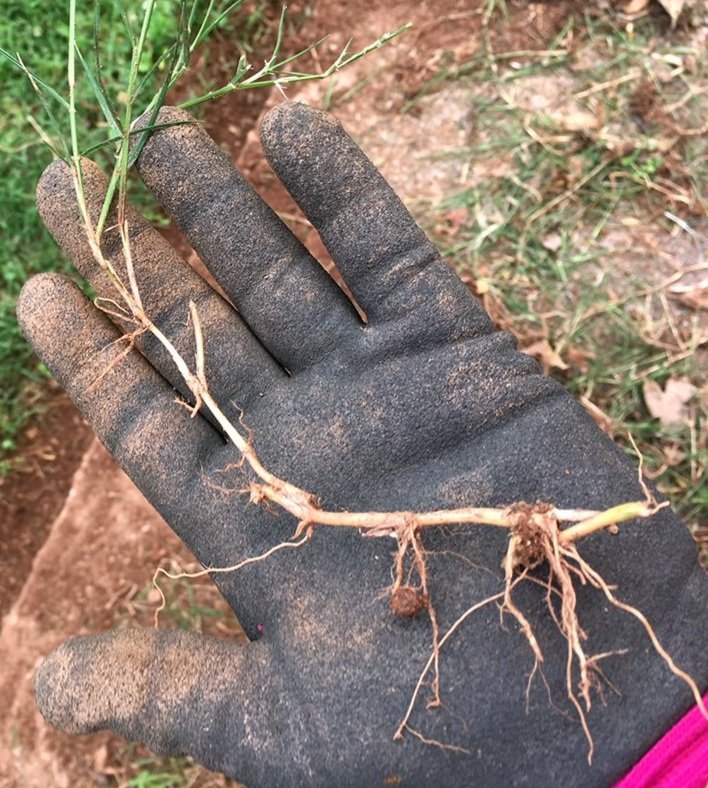
Bermuda grass spreads through both seeds and runners. Its stolons grow above ground, creating dense mats. Rhizomes grow underground, allowing the grass to pop up in many spots. This aggressive growth makes it hard to remove completely. The grass thrives in full sun and warm weather. It can survive drought by going dormant.
Resistance Traits
Bermuda grass resists many common herbicides. Its thick roots and fast growth help it recover quickly. The grass can tolerate heat, drought, and heavy foot traffic. It also resists some diseases and pests better than other grasses. These traits make it a tough weed to kill with simple methods.
How Vinegar Affects Plants
Vinegar affects plants mainly because of its chemical nature. It contains acetic acid, which can change how plants grow. This section explains how vinegar works on plants and why it can kill some weeds like Bermuda grass.
Acidic Properties
Vinegar has a low pH, making it acidic. This acid can burn plant leaves and stems. The stronger the vinegar, the more damage it causes. Household vinegar usually has 5% acetic acid, enough to harm many weeds.
Acidity breaks down the plant’s protective layer. This causes leaves to dry and turn brown. The acid can also change the soil’s pH, affecting nutrient availability.
Impact On Plant Cells
Acetic acid from vinegar enters plant cells and disrupts them. It breaks down cell walls and membranes. This damage causes cells to lose water and die quickly.
Vinegar stops photosynthesis by harming chlorophyll in the leaves. Without photosynthesis, plants cannot make food. This leads to the plant’s death over time.
Using Vinegar On Bermuda Grass
Using vinegar on Bermuda grass is a common home remedy for weed control. Many gardeners try it to kill unwanted grass without chemicals. Vinegar works by drying out the grass leaves quickly. This stops the grass from growing and can kill it over time. Understanding how to use vinegar properly helps get better results.
Careful use is important because vinegar can harm other plants too. Knowing the right method and concentration makes a big difference. Here are key tips for applying vinegar on Bermuda grass effectively.
Application Methods
Spraying vinegar directly on Bermuda grass is the most common method. Use a spray bottle or garden sprayer for even coverage. Apply on a dry, sunny day to increase vinegar’s effect. Avoid spraying on windy days to prevent drift onto other plants. Repeat applications may be needed to see results.
Spot treatment works well if you only want to remove small patches. Cover nearby plants with cloth or plastic to protect them. Do not water the area right after spraying. This allows vinegar to stay on the grass longer and work better.
Concentration Levels
Household vinegar usually has 5% acetic acid. This concentration may weaken Bermuda grass but may not kill it fully. Stronger vinegar solutions, around 10-20% acetic acid, are more effective. These higher levels dry out the grass faster and kill roots more deeply.
Use caution with strong vinegar to avoid damage to other plants. Always wear gloves and eye protection. Test a small area first to see how Bermuda grass reacts. Adjust concentration based on results and safety for your garden.

Credit: www.reddit.com
Effectiveness Of Vinegar
Vinegar is a popular natural solution to control unwanted plants. Many gardeners use it to kill Bermuda grass. Understanding how effective vinegar is helps in choosing the right method for grass removal. Vinegar’s impact varies depending on concentration and application.
Short-term Results
Vinegar can burn Bermuda grass leaves quickly. The grass may turn brown within hours. This happens because vinegar’s acid dries out plant tissues. It works best on young grass or small patches. Stronger vinegar solutions show faster effects. But the roots often survive this treatment. Grass can regrow after a few days. Repeated applications might be necessary for better control.
Long-term Impact
Vinegar usually does not kill Bermuda grass roots deeply. The grass can come back from underground runners. This means vinegar alone rarely removes Bermuda grass permanently. Long-term control requires multiple treatments or other methods combined. Soil health may be affected by frequent vinegar use. Using vinegar carefully helps protect surrounding plants. It works better as part of a larger weed management plan.
Safety Precautions
Using vinegar to kill Bermuda grass requires care. It is a strong acid that can harm plants and skin. Taking safety steps protects your garden and yourself. Follow these tips to handle vinegar safely and avoid damage.
Protecting Surrounding Plants
Vinegar sprays can drift to nearby plants. Cover flowers and shrubs with cloth or plastic sheets. Spray on calm days to reduce wind spread. Apply vinegar carefully and only on Bermuda grass.
Keep a safe distance from other plants. Avoid spraying near roots or leaves of desirable plants. This prevents accidental damage and keeps your garden healthy.
Handling And Storage
Wear gloves and eye protection when using vinegar. The acid can irritate skin and eyes. Store vinegar in a cool, dry place away from children and pets.
Keep the container tightly closed to avoid spills. Never mix vinegar with other chemicals. Use only the recommended vinegar concentration for killing Bermuda grass.
Alternative Control Methods
Controlling Bermuda grass can be tough. Vinegar might not always work well. Many people need other ways to handle this persistent grass. Several methods fit different needs and situations. Some are simple and natural. Others need tools or chemicals. Knowing each option helps choose the best way to fight Bermuda grass.
Mechanical Removal
Digging or pulling Bermuda grass by hand removes it directly. This method works best for small areas. Use a shovel or garden fork to loosen the roots. Remove as much root as possible. Cutting the grass low also helps weaken it. Regular digging stops the grass from spreading. This method takes time but avoids chemicals.
Chemical Herbicides
Herbicides kill Bermuda grass effectively. Look for products labeled for Bermuda grass control. Apply herbicides carefully to avoid harming other plants. Follow instructions on the label strictly. Some herbicides kill only grass; others affect all plants. Use spot treatments to limit chemical use. Repeat applications may be necessary for full control.
Natural Remedies
Natural options include corn gluten meal and boiling water. Corn gluten stops grass seeds from growing. Boiling water kills grass on contact. Mulching with thick layers blocks sunlight and starves Bermuda grass. These methods suit organic gardens. They take time and patience to work well. Combine natural remedies with other methods for best results.
Tips For Preventing Bermuda Grass Spread
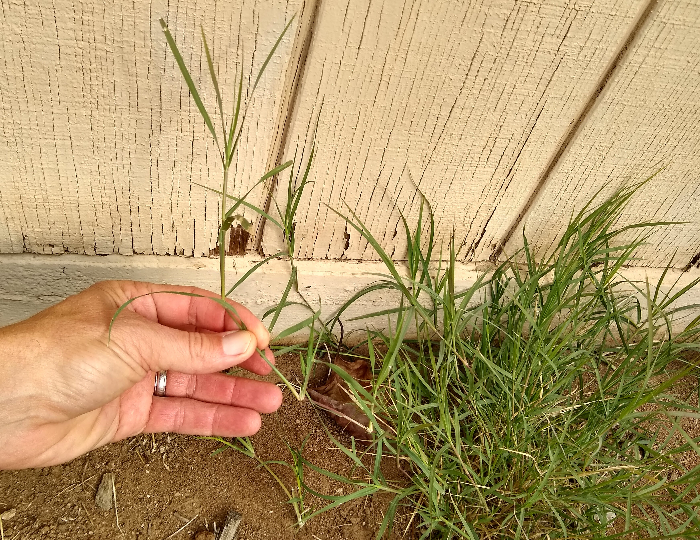
Stopping Bermuda grass from spreading is important for a neat lawn. It spreads fast through roots and runners. You need to act quickly to control it. Careful steps can keep it from taking over your yard.
Use smart habits to slow down its growth. Focus on strong lawn care and soil health. These tips help limit Bermuda grass and protect other plants.
Lawn Maintenance
Mow your lawn regularly at the right height. Cutting Bermuda grass too short can make it spread faster. Keep the mower blade sharp for clean cuts. Remove grass clippings to reduce seed spread. Water deeply but less often to promote strong roots. Aerate the lawn to improve air and water flow. Pull out Bermuda grass patches by hand early on.
Soil Management
Test your soil to check pH and nutrients. Bermuda grass prefers slightly acidic to neutral soil. Add lime if the soil is too acidic. Use fertilizers that favor your desired grass type. Avoid over-fertilizing as this helps Bermuda grass grow. Improve drainage to prevent wet spots where it thrives. Add organic matter to build healthy soil. Healthy soil supports strong turf that can fight weeds.
Credit: gregalder.com
Frequently Asked Questions
Will Vinegar Effectively Kill Bermuda Grass?
Yes, vinegar can kill Bermuda grass, but only with high acetic acid concentrations. Household vinegar is often too weak. Stronger horticultural vinegar works better but may harm surrounding plants. Multiple applications are usually needed for full control.
How Long Does Vinegar Take To Kill Bermuda Grass?
Vinegar typically shows effects within 24 to 48 hours. Wilting occurs quickly, but complete grass death may take several days. Repeated treatments speed up results and improve effectiveness against tough Bermuda grass.
Can Vinegar Harm My Lawn When Targeting Bermuda Grass?
Yes, vinegar is non-selective and can damage nearby desirable grass or plants. Use it carefully, applying only on Bermuda grass patches. Spot treatment and protective barriers help prevent unwanted damage.
Is Vinegar A Safe Alternative To Chemical Herbicides?
Vinegar is a natural, eco-friendly alternative to chemicals. It breaks down quickly in soil and poses less environmental risk. However, it may require more frequent applications and caution to avoid harming other plants.
Conclusion
Vinegar can help kill Bermuda grass, but it is not always enough. Stronger or repeated treatments may be needed for full control. Keep in mind vinegar works best on young grass and small areas. Always protect nearby plants from vinegar spray.
Combine vinegar with other methods for better results. Patience and care are key to managing Bermuda grass. This approach helps keep your lawn healthy and weed-free over time.
