

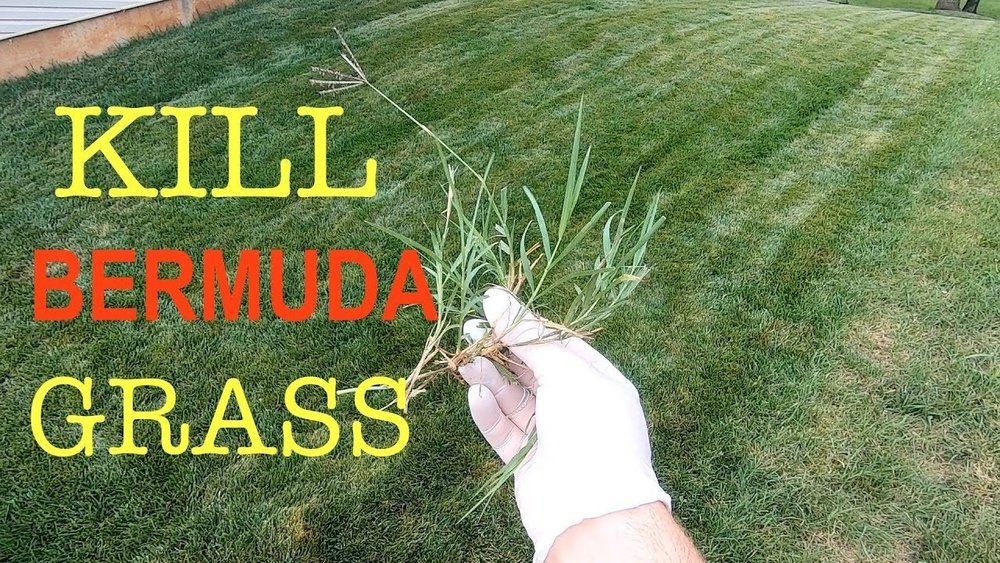
To kill Bermuda grass effectively, you need a combination of persistent removal and targeted treatment. Start by digging out roots thoroughly or smothering the area with plastic or mulch to block sunlight. For faster results, use a suitable herbicide designed to penetrate roots, but be prepared for multiple applications to prevent regrowth.
Are you tired of Bermuda grass taking over your lawn, garden, or flower beds? You’re not alone.
Bermuda grass is tough, fast-growing, and can be a real headache to control. But don’t worry—you don’t have to live with it. You’ll discover simple, effective ways to kill Bermuda grass for good. By the time you finish reading, you’ll have clear steps to reclaim your yard and enjoy the green space you deserve.
Ready to take back control? Let’s get started.
Identifying Bermuda Grass
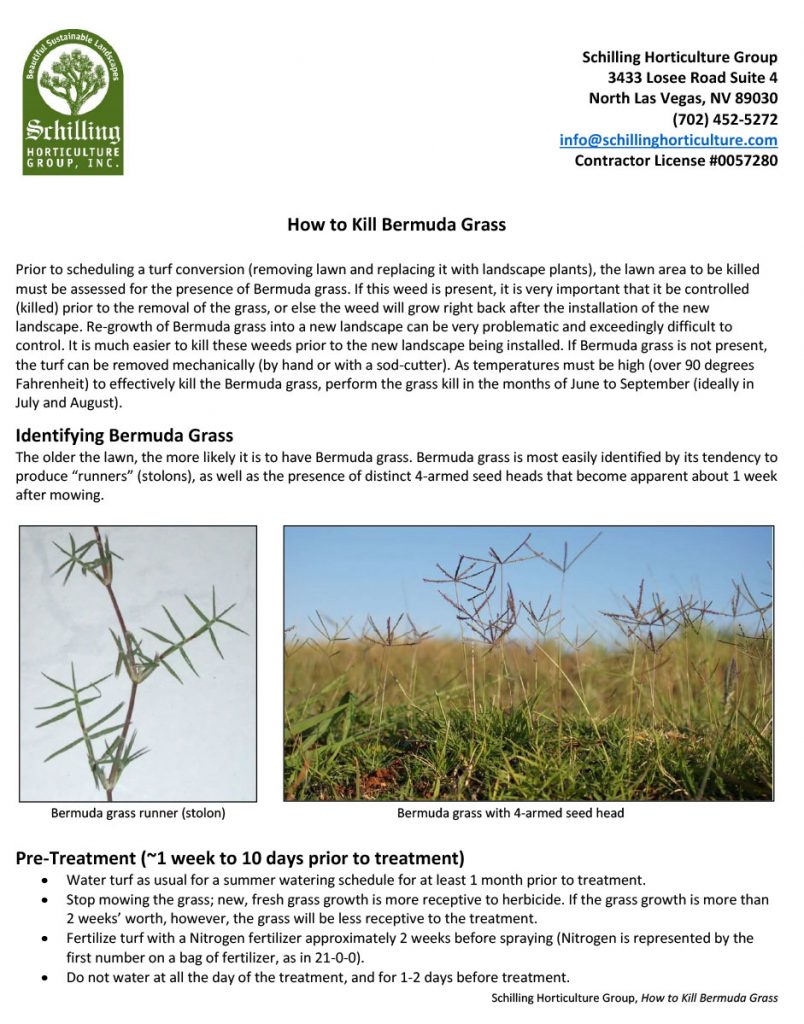
Identifying Bermuda grass is the first step to controlling it. This grass spreads fast and takes over lawns and gardens. Knowing how it looks and grows helps you decide the best way to kill it. Here are the main features to recognize Bermuda grass.
Physical Characteristics
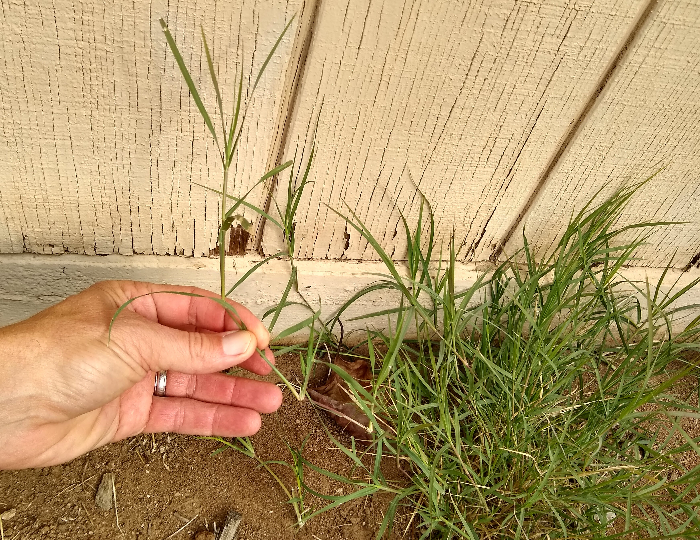
Bermuda grass has thin, green blades. The leaves are rough and pointed. Stems grow low and spread across the ground. It also has small, hairy nodes on the stems. The grass forms dense mats that block other plants.
Growth Patterns
This grass grows quickly in warm weather. It spreads through above-ground runners called stolons. It also sends out underground stems called rhizomes. These runners root at nodes and create new plants. This growth makes it hard to remove.
Areas Commonly Affected
Bermuda grass often invades lawns and gardens. It thrives in sunny, open spaces. It can grow in bare soil, cracks, and sidewalks. It also appears in sports fields and pastures. Knowing where it grows helps target treatment effectively.

Credit: www.youtube.com
Why Bermuda Grass Is Hard To Kill
Bermuda grass is one of the toughest grasses to control. Its strength comes from its ability to grow back quickly and resist many common removal methods. Understanding why Bermuda grass is hard to kill helps in choosing the right approach.
Resilient Root System
Bermuda grass has deep roots that store energy. These roots can survive harsh conditions and regrow after cutting or digging. Even small root pieces left in the soil can grow into new plants.
Rapid Spread
This grass spreads fast through runners called stolons and underground stems called rhizomes. These spread wide and create new shoots quickly. It fills empty spaces, making it hard to remove completely.
Resistance To Herbicides
Bermuda grass can resist many common herbicides. It has adapted to survive chemical treatments. Some herbicides may kill the leaves but not the roots, allowing regrowth.
Non-chemical Removal Methods
Removing Bermuda grass without chemicals is safe and eco-friendly. It takes patience but protects your soil and plants. These methods work well for small or medium patches. You can avoid harmful toxins and still clear your land.
Manual Digging And Removal
Grab a shovel or garden fork. Loosen the soil around the grass roots. Pull out the grass clumps, making sure to get roots. Dispose of all pieces, as Bermuda grass can regrow from roots left in soil. Repeat digging until no grass remains.
Solarization Technique
Cover the area with clear plastic sheets. Secure the edges with rocks or soil. Let sunlight heat the soil under the plastic for 4 to 6 weeks. The heat kills grass roots and seeds. This method works best during hot, sunny months.
Smothering With Mulch Or Tarps
Cover Bermuda grass with thick mulch or dark tarps. The covering blocks sunlight and air. Without light, grass cannot grow and dies over time. Keep the cover in place for several months. Check regularly to ensure full coverage.
Credit: schillinghorticulture.com
Chemical Control Options
Chemical control offers an effective way to kill Bermuda grass. It targets the grass directly, helping to reduce its spread. Choosing the right herbicide and applying it correctly is key. Proper use ensures better results and less damage to other plants.
Choosing The Right Herbicide
Select an herbicide made for Bermuda grass control. Glyphosate is a common choice for killing all types of grass. Another option is sethoxydim, which targets grassy weeds specifically. Read the label carefully to confirm it suits your needs. Choose products safe for your lawn or garden plants.
Applying Post-emergent Herbicides
Post-emergent herbicides kill Bermuda grass after it grows. Spray the product directly on green leaves for best effect. Apply on calm, dry days to avoid drift and wash-off. Follow the instructions about how much and when to spray. Repeat applications may be needed for tough patches.
Using Pre-emergent Herbicides
Pre-emergent herbicides stop Bermuda grass seeds from sprouting. Apply them before the growing season begins. This method prevents new grass from taking root. Spread the herbicide evenly over the soil surface. Water lightly to activate the product without washing it away.
Preventing Bermuda Grass From Returning
Stopping Bermuda grass from growing back takes effort and care. The key is to keep your lawn healthy and spot new growth fast. This way, the grass won’t get a chance to spread again. Follow simple steps to protect your lawn and enjoy a clean yard.
Regular Lawn Maintenance
Cut your grass often to keep it short. This stops Bermuda grass from spreading seeds. Remove any weeds or grass patches you see. Raking dead leaves and debris helps your lawn breathe. A clean lawn is less likely to have unwanted grass.
Proper Watering And Fertilizing
Water your lawn deeply but not too often. This encourages strong roots for your grass. Avoid overwatering because it helps Bermuda grass grow. Use fertilizer that fits your grass type. Feeding the right way keeps your lawn healthy and tough.
Monitoring And Early Detection
Check your lawn regularly for new Bermuda grass shoots. Catching it early makes removal easier. Use a hand tool to pull out young shoots. Treat small patches quickly before they spread. Early action saves time and effort later.
Alternative Lawn Solutions
Alternative lawn solutions offer ways to control Bermuda grass without harsh chemicals. They help create a healthier and more manageable yard. These options focus on replacing or covering Bermuda grass with other plants. This can reduce its growth naturally.
Planting Competitive Grass Types
Choose grass types that grow well in your climate. Tall fescue and St. Augustine grass compete strongly with Bermuda grass. They grow thick and shade the soil. This makes it harder for Bermuda grass to spread. Plant seeds or sod of these grasses in early spring. Water them regularly until fully established. This method lowers Bermuda grass presence by crowding it out.
Ground Covers And Landscaping Options
Ground covers like clover or creeping thyme offer green coverage without grass problems. They grow close to the soil and stop weeds from growing. These plants need less mowing and watering. Another choice is to use mulch, stones, or decorative gravel. These materials block Bermuda grass and reduce yard work. Combine ground covers with hardscape elements for a beautiful, low-maintenance yard.
Credit: gregalder.com
Frequently Asked Questions
How Can I Effectively Kill Bermuda Grass In My Lawn?
Use a non-selective herbicide containing glyphosate for best results. Apply on a dry, sunny day and repeat as needed. Manual removal and solarization can also help control Bermuda grass.
What Is The Best Herbicide For Killing Bermuda Grass?
Glyphosate-based herbicides are most effective against Bermuda grass. They kill the entire plant, including roots. Always follow label instructions for safety and application.
Can I Kill Bermuda Grass Naturally Without Chemicals?
Yes, solarization by covering the area with clear plastic can kill Bermuda grass. Repeated mowing and smothering with mulch may also weaken it over time.
How Long Does It Take To Kill Bermuda Grass Completely?
Complete elimination may take several weeks to months, depending on the method. Herbicides act faster, while natural methods require persistence and repeated treatments.
Conclusion
Controlling Bermuda grass takes patience and the right steps. Use herbicides carefully and follow label directions. Regularly remove grass patches by hand or with tools. Keep your lawn healthy to stop Bermuda grass from growing back. Water and mow your lawn properly every week.
Small efforts add up to big results over time. Stay consistent, and you will see progress soon. Your lawn can become free of Bermuda grass with steady care.
