

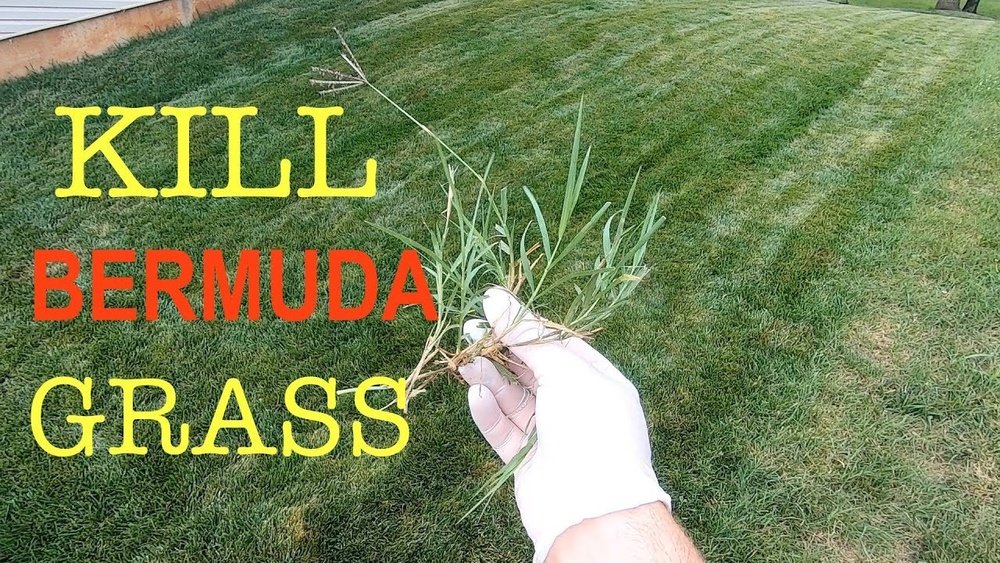
To kill Bermuda grass in a fescue lawn, use selective herbicides designed to target Bermuda without harming fescue. Combine this with proper lawn care practices like mowing, watering, and overseeding to strengthen your fescue and reduce Bermuda’s spread effectively. Persistence is key for best results.
Are you tired of Bermuda grass taking over your beautiful fescue lawn? You’re not alone.
Bermuda grass can be stubborn and tough to remove, but don’t worry—there are effective ways to get rid of it. You’ll discover simple, proven methods to kill Bermuda grass without harming your fescue. Keep reading, and you’ll learn how to restore your lawn to the lush, green space you deserve.
Credit: www.youtube.com
Identifying Bermuda Grass In Fescue Lawns
Identifying Bermuda grass in fescue lawns is the first step to controlling it. Bermuda grass can look similar to other grasses but has unique traits. Spotting it early helps protect your fescue lawn from damage. This section explains how to recognize Bermuda grass and understand its growth habits.
Key Characteristics Of Bermuda Grass
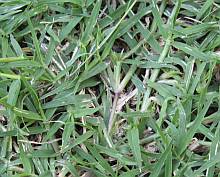
Bermuda grass has thin, coarse blades. It grows low and spreads flat across the soil. The color is usually bright green, lighter than fescue. Its leaves have a rough texture and pointed tips. Bermuda grass often forms dense patches that stand out in fescue lawns. You might notice small seed heads that look like spikes. This grass feels tough underfoot, unlike the soft fescue blades.
How Bermuda Grass Spreads
Bermuda grass spreads quickly through runners called stolons. These runners grow above the soil and root at nodes. It also sends out underground stems called rhizomes. Rhizomes help the grass pop up in new spots. This spreading method allows Bermuda grass to invade fescue areas fast. It survives drought and recovers from damage easily. This makes it hard to remove without proper care.
Challenges Of Removing Bermuda Grass
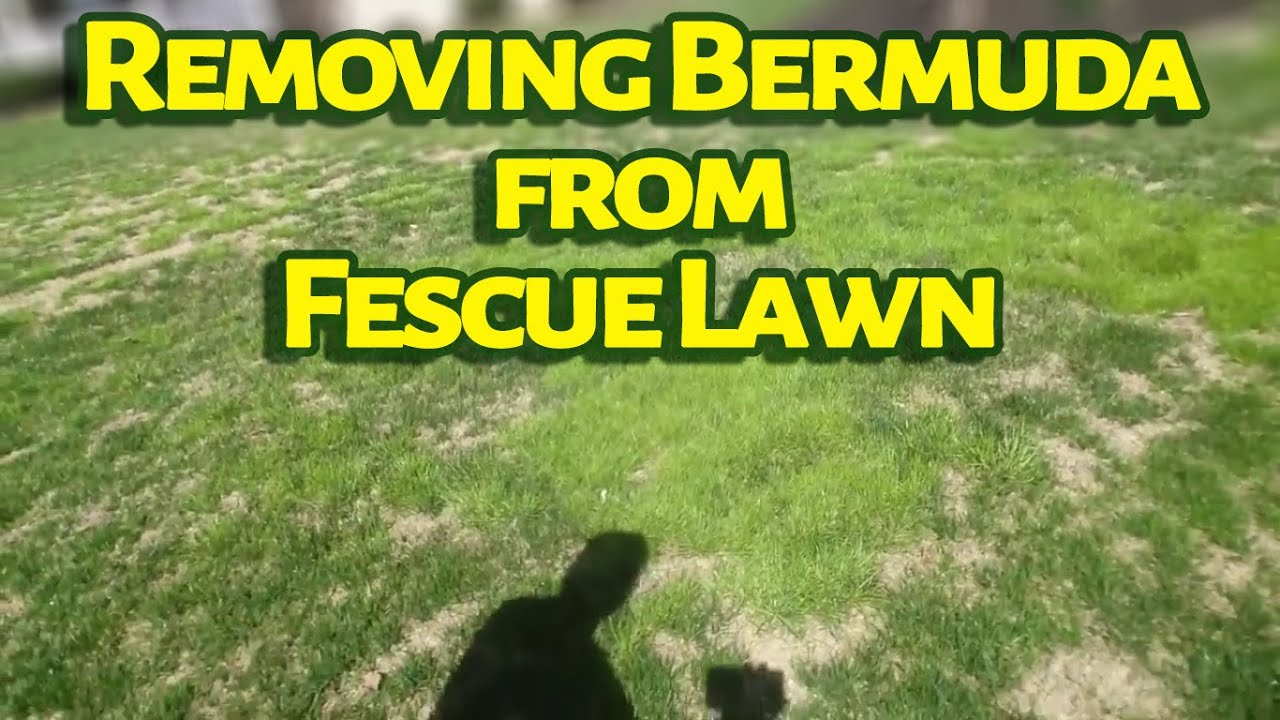
Removing Bermuda grass from a fescue lawn is not simple. Many gardeners face difficulties because Bermuda grass grows and spreads quickly. Its strong roots and fast growth make it tough to control. Understanding these challenges helps in managing your lawn better.
Knowing why Bermuda grass is hard to remove and how it affects fescue lawns can guide your approach. This knowledge saves time and effort in keeping your lawn healthy and green.
Why Bermuda Grass Is Hard To Control
Bermuda grass spreads through underground stems called rhizomes. These rhizomes grow deep and wide, making the grass hard to pull out completely. Even a small piece left in the soil can grow into new plants. Bermuda grass also grows fast during warm months, outcompeting other grasses easily. It survives tough conditions like drought and heat. These traits make it a strong invader in fescue lawns.
Impact On Fescue Lawn Health
Bermuda grass takes nutrients and water from the soil quickly. This leaves less for the fescue grass, causing it to weaken. Bermuda grass also grows closer to the ground and blocks sunlight from reaching fescue. This stops fescue from growing well and makes the lawn patchy. Over time, Bermuda grass can take over the entire lawn if not managed properly.
Choosing The Right Herbicide
Choosing the right herbicide is key to removing Bermuda grass from fescue lawns. The wrong product can harm your fescue or fail to kill the Bermuda grass. Understanding the types of herbicides helps you make the best choice. This section explains the difference between selective and non-selective herbicides. It also lists some effective products for controlling Bermuda grass.
Selective Vs Non-selective Herbicides
Selective herbicides kill specific plants without hurting others. They are designed to target Bermuda grass but keep fescue safe. These are ideal for lawns with mixed grasses. Non-selective herbicides kill all plants they touch. They remove Bermuda grass but can damage or kill fescue too. Use them only in bare areas or before replanting. Choosing the right type depends on your lawn’s condition and goals.
Recommended Products For Bermuda Grass
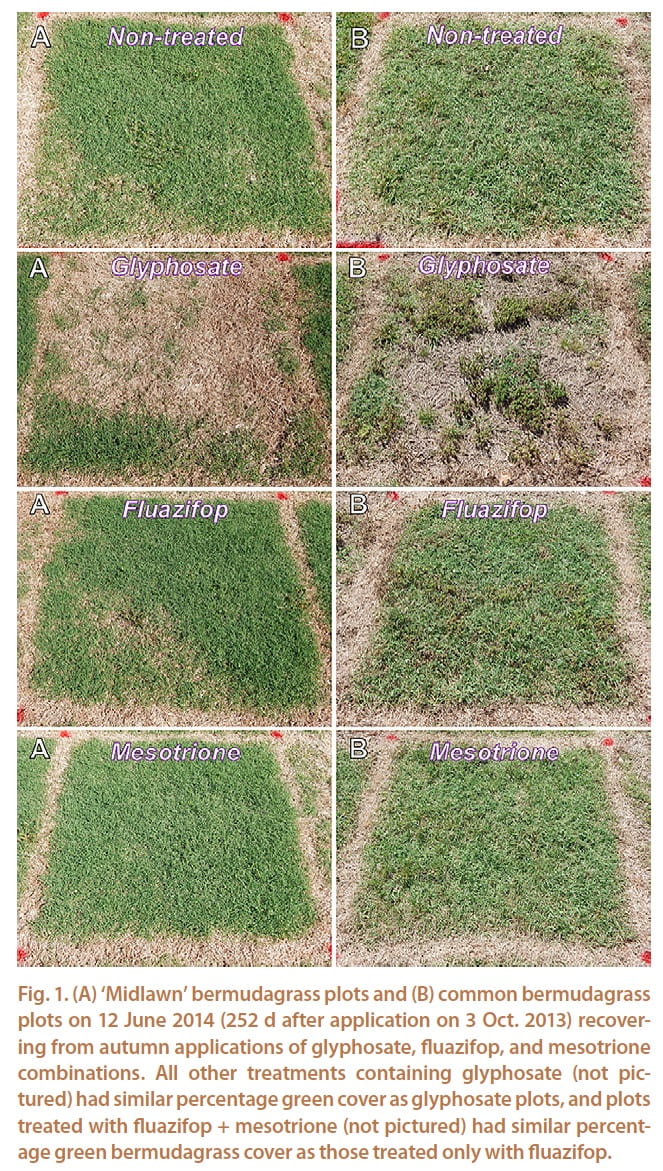
Herbicides with active ingredients like fluazifop, sethoxydim, or quinclorac work well. These are selective and safe for most fescue lawns. Always follow label instructions carefully. Products such as Fusilade or Drive contain fluazifop and target Bermuda grass effectively. For tougher cases, herbicides with quinclorac offer strong control. Avoid using glyphosate unless removing all grass in the area. Proper timing and repeated treatments improve results.
Application Techniques For Best Results
Applying herbicide correctly is key to killing Bermuda grass in Fescue. Proper techniques improve results and protect your lawn. Small mistakes can harm Fescue or reduce herbicide effectiveness. Follow simple steps for best outcomes.
Proper Timing For Herbicide Use
Apply herbicide when Bermuda grass grows actively. This usually happens in late spring or early summer. The chemical moves better inside the grass at this time. Avoid spraying on windy or rainy days. These conditions reduce herbicide effectiveness and cause drift.
Wait for dry weather for at least 24 hours after application. This allows the herbicide to soak into Bermuda grass fully. Treat Bermuda patches before they spread widely. Early treatment saves time and effort.
Safe Application Methods
Use a sprayer with a fine nozzle for even coverage. Spray slowly and steadily to cover all Bermuda grass blades. Avoid overlapping spray areas to prevent herbicide buildup. Wear gloves and protective clothing to protect your skin.
Keep pets and children away during and after spraying. Clean your equipment well after use to avoid damage to other plants. Follow the herbicide label instructions exactly for safe use. Proper care keeps your lawn healthy and safe.
Natural And Mechanical Control Methods
Controlling Bermuda grass in a fescue lawn can be tough. Natural and mechanical methods offer safe ways to reduce Bermuda grass without chemicals. These methods focus on using nature and physical effort to weaken and remove unwanted grass. They protect your fescue and keep your lawn healthy.
Solarization And Smothering
Solarization uses the sun’s heat to kill Bermuda grass. Cover the area with clear plastic sheets during hot months. The heat builds up under the plastic and damages Bermuda grass roots. Keep the plastic in place for 4 to 6 weeks for best results.
Smothering blocks sunlight from reaching Bermuda grass. Use thick layers of mulch, cardboard, or black plastic. This stops photosynthesis and weakens the grass over time. Smothering works well for small patches and garden beds.
Manual Removal And Lawn Maintenance
Manual removal means pulling or digging out Bermuda grass by hand. This method works best for small areas or new invasions. Remove as much root as possible to prevent regrowth. Tools like a garden fork or shovel help reach deep roots.
Proper lawn maintenance supports fescue and reduces Bermuda grass spread. Mow fescue at the right height, about 3 to 4 inches. Water deeply but less often to encourage strong fescue roots. Aerate the lawn to improve soil health and reduce stress on grass.
Credit: blogs.k-state.edu
Preventing Bermuda Grass From Returning
Stopping Bermuda grass from coming back is key to keeping your fescue lawn healthy. Bermuda grass spreads quickly and can take over if not controlled. Preventing its return takes steady effort and smart lawn care. Follow these steps to keep your lawn looking its best.
Regular Lawn Care Practices
Cut your fescue grass regularly. Keep the mower blades sharp for clean cuts. Water your lawn deeply but less often. This helps roots grow strong and deep. Remove weeds by hand or with safe herbicides. Avoid over-fertilizing, which can help Bermuda grass grow.
Improving Fescue Lawn Resilience
Plant fescue seeds in bare spots to fill gaps. Aerate the soil to allow air and water to reach roots. Use mulch to keep moisture in and reduce weeds. Choose fescue varieties that resist weeds and stress. Healthy fescue grows thick and crowds out Bermuda grass.
Credit: www.garden-counselor-lawn-care.com
Frequently Asked Questions
How Can I Safely Kill Bermuda Grass In Fescue Lawns?
Use a selective herbicide designed for killing Bermuda grass without harming fescue. Apply during active growth in warm weather for best results. Follow label instructions carefully to avoid damage to your fescue lawn.
What Is The Best Time To Treat Bermuda Grass In Fescue?
Treat Bermuda grass in late spring or early summer when it actively grows. Warm temperatures help herbicides work effectively, increasing the chance of complete eradication without harming fescue.
Can I Use Non-selective Herbicides To Remove Bermuda Grass?
Non-selective herbicides kill all plants, including fescue. Avoid these unless you plan to reseed your lawn. Selective herbicides are safer to target Bermuda grass specifically.
How Long Does It Take To Kill Bermuda Grass In Fescue?
It typically takes 2 to 4 weeks for herbicides to show results. Persistent treatment over multiple applications may be necessary for complete control.
Conclusion
Killing Bermuda grass in fescue takes time and patience. Use the right herbicide carefully to protect your fescue. Regular mowing and watering help your grass stay healthy. Removing Bermuda grass roots is important to stop regrowth. Keep checking your lawn often for any new Bermuda patches.
Healthy fescue grows stronger and crowds out unwanted grass. Follow these steps, and your lawn will improve slowly but surely. Your effort will pay off with a nicer, green yard.
