

Bermuda grass does go dormant, typically when temperatures drop below 50°F or during dry spells. During dormancy, it stops growing and turns brown to conserve energy. This is a natural survival strategy, not a sign of disease, and the grass will green up again once favorable conditions return.
Are you wondering why your lush Bermuda grass suddenly turns brown and looks lifeless? You’re not alone.
Many homeowners notice their Bermuda lawn changing with the seasons and worry something is wrong. But does Bermuda grass really die off, or is it just taking a break? Understanding this natural process can save you time, money, and stress.
Keep reading to discover why your Bermuda grass goes dormant and what you can do to keep your yard healthy all year round.
Bermuda Grass Growth Cycle
Bermuda grass has a clear growth cycle that changes with the seasons. This cycle helps the grass survive and look its best. Understanding this cycle is key to keeping your lawn green and healthy all year.
The growth cycle has two main phases: active growth and dormancy. Each phase affects how the grass looks and grows.
Active Growth Season
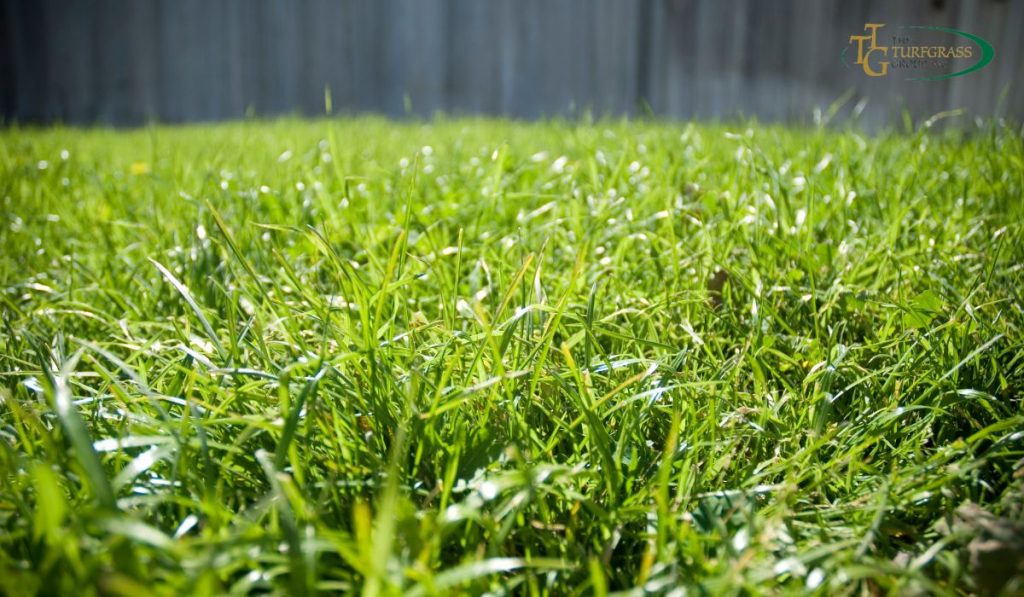
Bermuda grass grows fastest in warm weather. This season usually starts in late spring and lasts through summer. The grass uses sunlight and warmth to grow thick and green. During this time, it needs regular watering and mowing. Fertilizing helps the grass stay strong and healthy. This is the best time for Bermuda grass to spread and fill bare spots.
Dormancy Period
As temperatures drop, Bermuda grass slows down. In fall, it begins to go dormant. Dormancy means the grass stops growing and turns brown. This is normal and helps the grass survive cold weather. It uses less water and nutrients during dormancy. The grass will stay this way until warm weather returns. Proper care before dormancy helps the grass bounce back quickly in spring.
Credit: theturfgrassgroup.com
Causes Of Dormancy
Bermuda grass goes dormant due to several natural factors. Dormancy helps the grass survive tough conditions. It stops growing and turns brown until conditions improve. Understanding what causes dormancy helps you care for your lawn better.
Temperature Effects
Temperature is a main cause of Bermuda grass dormancy. The grass stops growing when temperatures drop below 50°F. Cold weather signals the grass to rest. In hot, dry weather, the grass can also go dormant to save water.
Water Availability
Water is crucial for Bermuda grass growth. Lack of rain or irrigation leads to dormancy. The grass conserves moisture by slowing growth and turning brown. Proper watering prevents unnecessary dormancy and keeps the lawn green.
Soil Conditions
Soil quality affects Bermuda grass health. Poor soil with low nutrients causes stress. Hard or compacted soil limits root growth and water absorption. Good soil helps the grass stay active and reduces dormancy chances.
Signs Of Dormant Bermuda Grass
Bermuda grass shows clear signs when it goes dormant. Recognizing these signs helps you care for your lawn properly. Dormancy means the grass slows growth and conserves energy. It prepares for colder weather or dry conditions. Knowing what to watch for keeps your lawn healthy.
Color Changes
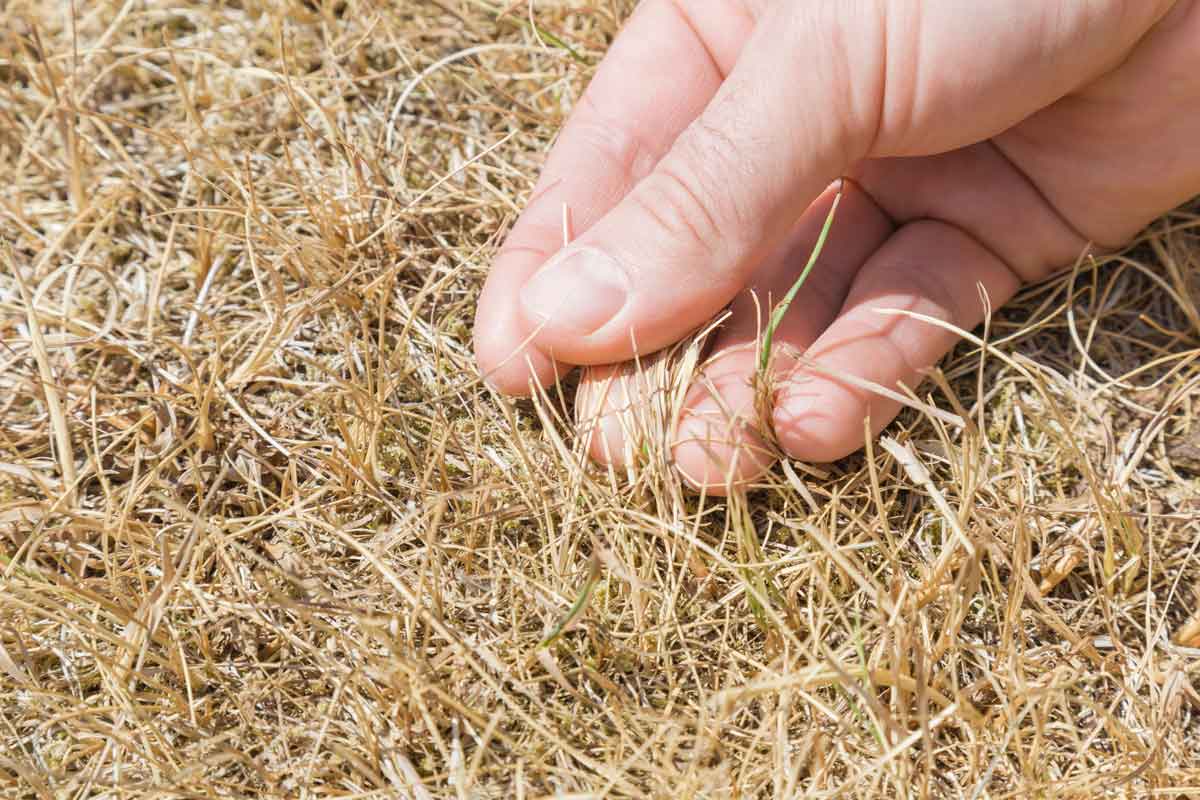
Dormant Bermuda grass changes color noticeably. It turns from bright green to a brownish or tan shade. The vibrant green fades as the grass stops growing actively. This color shift signals the grass is resting. It uses fewer nutrients and water during this time.
Texture And Appearance
The texture of dormant Bermuda grass becomes dry and brittle. It looks thinner and less lush than in growing seasons. You may see patches that seem rough or uneven. The grass blades lose their soft, springy feel. These changes show the grass is in a low-energy state.
Credit: www.greenviewfertilizer.com
Caring For Dormant Bermuda Grass
Bermuda grass goes dormant during cold months to protect itself. Caring for it during dormancy helps it stay healthy. Proper care prepares the lawn for a strong comeback in spring.
Follow simple steps to keep dormant Bermuda grass in good shape. Focus on watering, mowing, and fertilizing carefully.
Watering Tips
Bermuda grass needs less water while dormant. Water only if the soil is very dry. Too much water can cause mold or root problems. Aim for deep watering once every few weeks. This helps the roots stay alive without encouraging growth.
Mowing Practices
Stop mowing when Bermuda grass turns brown and stops growing. Keep mower blades sharp for clean cuts before dormancy. Raise the mowing height to avoid stressing the grass. Leave the grass clippings on the lawn to protect soil and add nutrients.
Fertilization Advice
Do not fertilize dormant Bermuda grass. Fertilizer can harm the grass during cold months. Wait until spring to apply fertilizer for new growth. Use a balanced fertilizer to help the grass green up quickly. Avoid heavy feeding that can burn the lawn.
Reviving Bermuda Grass After Dormancy
Bermuda grass often goes dormant during cold months. It turns brown and stops growing. This rest period helps the grass survive winter stress. When warm weather returns, it is time to bring the lawn back to life. Reviving Bermuda grass after dormancy needs care and patience. The right steps help the grass green up fast and grow strong again.
Timing For Revival
Start reviving Bermuda grass when soil temperature reaches about 65°F. This usually happens in early spring. Early action helps the grass recover well. Avoid trying to green it too soon. Cold soil slows growth and can harm the grass. Watch the weather and soil warmth to pick the best time.
Best Practices To Encourage Growth
Begin by removing dead leaves and debris from the lawn. This clears space for new shoots. Rake gently to avoid damaging grass crowns. Next, mow the lawn to a height of 1 to 2 inches. This trims dead tips and promotes fresh growth. Water the lawn deeply but not too often. Deep watering encourages strong roots. Fertilize with a balanced, slow-release fertilizer to feed the grass. Avoid high nitrogen doses early; they can stress the grass. Aerate the soil if it feels hard or compacted. This improves air and water flow to roots. Regular care over weeks helps Bermuda grass bounce back healthy and green.
Common Dormancy Myths
Bermuda grass does go dormant in cold weather, turning brown and slow to grow. Many believe it dies, but it just rests until warm weather returns. This natural pause helps the grass survive winter.
Bermuda grass dormancy often causes confusion. Many people believe wrong things about it. These myths can lead to poor lawn care choices. Understanding the truth helps keep your lawn healthy year-round.
Let’s clear up some common myths about Bermuda grass dormancy. Knowing facts helps you care for your grass better during colder months.
Myth 1: Bermuda Grass Dies During Dormancy
Some think Bermuda grass dies when it goes dormant. This is false. The grass only stops growing and changes color. Its roots stay alive under the soil. It will grow back when warm weather returns.
Myth 2: Dormant Bermuda Grass Needs No Water
Many believe dormant grass needs no water at all. It still needs some moisture. Too little water can damage roots. Watering lightly during dormancy keeps the grass healthy.
Myth 3: Fertilizer Should Be Stopped Completely
People often stop fertilizing during dormancy. This is not always best. A small amount of fertilizer can help the grass recover faster. Use slow-release fertilizer with low nitrogen for best results.
Myth 4: Dormant Grass Cannot Be Repaired
Some say you cannot fix patches in dormant grass. You can repair it by overseeding or patching when temperatures rise. Early spring is the best time for lawn repair.
Benefits Of Dormancy For Bermuda Grass
Bermuda grass goes dormant to survive cold or dry seasons. This natural pause helps the grass rest and recover. Dormancy protects the grass from damage and stress.
During dormancy, Bermuda grass uses less water and nutrients. This saves resources and keeps the lawn healthier for the next growing season.
Conserves Water and NutrientsDormant Bermuda grass needs less water. It slows down its growth and uses fewer nutrients. This reduces the need for frequent watering and fertilizing.
Protects Grass from Cold DamageThe grass turns brown but stays alive under the soil. Dormancy helps Bermuda grass survive freezing temperatures. It avoids damage that could kill new growth.
Reduces Lawn MaintenanceLess mowing is needed during dormancy. The grass stops growing quickly. This saves time and effort for lawn care.
Prepares Grass for Strong GrowthAfter dormancy, Bermuda grass grows back green and strong. Resting helps it store energy. The lawn recovers better and looks healthy again.
Credit: www.reddit.com
Frequently Asked Questions
Does Bermuda Grass Go Dormant In Winter?
Yes, Bermuda grass goes dormant in cold winter months. It turns brown and stops growing to conserve energy. Dormancy helps it survive low temperatures and reduced sunlight until warmer weather returns.
How Long Does Bermuda Grass Stay Dormant?
Bermuda grass typically stays dormant for 3 to 4 months. Dormancy duration depends on climate and temperature. It revives once soil temperatures consistently rise above 50°F (10°C).
Can Bermuda Grass Green Up After Dormancy?
Yes, Bermuda grass greens up quickly after dormancy. Proper watering and fertilization in spring encourage its rapid recovery. Healthy soil and sunlight also aid in fast green-up.
Why Does Bermuda Grass Go Dormant In Drought?
Bermuda grass enters dormancy during drought to conserve moisture. It stops growing and turns brown to reduce water loss. This survival strategy helps it withstand prolonged dry conditions.
Conclusion
Bermuda grass does go dormant in cold weather. It turns brown and stops growing. This helps the grass survive winter. Dormancy is natural and temporary. You can expect green grass again in spring. Water and care keep your lawn healthy.
Knowing this helps you plan lawn care better. Dormant grass still needs some attention. Patience brings your lawn back to life. Understanding dormancy keeps your Bermuda grass strong.
