


To make Bermuda grass thicker and greener, focus on choosing the right variety for your climate, preparing the soil properly, and watering effectively. Maintaining a balanced soil pH, ensuring good drainage, and watering deeply but infrequently will encourage strong roots and vibrant growth for a lush lawn.
Want a lawn that stands out with rich, green, and thick Bermuda grass? You’re not alone.
Many homeowners struggle to get their Bermuda grass looking its best. But here’s the good news—making your Bermuda grass thicker and greener is easier than you think. You’ll discover simple, effective steps that will transform your lawn into a lush, vibrant carpet.
Keep reading, and you’ll learn how to give your grass the care it needs to thrive all season long.
Choosing The Right Bermuda Grass Variety
Choosing the right Bermuda grass variety is key for a thick, green lawn. Different types suit different climates and soil. Picking the best one helps your grass grow strong and healthy. This saves time and effort in lawn care.
Warm-season Varieties
Warm-season Bermuda grasses thrive in hot weather. They grow fast and resist heat well. Common types include Common Bermuda and Hybrid Bermuda. These grasses handle summer heat and recover quickly from damage. Perfect for sunny yards with hot summers.
Drought-tolerant Types
Drought-tolerant Bermuda grasses need less water. They stay green longer during dry spells. Varieties like TifTuf and Celebration use water efficiently. These types reduce your watering needs and keep lawns healthy. Ideal for areas with water restrictions or low rainfall.
Shade-resistant Options
Bermuda grass usually prefers full sun. Shade-resistant varieties grow better in partly shaded areas. Types such as TifGrand and Tifway 419 tolerate some shade. They keep a green, thick look even under trees or near buildings. Good choice for yards with mixed sun and shade.
Soil Preparation For Healthy Growth
Healthy Bermuda grass starts with good soil. Preparing soil well helps grass grow thick and green. It gives roots space, water, and nutrients. Taking time to prepare soil pays off with a lush lawn.
Testing Soil Ph
Soil pH affects how Bermuda grass absorbs nutrients. The best pH is between 5.8 and 7.0. Use a simple soil test kit from a garden store. Test several spots for accurate results. Adjust pH by adding lime to raise it or sulfur to lower it.
Improving Soil Drainage
Good drainage prevents water from pooling around roots. Poor drainage causes root rot and weak grass. Check if water stays on soil surface after rain. To improve drainage, loosen compacted soil with a garden fork. Add sand or fine gravel if soil is heavy clay.
Adding Organic Matter
Organic matter feeds soil microbes and improves texture. It helps soil hold moisture and nutrients better. Spread compost or well-rotted manure over the soil. Work it into the top 4 to 6 inches before planting. Organic matter supports strong root growth and greener grass.
Effective Watering Techniques
Proper watering plays a key role in making Bermuda grass thicker and greener. Water feeds the roots and helps the grass grow strong. Using the right watering methods ensures the grass stays healthy and vibrant. Poor watering can cause weak, dry patches and slow growth. Follow simple watering tips to keep your Bermuda grass lush and green all season.
Optimal Watering Schedule
Water Bermuda grass early in the morning. The best time is before sunrise. This reduces water loss from evaporation. Water deeply but less often. Aim for about 1 inch of water per week. Spread this over two or three watering sessions. This schedule supports strong root growth and keeps the lawn moist.
Avoiding Overwatering
Too much water harms Bermuda grass. It can cause root rot and invite pests. Avoid watering every day. Check the soil before watering again. If the soil feels wet, wait a day. Overwatering wastes water and weakens the grass. Stick to a consistent watering plan for best results.
Deep Irrigation Benefits
Deep watering helps Bermuda grass roots grow deep. Deep roots make the lawn drought-resistant. Water should soak 6 to 8 inches deep. Use slow, steady watering to reach this depth. Deep irrigation improves nutrient uptake and strengthens the grass. It also reduces surface evaporation and promotes a thick lawn.

Credit: gomow.com
Fertilizing For Rich Green Color
Fertilizing plays a key role in making Bermuda grass thicker and greener. The right fertilizer feeds the grass essential nutrients. This helps the grass grow strong and resist diseases. Proper fertilizing also boosts the color and density of your lawn. Knowing how and when to apply fertilizer can improve your lawn’s health greatly.
Choosing The Right Fertilizer
Select a fertilizer designed for Bermuda grass. Look for a balanced mix of nitrogen, phosphorus, and potassium. Nitrogen promotes green growth. Phosphorus supports root development. Potassium strengthens the grass against stress. Avoid fertilizers with too much phosphorus, as it can harm the environment. A fertilizer with a higher nitrogen ratio works best for rich green color.
Timing Fertilizer Application
Apply fertilizer during the active growing season. For Bermuda grass, this is usually late spring through summer. Fertilizing too early or late can reduce effectiveness. Spread fertilizer evenly to avoid patchy growth. Water the lawn after applying fertilizer to help nutrients soak into the soil. Avoid fertilizing before heavy rain to prevent runoff.
Using Slow-release Nutrients
Slow-release fertilizers feed grass gradually over weeks. This provides steady nutrients and reduces the risk of burning. It also means fewer applications are needed. Slow-release formulas improve root growth and help maintain color longer. Choose a slow-release option for a healthier, thicker lawn with less effort.
Mowing Practices For Thickness
Mowing is key to making Bermuda grass thick and green. Cutting the grass the right way helps it grow strong. It keeps the lawn healthy and stops weeds. Good mowing habits make your yard look fresh and full.
Ideal Mowing Height
Bermuda grass grows best when cut between 1 and 2 inches. Cutting too short can hurt the grass roots. Too tall makes it weak and thin. Keep the height steady to help the grass spread.
Frequency Of Mowing
Cut your Bermuda grass often. During the growing season, mow every 5 to 7 days. This keeps the grass dense and stops it from growing too tall. Regular mowing helps the grass stay green and healthy.
Sharpening Mower Blades
Dull blades tear grass instead of cutting it clean. This can cause brown tips and stress the grass. Sharpen mower blades every few weeks. Sharp blades give a smooth cut and keep the lawn looking great.

Credit: trysodpods.com
Controlling Weeds And Pests
Controlling weeds and pests is key to a thick, green Bermuda grass lawn. Weeds steal nutrients and water, making grass weak. Pests damage grass blades and roots, causing brown spots and bare patches. Managing these problems helps Bermuda grass stay healthy and vibrant.
Common Bermuda Grass Weeds
Crabgrass is a tough weed that spreads fast and crowds Bermuda grass. Clover grows low and spreads quickly, stealing nutrients. Nutsedge looks like grass but grows in clumps and thrives in wet spots. These weeds compete for sunlight and water, making grass thin and patchy.
Natural Pest Control Methods
Encourage natural predators like ladybugs and spiders to reduce harmful insects. Use neem oil or insecticidal soap to control pests safely. Remove damaged grass and debris to stop pests from breeding. Water early in the day to keep grass dry and less attractive to pests.
Using Herbicides Safely
Choose herbicides made for Bermuda grass to avoid damage. Read and follow label instructions carefully for best results. Apply herbicides on calm, dry days to prevent drift to other plants. Avoid overusing chemicals; they can harm grass and soil health.
Overseeding And Aeration
Overseeding and aeration are two key steps to make Bermuda grass thicker and greener. These methods improve soil health and help grass grow strong. They work well together to fill bare spots and boost grass roots.
Overseeding adds new grass seeds to your lawn. Aeration loosens the soil to allow air, water, and nutrients to reach the roots more easily. Both improve the lawn’s overall health and appearance.
Benefits Of Overseeding
Overseeding fills thin or bare areas in the lawn. It helps grass grow dense and lush. New seeds bring fresh nutrients and increase grass variety. Overseeding also reduces weed growth by crowding them out. It helps repair damage from heat, drought, or pests.
When To Aerate
Aerate Bermuda grass during its active growing season. The best time is late spring or early summer. Soil is softer then, making aeration easier. Aerating in these months helps grass recover quickly. Avoid aerating in winter or dormant periods.
Proper Aeration Techniques
Use a core aerator to remove small soil plugs. This creates space for roots to breathe and grow. Aerate the lawn in two directions for full coverage. Water the lawn a day before aeration for better results. After aeration, overseed and fertilize to boost growth.
Seasonal Care Tips
Seasonal care plays a big role in making Bermuda grass thicker and greener. Each season needs different attention. Following the right steps helps your lawn stay healthy all year. This section breaks down what to do in spring, summer, and fall.
Spring Lawn Care
Spring is the start of the growing season for Bermuda grass. Begin by removing dead grass and debris. This clears space for new growth. Aerate the soil to improve air and water flow. Apply a balanced fertilizer to boost nutrients. Water the lawn deeply but less often. This encourages strong roots.
Summer Maintenance
Summer heat can stress Bermuda grass. Mow the lawn regularly but keep the blades high. Taller grass shades the roots and holds moisture. Water early in the morning to reduce evaporation. Avoid watering in the heat of the day. Use a nitrogen-rich fertilizer for energy. Watch for pests and treat problems quickly.
Fall Preparation
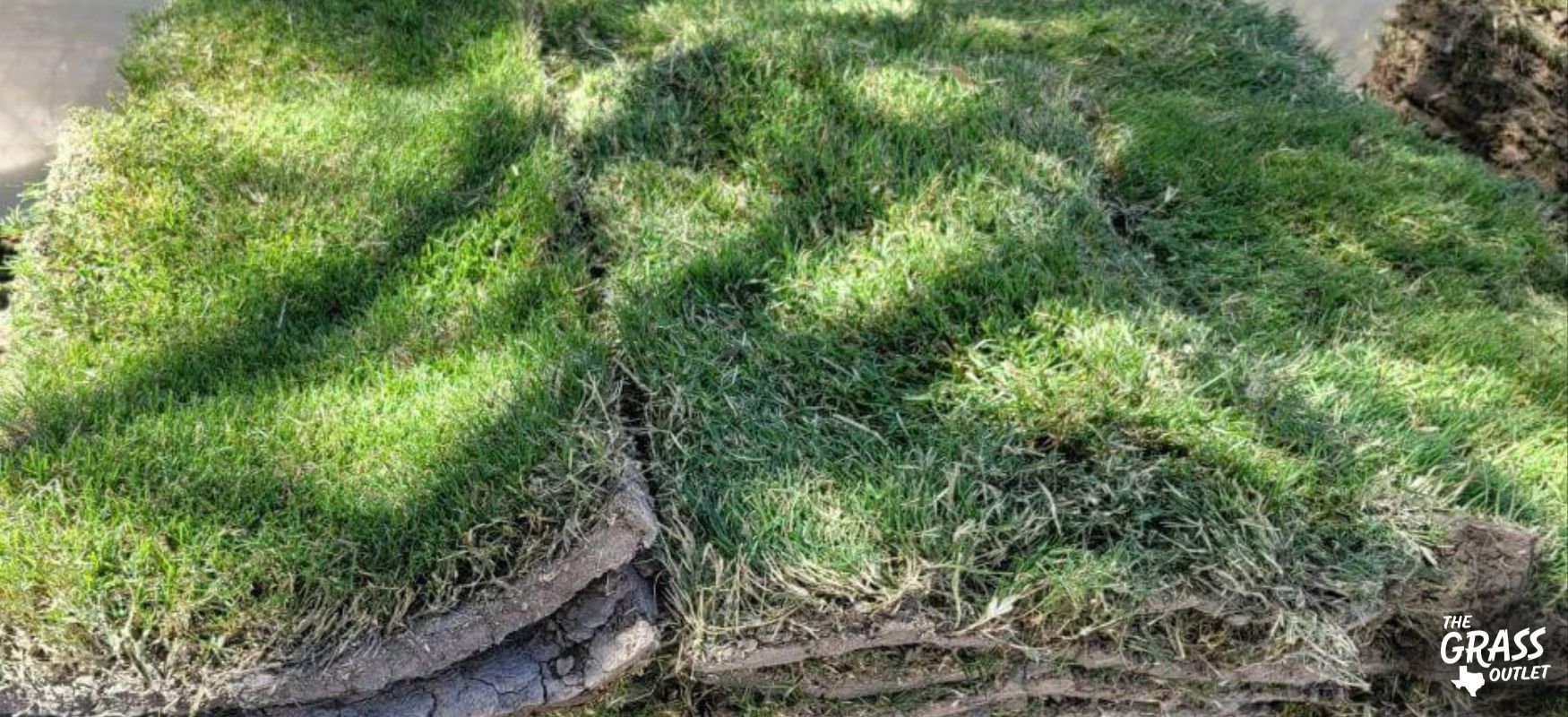
Fall is the time to prepare your lawn for winter. Rake up leaves and other debris. Overseed thin areas to fill gaps. Apply a fertilizer high in potassium to strengthen roots. Continue watering but reduce frequency as temperatures drop. Keep mowing until growth slows. This helps the grass store energy for spring.
Credit: thegrassoutlet.com
Frequently Asked Questions
How Often Should I Water Bermuda Grass?
Water Bermuda grass deeply 1-2 times weekly. Early morning watering reduces evaporation. Avoid overwatering to prevent disease and root rot.
What Fertilizer Works Best For Bermuda Grass?
Use a nitrogen-rich fertilizer for Bermuda grass. Apply in spring and summer for thicker, greener growth. Follow label instructions for best results.
How Do I Control Weeds In Bermuda Grass?
Regular mowing and proper fertilization strengthen Bermuda grass. Use pre-emergent herbicides in early spring. Spot-treat weeds with selective post-emergent herbicides.
When Is The Best Time To Overseed Bermuda Grass?
Overseed Bermuda grass in late spring or early summer. Soil temperatures should be consistently above 65°F. This timing promotes quick germination and thick lawn growth.
Conclusion
Thick and green Bermuda grass needs regular care and attention. Water your lawn deeply but not too often. Mow at the right height to keep grass healthy. Use fertilizer to feed the grass and improve growth. Remove weeds that steal nutrients and space.
Aerate the soil to let air and water reach roots. With patience and these simple steps, your Bermuda grass will look lush and vibrant. Enjoy a beautiful lawn that stands out in your neighborhood. Keep up the good work for lasting results.
