

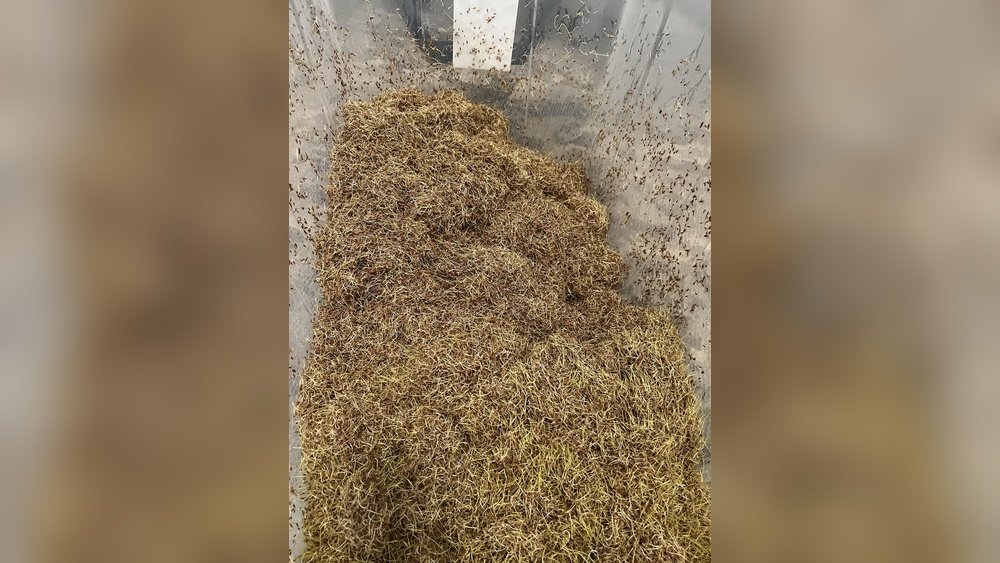
Pre-germinating Bermuda grass seed typically takes between 12 to 24 hours of soaking in warm water. This process softens the seed coat and jumpstarts germination, helping your grass sprout faster and grow more evenly once planted. Avoid soaking longer than 24 hours to prevent seed damage.
Are you ready to give your lawn the best start possible? Knowing how long to pre-germinate Bermuda grass seed can make all the difference in growing a lush, green yard that stands out.
If you’ve ever struggled with patchy grass or slow growth, this simple step could be the game-changer you need. You’ll discover exactly how long to soak your seeds to boost germination and get your Bermuda grass growing faster and stronger.
Keep reading to unlock the secret to a healthier, thicker lawn that you’ll be proud of.
Benefits Of Pre Germinating Bermuda Grass Seed
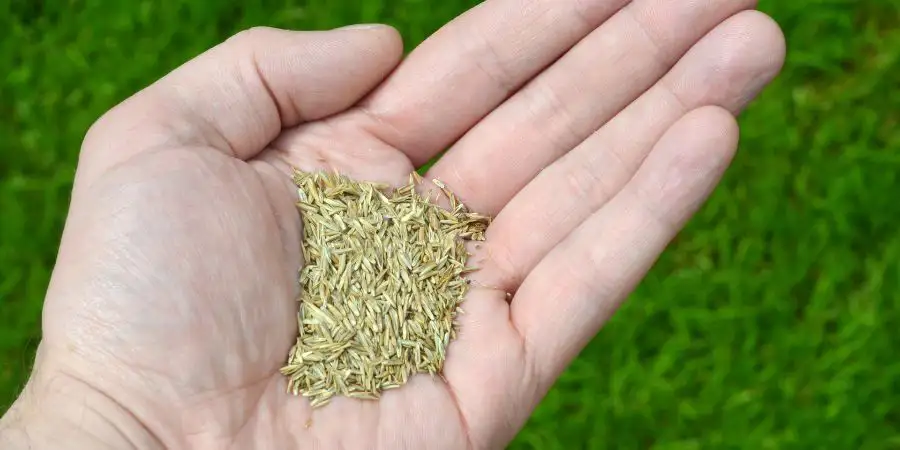
Pre germinating Bermuda grass seed helps start the growth process early. This method gives seeds a head start before planting. It improves the chances of strong, healthy grass.
Seeds that sprout before planting grow faster and more evenly. This saves time and effort in lawn care. The lawn looks greener and fuller sooner.
Improved Germination Rates
Pre germinating raises the number of seeds that sprout. Seeds soak up water and begin growing roots. This means fewer seeds waste and more grass grows.
Faster Lawn Establishment
Pre germinated seeds grow quicker after planting. The lawn fills in faster, reducing bare spots. A thick lawn stops weeds from taking over.
Better Seedling Strength
Seedlings start growing in a controlled environment. They become stronger and more resilient. Strong seedlings survive harsh weather better.
Reduced Seed Loss
Pre germinating lowers the chance of seeds washing away. Seeds are less likely to be eaten by birds. More seeds develop into healthy grass.
Credit: www.milorganite.com
Ideal Conditions For Pre Germination
Pre germination of Bermuda grass seed requires specific conditions to ensure healthy growth. Seeds need the right environment before planting. This helps them sprout faster and stronger. Understanding these conditions boosts your chances of success.
Temperature Requirements
Bermuda grass seeds sprout best in warm temperatures. Aim for a range between 75°F and 85°F. Cooler temperatures slow down germination. Too hot can damage the seeds. Keep the temperature steady for quick sprouting.
Moisture Levels
Keep the seeds moist but not soaked. Use a light spray or mist to water. Too much water can cause seeds to rot. Dry seeds will not sprout. Moist soil encourages roots to grow fast and strong.
Light Exposure
Bermuda grass seeds do not need direct sunlight to sprout. Indirect light or partial shade works well. Too much sun can dry out the seeds. A bright, warm spot indoors or outdoors helps germination.
Step-by-step Pre Germination Process
Pre germinating Bermuda grass seed helps speed up growth and improve germination rates. It prepares the seeds to sprout before planting. Follow these simple steps for best results.
Selecting Quality Seeds
Choose fresh Bermuda grass seeds from a trusted source. Check the seed package for the expiration date. Look for seeds that are clean and free from debris. High-quality seeds increase the chance of healthy grass growth.
Soaking Techniques
Place the seeds in a bowl of warm water. Let them soak for 12 to 24 hours. This softens the seed coat and triggers germination. Avoid soaking longer than 24 hours to prevent seed damage.
Using A Paper Towel Method
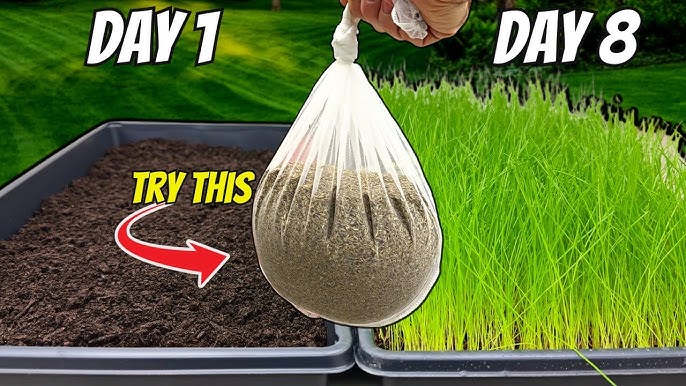
Moisten a paper towel with clean water. Spread the soaked seeds evenly on the towel. Fold the towel to cover the seeds completely. Place it inside a plastic bag or container to keep moisture in.
Monitoring Seed Sprouts
Keep the towel in a warm, dark place. Check the seeds daily to ensure the towel stays moist. Small white sprouts should appear in 3 to 5 days. Plant the seeds once sprouts are about 1/4 inch long.
Credit: www.youtube.com
Optimal Timing To Pre Germinate
Pre germinating Bermuda grass seed helps start growth faster and stronger. Knowing the best time to pre germinate ensures healthy seedlings. It prevents wasting seeds and saves effort later. Timing affects how well seeds sprout and establish.
Typical Duration For Germination
Bermuda grass seeds usually take 3 to 5 days to start sprouting. Soaking seeds in warm water speeds up this process. Keep seeds moist and warm during this time. Avoid letting seeds dry out or get too hot. Checking daily helps catch the best moment to plant.
Signs Seeds Are Ready To Plant
Look for small white roots emerging from the seeds. These roots show seeds have started growing. The seed coat may crack or split open. Seeds with roots about ¼ inch long are ready to go in soil. Plant carefully to avoid damaging delicate roots.
Common Mistakes To Avoid
Do not soak seeds for more than 24 hours. Too much water can drown the seeds. Avoid using cold water; warm water works best. Do not let seeds dry out after soaking. Planting seeds too early or too late weakens growth. Handle seeds gently to protect tiny roots.
Planting Pre Germinated Seeds
Planting pre germinated Bermuda grass seeds helps your lawn grow faster. The seeds start growing before you put them in the soil. This gives them a strong start and better chance to thrive. Follow these steps to plant them properly and care for your new grass.
Preparing The Soil
Clear the area of weeds, rocks, and debris. Loosen the soil with a rake or shovel. Make the soil smooth and flat for easy planting. Add a thin layer of compost or fertilizer. This gives nutrients for the young seeds to grow well.
Transferring Sprouted Seeds
Handle the sprouted seeds carefully to avoid damage. Plant them shallow, about half an inch deep. Space the seeds evenly to avoid crowding. Cover lightly with soil to protect the sprouts. Press gently to secure the seeds in place.
Watering And Care After Planting
Water the soil gently but fully after planting. Keep the soil moist but not soaked. Water several times a day at first. Gradually reduce watering as grass grows stronger. Avoid walking on the area until grass is thick and healthy.
Troubleshooting Germination Issues
Germinating Bermuda grass seed can sometimes be tricky. Problems like mold, fungus, or seeds that do not sprout may occur. Knowing how to fix these issues helps get better results. Check these tips to solve common germination problems quickly.
Dealing With Mold And Fungus
Mold and fungus grow in damp, warm places. Too much moisture causes these issues. Remove any seeds showing mold right away. Use clean water and avoid overwatering. Improve air flow around the seeds. This helps keep the area dry and mold-free.
Handling Non-germinating Seeds
Some seeds may not sprout at all. Old or damaged seeds often fail to grow. Test seeds before planting by soaking them in water. Seeds that sink usually germinate well. Discard floating seeds. Use fresh seed for better success.
Adjusting Conditions For Better Results
Proper temperature and moisture levels are key. Keep soil warm, about 75°F to 85°F. Avoid letting soil dry out completely. Water lightly but regularly. Too much water stops growth. Make sure seeds get enough sunlight or use a grow light. Adjust these factors for stronger sprouts.
Tips For Maximizing Bermuda Grass Growth
Growing Bermuda grass successfully needs care and smart habits. Small actions make a big difference in the grass’s health and growth. Follow these tips to get the best out of your Bermuda grass after pre-germination.
Fertilization Best Practices
Fertilizer helps Bermuda grass grow thick and green. Use a balanced fertilizer with nitrogen, phosphorus, and potassium. Apply fertilizer every 6 to 8 weeks during the growing season. Avoid over-fertilizing, as it can harm the grass. Spread fertilizer evenly to prevent patchy growth. Water the lawn after fertilizing to help nutrients soak in well.
Watering Schedule
Bermuda grass needs regular watering to stay healthy. Water deeply but less often to encourage strong roots. Aim for about 1 inch of water each week. Early morning watering reduces evaporation and disease risk. Avoid watering late at night to keep grass dry. Adjust watering if it rains or during hot weather.
Managing Weeds And Pests
Weeds and pests compete with Bermuda grass for space and nutrients. Remove weeds by hand or use a safe herbicide. Check the lawn often for pests like grubs and mites. Use natural or chemical treatments if pests appear. Keep grass mowed to about 1 to 2 inches tall. Healthy grass can resist weeds and pests better.
Credit: www.milorganite.com
Frequently Asked Questions
How Long Does It Take To Pre-germinate Bermuda Grass Seed?
Pre-germinating Bermuda grass seed typically takes 2 to 5 days. Soak seeds in warm water until they sprout tiny roots before planting. This speeds up germination and improves seedling success.
Why Pre-germinate Bermuda Grass Seed Before Planting?
Pre-germination boosts seed sprouting rates and ensures quicker lawn establishment. It helps identify viable seeds and reduces wasted time waiting for germination after planting.
What Is The Best Method To Pre-germinate Bermuda Grass Seed?
Soak the seeds in warm water for 24 to 48 hours. Keep them moist and warm until small roots appear. Then plant immediately for best growth results.
Can I Plant Bermuda Grass Seed Without Pre-germination?
Yes, but germination will be slower and less uniform. Pre-germination improves seedling strength and speeds lawn development, making it highly recommended for best results.
Conclusion
Pre-germinating Bermuda grass seed usually takes 2 to 3 days. Keep the seeds moist but not soaked during this time. Watch for tiny sprouts before planting in soil. This process helps seeds grow faster and stronger. Planting soon after sprouting improves grass growth success.
Remember to provide enough water and sunlight after planting. Follow these steps to enjoy a healthy Bermuda grass lawn. Simple care makes a big difference in your yard’s look. Give your grass the best start for greener results.
