
Scalp Bermuda grass in late spring or early summer when the soil is warm and the grass is actively growing. This timing removes dead grass, reduces thatch, and encourages strong new growth. Avoid scalping during dormancy or cold weather to prevent stressing the lawn and slowing recovery.
Are you wondering when to scalp Bermuda grass for the best results? Knowing the right time to scalp your lawn can make all the difference in how healthy and green your grass looks.
If you scalp too early or too late, you might damage your lawn instead of helping it grow stronger. You’ll discover the perfect timing and simple tips to give your Bermuda grass a fresh start. Keep reading to learn how to make your lawn thrive like never before!
Ideal Scalp Timing
Timing is key when scalping Bermuda grass. Doing it at the right moment helps the grass grow healthy and strong. Scalp too early or too late, and the grass may suffer. Know the best time to scalp for the best results.
Seasonal Considerations
Scalping works best in late spring or early summer. The grass is waking up from dormancy. Cutting short now removes dead grass and boosts new growth. Avoid scalping in fall or winter. The grass is resting and may get damaged.
Weather Impact
Choose a dry day to scalp Bermuda grass. Wet grass can clog mower blades and cause uneven cuts. Warm, sunny weather helps the grass recover fast. Avoid scalping before heavy rain or frost. The grass needs time to heal.
Soil Temperature
Soil temperature should be above 65°F (18°C). Warm soil signals the grass to grow actively. Scalping at this time encourages strong root and shoot development. Cold soil slows growth and can stress the grass after cutting.
Signs Bermuda Grass Needs Scalping
Bermuda grass needs scalping to stay healthy and green. Scalping means cutting the grass very short. It helps remove dead grass and lets sunlight reach the soil. Knowing the signs shows when scalping is necessary. Watch for these key signals in your lawn.
Thatch Buildup
Thatch is a layer of dead grass between soil and green blades. Too much thatch blocks water and nutrients. It also stops air from reaching roots. If your lawn feels spongy or looks yellowish, thatch buildup may be the cause. Scalping removes this thick layer, helping the grass grow better.
Grass Dormancy
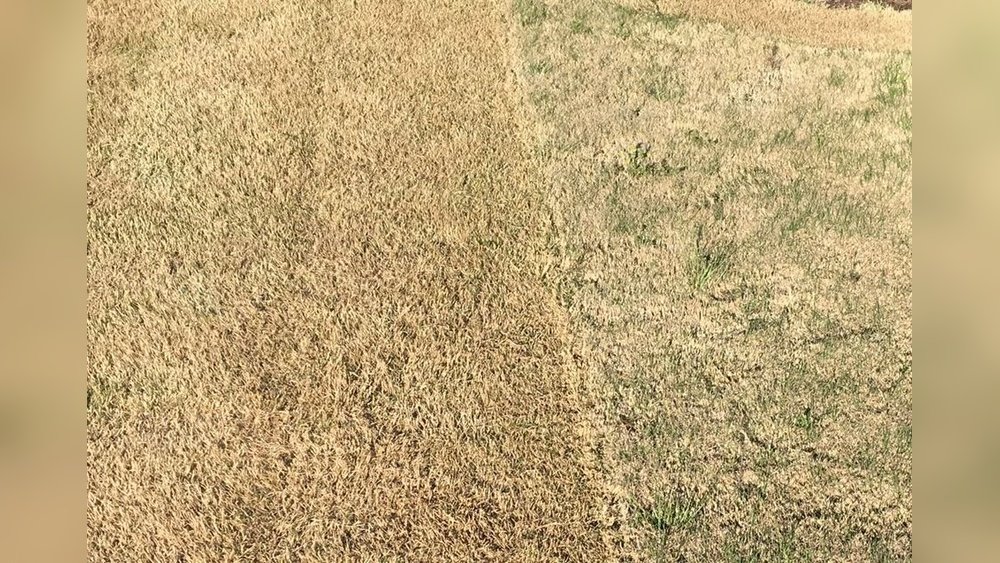
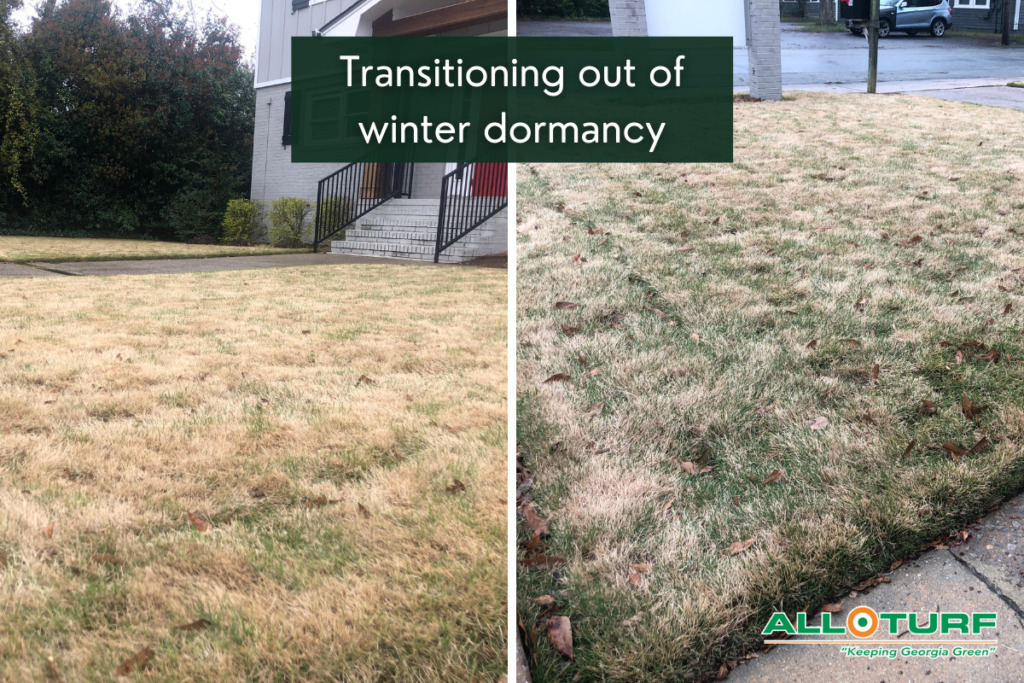
Bermuda grass goes dormant in cold or dry weather. It turns brown and stops growing. Scalping during dormancy removes dead grass and prepares the lawn for new growth. Cutting the grass very short before spring helps it wake up strong and healthy.
Uneven Growth
Uneven growth shows patches of tall, thin, or brown grass. This happens when old grass blocks new shoots. Scalping evens out the lawn by cutting all grass short. It encourages fresh, thick growth and a uniform green look.
Benefits Of Proper Scalping
Proper scalping of Bermuda grass brings several benefits to your lawn’s health and appearance. It helps prepare the grass for a strong growing season. Scalping removes old, dead grass and allows fresh growth to thrive.
Scalping also improves the lawn’s ability to breathe and absorb nutrients. It reduces problems caused by pests and diseases. These benefits combine to create a greener, healthier lawn.
Improved Air Circulation
Scalping cuts back dense grass layers. This opens space between grass blades. Air can move freely around the roots. Good air flow stops moisture build-up. Dry roots resist mold and fungus better. Your Bermuda grass grows stronger with fresh air.
Enhanced Nutrient Absorption
Removing dead grass allows sunlight to reach the soil. Sunlight helps soil microbes break down organic matter. These microbes release nutrients plants need. Scalping also helps fertilizer reach the roots. Healthy roots absorb nutrients faster. This supports thick, green grass growth.
Pest And Disease Control
Old grass can hide insects and fungal spores. Scalping removes this hiding place. Exposing the soil surface makes pests easier to spot. It also lowers the chance of disease spreading. A clean lawn resists damage from bugs and fungus.

Credit: mainstreetmowing.com
Scalping Techniques
Scalping Bermuda grass helps prepare your lawn for new growth. It removes old, dead grass and lets sunlight reach the soil. Knowing the right techniques makes scalping easier and safer for your lawn.
Equipment Selection
Choose a lawn mower with sharp blades for clean cuts. A reel mower works well for precise scalping. Gas or electric mowers can do the job if blades are sharp. Avoid dull blades that can tear the grass. Use a rake or leaf blower to clear clippings after scalping.
Cutting Height Tips
Set the mower to cut Bermuda grass very low. Aim for about 0.5 to 1 inch tall. Cut gradually if grass is tall to avoid stress. Do not scalp too short; it can damage the grass roots. Scalping is best done in early spring or late winter.
Post-scalping Care
Water your lawn lightly after scalping to help recovery. Avoid heavy watering that may cause disease. Apply fertilizer to feed new grass growth. Keep foot traffic low to prevent soil compaction. Watch for weeds and remove them quickly.
Common Mistakes To Avoid
Scalping Bermuda grass can help your lawn grow thick and healthy. Avoid mistakes that can harm your grass. Knowing what not to do saves time and effort. Below are common errors to watch out for when scalping Bermuda grass.
Scalping Too Early
Scalping too early can stress your Bermuda grass. The grass needs to be fully green and growing. Cutting before this weakens the roots. Wait until the grass shows strong growth. Early scalping can slow recovery and cause patchy spots.
Cutting Too Low
Cutting the grass too low removes too much leaf. Grass needs leaves to make food through photosynthesis. Too low cuts can damage the crown of the grass. Keep the blade height at a safe level. This helps the lawn stay healthy and green.
Ignoring Lawn Recovery
After scalping, the lawn needs care to recover. Skipping watering and fertilizing slows down regrowth. Grass needs moisture and nutrients to bounce back. Monitor your lawn for signs of stress. Support your Bermuda grass to grow thick and strong.
Credit: www.allturflawncare.com
Maintenance After Scalping
Scalping Bermuda grass helps remove old blades and prepares the lawn for fresh growth. After scalping, proper care is key to help the grass recover and stay healthy. A good maintenance routine supports new shoots and keeps the lawn green and thick.
Watering Guidelines
Water the lawn deeply but less often. This encourages strong roots. Avoid watering daily to prevent shallow roots. Early morning watering is best. It reduces evaporation and fungal problems. Adjust watering based on weather and soil moisture.
Fertilization Schedule
Apply fertilizer soon after scalping. Choose a balanced fertilizer with nitrogen. It promotes green, healthy growth. Follow the recommended amount on the package. Fertilize every 6 to 8 weeks during the growing season. Stop fertilizing as growth slows in cooler months.
Regular Mowing Practices
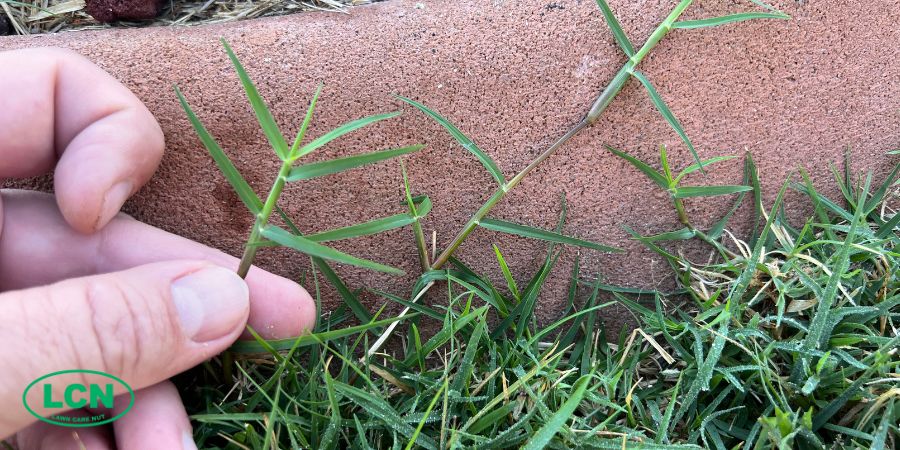
Mow regularly to keep Bermuda grass healthy. Set mower height between 1 to 2 inches. Avoid cutting more than one-third of the grass blade. This reduces stress on the grass. Keep mower blades sharp for a clean cut. Frequent mowing encourages dense, lush turf.
Credit: www.milorganite.com
Frequently Asked Questions
When Is The Best Time To Scalp Bermuda Grass?
The best time to scalp Bermuda grass is in early spring. This helps remove dead grass and promotes fresh growth. Scalp when the grass begins to green up but before it grows tall.
How Often Should You Scalp Bermuda Grass?
Scalping Bermuda grass is typically done once a year. Doing it in early spring prepares the lawn for the growing season. Avoid frequent scalping to prevent stressing the grass.
What Height Should Bermuda Grass Be Before Scalping?
Scalp Bermuda grass when it reaches about 2 to 3 inches tall. Cutting it down to around 0. 5 to 1 inch removes dead material. This encourages healthy, dense turf growth.
Can You Scalp Bermuda Grass In Summer?
Scalping Bermuda grass in summer is not recommended. The grass is actively growing and needs its leaf blades for photosynthesis. Scalping in spring is best for recovery and health.
Conclusion
Scalping Bermuda grass helps it grow thick and healthy. Do it in early spring when grass starts to grow. Cut the grass very short to remove old blades. This lets sunlight reach new shoots easily. Avoid scalping during hot or dry times.
Water and fertilize after scalping for best results. Watch your lawn carefully to know the right time. Good care will keep Bermuda grass green and strong. Simple steps make your lawn look fresh and neat. Try scalping at the right time for a lush lawn.
