

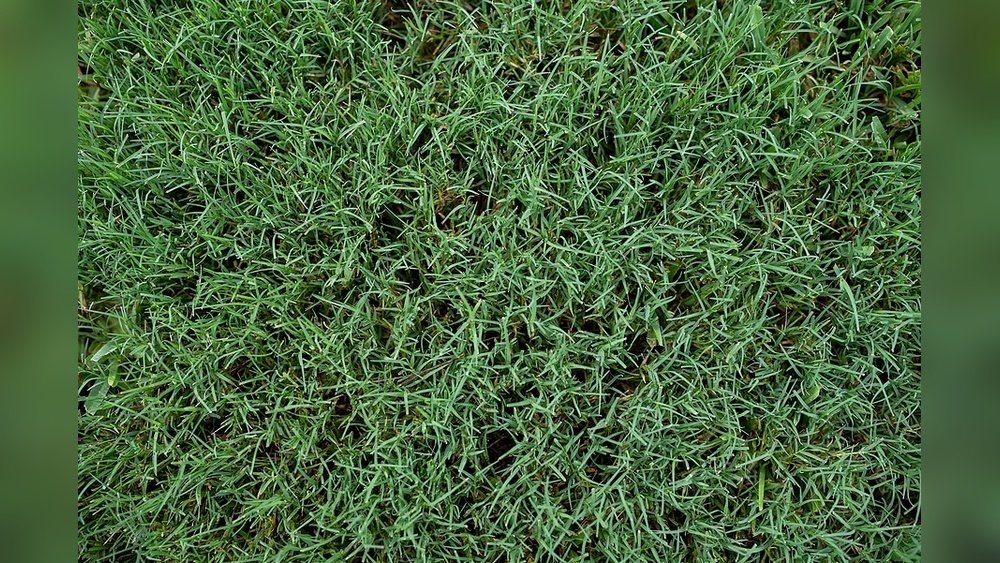
Stop watering Bermuda grass when it enters dormancy in cooler months or after sufficient rainfall. During active growth, water regularly but reduce frequency if the soil stays wet, the grass turns pale, or growth becomes excessive. Adjusting watering based on weather and soil conditions keeps your lawn healthy and prevents damage.
Are you wondering if you’re watering your Bermuda grass too much or too little? Knowing exactly when to stop watering your Bermuda grass can save you time, money, and help your lawn stay healthy and green.
Overwatering can harm your grass, while underwatering can leave it dry and patchy. You’ll discover simple signs and smart tips that tell you the perfect time to ease off the hose. Keep reading to learn how to give your Bermuda grass just the right amount of water it needs to thrive.
Credit: agrilifeextension.tamu.edu
Bermuda Grass Growth Cycle
Bermuda grass follows a clear growth cycle each year. Understanding this cycle helps you water it correctly. Watering at the right time keeps the grass healthy and green. Overwatering or underwatering can harm the lawn.
The growth cycle has two main stages. These are the active growing season and the dormant period. Each stage needs a different watering approach.
Active Growing Season
Bermuda grass grows fast in warm weather. This period starts in late spring and lasts until early fall. The grass needs more water during this time. Regular watering helps the roots grow deep and strong. It also keeps the grass green and thick. Water early in the morning for the best results. Avoid watering at night to stop fungus growth.
Dormant Period
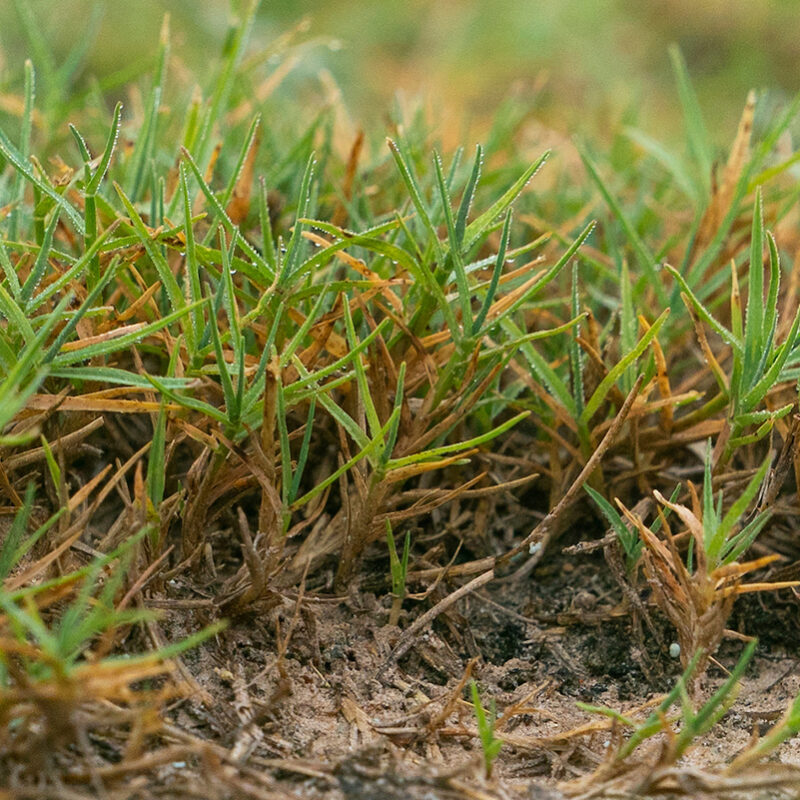
When temperatures drop, Bermuda grass goes dormant. This usually begins in late fall and lasts through winter. The grass turns brown and stops growing. It needs less water during dormancy. Water only if the soil feels dry. Too much water can cause root rot. Let the grass rest until warm weather returns.

Credit: lawnlove.com
Signs Bermuda Grass Needs Less Water
Bermuda grass needs just the right amount of water to stay healthy. Too much water can harm the grass and waste resources. Watch for signs that your Bermuda grass needs less water. These signs help you stop overwatering and keep your lawn green and strong.
Color Changes
Grass that gets too much water may lose its bright green color. It can turn yellow or pale. This color change shows that the roots are not healthy. Overwatered Bermuda grass often looks dull or patchy. Notice any color change to adjust your watering schedule.
Soil Moisture Levels
Check the soil under your grass. If it feels very wet or soggy, the grass is getting too much water. Bermuda grass roots need air as well as water. Soil that stays wet too long can cause root rot. Use a soil moisture meter or dig a small hole to feel the soil.
Growth Rate
Bermuda grass that grows too fast may be overwatered. Excess water makes the grass grow weak and thin. Slow, steady growth is a sign of healthy watering. If your grass grows quickly and looks weak, cut back on watering. Healthy Bermuda grass grows at a moderate pace.
Weather Factors Impacting Watering
Weather plays a big role in deciding when to stop watering Bermuda grass. Changes in temperature, rainfall, and seasons affect the grass’s water needs. Watching these factors helps keep your lawn healthy without wasting water.
Temperature Effects
High temperatures make Bermuda grass grow fast and use more water. During hot days, the grass needs regular watering to stay green. When temperatures drop, the grass slows down. It uses less water and needs less frequent watering. Cold weather can even make the grass go dormant. At this stage, watering should stop or be very light.
Rainfall Considerations
Rain reduces the need to water Bermuda grass. After a good rain, the soil holds enough moisture for several days. Watering right after rain can cause overwatering problems. Watch the rain amount carefully. Light showers may not be enough. Heavy rains can replace many watering sessions. Adjust your schedule based on recent rainfall to avoid water waste.
Seasonal Shifts
Seasons change the grass’s growth cycle. Bermuda grass grows actively in spring and summer. It needs more water during these months. Fall brings cooler weather and slower growth. Watering should decrease gradually. In winter, the grass often becomes dormant. It requires little to no water. Knowing the season helps set the right watering plan.
Watering Best Practices For Bermuda Grass
Watering Bermuda grass correctly helps keep it green and healthy. Too much or too little water can harm the grass. Follow simple best practices to give your Bermuda grass the right care. Understanding how often and how much to water, the best time of day, and avoiding overwatering will make a big difference.
Frequency And Amount
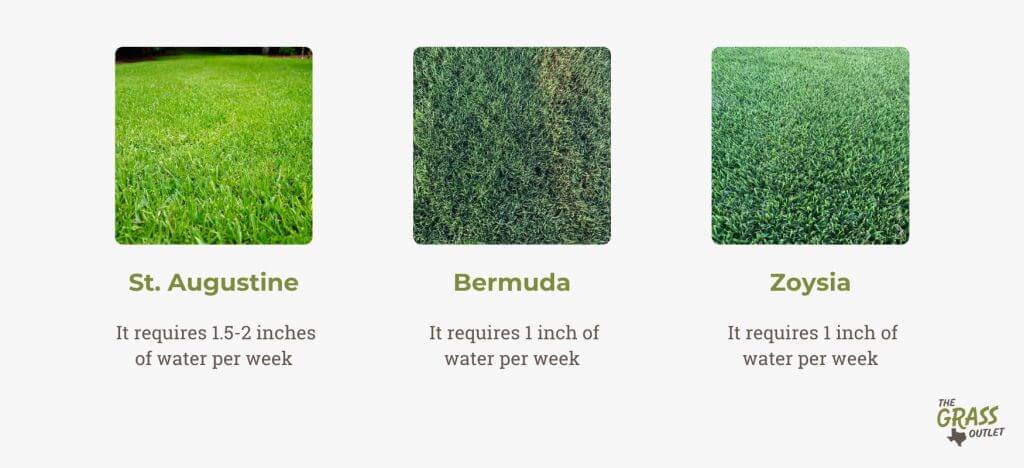
Water Bermuda grass deeply but less often. Give about 1 inch of water each week. This encourages strong roots. Water in 2 or 3 sessions instead of daily light watering. Adjust based on weather and soil type. During hot, dry days, increase watering slightly.
Time Of Day
Water early in the morning before sunrise. This reduces evaporation and allows grass to dry. Avoid watering in the heat of midday. Evening watering can leave grass wet overnight. Wet grass overnight may cause disease.
Avoiding Overwatering
Too much water harms Bermuda grass roots. It creates shallow roots and weak grass. Check soil moisture before watering again. Stop watering if soil feels damp 2 inches below surface. Overwatering wastes water and invites pests.
Adjusting Watering Schedule
Adjusting your watering schedule for Bermuda grass is key to keeping it healthy all year. The grass needs less water as temperatures drop and more when it warms up. Watering too much or too little can harm the lawn. Paying attention to the grass’s growth cycle helps you know when to water less or more.
Transitioning Into Dormancy
As fall arrives, Bermuda grass starts to slow down. Growth reduces and the grass uses less water. Water less often but keep the soil moist. Stop watering deeply to avoid encouraging growth. This helps the grass prepare to rest during cold months.
Preparing For Winter
Before winter, reduce watering significantly. The grass stops growing and needs very little water. Water only when the soil feels dry. Avoid watering during freezing temperatures to prevent damage. This step helps the grass survive the cold season.
Spring Revival
When temperatures rise, Bermuda grass wakes up from dormancy. Start watering more as the grass begins to grow. Increase watering gradually to support new growth. Keep soil moist but not soggy. This helps the grass green up quickly and stay healthy.
Credit: thegrassoutlet.com
Common Mistakes To Avoid
Knowing when to stop watering Bermuda grass is key to keeping it healthy. Many people make simple mistakes that can harm their lawn. Avoiding these errors helps save water and keeps the grass strong through seasons.
Watering Too Late In Season
Continuing to water Bermuda grass late in the season can cause problems. The grass starts to go dormant as temperatures drop. Watering during dormancy can lead to root rot and disease. It also wastes water and energy. Stop watering when the grass stops growing actively.
Ignoring Soil Conditions
Soil type affects how long you should water Bermuda grass. Sandy soil drains quickly and may need more frequent watering early in the season. Clay soil holds water longer, so less watering is needed. Checking soil moisture helps decide when to stop watering. Do not water if the soil is still moist.
Overdependence On Irrigation Systems
Relying only on automatic sprinklers can cause overwatering. These systems may not adjust to weather changes or soil needs. Manually check the lawn and soil before watering. Turn off irrigation when natural rain is enough. Balancing system use with observation protects the grass and saves water.
Frequently Asked Questions
When Is The Best Time To Stop Watering Bermuda Grass?
Stop watering Bermuda grass in late fall when it enters dormancy. Reduced watering prevents overhydration and promotes healthy root rest during winter.
How Does Seasonal Change Affect Watering Bermuda Grass?
Seasonal changes slow Bermuda grass growth. Water less in cooler months to avoid root rot and fungal issues. Adjust watering with temperature shifts.
Can Overwatering Harm Bermuda Grass In Colder Months?
Yes, overwatering in cold months causes root rot and disease. Bermuda grass needs minimal water during dormancy to stay healthy and conserve energy.
What Signs Indicate Bermuda Grass Needs Less Water?
Yellowing, soggy soil, or mold on grass signal overwatering. Reduce watering frequency when Bermuda grass slows growth or changes color in fall.
Conclusion
Stopping watering Bermuda grass at the right time saves water and helps grass stay healthy. Watch for signs like slower growth and color change. Let the grass rest during cooler months to avoid overwatering. Adjust watering based on weather and soil moisture.
This way, your lawn stays green without wasting water. Taking care of Bermuda grass with proper watering keeps your yard neat and strong. Simple steps make a big difference. Remember, less can be more when caring for Bermuda grass.
