
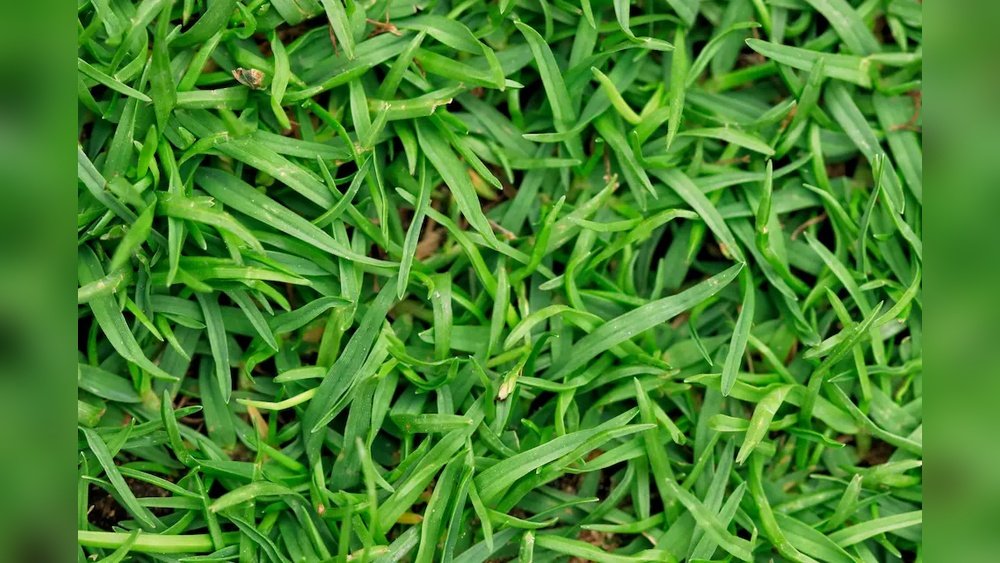
The best time to aerate Bermuda grass in North Carolina is during spring or early summer when the grass is actively growing. Aerating during these seasons helps reduce soil compaction, improves nutrient absorption, and supports strong root development for a healthier, greener lawn. Avoid aerating in fall or winter when growth slows down.
Are you wondering when to aerate your Bermuda grass in North Carolina? Timing is everything if you want a lush, green lawn that stands out.
Aerating at the right moment can help your grass breathe, absorb nutrients better, and grow stronger. But do it too early or too late, and you might not see the results you’re hoping for. Keep reading to discover the perfect time to aerate your Bermuda grass and give your lawn the care it truly deserves.
Best Time To Aerate Bermuda Grass
Knowing the best time to aerate Bermuda grass in North Carolina helps keep your lawn healthy. Aeration lets air, water, and nutrients reach the roots easily. This process reduces soil compaction and improves growth. Timing aeration right supports a green, thick lawn all year.
Ideal Seasons For Aeration
Spring and early summer are the best seasons to aerate Bermuda grass. The grass grows fast during these months and recovers quickly. Aerating in spring helps prepare the lawn for hot summer days. Avoid aerating in fall or winter because the grass grows slowly then. Aerate during active growth for the best results.
Signs Your Lawn Needs Aeration
Look for hard, compacted soil as a sign your lawn needs aeration. Water pooling or runoff after rain shows poor soil drainage. Thin or patchy grass also means the soil may be tight. If your lawn feels spongy when walked on, aeration can help. These signs mean it is time to aerate Bermuda grass.
Benefits Of Aerating Bermuda Grass
Aerating Bermuda grass in North Carolina helps your lawn stay healthy and strong. It makes the soil better for grass roots to grow. Aeration creates small holes in the soil. These holes allow air, water, and nutrients to reach deep into the ground. This process helps Bermuda grass grow thicker and greener. It also helps the grass fight diseases and heat stress. Below are the main benefits of aerating Bermuda grass.
Improved Soil Health
Aeration improves soil by increasing air flow. Grass roots need air to grow well. Without enough air, roots can weaken. The small holes help oxygen reach deep into the soil. This makes the soil a better place for roots. Aeration also helps beneficial soil organisms live and work. These organisms break down dead plant material. This process adds natural nutrients to the soil.
Enhanced Nutrient Absorption
Aeration helps grass absorb more nutrients from the soil. The holes allow water and fertilizer to reach the roots easily. This means the grass gets more food to grow strong. Nutrients stay in the soil longer and do not wash away. Healthy roots take in nutrients faster. This leads to greener and thicker Bermuda grass.
Reduced Soil Compaction
Soil compaction happens when soil becomes hard and dense. Hard soil stops water and air from reaching grass roots. Aeration breaks up this hard soil. It creates space for roots to spread. This makes it easier for water to soak in. It also helps the grass survive dry weather. Reducing soil compaction keeps Bermuda grass healthy for a long time.
Aeration Methods For Bermuda Grass
Aerating Bermuda grass improves soil health and helps grass grow strong. It reduces soil compaction and lets air, water, and nutrients reach the roots. Different aeration methods work best depending on your lawn’s needs and equipment availability. Understanding these methods helps you choose the right one for your Bermuda grass in North Carolina.
Core Aeration
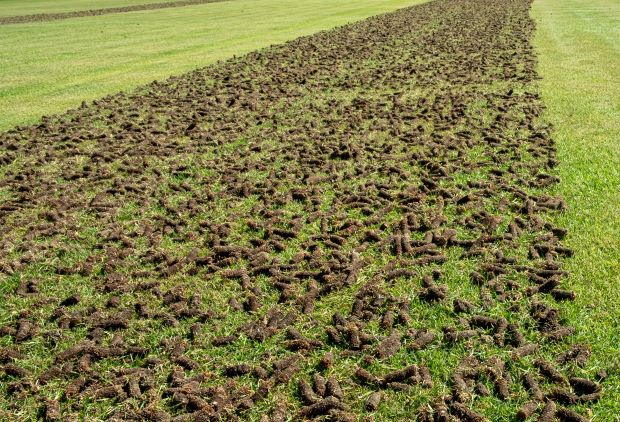
Core aeration removes small plugs of soil from the lawn. This creates space for air and water to reach the roots. It helps break up compacted soil and promotes better root growth. Core aeration is very effective for thick, healthy Bermuda grass. It also improves soil drainage and reduces thatch buildup.
Spike Aeration
Spike aeration uses solid spikes to poke holes in the soil. It is a quicker method but less effective than core aeration. Spike aeration helps improve air and water movement slightly. It can be useful for lawns with light soil compaction. Avoid spike aeration on very hard soil because it can worsen compaction.
Choosing The Right Equipment
Choose equipment based on lawn size and soil condition. Core aerators are best for large lawns and heavy soil. Spike aerators work for small lawns with light compaction. Renting aerators is an affordable option for homeowners. Use sharp, well-maintained tools for best results. Always follow proper aeration depth for Bermuda grass health.
Credit: rdslawncare.com
Step-by-step Aeration Process
Aerating Bermuda grass helps the lawn breathe and grow strong. It reduces soil compaction and lets water, air, and nutrients reach the roots. Follow this simple step-by-step process to aerate your Bermuda grass in North Carolina successfully. Each step ensures your lawn stays healthy and green all season.
Preparing Your Lawn
Start by mowing your Bermuda grass short. Remove any debris like leaves or sticks. Water the lawn lightly a day before aeration. The soil should be moist but not soggy. This makes it easier for the aerator to pull plugs from the ground.
Performing Aeration
Use a core aerator for the best results. Push the machine evenly over the lawn in rows. The aerator pulls small plugs of soil from the ground. Space the holes about 2 to 4 inches apart. Cover the entire lawn area. Avoid walking on the lawn while aerating.
Post-aeration Care
Leave the soil plugs on the lawn. They break down and add nutrients back into the soil. Water the lawn deeply after aeration. This helps the soil settle and roots absorb moisture. Avoid heavy foot traffic for a few days. Fertilize the lawn to support new growth.
Common Mistakes To Avoid
Aerating Bermuda grass in North Carolina helps your lawn grow strong and healthy. Avoiding common mistakes keeps your lawn safe and thriving. These errors can waste time and harm your grass. Know what to watch for before aerating.
Aerating At The Wrong Time
Aerating too early or too late can hurt your Bermuda grass. The best time is during active growth, usually late spring to early summer. Aerating when the grass is dormant slows recovery and weakens roots. Check the weather and soil temperature before aerating.
Over-aerating Your Lawn
Too much aeration damages the soil and grass roots. It creates stress and leaves the lawn vulnerable to disease. Aerate only once or twice a year for Bermuda grass. Excess aeration wastes effort and harms the grass structure.
Ignoring Soil Conditions
Dry or overly wet soil affects aeration results. Aerating hard, dry soil can crack roots. Wet soil compacts easily and does not aerate well. Test your soil moisture before aeration. Proper soil conditions ensure better air and water flow.

Credit: rdslawncare.com
Additional Lawn Care Tips For Bermuda Grass
Taking care of Bermuda grass in North Carolina involves more than just aeration. Good lawn care helps the grass grow thick and green. Knowing the right watering, fertilizing, and mowing methods keeps your lawn healthy all year.
Proper Watering Techniques
Water Bermuda grass deeply but less often. This encourages strong roots. Early morning is the best time to water. Avoid watering in the heat of the day to reduce evaporation. Aim for about one inch of water per week. Use a sprinkler to spread water evenly.
Fertilizing Schedule
Fertilize Bermuda grass during its active growing season. Start in late spring and stop in early fall. Use a balanced fertilizer with nitrogen, phosphorus, and potassium. Follow the instructions on the package carefully. Too much fertilizer can harm your lawn. Spread fertilizer evenly for best results.
Mowing Best Practices
Keep your mower blades sharp for clean cuts. Set the mower height between one and two inches. Never cut more than one-third of the grass blade at once. Mow regularly to avoid stressing the grass. Leave grass clippings on the lawn to return nutrients to the soil.

Credit: cleancutlandscaping.us
Frequently Asked Questions
When Is The Best Time To Aerate Bermuda Grass In Nc?
The best time to aerate Bermuda grass in North Carolina is late spring to early summer. This period supports healthy growth and recovery. Aerate when the grass is actively growing to ensure quick repair and nutrient absorption.
How Often Should Bermuda Grass Be Aerated In Nc?
Bermuda grass in NC should be aerated once a year. Annual aeration prevents soil compaction and promotes root health. If the soil is heavily compacted, aerate twice a year for optimal results.
What Are The Signs That Bermuda Grass Needs Aeration?
Bermuda grass needs aeration if the soil is hard, water pools, or the grass looks stressed. Compacted soil limits root growth and nutrient uptake. Aeration improves air, water, and nutrient flow to the roots.
Can I Aerate Bermuda Grass During Summer In Nc?
Aerating Bermuda grass during summer in NC is possible but not ideal. Summer heat can stress the grass. Aerate early summer when the grass is strong to avoid damage and ensure quick recovery.
Conclusion
Aerating Bermuda grass in North Carolina helps your lawn grow strong. The best time is late spring to early summer. This timing supports root growth and nutrient absorption. Aeration reduces soil compaction and lets air reach the roots. Keep your grass healthy by aerating yearly.
Regular care makes your lawn green and thick. Remember, healthy soil means a healthy lawn. Follow these tips to keep your Bermuda grass thriving all year. Simple steps lead to a beautiful lawn you can enjoy.
