


Planting Bermuda grass sprigs is straightforward when you choose healthy sprigs, prepare your soil properly, and plant at the right time. Space sprigs 6 to 12 inches apart, plant them 1 to 2 inches deep, and keep the soil moist. This approach encourages strong roots and a thick, green lawn.
Are you ready to transform your lawn into a lush, green paradise? Planting Bermuda grass sprigs is one of the best ways to achieve a healthy, vibrant yard that stands out.
But you might be wondering where to start or how to make sure your grass grows thick and strong. Don’t worry—you’re in the right place. This guide will walk you through simple, step-by-step instructions so you can confidently plant your Bermuda grass sprigs and enjoy a beautiful lawn all season long.
Let’s get your grass growing!
Choosing Bermuda Grass Sprigs
Choosing the right Bermuda grass sprigs is important for a healthy lawn. Good sprigs grow fast and resist pests. The quality of sprigs affects how your lawn looks and feels. Consider the variety, source, and planting time carefully. These factors help your grass grow strong and green.
Best Varieties For Lawns
Some Bermuda grass types work better for lawns than others. Common varieties include Common Bermuda, Tifway 419, and Celebration. Common Bermuda is tough and easy to grow. Tifway 419 is dense and soft, ideal for sports fields. Celebration offers dark green color and shade tolerance. Choose a variety that fits your climate and lawn use.
Where To Buy Healthy Sprigs
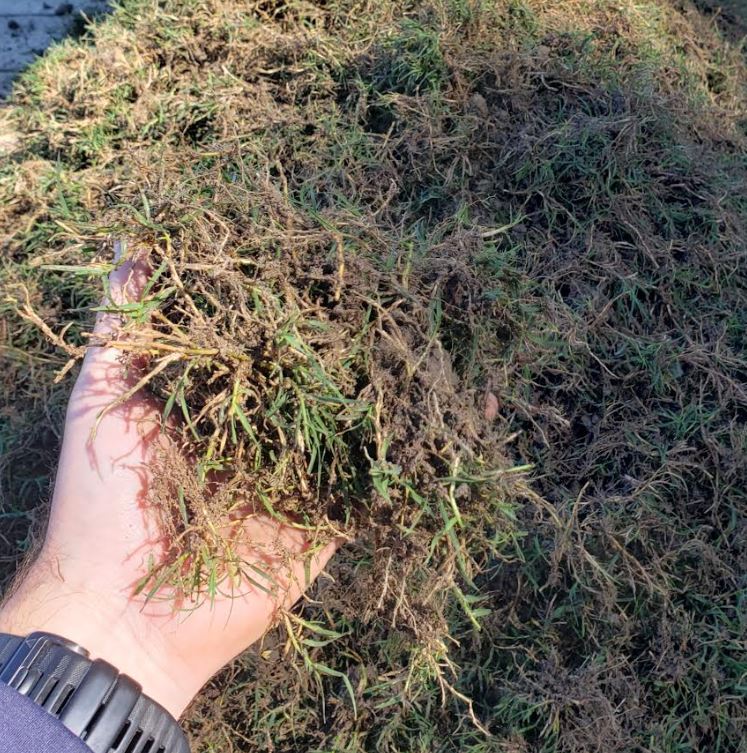
Healthy sprigs come from trusted nurseries or garden centers. Avoid buying sprigs that look dry or have yellow leaves. Check if the sprigs are free from pests and diseases. Buying from local sources ensures sprigs match your climate. Ask for advice about the best sprigs for your area.
Timing For Planting
Plant Bermuda grass sprigs in warm weather for best growth. Late spring to early summer is ideal. The soil should be warm, at least 65°F (18°C). Planting too early slows growth and risks frost damage. Planting during active growth helps sprigs root quickly. Water the sprigs right after planting to keep them moist.
Preparing Your Lawn
Preparing your lawn is a key step before planting Bermuda grass sprigs. Good preparation helps the grass grow strong and healthy. It also makes sure the sprigs take root quickly. Follow these steps to get your lawn ready for planting.
Clearing And Cleaning The Area
Start by removing old grass, weeds, and debris. Clear rocks, sticks, and trash from the area. This gives your Bermuda sprigs space to grow. Use a rake or shovel to clean the soil surface. Clean soil helps roots spread easily.
Soil Testing And Conditioning
Test the soil to know its pH and nutrient levels. Bermuda grass prefers soil with a pH between 5.8 and 7.0. Adjust the soil using lime to raise pH or sulfur to lower it. Add compost or fertilizer to improve soil nutrition. Healthy soil supports strong grass growth.
Leveling And Tilling
Level the ground to prevent water pooling. Use a rake or lawn roller to smooth the surface. Till the soil to a depth of 4 to 6 inches. Tilling loosens compacted soil and improves air flow. This helps Bermuda sprigs root deeply and grow well.
Planting Techniques
Planting Bermuda grass sprigs correctly helps create a healthy lawn. It needs the right techniques to grow strong roots and spread fast. Follow these simple steps to plant sprigs that will thrive in your yard.
Spacing And Depth Guidelines
Plant sprigs about 6 to 12 inches apart for good coverage. Too close can cause overcrowding; too far slows growth. Push sprigs into soil about 1 to 2 inches deep. This depth keeps them stable and helps roots reach moisture.
Planting Methods
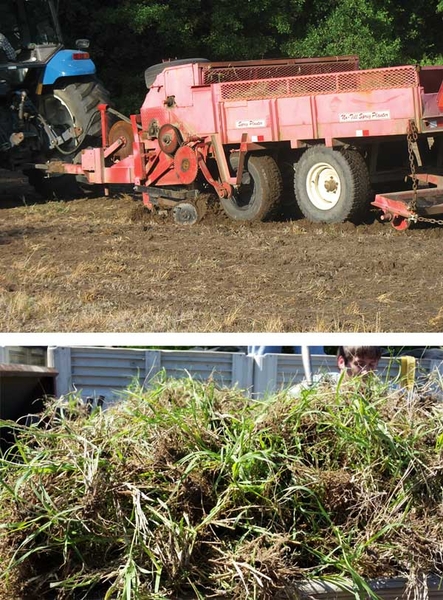
Use either hand planting or a mechanical sprig planter. Hand planting works well for small areas. Place sprigs with buds facing up and cover with soil. For large lawns, a sprig planter speeds up the process. Both methods need firm soil contact.
Watering Right After Planting
Water the sprigs gently but deeply right after planting. This helps soil settle around roots. Keep soil moist for the next two weeks. Avoid heavy watering that causes runoff. Light, frequent watering encourages strong root growth.

Credit: thegrassoutlet.com
Caring For New Sprigs
Caring for new Bermuda grass sprigs is key to growing a healthy lawn. These young plants need special attention to take root and spread well. Proper care helps them survive and grow strong in the early days.
Water, nutrients, and protection from weeds and pests make all the difference. Follow a clear plan to keep your sprigs healthy and green. Start with simple steps to ensure good growth.
Watering Schedule
New Bermuda sprigs need frequent watering. Water them lightly every day for the first two weeks. Keep the soil moist but not soaked. After two weeks, reduce watering to every other day. Once the sprigs root deeply, water twice a week. Early morning watering works best to avoid evaporation. Consistent moisture helps roots grow deep and strong.
Fertilizing Tips
Use a fertilizer with nitrogen to help sprigs grow. Apply a light dose two weeks after planting. Avoid heavy fertilizing as it can harm young sprigs. Repeat fertilizing every 4-6 weeks during the growing season. Choose a slow-release fertilizer for steady feeding. Always water after fertilizing to prevent burning. Good nutrition supports thick, green grass growth.
Weed And Pest Control
Keep the area free from weeds that compete for nutrients. Remove weeds by hand to avoid harming sprigs. Avoid using harsh herbicides on new grass. Check for pests like grubs or insects regularly. Use natural pest control methods when possible. Healthy sprigs resist pests better. Clean surroundings reduce risks of damage and disease.
Troubleshooting Common Issues
Planting Bermuda grass sprigs can sometimes bring challenges. Knowing how to fix common problems helps keep your lawn healthy. Troubleshooting early makes your grass grow thick and green. Below are tips for handling frequent issues with Bermuda grass sprigs.
Dealing With Patchy Growth
Patchy growth happens when sprigs do not spread evenly. Check soil moisture; dry spots slow growth. Add more sprigs to bare areas and water daily. Avoid heavy foot traffic on new sprigs to prevent damage. Fertilize the lawn with nitrogen to boost growth. Patience is key; Bermuda grass takes time to fill in.
Handling Drought Stress
Bermuda grass needs water to stay healthy. Drought stress causes brown, dry patches in your lawn. Water deeply early in the morning to reach roots. Avoid shallow watering that dries quickly. Mulching around sprigs helps keep soil moist longer. Reduce lawn use during hot, dry spells to protect grass.
Preventing Disease
Diseases can harm young Bermuda grass sprigs. Keep grass trimmed to improve air flow and reduce moisture. Water the lawn at the base to avoid wet leaves. Remove dead grass and debris to stop fungal growth. Use disease-resistant Bermuda grass varieties if possible. Treat affected areas quickly with fungicides for best results.
Credit: content.ces.ncsu.edu
Maintaining A Lush Bermuda Lawn
Maintaining a lush Bermuda lawn requires regular care and attention. This grass thrives with proper mowing, seasonal care, and long-term health practices. Consistency is key to keeping the lawn green and healthy.
Mowing Best Practices
Cut Bermuda grass regularly to about 1 to 2 inches high. Use a sharp mower blade for clean cuts. Avoid cutting more than one-third of the grass height at once. Mow frequently during the growing season to prevent stress. Grass clippings can stay on the lawn to add nutrients.
Seasonal Care Adjustments
Adjust care based on the season for best results. Water deeply but less often in hot months. Reduce watering in cooler months to avoid overwatering. Fertilize in spring and summer with a nitrogen-rich fertilizer. Stop fertilizing before frost to prepare the grass for winter.
Long-term Lawn Health
Test soil every few years to check nutrient levels. Aerate the lawn yearly to improve root growth and water absorption. Control weeds early to prevent them from spreading. Overseed bare patches with Bermuda sprigs to keep the lawn dense. Regular care builds a strong, resilient lawn over time.
Credit: plantsod.com
Frequently Asked Questions
What Is The Best Time To Plant Bermuda Grass Sprigs?
The best time to plant Bermuda grass sprigs is late spring to early summer. Warm soil temperatures above 65°F help sprigs root quickly. Planting during this period ensures faster growth and better establishment.
How Deep Should Bermuda Grass Sprigs Be Planted?
Plant Bermuda grass sprigs about 1 to 2 inches deep. This depth protects sprigs from drying out while allowing roots to grow easily. Avoid planting too deep, which can hinder sprout development.
How Often Should Bermuda Grass Sprigs Be Watered?
Water newly planted sprigs daily for the first two weeks. Keep the soil consistently moist but not waterlogged. After establishment, reduce watering to 2-3 times per week to encourage deep root growth.
How Long Does Bermuda Grass Sprigs Take To Grow?
Bermuda grass sprigs typically establish within 3 to 4 weeks. Full lawn coverage may take 6 to 8 weeks depending on weather and care. Proper watering and fertilizing speed up growth.
Conclusion
Planting Bermuda grass sprigs takes patience and care. Keep the soil moist for healthy growth. Choose a sunny spot for best results. Watch the sprigs fill in and spread quickly. Regular watering and mowing help the grass stay thick. Enjoy a green, lush lawn that looks great.
Simple steps bring a strong, healthy Bermuda lawn. Your effort will pay off with a beautiful yard. Start planting today and see your grass grow!
