

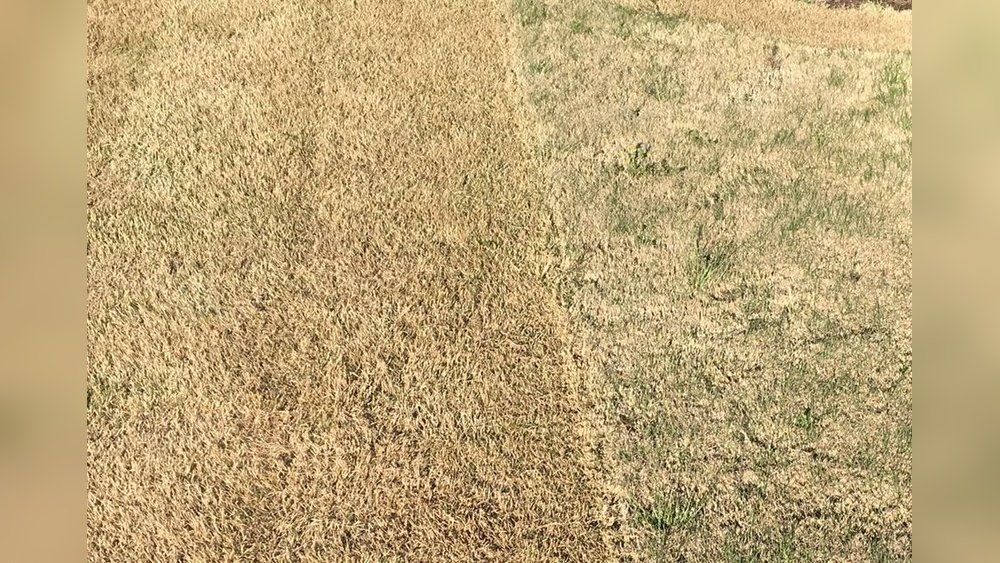
Scalping Bermuda grass in spring can boost lawn health by removing dead blades and winter debris, allowing sunlight to reach the soil. Done at the right time, it encourages thicker, greener growth and prepares the grass for warm weather. However, timing and technique are crucial to avoid damaging your lawn.
Are you wondering if you should scalp your Bermuda grass this spring? Getting your lawn ready for the warmer months can be tricky.
Scalp too much, and you risk damaging your grass. Do it right, and your lawn will come back thicker, greener, and healthier. You’ll discover what scalp mowing really means, why it might be the secret to a stunning lawn, and how to do it without causing harm.
Keep reading to make sure your Bermuda grass thrives this season.
Benefits Of Scalp Bermuda Grass
Scalping Bermuda grass in the spring offers several important benefits for lawn health. Cutting the grass very short helps the lawn recover from winter damage. It also prepares the grass for strong growth during the warm months ahead. These benefits make scalp mowing a useful lawn care practice.
Understanding these advantages can help you decide if scalping is right for your Bermuda grass.
Promotes Healthy Growth
Scalping removes old, dead grass blades. This allows sunlight to reach the soil better. More sunlight helps new shoots grow faster. The grass becomes thicker and greener. A healthy lawn resists weeds and disease more easily.
Removes Winter Debris
Winter leaves debris on the lawn surface. Dead grass, leaves, and thatch can block air and water. Scalping clears away this buildup. The lawn breathes better and absorbs water well. This cleans the lawn and improves soil health.
Prepares Lawn For Warmer Months
Scalping prepares Bermuda grass for spring and summer heat. Short grass heats the soil and encourages root growth. Strong roots help the grass survive dry periods. The lawn looks fresh and ready for active growth.

Credit: mainstreetmowing.com
Ideal Timing For Scalp
Knowing the right time to scalp Bermuda grass in spring helps keep your lawn healthy. Scalp too early, and the grass may weaken. Wait too long, and you miss the chance to encourage strong growth. Proper timing ensures your lawn recovers quickly and looks its best all season.
Signs Bermuda Grass Is Ready
Watch for new green shoots pushing through the soil. The grass should be growing actively. The soil temperature should reach around 65°F (18°C) or higher. When you see at least half the grass turning green, it is ready. Dry, brown patches should start disappearing. These signs mean the grass has left dormancy.
Best Spring Weeks To Scalp
Scalping usually works well between late March and early May. This period varies by location and weather. Aim for a time when nights stay warm above 50°F (10°C). Avoid scalp during heavy rain or drought. Choose a clear, dry day with mild temperatures. This timing helps the grass grow back strong fast.
Tools And Techniques
Scalping Bermuda grass in spring needs the right tools and methods. Proper preparation helps the lawn grow healthy and green. Using the right mower settings and following clear steps makes scalping easier and safer for your grass.
Choosing The Right Mower Settings
Set your mower blade height low for scalping. Lower settings remove dead grass and old thatch. Most mowers have adjustable heights. Pick the lowest or second-lowest setting. Make sure blades are sharp for a clean cut. Dull blades tear grass and cause damage. Check your mower before starting. Adjust speed to slow for better control.
Step-by-step Scalping Process
Start by mowing your lawn at the chosen height. Move in straight lines for even cutting. Overlap each pass slightly to avoid missed spots. Rake up clippings and dead grass after mowing. This clears space for new growth and sunlight. Water your lawn lightly after scalping. Avoid heavy watering until grass begins to grow. Keep your mower blades clean during the process. Clean blades cut better and last longer.
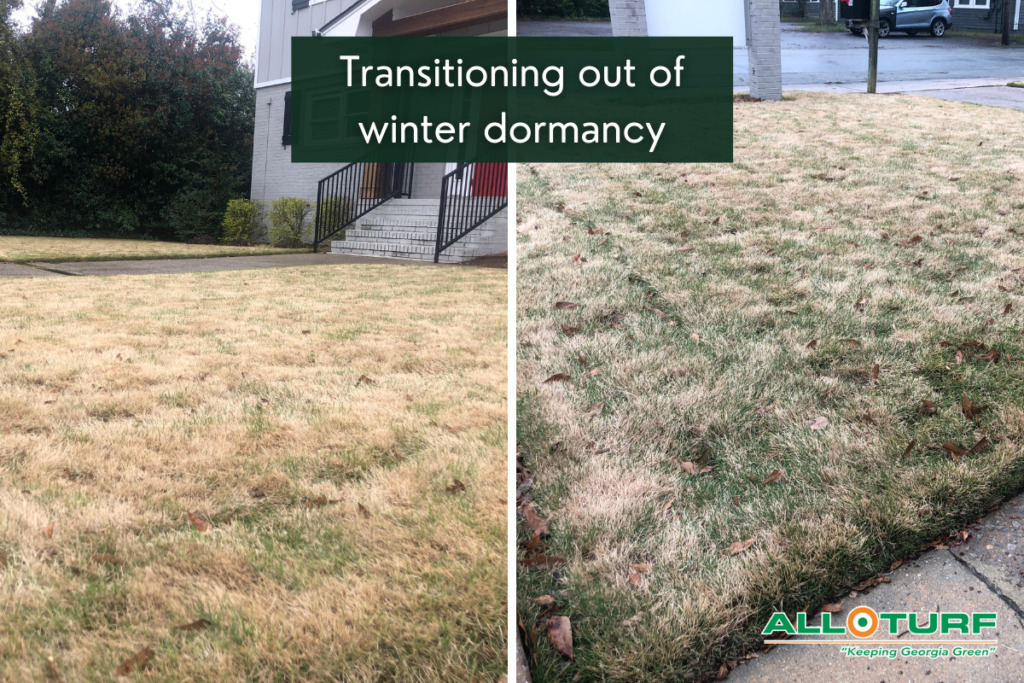
Credit: www.allturflawncare.com
Post-scalping Care
After scalping Bermuda grass in spring, care is crucial. This step helps the grass grow healthy and strong. Proper care supports quick recovery and lush green color. Neglect can lead to weak grass and more weeds.
Watering And Fertilizing Tips
Water the lawn deeply but not too often. Deep watering helps roots grow deeper. Water early in the morning to avoid disease. Use a balanced fertilizer to provide nutrients. Apply fertilizer after scalping and watering. Avoid over-fertilizing, which can harm the grass.
Managing Weeds And Pests
Scalping exposes soil, inviting weeds and pests. Remove weeds quickly before they spread. Use safe herbicides if needed, following instructions carefully. Check the grass for pests like grubs or chinch bugs. Treat infestations early to prevent damage. Healthy grass resists pests better.
Common Mistakes To Avoid
Scalping Bermuda grass in spring can improve lawn health but many make mistakes. Avoiding common errors ensures your grass grows strong and green. Pay attention to timing and cutting height to protect your lawn.
Scalping Too Early Or Late
Scalping too early can stress the grass. The soil is still cold and grass roots are weak. Grass may not recover well, leading to bare spots. Scalping too late misses the chance to remove winter debris. Old grass blades block sunlight from new growth. Aim to scalp when soil temperatures reach about 65°F. This timing supports healthy regrowth and a lush lawn.
Cutting Grass Too Short
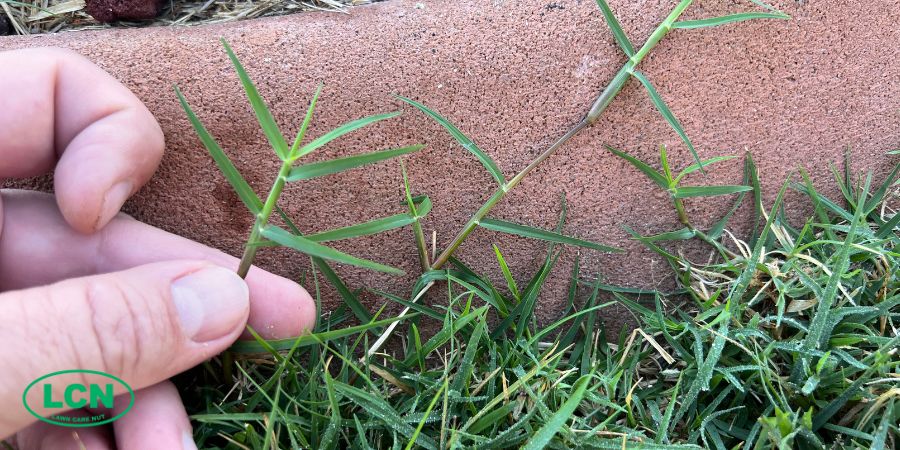
Cutting Bermuda grass too short damages its growth points. Grass blades protect the crown where new shoots grow. Cutting below 1 inch can cause stress and slow recovery. Leave some leaf blade to keep grass healthy and green. A height of 1 to 1.5 inches is ideal after scalping. This balance helps the lawn fill in quickly and resist weeds.
Credit: www.milorganite.com
Alternatives To Scalping
Scalping Bermuda grass is not the only way to prepare your lawn in spring. There are safer and effective alternatives. These methods help keep your lawn healthy and green without stressing the grass. Let’s explore some easy options to care for your Bermuda grass.
Regular Mowing Practices
Mow your Bermuda grass regularly at the right height. Keep the mower blades sharp for clean cuts. Avoid cutting more than one-third of the grass blade at a time. This prevents damage and helps the grass grow strong. Regular mowing encourages thick growth and reduces weeds.
Overseeding For Thicker Lawn
Overseeding adds new grass seeds to your lawn. It fills in bare spots and makes the lawn denser. Choose Bermuda grass seed that matches your current lawn. Spread seeds evenly in early spring or fall. Water the area gently and keep the soil moist until seeds sprout.
Frequently Asked Questions
Should You Scalp Bermuda Grass In Early Spring?
Yes, scalping Bermuda grass in early spring removes dead growth and promotes healthy new shoots. It prepares the lawn for vigorous growth during warmer months.
How Low Should Bermuda Grass Be Cut When Scalping?
Cut Bermuda grass down to about 0. 5 to 1 inch when scalping. This height removes dead material without harming the crown of the grass.
What Are The Benefits Of Scalping Bermuda Grass?
Scalping improves sunlight penetration, air circulation, and nutrient absorption. It helps the grass recover faster and reduces thatch buildup for a healthier lawn.
When Is The Best Time To Scalp Bermuda Grass?
The best time to scalp Bermuda grass is just before it begins active spring growth. This timing ensures the lawn recovers quickly and grows dense and green.
Conclusion
Scalping Bermuda grass in spring helps it grow thick and healthy. Cutting the grass very short removes dead blades and lets sunlight reach new shoots. This practice also reduces weeds and promotes strong root growth. Be careful not to scalp too early, or the grass may weaken.
Wait until the grass starts growing actively for best results. Regular mowing after scalping keeps your lawn neat and green. Try scalping this spring for a lush and healthy Bermuda grass lawn.
