
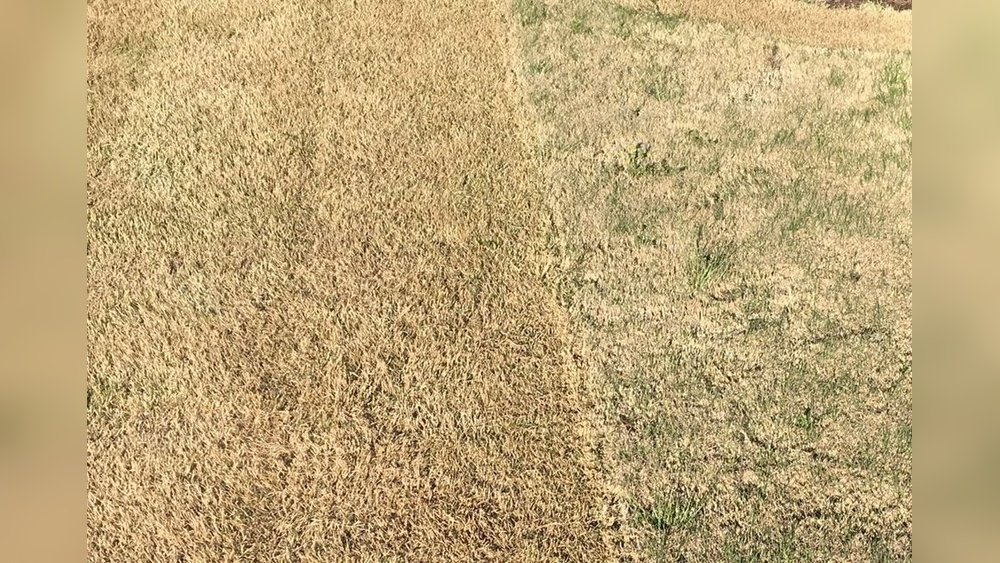
The best time to scalp Bermuda grass is in late spring or early summer when the grass is actively growing. Scalping during this period helps remove old growth, reduce thatch, and encourage fresh shoots without stressing the lawn. Avoid scalping in cooler months to prevent damage.
Are you wondering when the best time is to scalp your Bermuda grass? Knowing exactly when to scalp can make a huge difference in the health and appearance of your lawn.
If you scalp too early or too late, you might end up stressing your grass instead of helping it grow strong and lush. You’ll discover the perfect timing and simple tips to scalp your Bermuda grass like a pro. Keep reading to give your lawn the fresh start it deserves!
Benefits Of Scalp Bermuda Grass
Scalping Bermuda grass means cutting it very short at the right time. This practice helps keep the lawn healthy and green. It clears old grass blades and opens the soil to sunlight and air. Many lawn owners scalp their Bermuda grass to boost its growth and strength. Understanding the benefits shows why scalping is important for your lawn care routine.
Improving Lawn Health
Scalping removes dead and weak grass blades. This makes the lawn cleaner and less crowded. Air and sunlight reach the roots better. Better air and light help the grass stay strong. Scalping also reduces disease risks by removing old, damaged grass. A healthy lawn grows thicker and looks more vibrant.
Encouraging New Growth
Cutting Bermuda grass very short triggers fresh growth. New shoots grow faster after scalping. The lawn fills in bare spots quickly. Young grass blades are softer and greener. Scalping helps the lawn recover after winter or drought. It prepares the grass for a strong growing season.
Controlling Thatch Buildup
Thatch is a layer of dead grass between soil and green grass. Too much thatch stops water and nutrients from reaching roots. Scalping breaks down thatch by removing the old grass layer. This helps soil absorb water and nutrients better. Managing thatch keeps the lawn healthy and reduces maintenance problems.

Credit: www.youtube.com
Best Time To Scalp Bermuda Grass
Knowing the best time to scalp Bermuda grass helps keep your lawn healthy and green. Scalping removes old grass blades, allowing sunlight and nutrients to reach new shoots. It also helps reduce thatch buildup and encourages fresh growth. Choosing the right moment to scalp is key for a strong lawn.
Seasonal Timing
Scalping works best in late spring or early summer. This period is when Bermuda grass starts growing fast. The grass can recover quickly after scalping. Avoid scalping in fall or winter. The grass grows slowly then, so it may get damaged.
Weather Conditions To Consider
Choose a dry day with mild temperatures. Wet grass can get damaged more easily. Hot weather right after scalping can stress the grass. Wait for a few days of moderate weather to scalp. This helps the lawn recover faster and stay healthy.
Signs Your Lawn Needs Scalping
Look for thick thatch or dead grass on the surface. If the lawn looks dull or patchy, scalping helps. Grass growing unevenly or too tall is another sign. Scalping removes old growth and lets new grass thrive. These signs mean your Bermuda grass will benefit from scalping soon.
Preparing For Scalping
Preparing your Bermuda grass for scalping is important. It helps your lawn recover faster and stay healthy. Taking a few careful steps makes scalping easier and more effective. This guide covers tools, mower settings, and lawn care before scalping.
Tools And Equipment
Use a sharp mower blade for clean cuts. Dull blades tear the grass and cause damage. Check your lawn mower’s condition before scalping. A reel mower or rotary mower works well for Bermuda grass. Have a rake ready to clear clippings after scalping. Consider a grass catcher to keep the lawn tidy.
Mowing Height Settings
Set your mower to the lowest height slowly. Gradually lower it over several mowings before scalping. Start at about 1.5 inches and reduce to 0.5 inches or less. Scalping too low at once can shock the grass. Adjust mower height to avoid cutting stems too short.
Pre-scalping Lawn Care
Water the lawn lightly a day before scalping. Moist soil helps reduce stress on the grass. Avoid heavy watering right before scalping to prevent clumping. Mow your lawn a few days before scalping to remove excess growth. Remove any debris, sticks, or leaves from the grass. Healthy soil and clean grass ensure better scalping results.

Credit: www.willislawnservices.com
Step-by-step Scalping Process
Scalping Bermuda grass helps remove old, dead growth and prepares your lawn for fresh, healthy blades. This process improves sunlight exposure and air flow. It also helps control pests and diseases. Follow a clear step-by-step method to scalp your Bermuda grass safely and effectively.
Initial Mowing Techniques
Start by mowing your Bermuda grass at its regular height. Remove any large debris like sticks or leaves. Next, lower the mower blade gradually over several sessions. Avoid cutting too short in one go to prevent damage. Aim to cut the grass down to about 0.5 inches tall during the final mow. Use a sharp mower blade for a clean cut. This step opens the turf and removes thatch.
Post-scalping Lawn Care
After scalping, rake the lawn to clear out dead grass and thatch. Remove all debris to let air reach the soil. Avoid heavy foot traffic on the lawn for a few days. This helps the grass recover faster. Keep an eye on the grass for signs of stress or pests. Regularly check soil moisture and avoid overwatering.
Watering And Fertilizing Tips
Water the lawn lightly right after scalping to settle the soil. Then, water deeply but less often to encourage strong roots. Apply a balanced fertilizer with nitrogen to promote new growth. Follow the fertilizer instructions carefully to avoid burning the grass. Continue watering and feeding the lawn regularly as it grows back. This keeps your Bermuda grass lush and green.
Common Mistakes To Avoid
Scalping Bermuda grass can improve lawn health when done right. Many homeowners make common mistakes that harm their grass instead. Avoiding these errors helps your lawn grow thick and green. Read about key mistakes to avoid for the best scalp timing and care.
Scalping Too Early Or Late
Scalping too early can weaken grass. The roots might not be strong enough to support cutting. Scalping too late misses the chance to remove old growth. It can block sunlight and slow new shoots. Aim to scalp when grass starts active spring growth. This timing encourages fresh, healthy blades.
Cutting Grass Too Short
Cutting Bermuda grass too short stresses the plant. It reduces leaf area needed for photosynthesis. This weakens the grass and invites weeds. Leave about one inch of grass height after scalping. This balance helps grass recover quickly and stay healthy.
Ignoring Lawn Recovery Needs
Scalping stresses Bermuda grass. It needs water and nutrients to bounce back. Skipping watering or fertilizing slows recovery and causes damage. Water deeply after scalping to keep roots moist. Apply a balanced fertilizer to support strong regrowth. Give your lawn time to heal before heavy use.
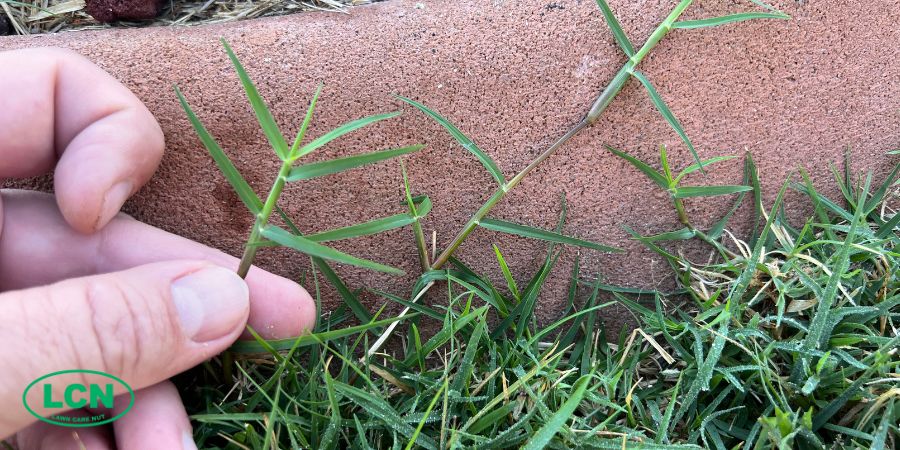
Credit: www.milorganite.com
Maintaining Bermuda Grass After Scalping
After scalping Bermuda grass, proper care is crucial to help the lawn recover quickly. Scalping removes most of the grass blade, so the roots and new shoots need extra attention. This care keeps the grass healthy and green through the growing season.
Regular Mowing Practices
Keep mowing the Bermuda grass regularly after scalping. Start with a higher cutting height and gradually lower it. Mow when the grass grows about one-third taller. Use sharp mower blades to avoid tearing the grass. Regular mowing helps the lawn stay thick and even.
Pest And Disease Management
Scalping can stress the grass, making it more open to pests and diseases. Watch for signs like spots, discoloration, or bugs. Use safe treatments to control pests quickly. Remove dead grass and debris to reduce disease risk. Healthy grass resists pests better.
Soil Health Monitoring
Check soil moisture and nutrients after scalping. Water the lawn deeply but less often to encourage strong roots. Test the soil pH and nutrient levels if possible. Add fertilizers based on the test results. Good soil health supports fast recovery and growth.
Frequently Asked Questions
When Is The Best Time To Scalp Bermuda Grass?
The best time to scalp Bermuda grass is early spring. This helps remove winter debris and encourages fresh growth. Scalp when the grass is dormant but soil is workable. Avoid scalping during extreme cold or wet conditions to prevent damage.
How Short Should I Scalp Bermuda Grass?
Scalp Bermuda grass to about 0. 5 to 1 inch tall. This low cut removes dead material and stimulates healthy growth. Cutting too short can stress the grass, so maintain this height for best results.
Why Is Scalping Bermuda Grass Important?
Scalping removes dead grass and thatch buildup. It enhances sunlight penetration and air circulation to the soil. This process promotes stronger root growth and a healthier lawn overall.
How Often Should I Scalp Bermuda Grass?
Scalping is typically done once a year in early spring. Additional scalping may be needed if thatch buildup is severe. Regular mowing during the growing season supports lawn health without frequent scalping.
Conclusion
Scalping Bermuda grass helps prepare it for new growth. Do it in late winter or early spring. This timing lets sunlight reach the grass base. It also removes old, dead grass effectively. Remember, avoid scalping during hot or dry weather.
Proper scalping keeps your lawn healthy and green. Watch your grass closely to find the right moment. Healthy Bermuda grass looks better and grows stronger. Simple care makes a big difference in lawn health. Keep your lawn fresh by scalping at the right time.
