

Fertilizing Bermuda grass properly involves choosing the right nutrient balance, timing, and fertilizer type to promote healthy growth. Start feeding in spring as the grass greens up, use a slow-release formula, and adjust applications through summer. Avoid fertilizing during dormancy to keep your lawn lush and strong year-round.
If you want a lush, green Bermuda grass lawn that stands out in your neighborhood, fertilizing it the right way is key. You might wonder when and how often to feed your grass, or which fertilizer will give you the best results.
Getting these details right can make all the difference between a patchy yard and a thick, healthy carpet of green. You’ll discover simple steps and insider tips to keep your Bermuda grass thriving all year long. Keep reading, and you’ll learn exactly how to nourish your lawn for the vibrant look you’ve been dreaming of.
Choosing The Right Fertilizer
Choosing the right fertilizer is key to a healthy Bermuda grass lawn. Fertilizer provides the nutrients your grass needs to grow strong and green. Picking the correct type helps your lawn stay vibrant through the seasons. Understanding your grass’s nutrient needs and fertilizer options makes this easier.
Nutrient Needs Of Bermuda Grass
Bermuda grass needs three main nutrients: nitrogen, phosphorus, and potassium. Nitrogen helps the grass grow and stay green. Phosphorus supports root development and energy transfer. Potassium strengthens the grass and improves disease resistance. A balanced supply of these nutrients keeps Bermuda grass healthy.
Check your soil to see what nutrients it lacks. This helps you choose the right fertilizer blend. Overfeeding can harm your lawn. Too little fertilizer slows growth.
Types Of Fertilizers
Fertilizers come in two main forms: granular and liquid. Granular fertilizers release nutrients slowly over time. This feeds your lawn for weeks. Liquid fertilizers work quickly but need more frequent application. Both types can be effective. Select based on your lawn care schedule and needs.
Look for fertilizers labeled for Bermuda grass or warm-season grasses. This ensures the right nutrient balance. Follow package instructions for best results.
Organic Vs. Synthetic Options
Organic fertilizers come from natural sources like compost or manure. They improve soil health and release nutrients slowly. Organic options are gentle on the environment. Synthetic fertilizers are made from chemical compounds. They provide nutrients quickly and in exact amounts.
Organic fertilizers build long-term soil quality. Synthetic fertilizers give fast green-up and growth. Many lawn owners use a mix of both to balance results. Choose what fits your lawn’s needs and your preferences.
Best Timing For Fertilization
Timing is key to fertilize Bermuda grass successfully. Applying fertilizer at the right time helps the grass grow strong and green. Fertilizing too early or too late can harm the lawn. Knowing when to feed your Bermuda grass ensures healthy growth all season.
Seasonal Fertilizing Schedule
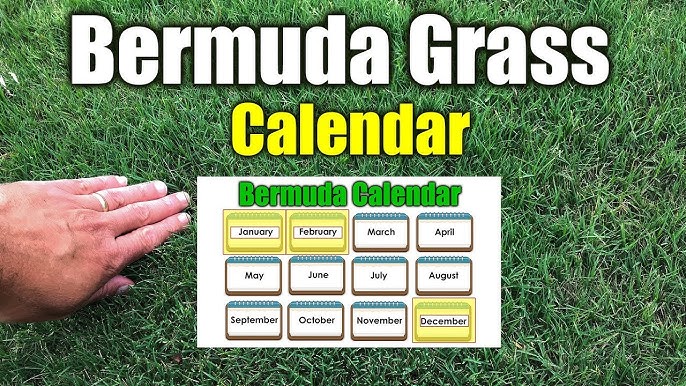
Start fertilizing Bermuda grass in spring when it begins to green up. Use a slow-release fertilizer to feed the lawn gradually. Apply again in early summer for steady growth. Avoid fertilizing in late fall or winter when the grass is dormant. In summer, use lighter applications to avoid burning the grass during heat.
Signs Your Lawn Needs Fertilizer
Look for pale or yellow grass patches. Slow growth and thinning areas also show nutrient needs. If weeds start taking over, your lawn may lack nutrients. A dull color and weak blades suggest fertilizer is needed. Regular checks help you apply fertilizer at the right time.
Proper Application Techniques
Proper application techniques are key to a healthy Bermuda grass lawn. Applying fertilizer correctly helps the grass absorb nutrients well. It prevents waste and protects the environment. Follow the right methods to get the best results for your lawn.
Tools And Equipment
Choose the right tools before fertilizing. A broadcast spreader works well for large lawns. It covers wide areas evenly. For small patches, use a handheld spreader. It offers more control and precision. Keep your equipment clean to avoid clogging. Check the settings to match your fertilizer type.
Spreading Methods
Start spreading fertilizer along the lawn edge. Walk in straight lines to cover every spot. Overlap slightly to avoid bare patches. Spread fertilizer evenly to prevent clumps. Use light, steady pressure on the spreader. Water the lawn after application to help nutrients soak in.
Avoiding Overfertilization
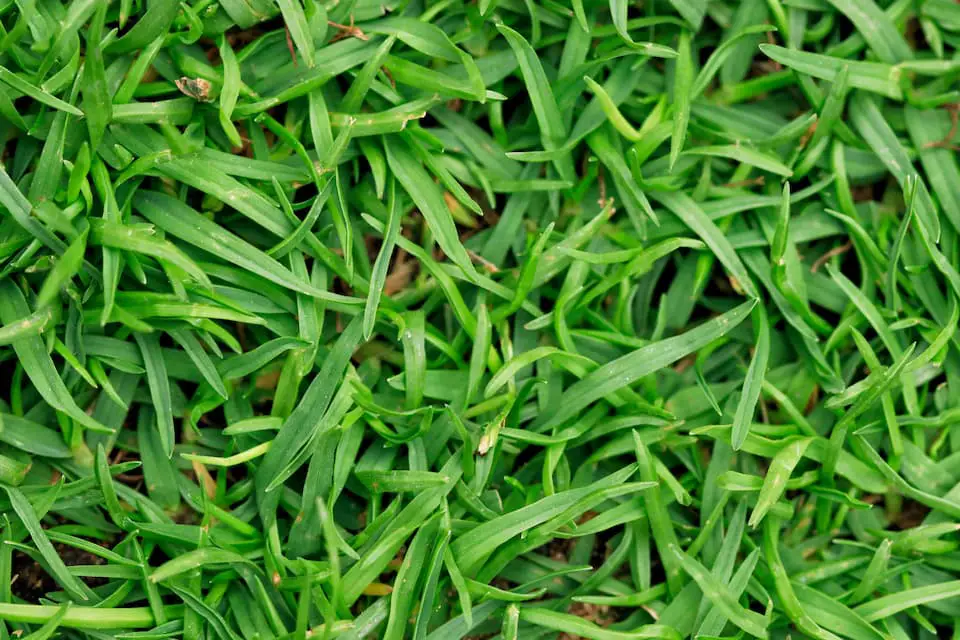
Too much fertilizer harms Bermuda grass and soil. Follow recommended rates on the fertilizer package. Apply in smaller amounts more often. This supports steady growth without stress. Watch for signs of overfertilization like yellow leaves. Adjust your schedule and amounts if needed.
Credit: fortsmithlandscaping.com
Watering After Fertilizing
Watering after fertilizing Bermuda grass is very important. It helps the fertilizer soak into the soil. Without water, the nutrients stay on the grass blades and can cause damage. Proper watering moves nutrients to the roots where the grass needs them most.
Watering also helps avoid problems like fertilizer burn. This happens when the fertilizer is too strong on the grass leaves. Careful watering reduces this risk and keeps your lawn healthy and green.
Optimal Watering Practices
Start watering soon after spreading fertilizer. Use a gentle spray to avoid washing fertilizer away. Water enough to soak the soil about 6 inches deep. This helps roots absorb nutrients better.
Water in the early morning. It reduces evaporation and lets the lawn dry during the day. Avoid watering at night to prevent fungus and disease.
Preventing Fertilizer Burn
Do not overwater the lawn after fertilizing. Too much water can wash fertilizer off the grass. It may also cause root damage. Water lightly but deeply to avoid this problem.
Use the right amount of fertilizer for your lawn size. Follow package instructions carefully. Overuse of fertilizer increases the chance of burning the grass.
Troubleshooting Common Issues
Troubleshooting common issues is key to keeping Bermuda grass healthy. Problems like yellowing, patchy growth, and weeds can harm your lawn’s look. Identifying these issues early helps fix them fast. Proper fertilization plays a big role in solving these problems.
Yellowing Grass
Yellow grass often shows nutrient deficiency. Lack of nitrogen is the main cause. Apply a nitrogen-rich fertilizer to green up your lawn. Overwatering or poor drainage can also cause yellow spots. Make sure your lawn drains well and water only when needed.
Patchy Growth
Patchy growth means some areas grow slower or die. It can happen from uneven fertilization or soil compaction. Spread fertilizer evenly to avoid bare spots. Aerate the soil to improve root growth and nutrient absorption. Reseed or patch bare areas with Bermuda grass seed.
Weed Control And Fertilization
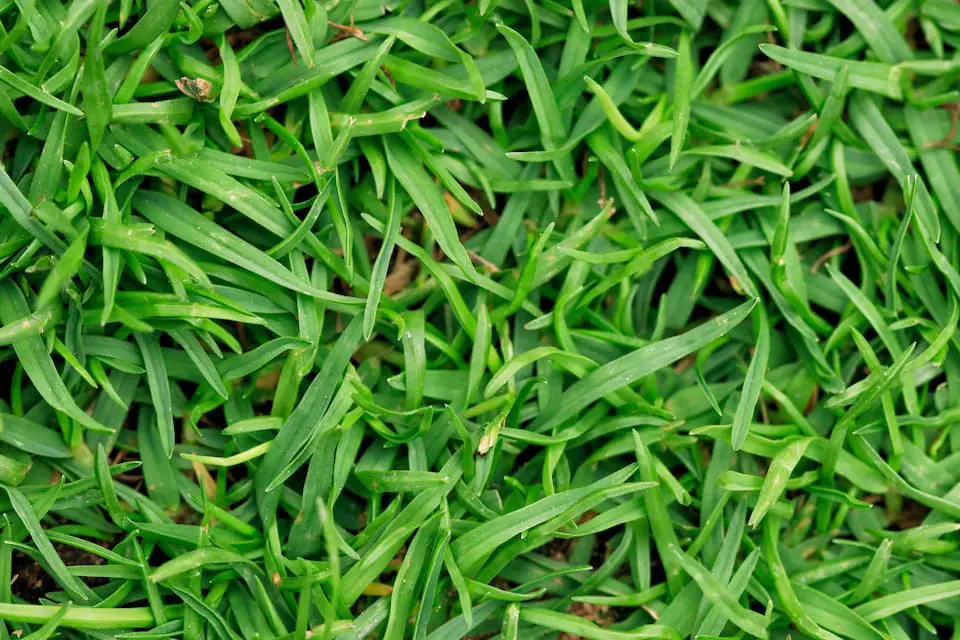
Weeds compete with Bermuda grass for nutrients and space. Use a selective herbicide that targets weeds but not your grass. Fertilize after weed removal to help Bermuda grass recover. Healthy, thick grass crowds out weeds naturally over time.
Credit: fortsmithlandscaping.com
Maintaining Healthy Bermuda Grass
Maintaining healthy Bermuda grass requires regular care and attention. It grows best with proper mowing, soil care, and aeration. These steps help the grass stay green, thick, and strong all year.
Mowing Tips
Cut Bermuda grass often to keep it neat and healthy. Set mower blades to 1 to 2 inches high. Avoid cutting more than one-third of the grass blade at once. Use sharp blades to make clean cuts. This reduces stress and prevents disease.
Soil Testing And Amendments
Test your soil to check pH and nutrient levels. Bermuda grass prefers a pH between 5.8 and 7.0. Add lime if soil is too acidic. Use fertilizer with nitrogen, phosphorus, and potassium based on test results. Good soil helps grass grow deep roots and resist pests.
Aeration Benefits
Aerate your lawn once or twice a year. This means making small holes in the soil. It helps air, water, and nutrients reach the roots. Aeration reduces soil compaction and improves grass health. Use a core aerator for best results.
Credit: www.youtube.com
Frequently Asked Questions
How Often Should I Fertilize Bermuda Grass?
Fertilize Bermuda grass every 6 to 8 weeks during its growing season. This keeps the lawn healthy and green. Avoid fertilizing in winter to prevent damage. Use a balanced fertilizer for best results.
What Type Of Fertilizer Is Best For Bermuda Grass?
Use a nitrogen-rich fertilizer with a ratio like 3-1-2 for Bermuda grass. Nitrogen promotes strong growth and vibrant color. Choose slow-release formulas to feed the lawn evenly over time.
When Is The Best Time To Fertilize Bermuda Grass?
The best time is late spring through summer when Bermuda grass grows actively. Apply fertilizer after the lawn has fully greened up from dormancy. Avoid fertilizing during drought or extreme heat.
Can I Over-fertilize Bermuda Grass Lawn?
Yes, over-fertilizing can burn Bermuda grass and cause excessive thatch. Follow recommended rates on fertilizer labels. Apply evenly to prevent patchy growth and nutrient runoff.
Conclusion
Fertilizing your Bermuda grass lawn helps keep it green and healthy. Choose the right fertilizer and apply it carefully. Water the lawn after spreading fertilizer to avoid burning. Regular feeding supports strong roots and thick grass growth. Keep an eye on the weather for the best fertilizing times.
With simple steps, you can enjoy a beautiful lawn all year. Take care, and your Bermuda grass will thrive.
