

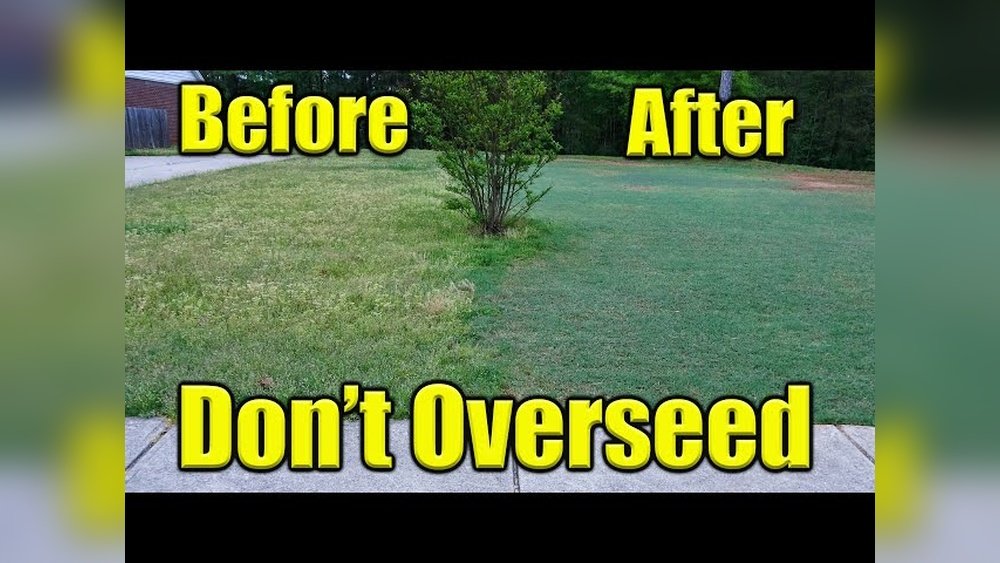
The best time to overseed Bermuda grass in Texas is early fall when cooler temperatures and moist soil create ideal conditions for seed germination. This timing helps maintain a green, thick lawn throughout winter and prepares your grass for a strong spring recovery. Avoid overseeding during extreme heat or cold.
If you want a lush, green lawn all year round in Texas, knowing when to overseed your Bermuda grass is key. Timing makes all the difference between a patchy yard and a thick, vibrant lawn that stands out.
You might be wondering exactly when to overseed to keep your grass healthy and looking its best. You’ll discover the perfect windows for overseeding Bermuda grass in Texas, along with tips to make your lawn thrive through every season. Keep reading to unlock the secrets to a beautiful yard you can be proud of.
Credit: www.pennington.com
Bermuda Grass Basics
Bermuda grass is a popular choice for many Texas lawns. It thrives in warm climates and handles heat well. This grass grows fast and recovers quickly from damage. Its deep roots help it survive dry periods. Understanding Bermuda grass basics helps you care for it better.
This grass stays green during summer and goes dormant in winter. Knowing its growth cycle in Texas is key. You can keep your lawn healthy by timing your care right. Overseeding is one way to improve its look in colder months.
Growth Cycle In Texas
Bermuda grass grows actively from late spring to early fall. It loves warm temperatures between 75°F and 95°F. During this time, it spreads fast and fills in bare spots. In winter, the grass turns brown and stops growing. It goes dormant to survive the cold.
Spring brings new green growth as temperatures rise. Fall signals the grass to slow down before winter dormancy. This cycle affects how and when to care for your lawn. Knowing this helps with proper overseeding timing.
Why Overseed Bermuda Grass
Overseeding adds new grass seed to your existing lawn. It helps cover bare or thin areas in winter. Bermuda grass looks brown and patchy when dormant. Overseeding keeps your lawn green and healthy all year.
It also improves lawn density and prevents weed growth. Overseeding with cool-season grass works well in Texas winters. This practice keeps your yard attractive and strong through changing seasons.
Best Time To Overseed
Overseeding Bermuda grass in Texas works best in early fall. Cooler temperatures help new grass seeds grow strong. This timing ensures a green lawn during winter months.
Ideal Fall Weather Conditions
The best time to overseed Bermuda grass in Texas is during early fall. This period offers cooler temperatures and more rain. Daytime temperatures between 70°F and 85°F help seeds germinate well. Night temperatures should stay above 50°F for good growth. These conditions reduce stress on new grass. Soil also stays warm enough to encourage seed sprouting. Avoid overseeding in hot summer months or cold winter times. Fall weather gives the new grass the best chance to grow strong before winter.
Signs Your Lawn Needs Overseeding
Look for thin or bare patches in your lawn. Grass that looks brown or weak signals a need for overseeding. You might also see more weeds growing in sparse areas. Foot traffic can cause worn spots. If your lawn feels rough or uneven, overseeding helps fill gaps. Dull color and slow growth are other signs. Overseeding improves lawn density and color. It also helps grass resist drought and pests better.
Choosing The Right Seed
Choosing the right seed is key to overseeding Bermuda grass in Texas. The seed must fit the climate and soil. It should also blend well with Bermuda grass. This helps create a green, healthy lawn all year.
Picking the correct grass type improves lawn growth. It also reduces problems like weeds and pests. Quality seeds grow strong roots and resist drought. This makes your lawn look better and last longer.
Popular Grass Varieties For Texas
Ryegrass is a common choice for overseeding Bermuda. It stays green in winter and grows fast. Tall fescue works well in shaded areas. It handles cooler temperatures and stays green longer. Fine fescue is another option. It tolerates shade and poor soil. These grasses mix well with Bermuda and suit Texas weather.
Seed Quality And Selection Tips
Choose seeds from a trusted supplier. Check the seed label for purity and germination rates. Higher germination means more grass will grow. Avoid seeds with weed seeds or fillers. Look for fresh seeds, not old stock. Store seeds in a cool, dry place before planting. Good seed quality leads to a thick, even lawn.

Credit: reddilawnmaintenance.com
Preparing Your Lawn
Preparing your lawn is the first step to a healthy Bermuda grass overseeding. Proper preparation helps seeds grow strong roots and spread evenly. It creates a good environment for new grass to thrive. Follow simple steps to get your lawn ready for overseeding in Texas.
Mowing And Raking Techniques
Start by mowing your Bermuda grass short. Cut the grass to about 1 to 1.5 inches tall. This lets sunlight reach the soil easily. After mowing, rake the lawn to remove dead grass and debris. Raking opens up the soil surface. It helps seeds make good contact with the soil. This improves seed germination and growth.
Soil Testing And Amendments
Test your soil to check its pH and nutrient levels. You can buy a simple soil test kit or send a sample to a lab. Bermuda grass prefers a soil pH between 5.8 and 7.0. Add lime if the soil is too acidic. Add sulfur if the soil is too alkaline. Fertilize the soil based on test results. Healthy soil gives your new grass the nutrients it needs to grow strong.
Overseeding Steps
Overseeding Bermuda grass in Texas needs clear steps. These steps help the new grass grow healthy and strong. Following the right process improves lawn color and thickness during cooler months. Start with preparing the soil well. Then spread the seed carefully and water correctly. Fertilizing at the right time supports growth. Each step affects the success of overseeding.
Proper care after spreading the seed ensures good germination. The lawn will look fresh and green. Timing and method both matter for best results.
Seed Spreading Methods
Choose a spreading method that fits your lawn size. Hand spreading works for small areas. Use a broadcast spreader for larger spaces. Spread seeds evenly to avoid bare spots. Walk slowly and overlap your passes. Lightly rake the seed into the soil. This helps protect seeds from birds and wind. Avoid clumping seeds in one place. Even distribution is key for a uniform lawn.
Watering And Fertilizing Schedule
Water the lawn lightly right after seeding. Keep the soil moist but not soaked. Water two to three times daily for the first two weeks. Reduce watering frequency as grass begins to grow. Switch to deep watering once seedlings establish. Use a balanced fertilizer after two to three weeks. Fertilize every four to six weeks during the growing season. Follow package instructions to avoid over-fertilizing. Proper watering and feeding help grass roots grow strong.
Post-overseeding Care
After overseeding Bermuda grass in Texas, proper care helps new grass grow strong. The young grass needs gentle care to establish roots and thrive. Follow these simple steps to keep your lawn healthy and green.
Maintaining Moisture Levels
Keep the soil moist but not soggy. Water lightly several times a day at first. This keeps seeds wet and helps them sprout. Gradually reduce watering to once a day as grass grows. Deep watering encourages strong roots. Avoid letting the soil dry out completely.
Preventing Common Lawn Problems
Watch for weeds that compete with new grass. Remove them quickly to avoid damage. Avoid heavy foot traffic on the lawn. It can crush young grass and slow growth. Use a light fertilizer to support growth. Follow package directions carefully to avoid burning grass.
Troubleshooting Overseeding Issues
Troubleshooting overseeding issues helps keep Bermuda grass thick and healthy. Overseeding can sometimes cause problems that affect lawn appearance and growth. Knowing how to fix these problems makes overseeding more successful. This section covers common overseeding problems and simple solutions. Focus on patchy growth and weed or pest management to improve your lawn’s look.
Dealing With Patchy Growth
Patchy growth happens when grass seeds do not sprout evenly. Poor soil, uneven watering, or too much shade cause this problem. Rake the soil gently before overseeding to loosen it. Water the area lightly but often to keep seeds moist. Avoid walking on new seed spots. Thin patches need reseeding after two weeks if no growth appears. Use a spreader for even seed distribution. Patchy areas improve with proper care and patience.
Managing Weeds And Pests
Weeds compete with Bermuda grass for nutrients and space. Remove weeds by hand or use a safe herbicide before overseeding. Avoid weed killers that harm new grass. Pests like grubs and chinch bugs damage roots and leaves. Check the lawn regularly for signs of pests. Use natural or chemical treatments if pests appear. Healthy grass grows better and resists weeds and insects. Keep the lawn clean and well-maintained to reduce problems.
Credit: www.rynolawncare.com
Long-term Lawn Maintenance
Maintaining Bermuda grass in Texas requires consistent care throughout the year. Long-term lawn maintenance helps keep the grass healthy and green. Regular attention reduces the need for costly repairs and reseeding. Understanding how to care for your lawn each season makes a big difference. Healthy soil and proper watering support strong grass roots. This section covers essential seasonal care tips and ways to improve soil health year-round.
Seasonal Care Tips
Spring is the best time to overseed Bermuda grass. Prepare the lawn by mowing low and removing debris. Water regularly but avoid overwatering. In summer, keep the grass trimmed and watch for pests. Fall is key for overseeding and fertilizing. Use a balanced fertilizer to support new growth. Winter needs less water but keep the soil moist. Adjust care based on rainfall and temperature changes.
Improving Soil Health Year-round
Healthy soil grows strong Bermuda grass. Test your soil to check pH and nutrient levels. Add lime or sulfur to balance soil acidity if needed. Use organic compost to add nutrients naturally. Aerate the lawn to allow air and water to reach roots. Avoid compacting soil by limiting heavy traffic. Mulch grass clippings to return nutrients to the soil. Keep soil moist but not waterlogged for best results.
Frequently Asked Questions
When Is The Best Time To Overseed Bermuda Grass In Texas?
The best time to overseed Bermuda grass in Texas is early fall, between September and October. This timing allows seeds to germinate before cooler winter temperatures arrive, ensuring strong growth and a healthy lawn in spring.
How Often Should I Overseed Bermuda Grass In Texas?
Overseeding Bermuda grass in Texas is typically done once a year in the fall. Annual overseeding helps maintain lawn density, repair damaged areas, and improve overall turf health and appearance.
What Soil Conditions Are Ideal For Overseeding Bermuda Grass?
Ideal soil conditions for overseeding Bermuda grass include well-drained, fertile soil with a pH between 5. 8 and 7. 0. Loosen the soil surface before seeding to promote good seed-to-soil contact and better germination rates.
Can I Overseed Bermuda Grass During Summer In Texas?
Overseeding Bermuda grass during Texas summer is not recommended due to high heat stress. Warm temperatures and drought conditions reduce seed germination and seedling survival, making fall the preferred overseeding season.
Conclusion
Overseeding Bermuda grass in Texas works best in early fall. Cooler temperatures help new grass grow strong and healthy. Preparing the soil and watering often will improve seed germination. Avoid overseeding too late to prevent winter damage. Healthy grass keeps your lawn green and soft all winter.
Plan your overseeding carefully for the best lawn results. A little effort brings a big difference in lawn quality. Keep your yard looking good year-round with proper care.
