

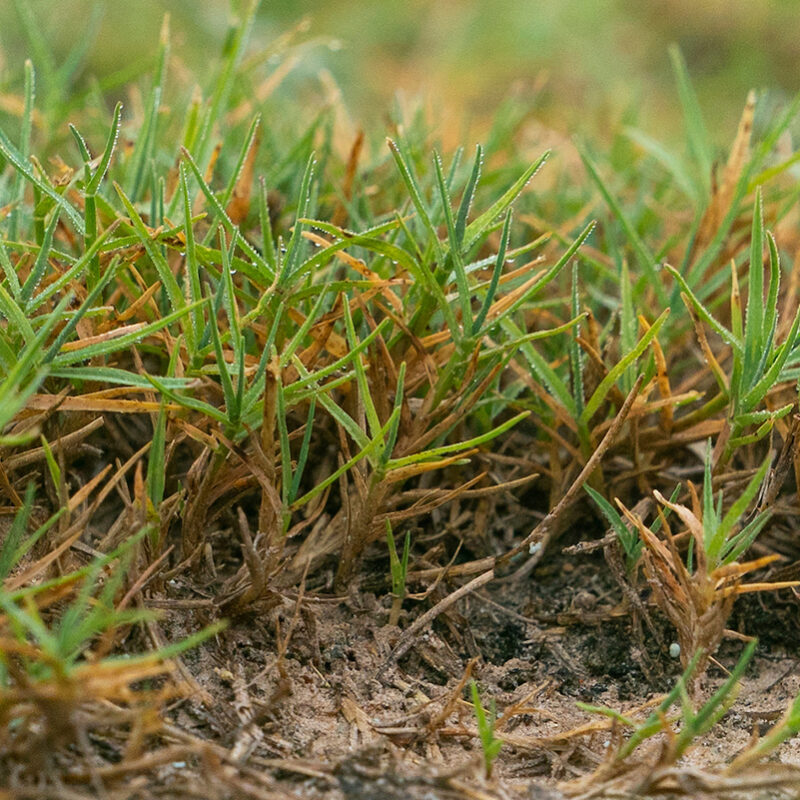
To care for Bermuda grass in Texas, focus on selecting the right variety for your soil and climate, prepare your lawn with proper soil testing and amendments, and maintain consistent watering and mowing. This approach ensures your Bermuda grass stays green, dense, and resilient through Texas heat and drought conditions.
If you have Bermuda grass in your Texas yard, you know how tough the summer heat and dry spells can be. But what if you could keep your lawn green, healthy, and thick all year round without extra stress?
Caring for Bermuda grass the right way is easier than you think—and it makes your outdoor space look amazing. You’ll discover simple, effective tips tailored just for Texas conditions. Get ready to transform your lawn and enjoy the best-looking Bermuda grass on the block.
Keep reading—you won’t want to miss these game-changing care secrets.

Credit: lawnlove.com
Choosing The Right Bermuda Grass Variety
Choosing the right Bermuda grass variety sets the foundation for a healthy lawn in Texas. Different types of Bermuda grass suit various climates and soil types. Picking the best one saves time, effort, and money on lawn care. Understanding common types and matching them to your environment helps your grass thrive. This section explores popular Bermuda grass varieties and tips for selecting the right one for Texas conditions.
Common Bermuda Types In Texas
Bermuda grass has many types. Some are better for lawns, others for sports fields or pastures. Common varieties in Texas include Common Bermuda, Tifway 419, and Celebration. Common Bermuda grows fast and is affordable. Tifway 419 is finer and denser, perfect for high-traffic areas. Celebration offers deep green color and good drought resistance. Each type has strengths. Choose based on your lawn’s needs and use.
Selecting For Climate And Soil
Texas has hot summers and mild winters. Bermuda grass needs heat to grow well. Some types handle heat better than others. Soil type matters too. Sandy soils drain well but hold fewer nutrients. Clay soils keep water but can be heavy. Choose a Bermuda type that fits your soil and climate. This match helps the grass stay strong and green through Texas weather. Test your soil before planting for best results.

Credit: www.youtube.com
Preparing Your Lawn For Planting
Preparing your lawn for planting Bermuda grass is the first step to a healthy yard. It sets the stage for strong growth and a lush green look. Good preparation helps the grass take root and spread evenly across the lawn.
Start by checking the soil to know what it needs. Clear the area and make the ground smooth. These actions create the best environment for Bermuda grass to grow well and stay healthy.
Soil Testing And Amendment
Test your soil to learn its pH and nutrient levels. Bermuda grass prefers soil with a pH between 5.8 and 7.0. If the soil is too acidic or alkaline, add lime or sulfur to adjust it.
Check for nitrogen, phosphorus, and potassium. These nutrients help the grass grow strong. Use a balanced fertilizer based on the test results. Mix the amendments well into the soil before planting.
Clearing And Leveling The Ground
Remove rocks, sticks, and debris from the lawn area. Clear old grass or weeds to prevent competition with Bermuda grass. Use a rake or hoe to clean the soil surface.
Level the ground to avoid water pooling or uneven growth. Fill low spots with soil and smooth high spots. A flat, even surface helps water soak in and roots spread easily.
Planting Techniques For Success
Planting Bermuda grass correctly is key to a healthy, green lawn in Texas. Good planting starts with choosing the right method and timing. These steps help grass grow strong and last long. Follow simple planting techniques to get the best results for your yard.
Seeding Vs. Sodding
Seeding Bermuda grass is cost-effective and allows more area coverage. It needs time to establish and requires regular watering. Sodding gives instant green but costs more. Sod also needs quick planting and good soil contact for roots to grow. Choose seeding for large areas and patience. Pick sodding for fast lawn results.
Optimal Planting Time
The best time to plant Bermuda grass in Texas is late spring to early summer. Soil temperature should be above 65°F for good seed germination. Planting too early or late slows growth and weakens grass. Warm weather helps roots grow deep and strong. Plan planting when days are warm and nights are mild.
Watering Strategies
Water is key to growing healthy Bermuda grass in Texas. Proper watering helps grass roots grow deep and strong. It also keeps the lawn green during hot, dry days. Different stages of grass growth need different watering plans. Knowing how to water new and mature Bermuda grass can save water and keep your lawn looking great.
Establishing New Lawns
New Bermuda grass needs more water to start growing well. Water the lawn lightly every day for the first two weeks. This keeps the soil moist but not soggy. After two weeks, water deeply two to three times a week. Give about one inch of water each time. This helps roots grow deep into the soil. Avoid watering only the surface. Shallow watering causes weak roots and dry patches.
Maintaining Mature Grass
Mature Bermuda grass needs less frequent watering. Water the lawn once or twice a week. Each time, soak the soil about six to eight inches deep. This encourages strong roots and drought resistance. Early morning is the best time to water. It reduces evaporation and fungal diseases. Avoid watering in the heat of the day or at night. Watch the grass color. Brown or dull grass means it needs water.
Fertilizing Bermuda Grass
Fertilizing Bermuda grass is key for a healthy, green lawn in Texas. It provides the nutrients the grass needs to grow strong and resist drought. Proper fertilizing helps the grass recover from wear and stay thick. The right fertilizer and timing make a big difference. Below are tips on how to choose fertilizer and apply it well.
Choosing The Right Fertilizer
Pick a fertilizer with a balanced mix of nitrogen, phosphorus, and potassium. Bermuda grass needs more nitrogen for green color and growth. A common choice is a fertilizer labeled 16-4-8 or 21-7-14. Check the soil first with a test kit. This tells you which nutrients are missing. Avoid fertilizers with too much phosphorus unless the soil needs it. Too much phosphorus can harm the environment.
Timing And Application Tips
Apply fertilizer during the growing season, from spring to early fall. Start fertilizing in late spring when the grass begins to grow fast. Spread fertilizer evenly over the lawn. Use a spreader for best results. Water the lawn after applying fertilizer to help it soak in. Avoid fertilizing during drought or extreme heat to prevent stress. Follow the instructions on the fertilizer package carefully. Too much fertilizer can burn the grass.
Mowing Practices For Health
Mowing Bermuda grass correctly keeps your lawn green and strong. Proper mowing helps the grass grow thick and healthy. It also stops weeds and pests from taking over. Follow these simple mowing tips to care for Bermuda grass in Texas.
Recommended Cutting Height
Set your mower blade between 1 and 2 inches high. Cutting too short can stress the grass. It may cause brown patches and weak roots. Taller grass shades the soil and keeps moisture longer. This helps the grass stay healthy during hot Texas days.
Mowing Frequency
Cut Bermuda grass once or twice a week during the growing season. Frequent mowing encourages dense, even growth. Avoid cutting more than one-third of the grass blade at once. This practice reduces stress and helps the grass recover quickly. In cooler months, reduce mowing to once every two weeks.
Controlling Weeds And Pests
Controlling weeds and pests is essential for a healthy Bermuda grass lawn in Texas. Weeds compete with grass for water and nutrients. Pests can damage the grass blades and roots. Keeping both under control helps the lawn stay green and strong.
Common Weeds In Texas Lawns
Crabgrass is a frequent weed in Texas lawns. It spreads quickly and crowds out Bermuda grass. Dandelions also appear, with their bright yellow flowers and deep roots. Clover is another common weed, especially in thin or damaged areas.
Prevention is key. Mowing regularly helps stop weeds from growing tall. Using a pre-emergent herbicide in early spring prevents weed seeds from sprouting. Spot-treat stubborn weeds with a selective herbicide safe for Bermuda grass.
Effective Pest Management
Grubs and chinch bugs are common pests that harm Bermuda grass. Grubs eat the roots, causing brown patches. Chinch bugs suck the sap, leading to yellowing and thinning grass.
Inspect the lawn regularly for signs of pests. Use insecticides targeted for these pests if needed. Maintain lawn health through proper watering and fertilizing. Healthy grass resists pests better and recovers faster from damage.
Dealing With Common Lawn Issues
Maintaining a healthy Bermuda grass lawn in Texas can be challenging. Common issues like drought and bare spots often appear. Knowing how to handle these problems keeps your lawn green and strong. Quick action helps your grass recover faster and look better.
Drought Stress Solutions
Bermuda grass needs water to stay healthy, especially in Texas heat. Signs of drought stress include brown patches and dry soil. Water deeply but less often to encourage strong roots. Early morning watering reduces evaporation and saves water. Avoid watering in the heat of the day. Mulching around grass edges helps keep moisture in the soil. Regular checks prevent drought damage before it spreads.
Repairing Bare Spots
Bare spots make your lawn look uneven and weak. Remove dead grass and loosen the soil in these areas. Spread Bermuda grass seed or lay small sod pieces over the bare spots. Keep the area moist to help new grass grow. Avoid heavy foot traffic on these spots until the grass is strong. Regularly mow and water to support healthy growth. Small repairs prevent bigger problems later.
Seasonal Care Tips
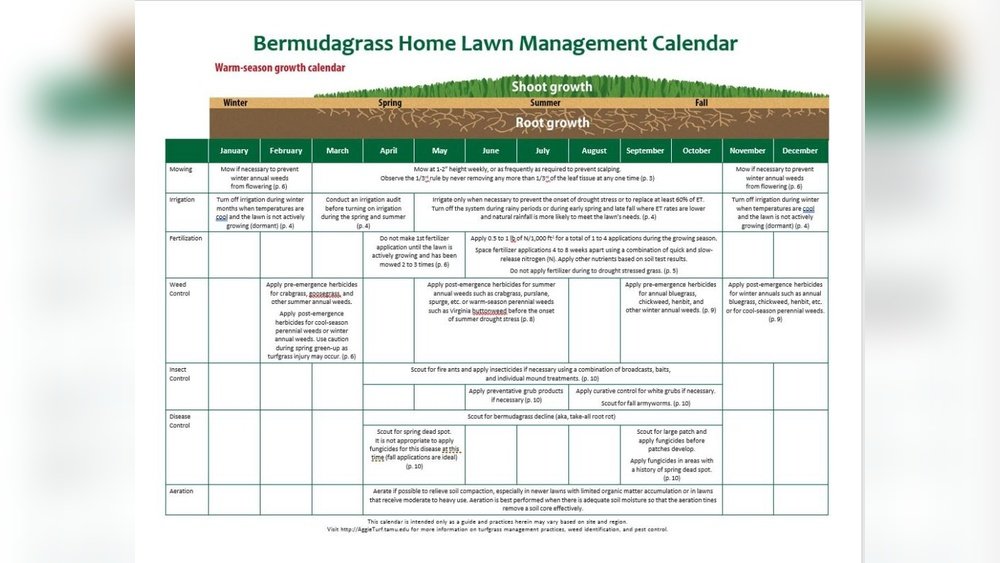
Taking care of Bermuda grass in Texas needs attention every season. Each season has different needs for your lawn. Following these seasonal tips helps your grass stay green and healthy all year.
Spring Preparation
Spring starts the growing season for Bermuda grass. Begin by clearing away leaves and debris. This lets sunlight reach the grass blades. Aerate the soil to improve air and water flow. Apply a balanced fertilizer to support new growth. Water your lawn deeply but less often. This encourages strong root development.
Summer Maintenance
Summer heat can stress Bermuda grass. Mow regularly but do not cut too short. Keep your mower blades sharp for clean cuts. Water early in the morning to reduce evaporation. Avoid watering in the afternoon or evening. Use a slow-release fertilizer to keep nutrients steady. Watch for pests and treat promptly to avoid damage.
Fall Cleanup
Fall helps your lawn prepare for winter. Rake fallen leaves and remove dead grass. This prevents mold and diseases. Apply a fertilizer rich in potassium to strengthen roots. Reduce watering as temperatures drop. Overseed thin areas to keep your lawn thick. Keep mowing until the grass stops growing.
Credit: agrilifeextension.tamu.edu
Frequently Asked Questions
How Often Should I Water Bermuda Grass In Texas?
Water Bermuda grass deeply once or twice weekly in Texas. Adjust frequency based on rainfall and temperature. Early morning watering helps reduce disease risk and promotes deep root growth for drought resistance.
What Is The Best Mowing Height For Bermuda Grass?
Maintain Bermuda grass at 1 to 2 inches tall. Mowing too low stresses the grass, while too high causes thatch buildup. Regular mowing encourages healthy growth and helps prevent weeds.
When Is The Best Time To Fertilize Bermuda Grass?
Fertilize Bermuda grass in Texas during spring and summer. Use a nitrogen-rich fertilizer every 6 to 8 weeks for optimal growth. Avoid fertilizing in fall or winter to prevent stress.
How Do I Control Weeds In Bermuda Grass Lawns?
Apply pre-emergent herbicides in early spring to prevent weeds. Use post-emergent herbicides for existing weeds, carefully following label instructions. Regular mowing and proper fertilization also help reduce weed growth.
Conclusion
Caring for Bermuda grass in Texas takes regular effort and simple steps. Water it deeply but not too often to keep roots strong. Mow the grass to the right height to help it grow thick. Use fertilizer carefully to give the grass good nutrients.
Watch for weeds and pests, and remove them quickly. With steady care, your Bermuda grass will stay green and healthy. A beautiful lawn is possible with these easy tips. Enjoy your lush yard all year long.
