

Are you looking to give your lawn a fresh, green boost without starting from scratch? Plugging Zoysia grass might be the perfect solution for you.
It’s a simple and cost-effective way to fill in bare spots and create a lush, thick lawn that stands out in your neighborhood. You’ll discover easy steps to plug Zoysia grass successfully, ensuring your yard looks vibrant and healthy all year round.
Ready to transform your lawn? Let’s dive in and get your grass growing strong!
Choosing Zoysia Grass Plugs
Choosing the right Zoysia grass plugs is key for a healthy lawn. Good plugs grow strong roots and spread quickly. Picking the best type and source helps your lawn look green and full. Timing your planting also affects how well the grass grows. Learn how to pick plugs that fit your needs.
Types Of Zoysia Grass
Zoysia grass comes in several types. Common types include Emerald, Meyer, and Zenith. Emerald has fine blades and grows well in shade. Meyer is thick and drought-tolerant. Zenith is fast-growing and good for sunny spots. Choose a type that suits your climate and soil.
Where To Buy Quality Plugs
Buy plugs from trusted nurseries or garden centers. Look for healthy, green plugs without brown spots. Local suppliers often have grass that fits your area. Avoid plugs that look dry or weak. Ask about the source and how the plugs were grown.
Best Time To Plant
Plant Zoysia grass plugs in late spring or early summer. Soil should be warm, above 65°F (18°C). Warm soil helps roots grow fast. Avoid planting in cold or dry weather. Water the plugs well after planting for best results.

Credit: sodsolutions.com
Preparing Your Lawn
Preparing your lawn is the first step to plug Zoysia grass successfully. This stage sets the foundation for healthy grass growth. Proper preparation helps plugs take root faster and grow stronger. It also reduces competition from weeds and old grass.
Clearing Existing Grass And Weeds
Remove all old grass and weeds from the area. Use a shovel or garden rake to pull up roots. Clear debris and dead plants. This prevents any competition for nutrients and water. A clean area allows new plugs to establish well.
Soil Testing And Improvement
Test your soil to check pH and nutrients. Zoysia grass prefers soil with pH between 6 and 7. Use a soil test kit or send a sample to a lab. Add lime to raise pH or sulfur to lower it. Mix in compost or organic matter to improve soil texture and fertility.
Leveling And Aerating The Soil
Level the soil to avoid water pooling. Use a rake to smooth out bumps and holes. Aerate the soil by making small holes with a garden fork or aerator. This helps air, water, and nutrients reach the roots. It also improves plug growth and lawn health.
Planting Zoysia Grass Plugs
Planting Zoysia grass plugs is a simple way to grow a thick, green lawn. Plugs are small pieces of grass that spread roots and fill bare spots fast. This method saves money and helps the grass adapt well to your soil.
Proper planting ensures the grass grows strong and healthy. Follow the steps below for the best results.
Spacing And Layout Tips
Space plugs 6 to 12 inches apart for quick coverage. Closer spacing fills the lawn faster but costs more plugs. Arrange plugs in a grid or triangle pattern. Both patterns help grass spread evenly. Avoid planting plugs too far apart. Large gaps slow down lawn growth.
Planting Depth And Technique
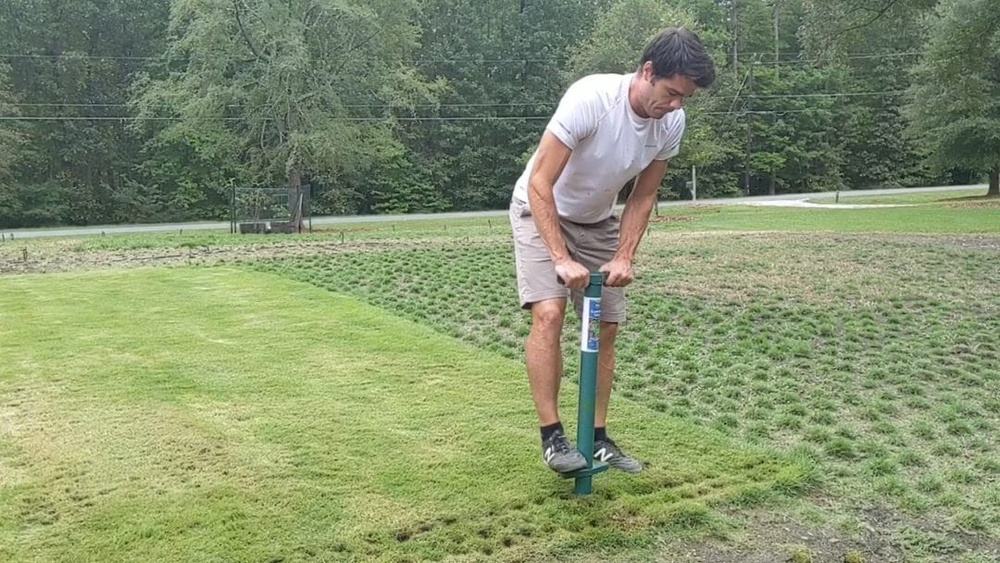
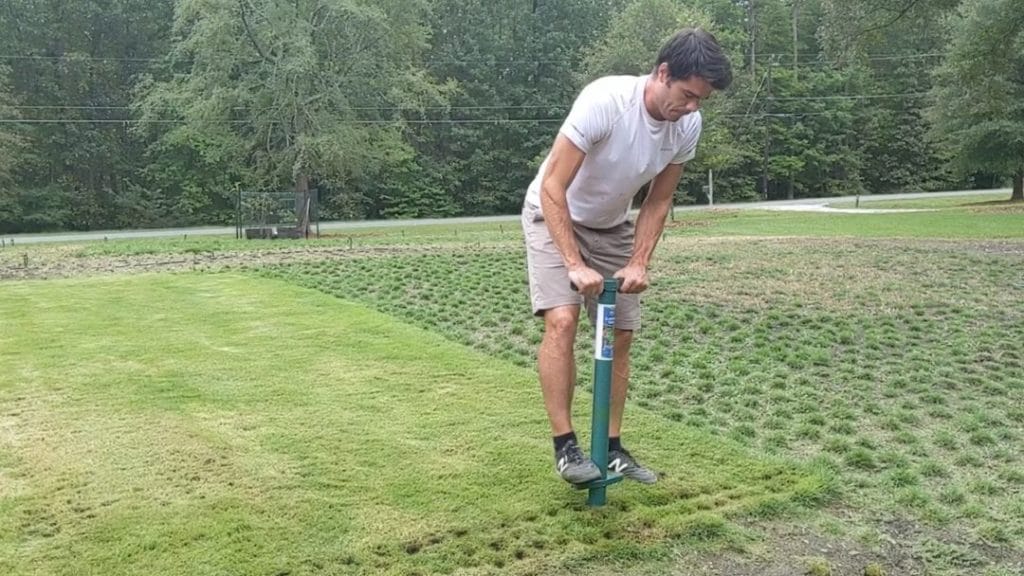
Plant plugs so the soil line matches the grass top. Dig a hole deep enough to fit the plug roots. Place the plug firmly in the hole. Press soil around the plug to remove air pockets. Keep the grass blades above soil level. Too deep planting can cause rot. Too shallow planting dries out roots.
Watering Immediately After Planting
Water plugs right after planting. Moist soil helps roots settle and grow fast. Use enough water to soak the soil 4 to 6 inches deep. Keep soil moist but not soggy. Water daily during dry weather for at least two weeks. Proper watering improves plug survival and growth.

Credit: www.youtube.com
Caring For New Plugs
Caring for new Zoysia grass plugs is important for healthy growth. These small plugs need gentle care to establish strong roots and spread well. Proper care helps the grass fill in faster and stay green through the seasons.
Pay attention to watering, feeding, and keeping weeds away. Each step supports the young grass as it grows. Follow these simple tips to keep your new plugs thriving.
Watering Schedule
Water the new plugs daily for the first two weeks. Keep the soil moist but not soggy. After two weeks, water every other day. Deep watering helps roots grow stronger. Avoid letting the soil dry out completely.
Fertilizing For Growth
Use a balanced fertilizer after three weeks. Apply a light feeding to avoid burning the young grass. Follow the instructions on the fertilizer package. Fertilizing encourages healthy green growth and faster spreading.
Weed Control Methods
Remove weeds by hand around the plugs. Weeds compete for water and nutrients. Avoid harsh weed killers near new plugs. Use mulch or a light layer of straw to reduce weed growth. Keep the area clean for best results.
Troubleshooting Common Issues
Troubleshooting common issues with Zoysia grass plugs helps keep your lawn healthy. Some problems may slow growth or damage the grass. Early detection and action save time and effort. This section covers pests, diseases, brown spots, and uneven growth. Follow these tips to maintain a lush, green lawn.
Dealing With Pests And Diseases
Pests like grubs and chinch bugs harm Zoysia plugs. Check your lawn often for signs of damage. Small brown patches or thinning grass may signal pests. Use natural insecticides or introduce beneficial insects to control pests safely.
Diseases such as brown patch or dollar spot can also appear. Avoid overwatering to reduce disease risk. Mow regularly but not too short. Proper airflow helps prevent fungal growth on your grass.
Handling Brown Spots
Brown spots often show stress in Zoysia plugs. Too much sun or poor watering causes dry patches. Water deeply but less often to keep roots strong. Check soil drainage; soggy soil can kill grass roots.
Inspect for pests or diseases in brown areas. Removing dead grass and aerating soil can help new growth. Use a balanced fertilizer to support recovery and green color.
Encouraging Even Growth
Uneven growth makes your lawn look patchy. Different soil types or sunlight levels affect plug growth. Plant plugs with enough space to spread evenly. Water all areas equally to avoid dry spots.
Mow at a consistent height to promote uniform growth. Fertilize based on soil test results for best nutrients. Reseed thin areas to fill gaps and create a smooth lawn.
Credit: proplugger.com
Maintaining A Healthy Zoysia Lawn
Maintaining a healthy Zoysia lawn takes regular care and attention. This grass type grows thick and lush with proper habits. Simple steps keep your lawn green and strong. Consistent care helps prevent weeds and dry patches. Let’s explore key ways to keep your Zoysia lawn in top shape.
Mowing Tips
Cut Zoysia grass to the right height. Set mower blades between 1 and 2 inches. Mow often enough to avoid cutting more than one-third of the grass blade. Use a sharp blade for clean cuts. Avoid mowing when the grass is wet to reduce damage.
Seasonal Care
Zoysia grass grows best in warm months. Water deeply but less often during summer. Reduce watering in cooler months to prevent root rot. Fertilize in spring and early summer with a balanced fertilizer. Remove leaves and debris to allow sunlight and air circulation.
Long-term Lawn Health Strategies
Aerate the lawn yearly to improve soil health. Overseed thin areas with Zoysia plugs to keep it dense. Control weeds early to avoid competition for nutrients. Test soil every few years and adjust pH if needed. Healthy soil equals a strong, green lawn.
Frequently Asked Questions
What Is The Best Time To Plug Zoysia Grass?
The best time to plug Zoysia grass is late spring to early summer. This period ensures warm soil and optimal growth. Planting plugs during this time promotes faster rooting and healthy lawn establishment.
How Do You Prepare Soil For Zoysia Grass Plugs?
Prepare soil by removing debris and loosening it to a depth of 4-6 inches. Add organic matter for nutrients. Ensure soil pH is between 6. 0 and 6. 5 to promote healthy Zoysia growth.
How Far Apart Should Zoysia Plugs Be Planted?
Space Zoysia plugs 6 to 12 inches apart. Closer spacing results in quicker lawn coverage. Proper spacing allows roots to expand and reduces competition for nutrients.
How Often Should I Water Zoysia Plugs After Planting?
Water Zoysia plugs daily for the first two weeks. Keep soil consistently moist but not soggy. Gradually reduce watering frequency as plugs establish strong roots.
Conclusion
Plugging Zoysia grass helps fill bare spots quickly and easily. Choose healthy plugs and plant them firmly in soil. Water the new plugs regularly to keep them alive. Soon, the plugs will grow and blend with your lawn. This method saves time and makes your yard look great.
With patience and care, you can enjoy a thick Zoysia lawn. Try plugging for a simple way to improve your grass today.
