

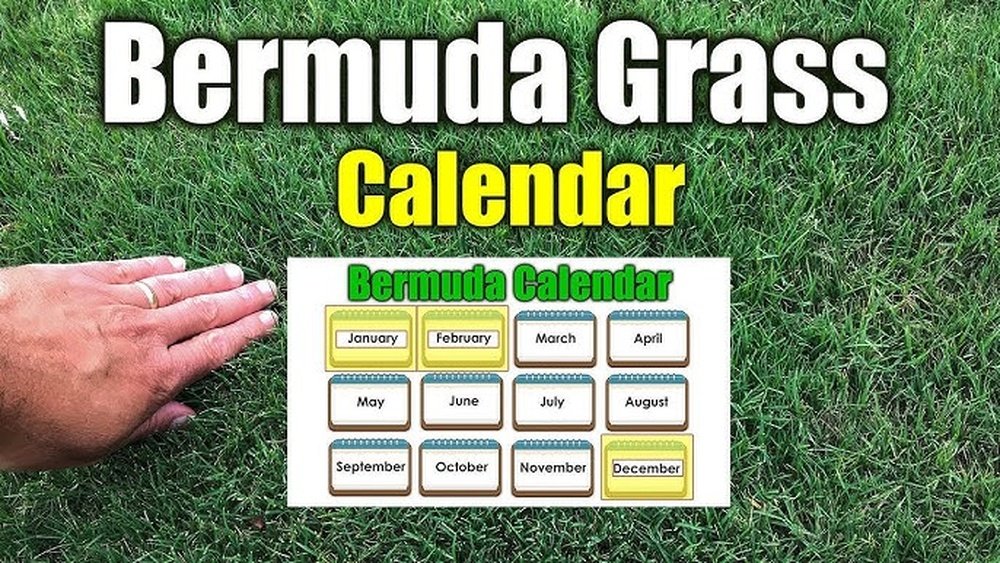
Maintaining Bermuda grass requires regular watering, mowing, and proper fertilization to keep it dense and green. It thrives in warm, sunny areas with well-drained soil. Choosing the right variety and planting at the right time also sets the foundation for a healthy lawn that resists weeds and stays lush throughout the growing season.
If you want a lush, green lawn that stands out in your neighborhood, learning how to maintain Bermuda grass is key. This tough but beautiful grass can transform your yard into a vibrant outdoor space, but only if you care for it the right way.
You’ll discover simple, effective tips to keep your Bermuda grass healthy and thriving all year long. Ready to unlock the secrets to a perfect lawn? Keep reading and watch your grass become the envy of everyone around you.
Choosing The Right Bermuda Grass
Choosing the right Bermuda grass is key for a healthy lawn. Different types suit different needs and conditions. Understanding these types helps you pick the best one for your yard.
Types Of Bermuda Grass
Bermuda grass comes in several popular types. Common Bermuda is affordable and grows quickly. Hybrid Bermuda offers a dense, soft texture but needs more care. Tifway and TifTuf are hybrids known for durability. Each type has unique traits for lawns or sports fields.
Climate And Soil Preferences
Bermuda grass thrives in warm climates with plenty of sun. It prefers well-drained soils with moderate fertility. Sandy or loamy soils work best. It does not grow well in shade or cold areas. Knowing your climate and soil helps choose the right grass type.
Planting Bermuda Grass
Planting Bermuda grass starts with choosing the right method and time. This grass grows well in warm climates. It needs good soil and enough sunlight. Proper planting helps the grass grow thick and green. It also reduces weeds and bare spots. Understanding seeding and sodding options helps you decide what fits your yard best.
Seeding Vs. Sodding
Seeding Bermuda grass is affordable and covers large areas easily. Seeds need time to sprout and grow. They require regular watering and care. It takes weeks for the grass to fill in fully.
Sodding gives instant green coverage. You lay down grass mats that root quickly. It costs more but saves time. Sod helps prevent soil erosion right away. Choose sod if you want fast results.
Best Time To Plant
Plant Bermuda grass in late spring or early summer. Soil temperature should reach at least 65°F (18°C). Warm soil helps seeds sprout and roots grow fast.
Avoid planting during cold or rainy seasons. Too much moisture or cold slows growth and may kill young grass. Planting at the right time gives the best start to a healthy lawn.
Watering Strategies
Watering Bermuda grass correctly keeps it healthy and green. Proper watering helps the roots grow deep. It also stops diseases and saves water. Different seasons need different watering amounts. Watering too much or too little harms the grass. Follow these tips for the best watering results.
Optimal Watering Schedule
Water Bermuda grass early in the morning. This reduces water loss from evaporation. Usually, 1 to 1.5 inches of water per week works well. Spread watering over two or three sessions each week. Avoid watering in the evening. Wet grass overnight invites fungal problems. Adjust watering during rainy or hot days. Less water is needed during cool seasons.
Signs Of Overwatering And Underwatering
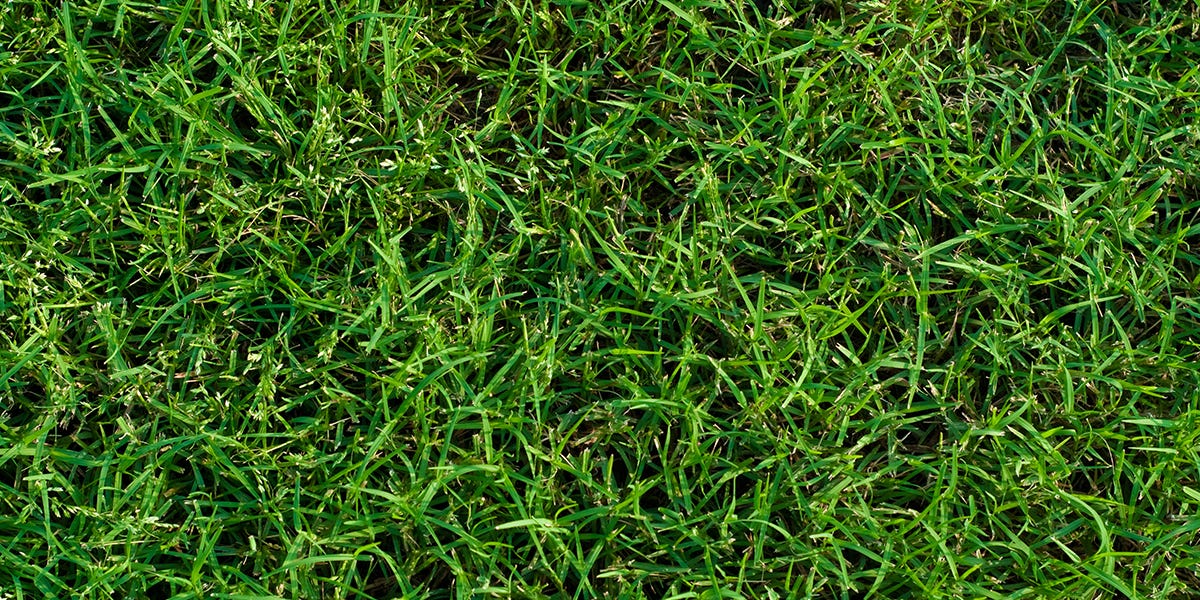
Overwatered Bermuda grass looks yellow and soft. The soil may feel soggy or muddy. Fungus or mold can appear on the lawn. Underwatered grass turns brown and dry. It feels brittle underfoot and pulls up easily. Leaves curl or fold to save moisture. Watch the grass closely to catch these signs early. Correct watering helps the grass recover quickly.
Credit: www.solutionsstores.com
Mowing Tips
Mowing Bermuda grass correctly keeps it healthy and green. It helps the grass grow strong and stops weeds from spreading. Follow these simple mowing tips to care for your Bermuda lawn well.
Proper Mowing Height
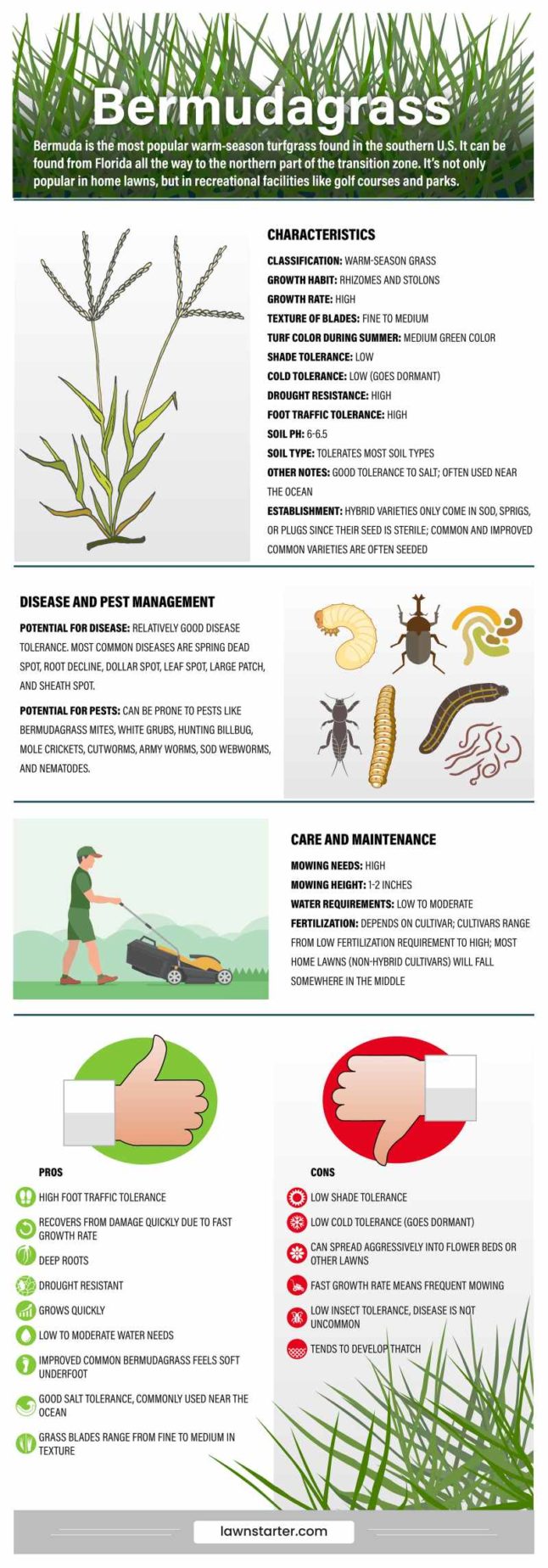
Set your mower blades to the right height. Bermuda grass grows best at about 1 to 2 inches tall. Cutting it too short can hurt the grass roots. Too long makes the lawn look messy and allows weeds to grow. Keep the grass at the right height for a neat and healthy lawn.
Mowing Frequency
Mow your Bermuda grass often during the growing season. Usually, mowing once or twice a week works best. This keeps the grass from getting too long. Shorter grass grows thicker and stronger. Stop mowing when the grass stops growing in colder months.
Fertilizing Bermuda Grass
Fertilizing Bermuda grass is key to keeping it healthy and green. The right nutrients help the grass grow thick and resist weeds. Good fertilizing also improves the lawn’s color and texture.
Choosing the best fertilizer and following a proper schedule will give the best results. Over-fertilizing or under-fertilizing can harm the grass. Knowing what Bermuda grass needs helps keep your lawn in top shape.
Choosing The Right Fertilizer
Pick a fertilizer high in nitrogen for Bermuda grass. Nitrogen helps the grass grow fast and stay green. Look for a fertilizer with a balanced amount of phosphorus and potassium too. These nutrients support root growth and disease resistance.
Use a slow-release fertilizer for steady feeding. This type releases nutrients over time. It prevents burning the grass and reduces the need to apply often. Check the fertilizer label for the N-P-K ratio. A common ratio for Bermuda grass is 3-1-2 or 4-1-2.
Fertilization Schedule
Start fertilizing in spring when the grass begins to green up. Apply fertilizer every 6 to 8 weeks during the growing season. Stop fertilizing in late summer to prepare the grass for dormancy.
Use less fertilizer in early spring and late summer. Increase the amount in late spring and early summer. This timing helps the grass grow strong and recover from heat stress.
Water the lawn well after each fertilizing. This helps the nutrients reach the roots. Avoid fertilizing before heavy rain to prevent nutrient runoff.
Credit: www.lawnstarter.com
Weed And Pest Control
Weed and pest control is key to a healthy Bermuda grass lawn. Weeds steal nutrients, water, and sunlight from your grass. Pests damage the blades and roots, weakening the lawn. Keeping both under control helps your Bermuda grass stay green and strong.
Common Weeds In Bermuda Lawns
Crabgrass is a frequent weed that grows fast in Bermuda lawns. It spreads quickly and takes over bare spots. Dandelions have deep roots that make them hard to remove. Clover grows low and thick, crowding out Bermuda grass. Nutsedge looks like grass but grows faster and is tough to kill. Each weed needs a different removal method for best results.
Effective Pest Management
Grubs are common pests that eat Bermuda grass roots. They cause brown patches and weak grass. Chinch bugs suck the sap, making leaves turn yellow and dry. Mites and armyworms also damage the blades quickly. Use insecticides designed for Bermuda grass pests. Always follow label directions for safe application. Natural predators like ladybugs help keep pest numbers low. Regular lawn checks help catch pests early before damage spreads.
Aeration And Thatch Management
Aeration and thatch management play key roles in keeping Bermuda grass healthy. Aeration helps air, water, and nutrients reach the roots. Thatch is a layer of dead grass and roots that can block these essentials. Managing both ensures strong growth and a lush lawn.
When To Aerate
Aerate Bermuda grass during its active growing season. This usually means late spring to early summer. Aerating during growth helps the grass recover quickly. Avoid aerating in dormant months to prevent damage. Signs like compacted soil or poor drainage show aeration is needed.
Dealing With Thatch Build-up
Check your lawn for thatch regularly. Thatch thicker than half an inch can harm your grass. Use a dethatching rake or machine to remove excess thatch. Removing thatch improves water and nutrient flow to roots. Rake gently to avoid damaging healthy grass blades.
Seasonal Care Tips
Seasonal care is key to keeping Bermuda grass healthy all year. Each season needs different steps. These simple tips help your lawn stay green and strong.
Summer Maintenance
Summer heat can stress Bermuda grass. Water deeply early in the morning. This helps roots grow deep and resist drought.
Mow often but keep blades high. Taller grass shades roots and keeps soil moist. Remove no more than one-third of the grass height at a time.
Fertilize with a balanced lawn fertilizer. Use a product made for warm-season grasses. This supports growth during hot months.
Watch for pests and weeds. Treat problems quickly to stop damage. Use safe, recommended products for your lawn type.
Winter Preparation
Prepare Bermuda grass for winter dormancy. Stop fertilizing by late fall. This helps the grass rest properly.
Lower your mower blade gradually. Cut grass shorter but not too short before cold weather. This prevents disease and mold.
Clear leaves and debris regularly. This keeps the lawn clean and reduces pests hiding spots.
Avoid heavy traffic on grass during frost. It can damage the blades and soil structure. Let the lawn rest until spring.

Credit: liquidlawn.com
Frequently Asked Questions
How Often Should Bermuda Grass Be Watered?
Bermuda grass needs about 1 inch of water weekly. Water deeply once or twice a week. Avoid frequent shallow watering to encourage deep roots. Adjust watering based on weather and soil type for best results.
When Is The Best Time To Mow Bermuda Grass?
Mow Bermuda grass during its active growing season, typically late spring to early fall. Keep the height between 1 to 2 inches. Regular mowing promotes dense growth and helps prevent weeds. Avoid cutting more than one-third of the grass blade at once.
How Do I Fertilize Bermuda Grass Properly?
Fertilize Bermuda grass every 6 to 8 weeks in the growing season. Use a balanced fertilizer high in nitrogen for best results. Apply fertilizer evenly and water afterward to help absorption. Avoid over-fertilizing to prevent thatch buildup and stress.
What Is The Ideal Soil Ph For Bermuda Grass?
Bermuda grass grows best in soil with a pH between 5. 8 and 7. 0. Test soil pH regularly to maintain this range. Adjust soil pH using lime to raise or sulfur to lower it. Proper pH ensures nutrient availability and healthy grass growth.
Conclusion
Maintaining Bermuda grass takes regular care and attention. Water it deeply but not too often. Mow the lawn to keep grass healthy and neat. Fertilize at the right times to help growth. Watch for weeds and pests to stop damage.
Healthy Bermuda grass makes your yard look great. Follow these simple steps for a green, strong lawn. Your effort will pay off with a beautiful outdoor space. Keep your grass happy and enjoy your lawn all year.
