
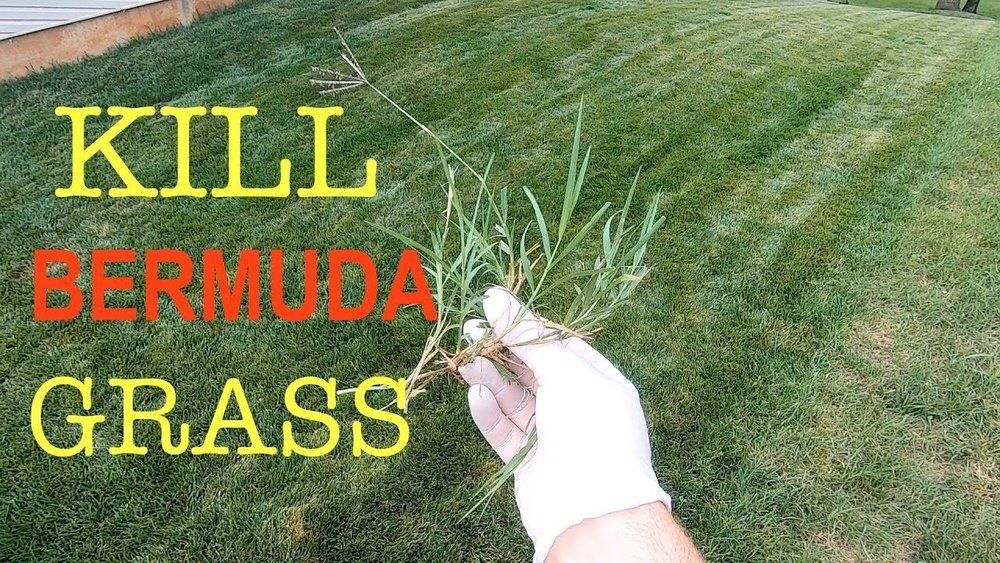
Removing Bermuda grass from your lawn starts with identifying it and then using a combination of mowing, manual removal, and soil preparation. Cutting it short weakens the grass, while pulling out roots and improving soil health prevents it from coming back. Consistency is key for quick, lasting results.
Is Bermuda grass taking over your lawn and making it hard to enjoy your outdoor space? You’re not alone.
Many homeowners struggle to keep this tough, fast-growing grass under control. But don’t worry—removing Bermuda grass is possible with the right approach. You’ll discover simple, effective steps to get rid of Bermuda grass for good and reclaim your lawn. Keep reading to learn how to transform your yard into the green, healthy space you deserve.
Identify Bermuda Grass
Identifying Bermuda grass is the first step to removing it from your lawn. Knowing how this grass looks helps you spot it quickly. This saves time and effort during removal.
Bermuda grass spreads fast and takes over spaces. It has unique features that make it different from other plants. Recognizing these features helps you control it better.
Characteristics Of Bermuda Grass
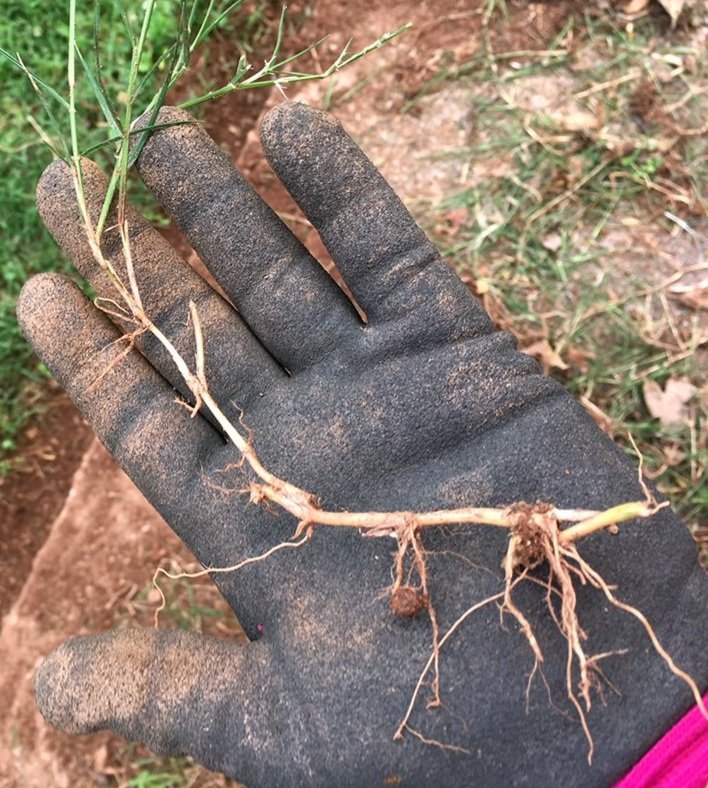
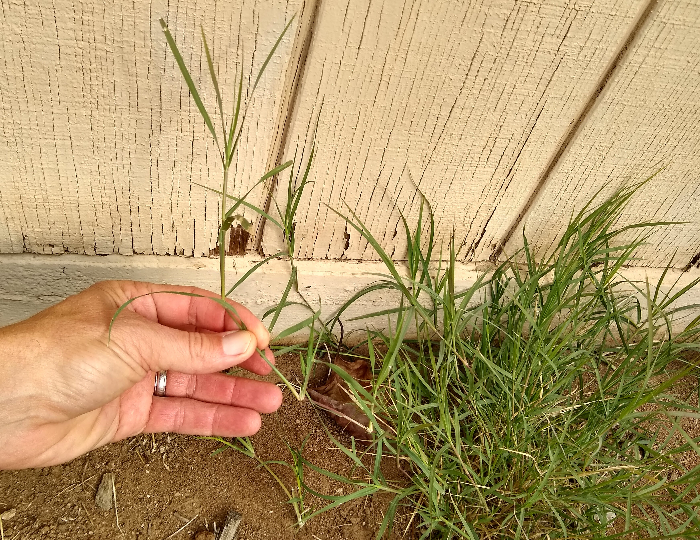
Bermuda grass has fine, thin leaves that feel rough. The color is usually bright green or dark green. It grows low and spreads with runners called stolons and rhizomes.
This grass forms dense mats that choke out other plants. Its leaf blades are narrow, about 1/8 inch wide. The stems are hairy near the base, which is a key sign.
Distinguishing From Other Weeds
Bermuda grass looks similar to some weeds but has clear differences. Many weeds have wider leaves and different growth patterns. Bermuda grass spreads horizontally more than vertically.
Weeds often have flowers or seed heads that Bermuda grass lacks. Some weeds grow taller and do not form thick mats. Checking the leaf texture and growth helps tell them apart.
Prepare Your Lawn
Preparing your lawn is the first step in removing Bermuda grass. A well-prepared lawn helps in controlling this tough grass more effectively. This stage involves cutting the grass and checking the soil condition. Both tasks help create the right environment for new grass or plants to grow.
Mowing And Cleaning
Start by mowing your lawn very short. Cut the Bermuda grass close to the ground. This weakens the grass and makes it easier to remove. After mowing, rake up all the clippings and debris. Cleaning the lawn reduces places where Bermuda grass can hide and spread. Clear lawn space allows treatments to work better.
Soil Testing And Conditioning
Test your soil to learn its pH and nutrient levels. Soil testing kits are easy to use and provide quick results. Bermuda grass thrives in certain soil types, so understanding your soil helps control it. Add lime or sulfur to adjust the pH if needed. Use fertilizers to improve soil health before planting new grass. Healthy soil supports strong, desirable grass that can outcompete Bermuda.
Manual Removal Techniques
Manual removal is a natural way to control Bermuda grass. It takes patience and effort but avoids chemicals. This method works well for small patches or new growth.
Removing Bermuda grass by hand helps protect your lawn’s health. It stops the grass from spreading underground through its roots.
Hand Pulling Tips
Start by watering the lawn. Wet soil makes it easier to pull out roots. Grab the grass close to the base. Pull slowly and firmly. Try to remove all roots to prevent regrowth. Use gloves to protect your hands. Pull during cool parts of the day to reduce stress.
Using Garden Tools Effectively
Tools like a garden fork or a hoe work well for removing Bermuda grass. Insert the tool under the grass to loosen roots. Lift the grass gently to avoid breaking roots. A sharp spade can cut through tough roots. Work in small sections for better control. Clean tools after use to avoid spreading seeds or disease.
Credit: www.organicgrowersschool.org
Herbicide Options
Choosing the right herbicide is key to removing Bermuda grass from your lawn. Herbicides come in different types and strengths. Picking the correct one helps protect your lawn while killing unwanted grass.
Selective Vs Non-selective Herbicides
Selective herbicides target specific plants without harming others. They are good for lawns because they kill Bermuda grass but keep your grass safe. Non-selective herbicides kill all plants they touch. Use them only on bare spots or before planting new grass.
Selective herbicides work slowly but are safer for your lawn. Non-selective herbicides act fast but need careful use. Knowing the difference helps you choose the best option for your lawn’s health.
Safe Application Methods
Apply herbicides on calm, dry days. Wind can spread chemicals to plants you want to keep. Follow the label instructions carefully. Use the right amount to avoid damage to your lawn.
Wear gloves and protective clothing while applying herbicides. Keep children and pets away from treated areas until safe. Water your lawn only as directed after applying herbicides.
Natural Remedies
Natural remedies offer gentle and eco-friendly ways to remove Bermuda grass from your lawn. These methods avoid harsh chemicals and protect the soil and nearby plants. They work best with patience and regular care.
Vinegar And Other Home Solutions
White vinegar can kill Bermuda grass by drying it out. Use a spray bottle to apply vinegar directly on the grass leaves. Do this on a sunny day for better results. Be careful not to spray on plants you want to keep.
Mix vinegar with a small amount of dish soap. The soap helps the vinegar stick to the grass. Repeat this treatment every few days. This method may take a few weeks to show results.
Salt also works but use it sparingly. Too much salt can harm the soil. A mixture of vinegar, salt, and soap can speed up the process. Apply carefully and only on the Bermuda grass patches.
Solarization Method
Solarization uses the sun’s heat to kill Bermuda grass and seeds. Cover the affected area with clear plastic sheets. Secure the edges with soil or rocks to trap heat.
Leave the plastic in place for 4 to 6 weeks during hot weather. The heat under the plastic will kill the grass roots and seeds. This method also helps reduce weed growth.
After solarization, remove the plastic and let the soil rest. Then, plant new grass or seeds to restore your lawn. Solarization is natural and safe but needs sunny, warm conditions.
Preventing Bermuda Grass Return
Stopping Bermuda grass from growing back takes regular care and smart choices. This grass spreads fast and can return if you don’t act right. Use good lawn habits and pick the right grass to keep it away for good.
Lawn Maintenance Practices
Keep your lawn healthy to block Bermuda grass. Mow often, but not too short. Water deeply and less often. This helps grass roots grow strong. Remove weeds quickly. Aerate soil to improve air and water flow. Fertilize with the right nutrients for your grass type.
Choosing Resistant Grass Types
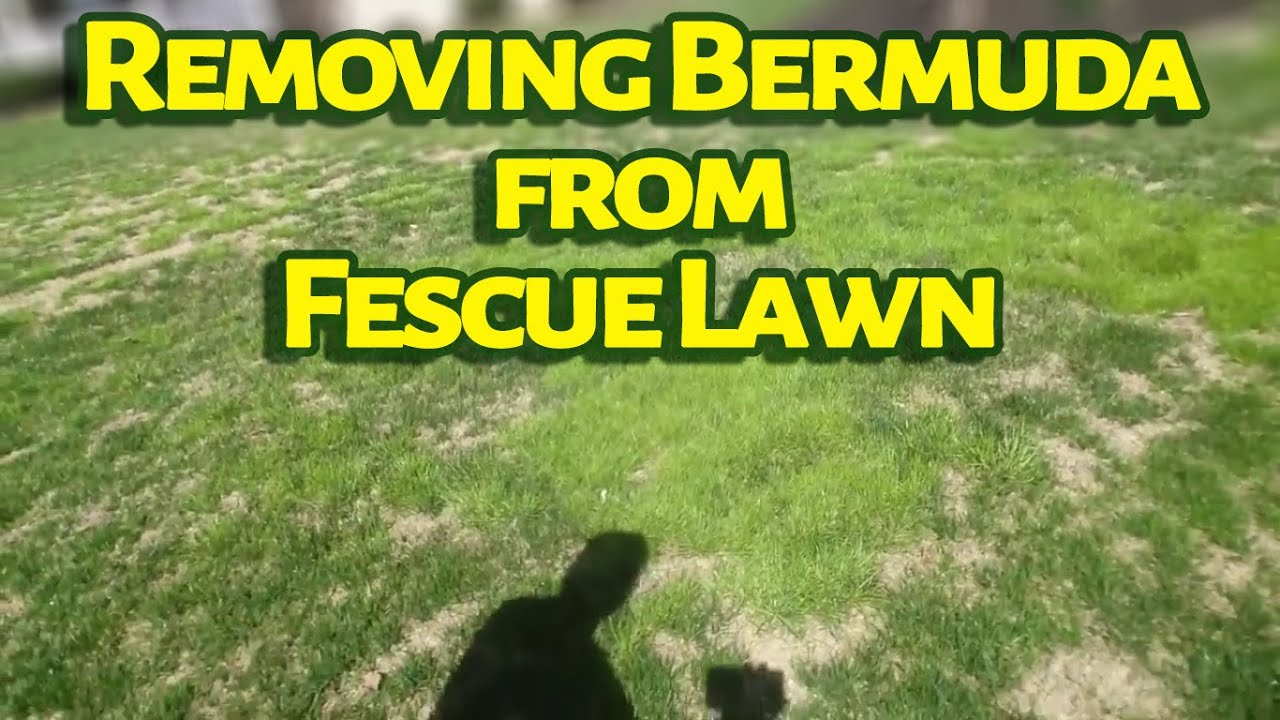
Select grasses that fight off Bermuda grass. Tall fescue and Kentucky bluegrass work well in many areas. These grasses grow thick and crowd out weeds. Plant them in the right season for best results. Using resistant grass lowers the chance of Bermuda grass return.
When To Seek Professional Help
Removing Bermuda grass from your lawn can be tough. Sometimes, the grass grows back after your best efforts. Knowing when to seek professional help saves time and effort. Professionals have tools and knowledge to handle stubborn grass.
Signs You Need Expert Help
Check your lawn carefully. If Bermuda grass covers a large area, you might need help. If it grows fast and spreads quickly, professionals can control it better. Also, if your lawn shows bare spots or damage, experts can fix that too.
Complex Lawn Conditions
Some lawns have mixed grass types or uneven soil. This makes removing Bermuda grass harder. Professionals test the soil and choose the best treatment. They can protect other plants while removing unwanted grass.
Repeated Failures With Diy Methods
Try home methods for a while. If Bermuda grass returns after treatments, call a pro. Professionals use stronger and safer herbicides. They also know how to apply them without harming your lawn.
Time And Effort Constraints
Removing Bermuda grass takes time and patience. If you have a busy schedule, experts can do the job faster. They save you effort and prevent frustration.
Credit: www.youtube.com
Credit: gregalder.com
Frequently Asked Questions
How Can I Effectively Remove Bermuda Grass From My Lawn?
Use a combination of manual removal, herbicides, and proper lawn care. Mow regularly and improve soil health to prevent regrowth. Consistent effort is key for successful Bermuda grass removal.
What Herbicides Work Best For Bermuda Grass Control?
Selective herbicides with glyphosate or fluazifop are effective. Always follow label instructions and apply during active growth for best results. Use protective gear and avoid harming desirable plants.
How Long Does It Take To Eliminate Bermuda Grass Completely?
Complete removal can take several weeks to months. Persistence in treatment and lawn maintenance speeds up eradication. Monitor progress and repeat treatments as needed for full control.
Can I Prevent Bermuda Grass From Spreading To Other Lawn Areas?
Yes, use physical barriers and maintain healthy turf to reduce spread. Regularly inspect and remove new Bermuda grass patches promptly. Proper lawn care limits its invasive growth.
Conclusion
Removing Bermuda grass takes time and patience. Regular care helps stop its growth. Use the right tools and methods for best results. Keep checking your lawn to catch new sprouts early. Healthy grass will crowd out Bermuda grass naturally. Stay consistent, and your lawn will improve day by day.
Small steps lead to a greener, cleaner yard. Your hard work will pay off with a beautiful lawn.
