

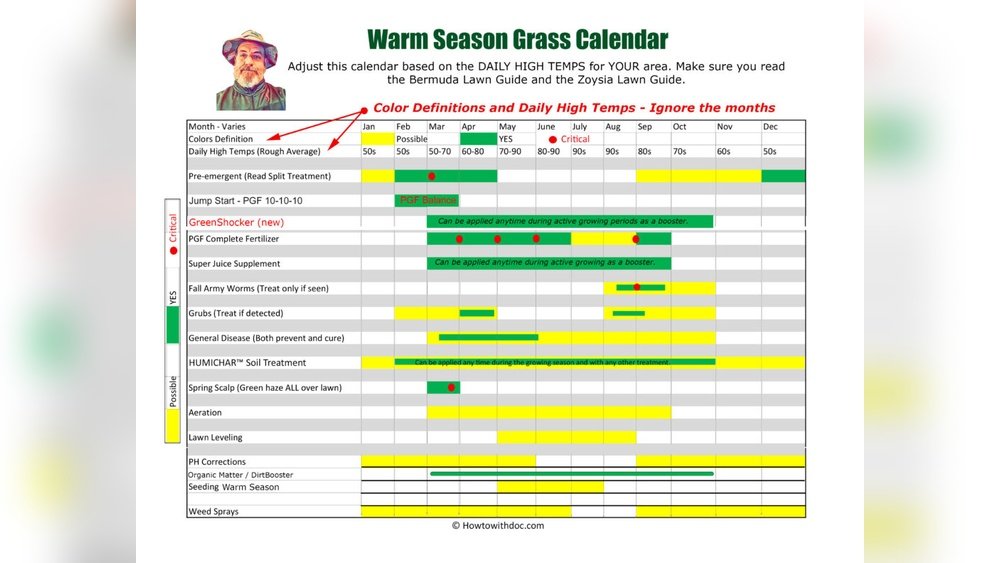
The best time to fertilize Bermuda grass in Georgia is when the soil temperature reaches around 65°F, typically in early spring, to support new growth. Additional feedings during summer and a final application in late fall help maintain a healthy, green lawn through the growing season while avoiding fertilizing during dormancy in winter.
Are you struggling to keep your Bermuda grass lush and green in Georgia’s unique climate? Knowing exactly when to fertilize your lawn can make all the difference between a patchy yard and a vibrant, healthy lawn that stands out in your neighborhood.
Timing is everything, and getting it right means your grass will grow stronger, resist weeds, and stay green longer. You’ll discover the best times to feed your Bermuda grass so it thrives all season. Keep reading to unlock the secrets that’ll help you achieve the perfect lawn you’ve been dreaming of.
Bermuda Grass Growth Cycle
Bermuda grass has a unique growth cycle that affects how and when to fertilize it in Georgia. Understanding this cycle helps keep your lawn green and healthy. The growth cycle depends on the seasons and temperature changes. Knowing the right times to feed your Bermuda grass ensures strong roots and thick blades.
Seasonal Growth Patterns
Bermuda grass grows fastest during warm months. It starts to green up in late spring as temperatures rise. Summer is the peak growth time. The grass uses nutrients quickly and needs regular fertilizing. In early fall, growth slows down but the grass still needs some nutrients. Fertilizing during these times supports healthy growth and recovery.
Dormant Periods
In winter, Bermuda grass goes dormant and stops growing. It turns brown and looks dead but is still alive. Fertilizing during dormancy is not helpful and can harm the grass. The best approach is to wait until spring to fertilize again. Let the grass rest during cold months to prepare for new growth.
Ideal Fertilization Times
Fertilizing Bermuda grass at the right time helps it grow thick and green. Knowing the best times to feed your lawn in Georgia keeps it healthy all year. Fertilizing too early or too late can hurt the grass or waste fertilizer. Follow these seasonal tips for ideal fertilization times.
Spring Application
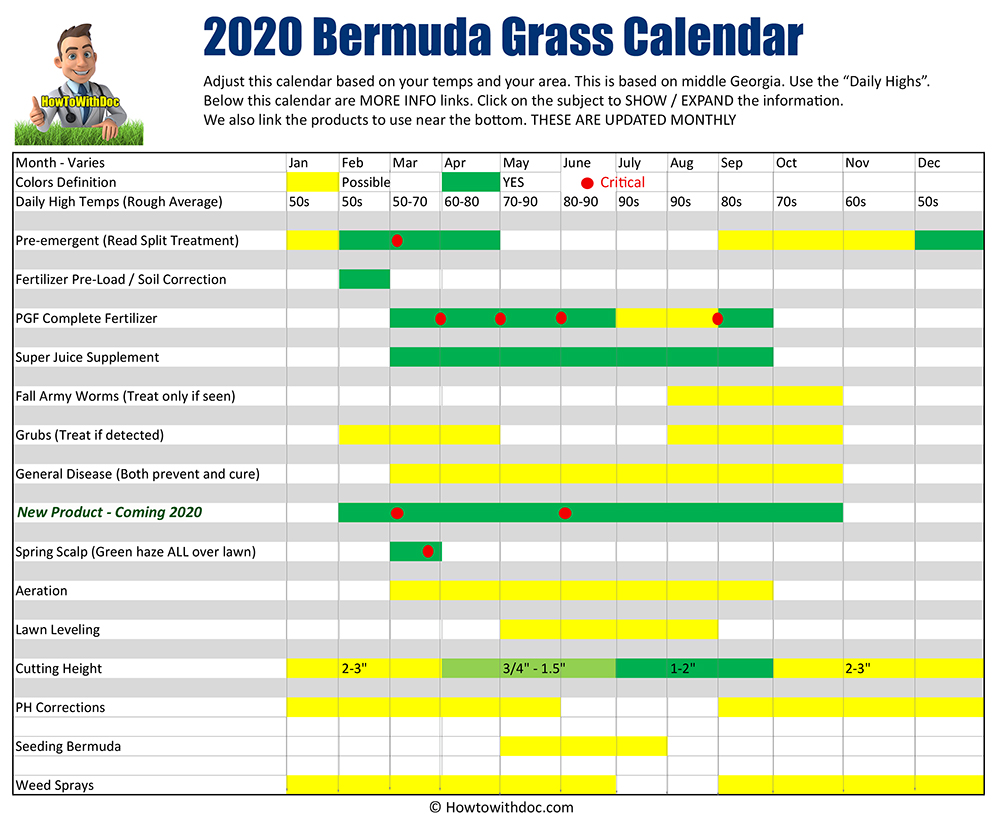
Start feeding Bermuda grass in early spring. This is when the grass begins to grow after winter. Use a fertilizer high in nitrogen for strong growth. Apply fertilizer when soil temperatures reach about 65°F. This encourages roots and shoots to develop well.
Summer Feeding
Summer is the growing peak for Bermuda grass. Fertilize once or twice during the hot months. Use a balanced fertilizer with nitrogen, phosphorus, and potassium. Avoid over-fertilizing to prevent stress during dry spells. Water the lawn after applying fertilizer to help it absorb nutrients.
Fall Fertilizing
Fall fertilizing helps Bermuda grass store nutrients for winter. Apply fertilizer after the last mowing in late fall. Choose a fertilizer with more potassium to strengthen roots. This improves cold tolerance and prepares the grass for spring growth. Avoid heavy nitrogen doses to prevent late growth.
Choosing The Right Fertilizer
Choosing the right fertilizer for Bermuda grass in Georgia is key to a healthy lawn. The right nutrients help the grass grow strong and green. Different fertilizers provide different benefits. Understanding these options helps you pick the best one for your yard’s needs.
Nutrient Requirements
Bermuda grass needs mainly nitrogen for growth. It also needs small amounts of phosphorus and potassium. Nitrogen helps the grass stay green and grow fast. Phosphorus supports root growth. Potassium improves disease resistance and drought tolerance. Check your soil to see which nutrients are missing. This helps you choose a fertilizer that fills those gaps.
Slow-release Vs. Quick-release
Slow-release fertilizers feed grass over time. They release nutrients slowly for steady growth. This reduces the chance of burning your lawn. Quick-release fertilizers work fast. They give an instant boost to the grass. But their effect does not last long. Use slow-release for regular feeding. Use quick-release for a quick green-up before an event or season.

Credit: www.walterreeves.com
Soil Testing And Preparation
Preparing your soil before fertilizing Bermuda grass is key for a healthy lawn. Soil testing shows what nutrients your grass needs. It helps avoid over-fertilizing or missing important minerals. Proper preparation creates the best conditions for fertilizer to work well.
When To Test Soil
Test soil in early spring or fall. These seasons give a clear view of nutrient levels. Testing before fertilizing saves money and protects the environment. Collect soil samples from different lawn areas. Send them to a local extension office or lab for analysis.
Adjusting Soil Ph
Bermuda grass grows best in soil with pH between 5.8 and 7.0. Test results show if your soil is too acidic or alkaline. Add lime to raise pH or sulfur to lower it. Adjust soil pH at least a few weeks before fertilizing. This helps the fertilizer nutrients absorb properly.
Signs Your Bermuda Grass Needs Fertilizer
Bermuda grass shows clear signs when it needs fertilizer. Knowing these signs helps keep your lawn healthy and green. Watch your grass closely. Early care means a strong lawn later.
Color Changes
Bermuda grass turns pale or yellow without enough nutrients. Dull green or brown patches also appear. Healthy Bermuda grass stays bright green. Color changes signal it needs feeding.
Growth Rate
Slow or thin growth means your grass lacks food. Bermuda grass usually grows fast in warm weather. When growth slows down, fertilizer can boost it. Watch for bare spots or thinning areas.
Weed Invasion
Weeds grow quickly in weak grass. Bermuda grass that needs fertilizer cannot fight weeds well. More weeds mean your lawn needs extra care. Feeding Bermuda grass helps it grow thick and strong.
Credit: www.howtowithdoc.com
Common Fertilization Mistakes
Fertilizing Bermuda grass in Georgia needs care. Many gardeners make common mistakes that harm the lawn. These errors waste fertilizer and can damage grass health. Knowing what to avoid helps keep your lawn green and strong.
Overfertilizing Risks
Applying too much fertilizer is a major problem. It can burn the grass and cause yellow spots. Excess fertilizer runs off into water, polluting the environment. Overfertilizing also encourages weeds and pests. Using the right amount keeps your lawn safe and healthy.
Timing Errors
Fertilizing at the wrong time reduces benefits. Early or late fertilizer applications can stress Bermuda grass. The best time is during active growth in spring and summer. Avoid fertilizing during dormancy or extreme heat. Correct timing helps grass absorb nutrients better.
Watering After Fertilization
Watering after fertilizing Bermuda grass in Georgia helps the nutrients reach the roots. It also prevents the fertilizer from burning the grass blades. Proper watering supports quick absorption and healthy growth.
Best Practices
Water the lawn lightly right after spreading fertilizer. Use about a quarter inch of water to soak the fertilizer into the soil. Avoid overwatering, which can wash away nutrients. Water again a day later to keep the soil moist. Early morning watering is best to reduce evaporation.
Avoiding Runoff
Runoff wastes fertilizer and harms nearby plants and water sources. Water slowly and gently to let fertilizer soak in. Avoid watering before heavy rain to prevent washing away fertilizer. Use a sprinkler with even coverage to control water flow. Stop watering when the soil feels moist but not soggy.

Credit: site.extension.uga.edu
Special Considerations For Georgia
Fertilizing Bermuda grass in Georgia requires special care. The state’s unique climate and soil types affect how and when you should fertilize. Knowing these details helps keep your lawn green and healthy all year long.
Climate Impact
Georgia’s warm climate allows Bermuda grass to grow for most of the year. Summers can be hot and dry. This means the grass needs more nutrients and water during these months. Winter is mild, so the grass may stay green longer than in colder states. Fertilizing early spring helps the grass recover from winter. Late spring and early summer fertilizing supports strong growth. Avoid fertilizing too late in fall to prevent stressing the grass before winter.
Regional Soil Variations
Soil in Georgia varies from sandy near the coast to clay in the north. Sandy soil drains quickly and loses nutrients fast. It needs more frequent but lighter fertilizing. Clay soil holds nutrients well but may cause poor drainage. Fertilize less often but use slow-release fertilizers. Testing your soil helps decide the right fertilizer type and amount. Adjusting fertilization based on soil type improves Bermuda grass health and appearance.
Frequently Asked Questions
When Is The Best Time To Fertilize Bermuda Grass In Georgia?
The best time to fertilize Bermuda grass in Georgia is late spring through early summer. Apply fertilizer once the grass starts actively growing and temperatures consistently stay above 65°F. This timing promotes healthy growth and green color throughout the summer.
How Often Should I Fertilize Bermuda Grass In Georgia?
Fertilize Bermuda grass every 6 to 8 weeks during the growing season in Georgia. Typically, 3 to 4 applications from late spring to early fall are ideal. This schedule ensures steady nutrient supply for vibrant, dense turf.
What Type Of Fertilizer Works Best For Bermuda Grass?
Use a balanced fertilizer with a nitrogen-rich formula, such as 16-4-8 or 20-10-10. Nitrogen supports lush green growth, while phosphorus and potassium improve root development and disease resistance. Choose slow-release fertilizers for long-lasting effects.
Can I Fertilize Bermuda Grass In Georgia During Winter?
No, avoid fertilizing Bermuda grass in winter. The grass goes dormant in cold months, and fertilizer won’t be absorbed. Fertilizing during dormancy can waste nutrients and increase the risk of runoff.
Conclusion
Fertilizing Bermuda grass at the right time keeps it healthy and green. Start feeding in early spring when grass begins to grow. Avoid fertilizing during hot summer months to prevent stress. A balanced fertilizer helps the grass grow thick and strong.
Regular care makes your lawn look great all year. Follow these simple steps for best results in Georgia. Your Bermuda grass will thank you with a lush, green lawn. Easy to do, and worth the effort!
