


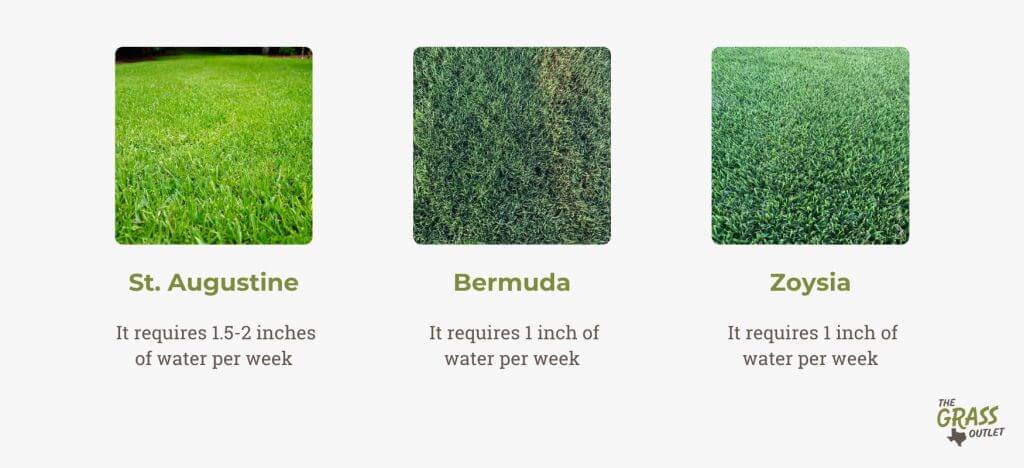
Bermuda grass thrives with about 1 to 1.5 inches of water per week, applied in deep, infrequent sessions rather than daily light watering. Adjust watering based on climate and season, aiming for early morning to reduce evaporation and avoid overwatering, which can lead to disease and weak roots.
Are you wondering how much water your Bermuda grass really needs to stay green and healthy? Getting the watering right can be tricky—too little, and your lawn turns brown and dry; too much, and you waste water and risk disease.
You’ll discover simple, practical tips to keep your Bermuda grass thriving without overdoing it. By understanding exactly how much water your lawn needs, you’ll save time, money, and effort while enjoying a lush, vibrant yard all season long. Keep reading to find out the secrets to perfect Bermuda grass watering!
Credit: thegrassoutlet.com
Water Requirements For Bermuda Grass
Bermuda grass is a popular choice for lawns and sports fields. It needs water to stay green and healthy. Knowing how much water to give helps keep the grass strong. Too little water makes it dry and brown. Too much water can cause problems like fungus. Understanding the water needs of Bermuda grass helps you care for it well.
Daily Vs Weekly Needs
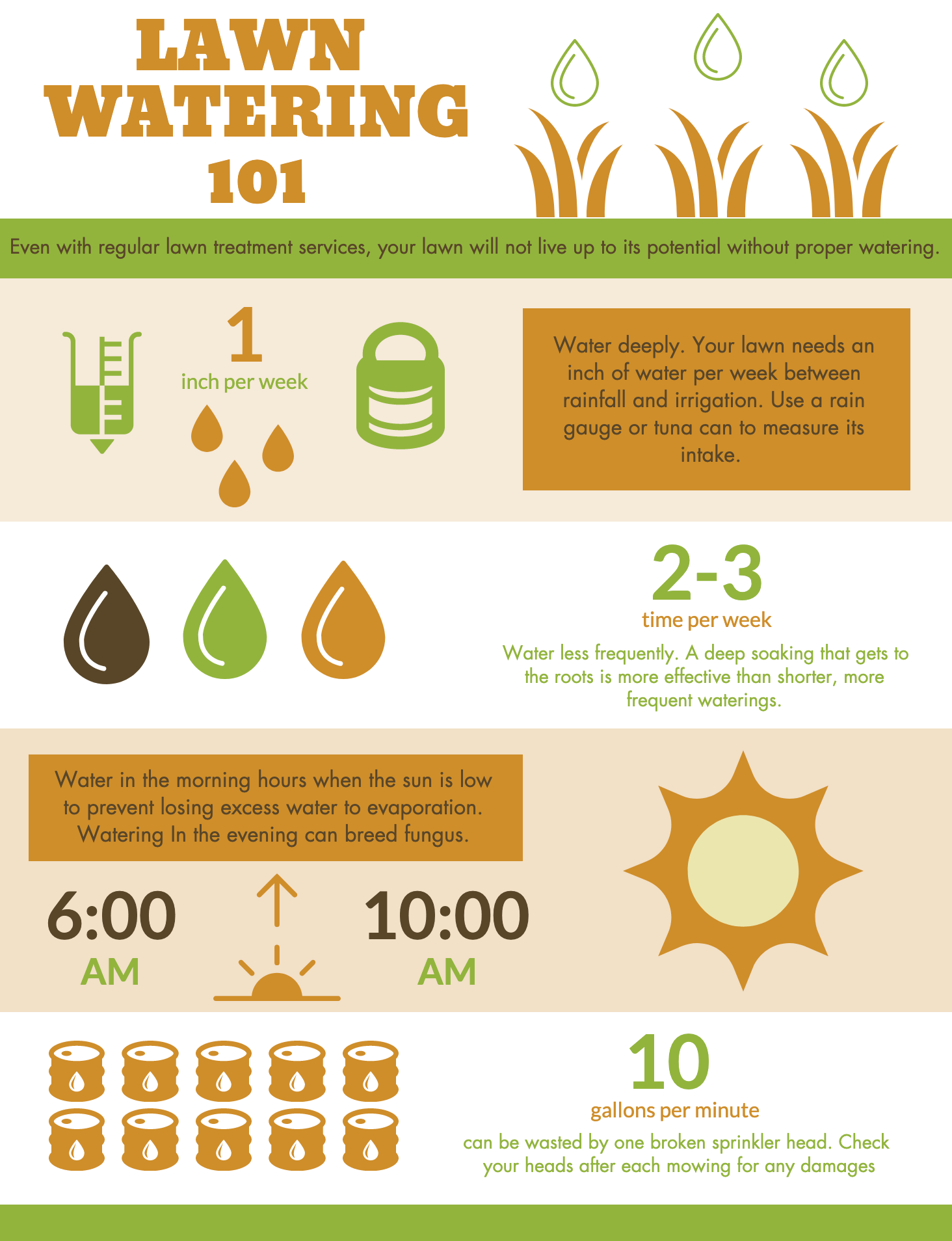
Bermuda grass does not need daily watering. It grows best with deep, infrequent watering. Watering once or twice a week is usually enough. This encourages deep roots that find water in the soil. Light daily watering creates shallow roots. Shallow roots make the grass weak in dry times.
Seasonal Variations
The water needs change with the seasons. In summer, Bermuda grass needs more water. Hot weather causes faster drying of soil. Watering about 1 to 1.5 inches per week works well. In cooler months, the grass needs less water. Too much water in cool seasons can harm the grass.
Impact Of Climate
Climate plays a big role in watering Bermuda grass. Dry, hot climates need more frequent watering. Humid areas may need less water. Rainfall also affects how much you water. Adjust watering based on local weather and soil type. Watch the grass for signs of thirst or overwatering.
Credit: tucson.com
Signs Of Underwatering
Knowing the signs of underwatering is key to keeping Bermuda grass healthy. This grass needs enough water to stay green and strong. When it does not get enough water, it shows clear signs. Spotting these signs early helps you save your lawn from damage.
Color Changes
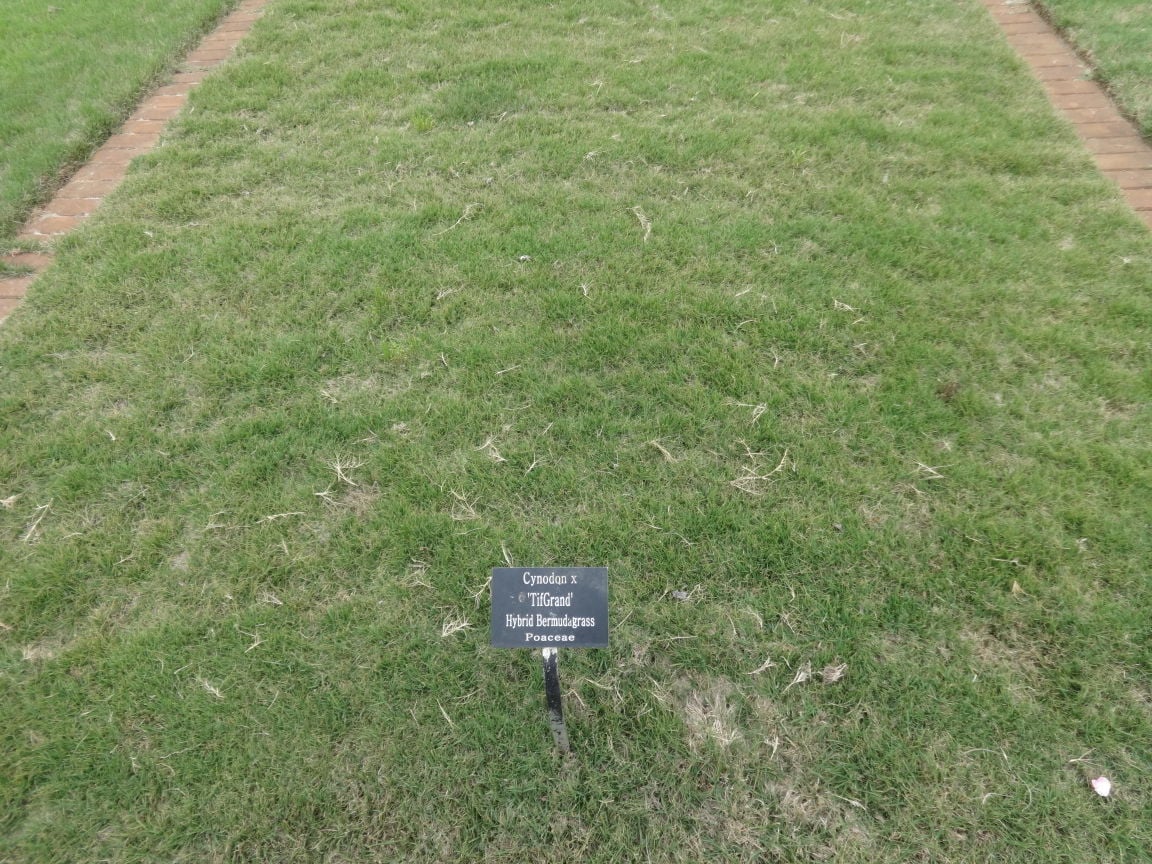
Bermuda grass turns pale or brown when it lacks water. Healthy grass stays bright green. Watch for dull or yellow patches. These color changes mean the grass is stressed.
Soil Moisture Levels
Check soil to see if it is dry. Dry soil means no water for grass roots. Use your finger or a small tool to dig a few inches. If the soil feels hard and crumbly, it needs watering.
Grass Texture
Grass blades look dry and brittle when underwatered. They lose their softness and bend easily without springing back. The lawn may feel rough under your feet. This texture shows the grass is thirsty.
Optimal Watering Techniques
Watering Bermuda grass properly helps it stay green and healthy. Using the right techniques saves water and improves growth. It also prevents disease and root problems. Focus on timing, duration, and method to give your grass the best care.
Best Time To Water
Water Bermuda grass early in the morning. Between 6 a.m. and 10 a.m. is ideal. This timing reduces water loss from evaporation. It also allows the grass to dry during the day. Avoid watering at night to prevent fungus growth.
Watering Duration
Water deeply but less often. Aim for about 1 inch of water per week. This encourages deep root growth. Watering too little weakens roots. Watering too much causes shallow roots and disease. Use a rain gauge or container to measure water.
Irrigation Methods
Use sprinklers that provide even coverage. Choose systems that water slowly to avoid runoff. Drip irrigation works well for small areas. Avoid hand watering as it can be uneven. Regularly check your irrigation system for leaks or clogs.
Soil And Drainage Factors
Understanding soil and drainage is key to watering Bermuda grass properly. Different soils hold water differently. Drainage affects how much water the grass actually gets. These factors change how often and how much you need to water your lawn.
Soil Types
Sandy soil drains quickly and holds less water. Bermuda grass in sandy soil needs more frequent watering. Clay soil holds water longer but drains slowly. Overwatering clay soil can cause root problems. Loamy soil is ideal. It holds moisture but drains well. Knowing your soil type helps plan watering better.
Improving Drainage
Good drainage prevents water from pooling on your lawn. Aerate the soil by poking small holes. This helps water seep into the ground. Adding organic matter like compost improves soil structure. It allows water to move more freely. Avoid compacting the soil with heavy tools or foot traffic.
Avoiding Waterlogging
Waterlogging means too much water stays around the roots. It can cause roots to rot and kill the grass. Avoid watering right before rain or watering too long. Check your lawn after watering. Stop if water pools or stays soggy. Proper drainage and watering keep Bermuda grass healthy.
Enhancing Water Efficiency
Water efficiency helps save water and keeps Bermuda grass healthy. It cuts water waste and lowers your water bill. Using smart methods makes lawn care easier and better for the environment. Here are some ways to enhance water efficiency for Bermuda grass.
Mulching Benefits
Mulching keeps soil moist longer by reducing evaporation. It also stops weeds from growing. Mulch adds nutrients to the soil as it breaks down. This helps Bermuda grass grow strong and use less water. Use organic mulch like grass clippings or wood chips for best results.
Using Rain Sensors
Rain sensors stop sprinklers from running during rain. This prevents overwatering and saves water. Sensors detect moisture and pause irrigation automatically. They help keep Bermuda grass watered only when needed. Installing rain sensors is simple and cost-effective.
Smart Irrigation Systems
Smart irrigation systems adjust watering based on weather and soil. They use data to water Bermuda grass at the right time and amount. This avoids water waste and keeps the lawn green. Many systems can be controlled from a smartphone for convenience.
Common Watering Mistakes
Watering Bermuda grass may seem simple, but many make common mistakes. These errors can harm the grass or waste water. Understanding these mistakes helps keep your lawn healthy and green. Avoiding them ensures your grass gets the right amount of water.
Overwatering Risks
Too much water can drown Bermuda grass roots. This leads to weak growth and makes grass prone to disease. Overwatering also wastes water and raises your bills. Grass needs less water than many believe. Water deeply but less often for best results.
Inconsistent Schedules
Watering at random times stresses Bermuda grass. It needs a steady routine to grow well. Skipping days or watering too much one day causes problems. A consistent schedule helps roots grow deep and strong. Choose regular days and stick to them.
Ignoring Weather Changes
Weather affects how much water Bermuda grass needs. Hot, dry days require more water. Rainy or cool weather means less watering is needed. Ignoring weather can cause overwatering or drought stress. Adjust watering based on current weather conditions.
Credit: southernlawns.net
Frequently Asked Questions
How Often Should I Water Bermuda Grass Weekly?
Bermuda grass typically needs about 1 to 1. 25 inches of water per week. Water deeply 2-3 times weekly to encourage strong roots. Adjust frequency based on rainfall and soil type for best results.
What Time Of Day Is Best To Water Bermuda Grass?
Early morning watering is ideal for Bermuda grass. It reduces evaporation and allows grass to dry by evening, preventing disease. Avoid watering late at night or midday for optimal lawn health.
Can Bermuda Grass Survive With Less Water?
Bermuda grass is drought-tolerant but thrives with regular watering. Reduced water slows growth and may cause browning. For best appearance, maintain consistent moisture, especially during hot, dry periods.
How Does Soil Type Affect Bermuda Grass Watering?
Sandy soils drain quickly and need more frequent watering. Clay soils retain moisture longer, requiring less frequent watering. Knowing your soil type helps tailor watering to Bermuda grass needs.
Conclusion
Bermuda grass needs regular watering to stay green and healthy. Water deeply but less often to encourage strong roots. Early morning is the best time to water your lawn. Watch the soil and grass for signs of dryness or overwatering.
Adjust watering based on weather and season changes. Healthy Bermuda grass improves your yard’s look and feel. Keep these tips in mind for a lush, vibrant lawn year-round. Simple care makes a big difference.
