
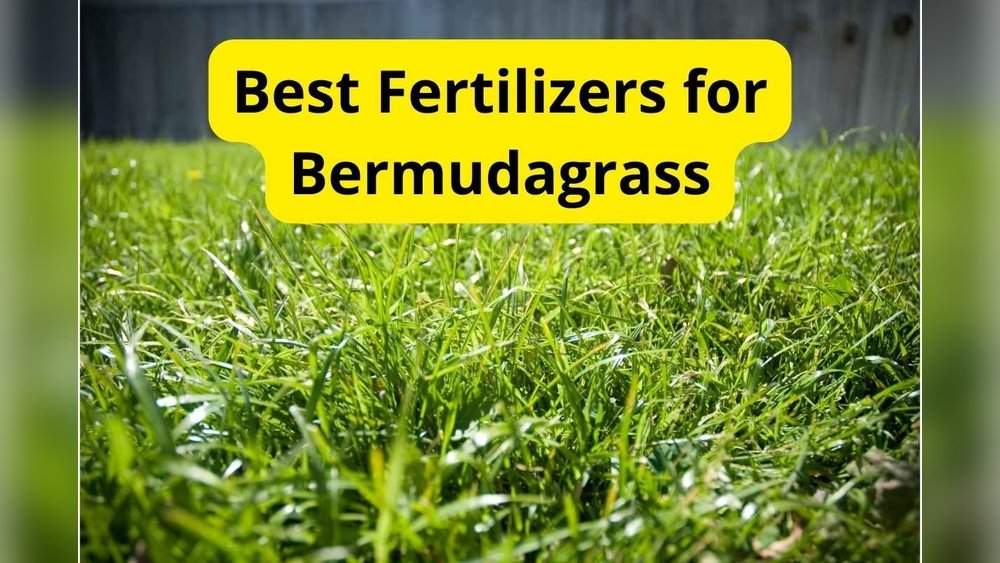
The best fertilizer for Bermuda grass is one high in nitrogen to promote lush green growth, with balanced phosphorus and potassium for strong roots and disease resistance. Slow-release granular fertilizers work well for steady feeding, while organic options improve soil health over time, supporting a vibrant, durable lawn.
Are you struggling to keep your Bermuda grass lush and green? Choosing the right fertilizer can make all the difference in how your lawn looks and grows.
But with so many options out there, how do you know which one is best for your Bermuda grass? You’ll discover simple, effective tips to help your lawn thrive. Keep reading to find the perfect fertilizer that will transform your yard into the vibrant, healthy space you’ve always wanted.

Credit: lawnlove.com
Choosing Fertilizer For Bermuda Grass
Choosing fertilizer for Bermuda grass affects its health and growth. The right fertilizer supplies essential nutrients. It helps the grass stay green and strong. Understanding the needs of Bermuda grass is important. This guides the choice of fertilizer type and timing.
Nutrient Needs Of Bermuda Grass
Bermuda grass needs nitrogen for green color and growth. It also requires phosphorus for root development. Potassium helps the grass resist disease and drought. Balanced nutrients keep the lawn healthy all season. Deficiency in any nutrient causes weak and patchy grass.
Types Of Lawn Fertilizers
Fertilizers come in three main forms: granular, liquid, and organic. Granular fertilizers are easy to spread and last longer. Liquid fertilizers act quickly but need frequent application. Organic fertilizers improve soil health and release nutrients slowly. Each type suits different lawn care plans.
Slow-release Vs. Quick-release Fertilizers
Slow-release fertilizers feed Bermuda grass gradually over weeks. They reduce the risk of burning the lawn. Quick-release fertilizers provide an instant nutrient boost. They work well for fast greening but fade quickly. Choosing depends on the lawn’s condition and care schedule.

Credit: theturfgrassgroup.com
Key Nutrients For Healthy Growth
Healthy Bermuda grass needs the right nutrients to grow strong and green. Fertilizers provide these essential nutrients. Knowing which nutrients Bermuda grass needs helps you pick the best fertilizer.
Each nutrient plays a unique role. Some help the grass grow fast. Others improve root health or resist diseases. Let’s explore the key nutrients for Bermuda grass growth.
Role Of Nitrogen
Nitrogen is the most important nutrient for Bermuda grass. It helps the grass grow thick and green. Nitrogen supports leaf growth and overall health. Without enough nitrogen, the grass looks yellow and weak. Fertilizers with high nitrogen work best in spring and summer.
Importance Of Phosphorus
Phosphorus helps Bermuda grass build strong roots. Strong roots absorb water and nutrients better. This nutrient also supports new grass growth and repair. Phosphorus is key for young lawns or areas with poor soil. Use fertilizers with phosphorus when planting or fixing your lawn.
Benefits Of Potassium
Potassium helps Bermuda grass fight disease and stress. It improves drought tolerance and cold resistance. This nutrient keeps the grass healthy under tough conditions. Potassium also helps the grass use water well. Fertilizers with potassium support long-term lawn health.
Micronutrients To Consider
Micronutrients like iron, manganese, and zinc matter too. They help the grass stay green and healthy. These nutrients support photosynthesis and enzyme functions. Deficiencies can cause yellowing or poor growth. Some fertilizers include these micronutrients for better results.
Best Fertilizer Formulations
Choosing the right fertilizer formulation is key for healthy Bermuda grass. Fertilizers provide essential nutrients that help grass grow strong and green. Different formulations affect your lawn’s health in unique ways. Understanding these options helps you pick the best one for your grass type and soil.
Fertilizer formulations vary in nutrient balance and source. Knowing which formulation suits Bermuda grass improves growth and durability. This section explains the best nutrient ratios, compares organic and synthetic options, and lists top brands.
Recommended N-p-k Ratios
Bermuda grass needs a fertilizer with more nitrogen than phosphorus or potassium. Nitrogen supports leaf growth and deep green color. A common ratio is 3-1-2 or 4-1-2 (N-P-K). For example, 12-4-8 or 16-4-8 works well. Avoid fertilizers with high phosphorus unless soil tests show deficiency. Potassium helps with root strength and disease resistance. Balanced nutrients keep Bermuda grass healthy and lush.
Organic Vs. Synthetic Options
Organic fertilizers come from natural sources like compost and manure. They release nutrients slowly and improve soil health. Organic options reduce chemical buildup and are eco-friendly. Synthetic fertilizers act faster and give quick results. They are easy to apply and often cheaper. Both types can work well if applied correctly. Choose based on your lawn’s needs and your preference for natural care.
Top Fertilizer Brands For Bermuda Grass
Several brands offer fertilizers designed for Bermuda grass. Scotts Turf Builder is popular for ease and effectiveness. Milorganite provides organic nutrients and improves soil quality. Pennington’s products suit different lawn needs with balanced formulas. Espoma offers organic fertilizers that promote healthy growth. Selecting trusted brands ensures quality and consistent results for your lawn.

Credit: theturfgrassgroup.com
Application Tips For Optimal Results
Applying fertilizer correctly helps Bermuda grass grow thick and green. Proper timing and method improve nutrient uptake. This section shares easy tips for the best results. Follow these steps to keep your lawn healthy and lush.
When To Fertilize Bermuda Grass
Fertilize Bermuda grass during its active growing season. Start in late spring when the grass turns green. Continue every 6 to 8 weeks until early fall. Avoid fertilizing in winter or when grass is dormant. This prevents nutrient waste and lawn damage.
How To Apply Fertilizer Correctly
Use a spreader for even fertilizer distribution. Apply fertilizer on dry grass to avoid clumping. Follow the recommended amount on the product label. Avoid over-fertilizing to prevent burning the grass. Walk slowly and overlap slightly to cover the entire lawn.
Watering And Maintenance After Fertilizing
Water the lawn lightly after applying fertilizer. This helps nutrients soak into the soil. Avoid heavy watering right after fertilizing to stop runoff. Keep mowing the lawn regularly but wait a few days after fertilizing. Monitor your lawn’s health and adjust care as needed.
Common Mistakes To Avoid
Choosing the best lawn fertilizer for Bermuda grass requires care. Many people make mistakes that harm their lawn instead of helping it. Avoiding common errors can keep your grass green and healthy. Here are some key mistakes to watch out for.
Overfertilization Risks
Too much fertilizer can burn Bermuda grass. It causes yellow leaves and weak roots. Overfertilizing also wastes money and harms the environment. Use the right amount based on the product’s instructions. Less is often better than too much.
Ignoring Soil Testing
Soil testing tells you what nutrients your lawn needs. Without it, you may add the wrong fertilizer. This can lead to poor growth or nutrient imbalances. Test your soil before applying fertilizer. It helps choose the best formula for Bermuda grass.
Applying Fertilizer In Wrong Weather
Applying fertilizer during rain can wash it away. This wastes fertilizer and pollutes nearby water. Also, avoid fertilizing when the grass is dry or stressed from heat. The best time is early morning or late afternoon on dry, calm days.
Enhancing Fertilizer Effectiveness
Enhancing fertilizer effectiveness is key to a healthy Bermuda grass lawn. Proper steps can help the grass absorb nutrients better. This leads to a greener, thicker lawn with less effort. Focus on simple techniques to boost fertilizer results.
Soil Preparation Techniques
Start by testing your soil. This shows nutrient levels and pH balance. Adjust pH with lime or sulfur to reach 6.0 to 7.0, ideal for Bermuda grass. Clear away debris and thatch to improve fertilizer contact with soil. Aerate the lawn to open soil and help fertilizer reach roots. Water the lawn lightly before applying fertilizer for better absorption.
Complementary Lawn Care Practices
Mow Bermuda grass regularly but avoid cutting too short. This keeps grass healthy and reduces stress. Water deeply but less often to encourage strong roots. Remove weeds manually or with safe methods to reduce competition. Reseed bare patches for even growth. Proper care helps fertilizer work faster and better.
Using Fertilizer With Weed And Pest Control
Choose fertilizers that include weed and pest control if possible. This saves time and protects your lawn. Apply herbicides or insecticides according to instructions to avoid damage. Avoid mixing chemicals unless recommended. Treat problems early to keep Bermuda grass strong and nutrient-rich.
Frequently Asked Questions
What Type Of Fertilizer Is Best For Bermuda Grass?
Nitrogen-rich fertilizers are ideal for Bermuda grass. They promote healthy, green growth and improve turf density. Use a balanced formula with nitrogen, phosphorus, and potassium for best results.
How Often Should I Fertilize Bermuda Grass?
Fertilize Bermuda grass every 6 to 8 weeks during the growing season. This helps maintain vibrant color and strong growth. Avoid over-fertilizing to prevent damage and nutrient runoff.
Can I Use Organic Fertilizer On Bermuda Grass?
Yes, organic fertilizers are safe and beneficial for Bermuda grass. They improve soil health and provide slow-release nutrients. Use compost or organic blends for sustainable lawn care.
When Is The Best Time To Fertilize Bermuda Grass?
The best time to fertilize Bermuda grass is late spring through summer. This period aligns with active growth. Avoid fertilizing during dormancy in winter to prevent stress.
Conclusion
Choosing the right fertilizer helps Bermuda grass grow strong and green. Use a fertilizer with balanced nutrients for best results. Apply it during the growing season for healthy roots and leaves. Regular feeding keeps your lawn thick and weed-free. Remember to water after applying fertilizer to help it soak in.
Healthy grass means a beautiful yard you can enjoy all year. Follow these tips, and your Bermuda lawn will look its best. Simple care makes a big difference in lawn health.
