

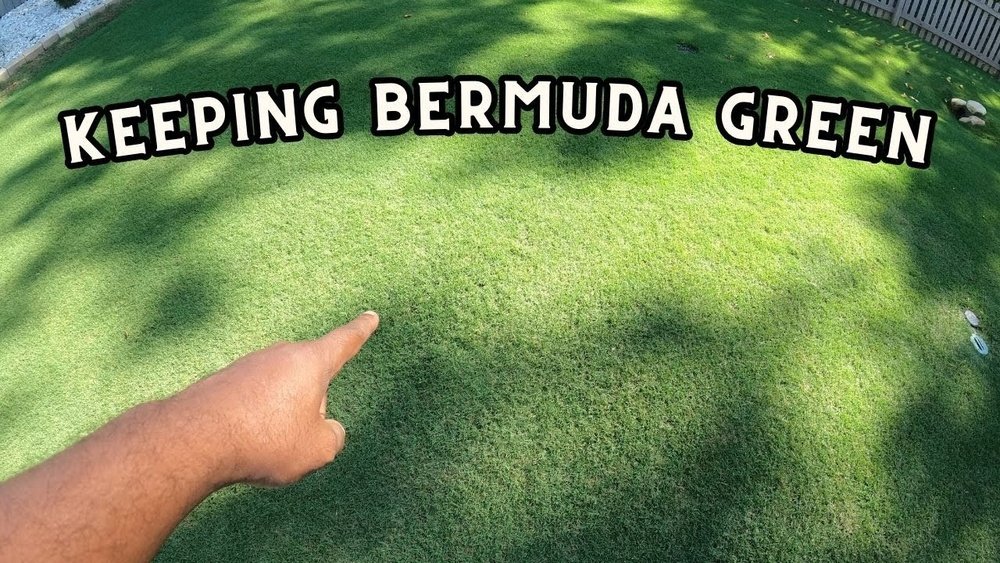
To keep Bermuda grass green, focus on choosing the right variety for your climate, preparing well-drained soil with the proper pH, and watering deeply but infrequently in the early morning. These steps help build strong roots and prevent stress, ensuring a vibrant lawn throughout the growing season.
Are you tired of seeing your Bermuda grass turn brown and patchy? Keeping your lawn lush and green doesn’t have to be a struggle.
With the right care, your Bermuda grass can stay vibrant all season long. Imagine stepping outside onto a soft, green carpet that makes your yard the envy of the neighborhood. You’ll discover simple and effective tips that will transform your lawn, saving you time and effort.
Ready to unlock the secrets to a healthy, green Bermuda grass? Let’s dive in.
Choosing The Right Bermuda Grass
Choosing the right Bermuda grass is the first step to a green, healthy lawn. Different types of Bermuda grass have unique qualities. Some grow better in certain climates and soil types. Picking the right variety saves time and effort in lawn care. It helps the grass stay green all year.
Understanding common Bermuda varieties and matching them to your climate is key. This ensures the grass thrives and looks its best. Learn about popular types and how to select the best one for your yard.
Common Bermuda Varieties
Bermuda grass comes in many varieties. Some popular ones include Common Bermuda, Hybrid Bermuda, and Tifway. Common Bermuda is tough and grows fast. It works well for lawns and sports fields. Hybrid Bermuda is finer and softer. It has a deeper green color. Tifway is a hybrid often used on golf courses. It handles heavy traffic well. Each type has unique strengths and needs.
Best Grass For Your Climate
Bermuda grass thrives in warm climates. It needs full sun and well-drained soil. In hot, dry areas, drought-tolerant types work best. Cooler regions may need cold-hardy varieties. Coastal areas benefit from salt-tolerant Bermuda. Match grass type to local weather and soil. This keeps your lawn green and healthy longer.

Credit: liquidlawn.com
Soil Preparation Tips
Preparing the soil is a key step to keep Bermuda grass green and healthy. Good soil helps grass roots grow deep and strong. It also makes sure the grass gets enough water and nutrients. Follow these simple soil preparation tips to improve your lawn.
Testing Soil Ph
Test your soil pH before planting Bermuda grass. The ideal pH is between 5.8 and 7.0. This range helps the grass absorb nutrients well. Use a soil test kit from a garden store or send a sample to a lab. Adjust the pH by adding lime to raise it or sulfur to lower it. Proper pH keeps Bermuda grass healthy and green.
Improving Soil Drainage
Good drainage prevents water from pooling on the lawn. Waterlogged soil can cause root rot and kill grass. Aerate the soil to create space for water and air. Mix organic matter like compost into the soil to improve texture. Avoid compacted soil by not walking on wet grass. Well-drained soil supports strong Bermuda grass roots.
Watering Techniques
Water is essential for keeping Bermuda grass lush and green. Proper watering helps grass roots grow deep and strong. It also prevents dryness and stress during hot days.
Understanding good watering techniques improves grass health. It saves water and stops common lawn problems. Below are key tips to water Bermuda grass effectively.
Optimal Watering Schedule
Water Bermuda grass early in the morning. Between 6 a.m. and 10 a.m. is best. This timing reduces water loss from evaporation.
Give about one inch of water weekly. Spread this amount over two or three watering sessions. This encourages deep root growth.
Adjust watering based on weather. Water more during very hot, dry spells. Cut back during rainy periods to avoid soggy soil.
Avoiding Overwatering
Too much water leads to shallow roots and weak grass. It also causes fungal diseases and mold.
Check soil moisture before watering. Use a screwdriver or soil probe about six inches deep. If soil feels wet, skip watering.
Water deeply but less often. This practice helps roots grow deeper, making grass drought-resistant.
Watch for puddles or water runoff. These signs show overwatering. Reduce water frequency or duration to fix this.

Credit: bethelfarms.com
Fertilizing For Vibrant Color
Fertilizing Bermuda grass is key to keeping it green and healthy. Proper feeding helps grass grow thick and vibrant. It supplies nutrients that soil might lack. Fertilizer also boosts the grass’s ability to resist weeds and drought. Knowing what type and when to apply fertilizer makes a big difference.
Choosing The Right Fertilizer
Pick a fertilizer made for warm-season grasses like Bermuda. Look for one with a balanced ratio of nitrogen, phosphorus, and potassium. Nitrogen helps the grass grow green and strong. Phosphorus supports root growth, but most soils have enough already. Potassium improves disease resistance and drought tolerance. A fertilizer with more nitrogen than other nutrients works best. Slow-release formulas feed the grass steadily over time. Avoid fertilizers with too much phosphorus unless a soil test shows a need.
Fertilizer Application Timing
Apply fertilizer during Bermuda grass’s active growing season. This usually starts in late spring when soil temperatures reach about 65°F. Stop fertilizing in late summer to let the grass prepare for dormancy. Spread fertilizer evenly to avoid patchy growth. Water the lawn after fertilizing to help nutrients soak into the soil. Too much fertilizer too often can harm the grass. Follow product instructions carefully and space applications about 6 to 8 weeks apart. Fertilizing at the right time supports vibrant, healthy grass all summer long.
Mowing Best Practices
Mowing Bermuda grass correctly helps keep it healthy and green. Proper mowing encourages strong roots and prevents weed growth. It also helps the grass absorb sunlight well. Follow these mowing best practices to maintain a lush lawn all season.
Ideal Mowing Height
Keep Bermuda grass at a height of 1 to 2 inches. Cutting too short stresses the grass. Too long makes it look messy and weak. A steady height helps the grass grow thick and green. Use a sharp mower blade for a clean cut.
Mowing Frequency Tips
Mow Bermuda grass every 5 to 7 days during the growing season. Regular mowing stops the grass from getting too tall. Avoid cutting more than one-third of the grass height at once. This keeps the lawn strong and prevents damage. Reduce mowing in cooler months when growth slows.
Controlling Weeds And Pests
Keeping Bermuda grass green means stopping weeds and pests from taking over. Weeds steal nutrients and water from your grass. Pests can damage the roots and blades, making your lawn look bad. Controlling these problems keeps your lawn healthy and full of life.
Common Weeds In Bermuda Lawns
Crabgrass is a tough weed that grows fast and spreads easily. It crowds out Bermuda grass and makes the lawn patchy. Dandelions have deep roots and yellow flowers. They compete for nutrients and water. Clover often appears in thin lawn spots. It can take over if not removed. Nutsedge is another weed that looks like grass but grows faster. It can choke Bermuda grass if unchecked.
Natural Pest Control Methods
Encourage beneficial insects like ladybugs and spiders. They eat harmful pests naturally. Use neem oil spray to control pests without chemicals. It is safe for grass and pets. Keep your lawn clean by removing dead leaves and grass. This reduces places where pests hide. Water your lawn early in the morning. It helps prevent fungus and pest growth. Aerate your lawn to improve soil health and reduce pest damage.
Dealing With Lawn Diseases
Dealing with lawn diseases is essential to keep Bermuda grass green and healthy. Diseases can cause brown patches, thinning, and weak grass. Early detection and proper care stop damage from spreading. Understanding the signs and taking preventive steps help maintain a lush lawn.
Signs Of Lawn Disease
Look for brown or yellow spots on the grass blades. Patches of dead grass may appear in circles or irregular shapes. Grass may look thin or wilted even with enough water. Fungal growth like white or gray powder can show on the surface. Slow grass growth or bare spots also indicate disease.
Preventive Measures
Mow Bermuda grass at the right height to avoid stress. Water the lawn early in the morning and not in the evening. Avoid overwatering, which creates a damp environment for fungi. Aerate the soil to improve air flow and drainage. Remove thatch buildup to prevent fungus from hiding. Use fungicides only if necessary and follow instructions carefully.

Credit: bethelfarms.com
Seasonal Care For Bermuda Grass
Seasonal care is very important to keep Bermuda grass green all year. Each season needs special attention. Healthy grass grows from good care in spring and proper preparation for winter.
Spring Lawn Maintenance
Spring is the time to wake up Bermuda grass from winter rest. Start by raking dead leaves and debris. This helps sunlight reach the grass. Aerate the soil to improve air and water flow. Apply a balanced fertilizer to feed the grass. Mow regularly but keep the blades high. Water deeply but not too often. This encourages strong roots and lush growth.
Preparing For Winter Dormancy
Prepare Bermuda grass for winter by slowing growth before cold sets in. Stop fertilizing by late summer to avoid new growth. Gradually reduce watering as temperatures drop. Mow the lawn one last time, but leave it slightly taller. Remove fallen leaves to prevent mold and pests. These steps help grass survive winter and return green in spring.
Frequently Asked Questions
How Often Should I Water Bermuda Grass?
Water Bermuda grass deeply once or twice a week. Early morning watering helps reduce evaporation. Adjust frequency in hot or dry weather to keep soil moist but not soggy.
What Is The Best Fertilizer For Bermuda Grass?
Use a nitrogen-rich fertilizer for Bermuda grass. Apply it every 6-8 weeks during the growing season. Balanced fertilizers with nitrogen, phosphorus, and potassium also promote healthy growth and deep green color.
When Is The Best Time To Mow Bermuda Grass?
Mow Bermuda grass when it reaches 2-3 inches tall. Keep the mowing height between 1-2 inches for dense growth. Regular mowing encourages strong roots and a lush, green lawn.
How Can I Prevent Weeds In Bermuda Grass?
Apply pre-emergent herbicides in early spring to block weed seeds. Maintain thick, healthy Bermuda grass through proper watering and fertilizing. Regularly remove visible weeds to prevent spread and damage.
Conclusion
Keeping Bermuda grass green takes regular care and simple steps. Water your lawn deeply but not too often. Mow it at the right height to avoid stress. Fertilize with the right nutrients to help growth. Watch for weeds and pests and act fast.
These easy habits will keep your grass healthy. A green lawn means a happy yard to enjoy. Stick to these tips and see the difference soon. Your Bermuda grass will stay lush and bright all season.
