

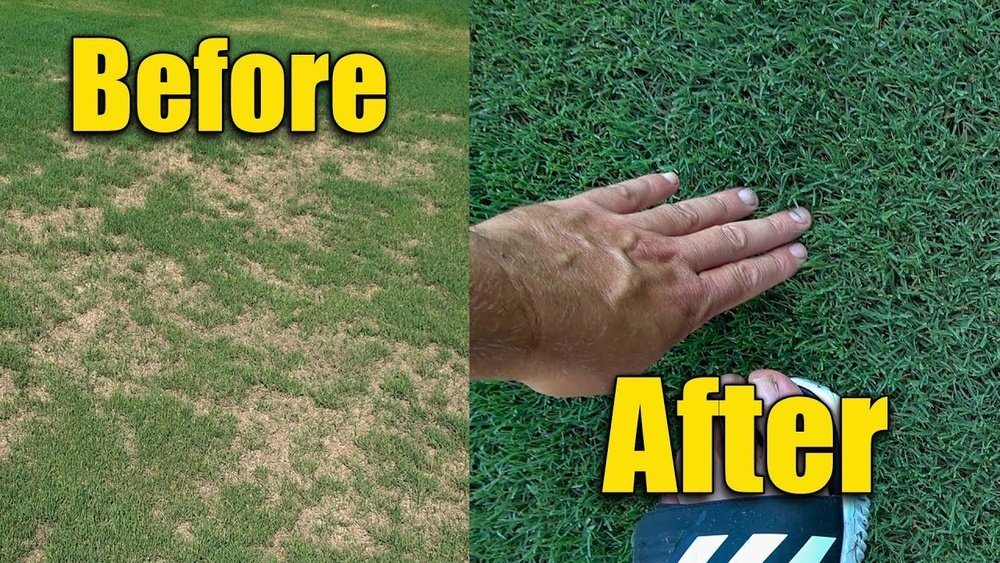
To repair a Bermuda grass lawn, start by assessing damage, clearing debris, and aerating the soil to improve root growth. Test the soil pH and adjust it if needed. Address pests or diseases early, then choose repair methods like overseeding or patching based on your lawn’s condition for best results.
Is your Bermuda grass lawn looking patchy or tired? You’re not alone, and the good news is that fixing it doesn’t have to be hard.
Imagine stepping outside to a lush, green carpet that feels soft under your feet and makes your home the envy of the neighborhood. You can get there with the right steps. In this guide, you’ll discover simple, practical ways to repair your Bermuda grass lawn and bring it back to life.
Keep reading, and soon you’ll enjoy a healthy, thriving lawn that you’ll be proud of.
Credit: theturfgrassgroup.com
Assessing Lawn Damage
Assessing lawn damage is the first step to repair your Bermuda grass lawn. It helps you find the root cause of the problem. This way, you can choose the right method to fix it.
Take time to inspect the lawn carefully. Look at the grass, soil, and any signs of pests or diseases. A thorough check saves effort and money later.
Identifying Common Issues
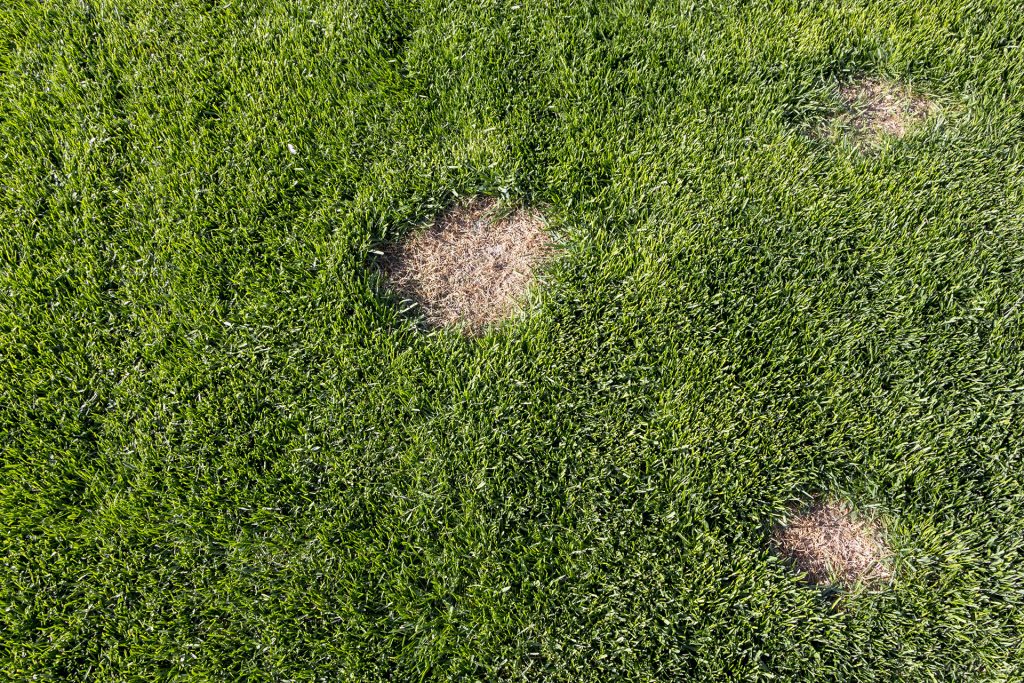
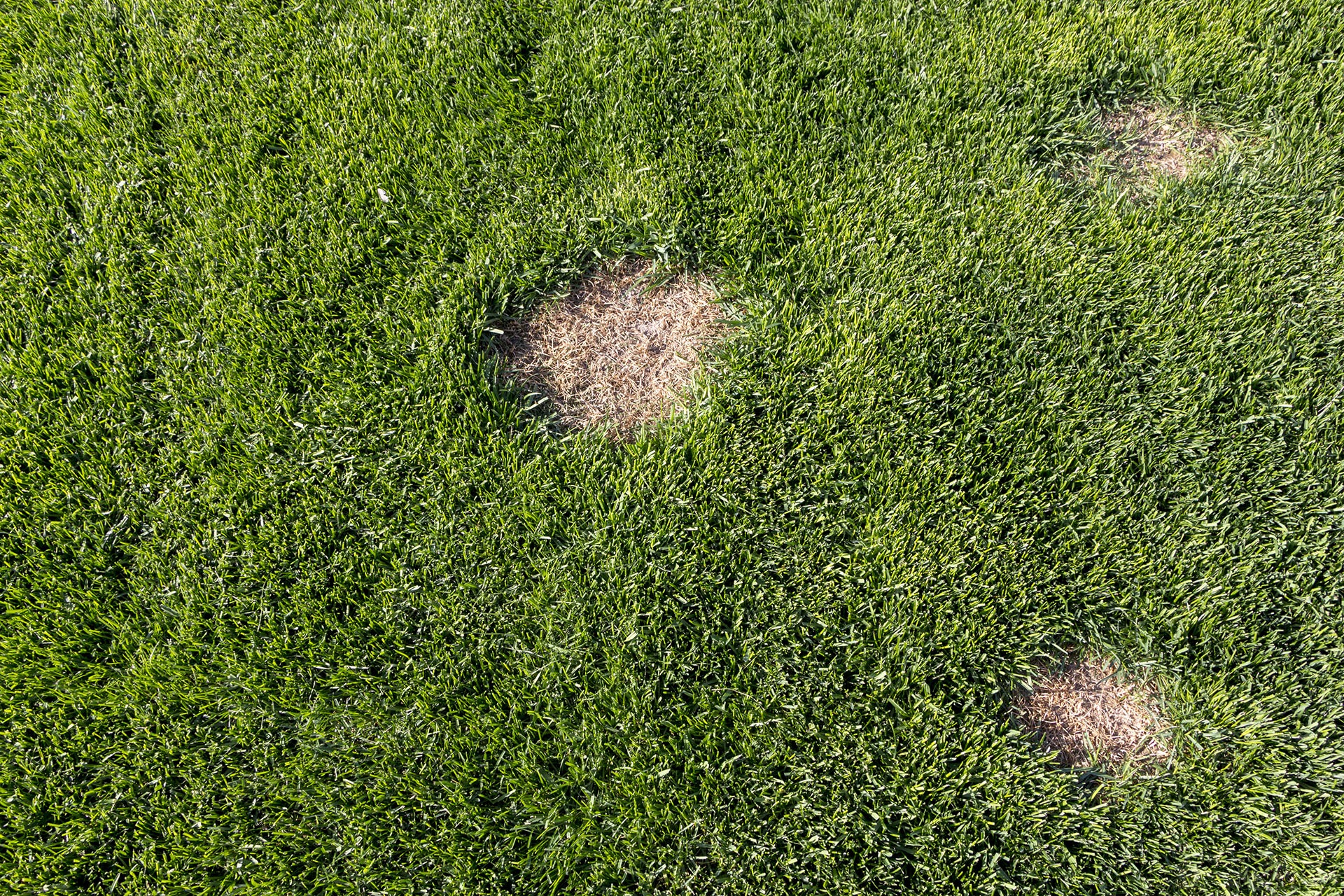
Start by spotting visible problems like brown patches or thinning grass. These signs often show poor watering or mowing habits. Dead spots could mean a lack of nutrients or too much foot traffic. Uneven color may point to uneven sunlight or water. Note any areas that look different from the rest.
Evaluating Soil Health
Healthy soil grows strong Bermuda grass. Check soil texture and moisture. Hard or compact soil blocks roots from growing well. Dry soil means your lawn needs more water. Test soil pH using a simple kit. Bermuda grass prefers slightly acidic to neutral soil. Soil with the wrong pH stops nutrient uptake. Fertile soil with good drainage supports healthy growth.
Checking For Pests And Diseases
Look closely for bugs or insects on the grass blades. Tiny holes or sticky residue could signal pests. Watch for fungal spots or mold patches, which suggest disease. Pests and diseases weaken grass and cause thinning. Early detection helps stop spread and damage. Use a magnifying glass if needed to see small pests.
Preparing The Lawn
Preparing the lawn is the first step in repairing Bermuda grass. It sets the base for healthy growth and recovery. A well-prepared lawn allows water, air, and nutrients to reach the roots easily. This process helps the grass grow thick and green again.
Clearing Debris And Thatch
Remove leaves, sticks, and dead grass from the lawn. This debris can block sunlight and trap moisture. Use a rake or leaf blower to clear the surface. Thatch is a layer of dead grass and roots. Too much thatch stops water and nutrients from reaching the soil. Dethatch the lawn carefully with a dethatching rake or machine.
Aerating The Soil
Aeration makes small holes in the soil. These holes allow air, water, and nutrients to reach grass roots. Use a lawn aerator or a garden fork to poke holes. This step reduces soil compaction. It helps roots grow stronger and deeper. Aeration also improves drainage and reduces water runoff.
Adjusting Soil Ph
Soil pH affects how well Bermuda grass absorbs nutrients. The ideal pH for Bermuda grass is between 6.0 and 7.0. Test the soil with a pH test kit. Add lime to raise pH if soil is too acidic. Add sulfur to lower pH if soil is too alkaline. Proper pH helps grass grow healthier and greener.
Choosing Repair Methods
Choosing the right repair method for your Bermuda grass lawn is key to success. Different methods suit different lawn conditions and budgets. Understanding each option helps you pick the best one for healthy, green grass.
Consider factors like time, effort, and how fast you want results. Some methods cost less but take longer. Others give quick results but need more work or money.
Seeding Vs. Sodding
Seeding is a cost-effective way to repair your lawn. It takes time for seeds to grow and fill in bare spots. You must water seeds often and protect them from birds.
Sodding gives instant green coverage. You lay down strips of grass that grow fast and cover bare areas. This method costs more and needs proper soil contact for good growth.
Using Plugs And Sprigs
Plugs and sprigs are small pieces of Bermuda grass planted in bare spots. They spread slowly and fill in over time. This method costs less than sodding but more than seeding.
Plugs and sprigs work well for small repairs and uneven areas. They need regular watering and care until they root well.
Selecting The Right Bermuda Grass Variety
Choose a Bermuda grass variety suited to your climate and soil. Some types handle heat better, while others resist drought or shade.
Using the right variety helps your lawn recover faster and stay healthy. Check local recommendations for the best Bermuda grass for your area.
Planting And Maintenance
Planting and maintaining Bermuda grass properly is key to a healthy lawn. Good care helps the grass grow thick and green. This section covers essential steps to plant and maintain your Bermuda grass lawn effectively.
Proper Planting Techniques
Choose a sunny spot for your Bermuda grass. The soil must be loose and well-drained. Remove weeds and debris before planting. Spread seeds or sprigs evenly over the area. Lightly rake the soil to cover the seeds. Press the soil gently to ensure good contact. Avoid planting too deep, as grass needs sunlight. Water the area lightly after planting to keep soil moist.
Watering Schedules
Water the lawn deeply but less often. This encourages strong root growth. During the first weeks, keep the soil moist daily. Once established, water 2 to 3 times a week. Early morning is the best time to water. Avoid watering late in the day to reduce disease risk. Adjust watering based on weather and soil dryness.
Fertilizing For Growth
Apply fertilizer to provide essential nutrients. Use a balanced fertilizer with nitrogen, phosphorus, and potassium. Fertilize every 6 to 8 weeks during the growing season. Avoid over-fertilizing as it can harm the grass. Spread fertilizer evenly and water after application. Follow instructions on the fertilizer package carefully.
Controlling Weeds And Pests
Controlling weeds and pests is key to a healthy Bermuda grass lawn. These unwanted plants and insects compete for nutrients, water, and sunlight. They can weaken your grass, making it patchy and less green. Managing weeds and pests helps your lawn stay strong and vibrant.
Effective Weed Management
Pull weeds by hand when they are small. This stops them from spreading seeds. Mowing regularly keeps weeds from growing tall. Use mulch around flower beds to block weed growth. Apply a pre-emergent herbicide in early spring. It prevents weed seeds from sprouting. Spot treat weeds with a post-emergent herbicide for tough cases.
Natural Pest Control
Encourage beneficial insects like ladybugs and spiders. They eat harmful pests naturally. Use neem oil or insecticidal soap to control bugs. These options are safe for grass and pets. Keep your lawn healthy with proper watering and fertilizing. A strong lawn resists pests better than a weak one.
When To Use Chemical Treatments
Use chemical pesticides only if natural methods fail. Follow product instructions carefully to avoid damage. Apply chemicals on calm days to prevent drift. Avoid overuse to protect beneficial insects. Always wear protective gear during application. Store chemicals safely away from children and pets.
Credit: theturfgrassgroup.com
Seasonal Care Tips
Seasonal care is key to a healthy Bermuda grass lawn. Each season needs different actions to keep your lawn green and strong. Following the right steps helps your lawn recover from damage and grow well all year.
Summer Maintenance
Summer heat stresses Bermuda grass. Water deeply but less often. Early morning watering reduces evaporation. Mow regularly but avoid cutting too short. Remove weeds to stop them taking nutrients. Fertilize with nitrogen to support growth. Keep an eye out for pests and diseases.
Preparing For Winter Dormancy
As temperatures drop, Bermuda grass slows growth. Stop fertilizing in late summer to prepare grass for rest. Reduce watering gradually to avoid mold. Mow slightly higher to protect grass crowns. Remove leaves and debris to prevent disease. Aerate soil to improve root health before dormancy.
Spring Revival Strategies
Spring wakes Bermuda grass from dormancy. Rake dead grass to clear space for new growth. Apply a balanced fertilizer to boost recovery. Water regularly but avoid overwatering. Overseed bare spots to fill thin areas. Mow as grass starts growing to keep it healthy.
Common Mistakes To Avoid
Repairing a Bermuda grass lawn takes care and attention. Avoiding common mistakes can save time and effort. These errors often slow down recovery or cause more damage. Knowing what to avoid helps keep your lawn healthy and green.
Overwatering Issues
Too much water harms Bermuda grass roots. Wet soil blocks air from reaching roots. This makes grass weak and yellow. Water only when the top inch of soil is dry. Early morning watering helps reduce evaporation.
Mowing Errors
Mowing too short stresses Bermuda grass. Cutting below 1 inch removes too much leaf. This limits grass growth and strength. Use sharp mower blades to avoid tearing. Mow frequently but never cut more than one-third of the grass height.
Neglecting Soil Health
Healthy soil is key to a strong lawn. Poor soil lacks nutrients and good structure. Test soil to check pH and nutrient levels. Add fertilizer based on soil test results. Aerate compacted soil to improve root growth and water absorption.

Credit: www.youtube.com
Frequently Asked Questions
How Do I Fix Bare Spots On Bermuda Grass?
To fix bare spots, first remove debris and loosen soil. Apply Bermuda grass seed or sod. Keep the area moist for two weeks until grass establishes.
What Is The Best Time To Repair Bermuda Grass?
The best time is late spring or early summer. Warm soil and temperatures promote fast growth and root development for Bermuda grass repair.
How Often Should I Water Repaired Bermuda Grass?
Water daily for the first two weeks. Keep soil consistently moist but not soggy. After establishment, reduce watering to 2-3 times weekly.
Can I Repair Bermuda Grass With Fertilizer?
Yes, apply a balanced fertilizer after seeding or sodding. Fertilizer supports healthy root growth and faster lawn recovery.
Conclusion
Repairing your Bermuda grass lawn takes time and care. Start with good soil and healthy grass seeds. Water the lawn regularly but avoid overwatering. Keep the area free of weeds and pests. Mowing at the right height helps grass grow strong.
Be patient and watch your lawn improve week by week. A healthy Bermuda lawn can bring great joy and beauty to your yard. Small steps make a big difference in lawn care. Stay consistent, and your lawn will thrive again.
