

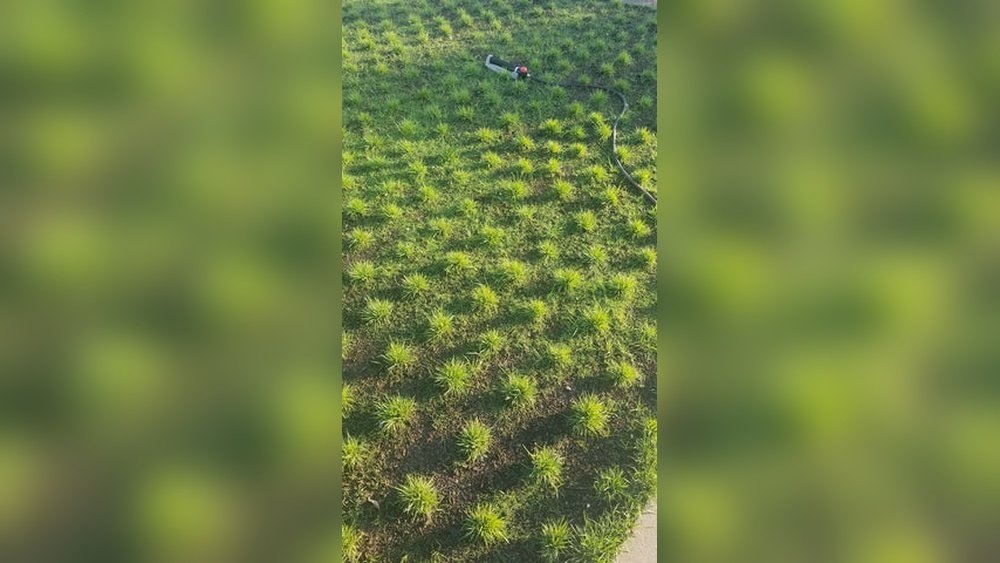
Are you curious about how Zoysia grass spreads and turns your lawn into a lush, green carpet? Understanding this natural process can help you grow a healthier, thicker yard with less effort.
Whether you want to fill in bare spots or create a seamless lawn, knowing how Zoysia grass spreads gives you the power to make your grass thrive. Keep reading to discover the secrets behind Zoysia’s growth and how you can use them to transform your outdoor space.
Zoysia Grass Growth Patterns
Zoysia grass spreads steadily and creates a thick, lush lawn. It grows in a unique way that helps it cover soil quickly. Understanding these growth patterns helps maintain a healthy yard.
This grass uses underground and above-ground stems to expand. Each type of stem plays a special role in how the grass spreads across your lawn.
Rhizomes And Stolons
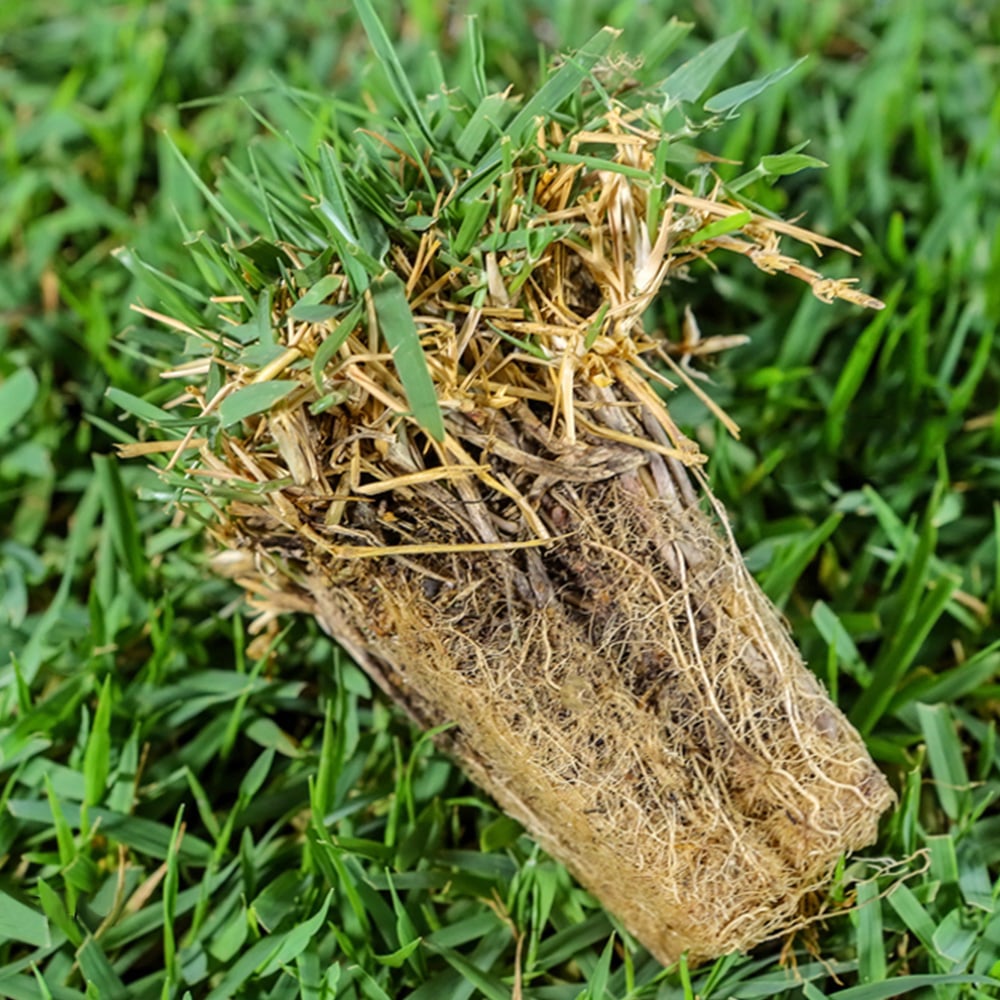
Rhizomes are underground stems that grow sideways beneath the soil. They push new shoots upward, helping the grass spread underground. Stolons are above-ground runners that grow along the soil surface. These stolons root at nodes and form new grass plants. Together, rhizomes and stolons create a dense and even turf. This growth method makes Zoysia resistant to weeds and soil erosion.
Seed Propagation
Seed propagation is less common but still possible with some Zoysia types. Seeds take longer to grow and establish than rhizomes or stolons. Seed-grown lawns need more care and patience at the start. This method suits large areas or starting new lawns from scratch. Seed propagation allows for more variety in Zoysia grass types.
Ideal Conditions For Zoysia Spread
Zoysia grass spreads best under certain conditions. These conditions help the grass grow strong and cover the area quickly. Understanding these needs can help you grow a healthy lawn. The right soil, sunlight, temperature, and water all play a role in how well Zoysia spreads.
Soil Requirements
Zoysia grass prefers well-drained soil. It grows best in sandy or loamy soil types. Heavy clay soils can slow its spread. The soil pH should be between 6.0 and 7.0. This range helps the grass absorb nutrients well. Proper soil preparation improves root growth.
Sunlight And Temperature
Zoysia needs full sunlight for at least six hours daily. It thrives in warm temperatures between 75°F and 90°F. Cooler temperatures slow its growth and spread. Shade can reduce its ability to spread. Warm, sunny days encourage fast growth and dense coverage.
Watering Needs
Zoysia grass needs moderate watering to spread well. It prefers about one inch of water each week. Overwatering can cause root problems. Underwatering slows growth and weakens the grass. Water deeply but less often to promote strong roots.
Techniques To Encourage Spread
Zoysia grass spreads through underground stems and above-ground runners. Helping it spread faster needs care and the right methods. These techniques keep your lawn thick and healthy. Follow simple steps to encourage growth and cover bare spots effectively.
Proper Mowing Practices
Cutting Zoysia grass correctly boosts its spread. Set the mower to 1 to 2 inches high. Cutting too short stresses the grass. Mow often to keep the blades sharp and clean. Remove no more than one-third of the grass height. This practice helps the grass grow strong runners.
Fertilization Tips
Fertilizer provides nutrients needed for spreading. Use a balanced fertilizer with nitrogen, phosphorus, and potassium. Apply it in spring and summer when growth is active. Avoid over-fertilizing as it can harm the grass. Water the lawn after fertilizing to help nutrients soak in. Proper feeding encourages thick growth and faster spread.
Aeration Benefits
Aeration improves soil health and root growth. It creates small holes allowing air, water, and nutrients to reach roots. Aerate the lawn once or twice a year. This reduces soil compaction and helps runners spread underground. Aeration also improves drainage and reduces lawn stress.

Credit: www.whygoodnature.com
Common Challenges In Zoysia Growth
Zoysia grass is a popular choice for lawns due to its dense growth and beautiful green color. Growing it well can be tricky. Several challenges can slow down its spread and affect its health. Knowing these challenges helps in keeping your lawn lush and healthy.
Weed Competition
Weeds often compete with Zoysia for space, water, and nutrients. They can quickly take over thin patches of grass. This weakens the Zoysia and slows its spread. Controlling weeds early keeps the grass strong and growing fast. Regular mowing and hand-pulling help reduce weed problems.
Pest And Disease Management
Zoysia grass can face attacks from pests like armyworms and grubs. These insects chew the leaves and roots, causing damage. Diseases such as brown patch and dollar spot also harm the grass. Spotting pests and diseases early allows quick treatment. Using natural or chemical controls protects the lawn’s health.
Dealing With Soil Compaction
Soil compaction limits root growth and water absorption for Zoysia grass. Heavy foot traffic and machinery cause the soil to become hard. This makes it difficult for the grass to spread and stay healthy. Aerating the soil loosens it and improves air and water flow. This encourages strong root growth and thick turf.
Maintenance For Lush Zoysia Lawns
Maintaining a lush Zoysia lawn requires consistent care and attention. This grass spreads slowly but builds a thick, green carpet over time. Proper maintenance helps it stay healthy and vibrant year-round. Simple steps improve its growth and appearance.
Focus on seasonal care, overseeding, and smart watering to keep Zoysia grass dense. These practices support its natural spreading and resilience. A well-maintained lawn resists weeds and recovers faster from stress.
Seasonal Care
Zoysia grass needs different care in each season. Spring calls for light fertilizing to boost growth. Mow regularly but not too short to avoid stress. Summer requires deep watering to handle heat. Fall is ideal for aeration and removing thatch. Winter needs minimal care but keep the lawn clean from debris.
Overseeding Strategies
Overseeding fills bare spots and thickens the lawn. Use Zoysia seed or plugs for best results. Early spring or late summer works well for overseeding. Prepare the soil by loosening it and removing dead grass. Spread seeds evenly and keep the soil moist until sprouts appear.
Irrigation Scheduling
Zoysia grass prefers deep, infrequent watering. Water early in the morning to reduce evaporation. Aim for about one inch of water per week. Adjust based on rainfall and temperature changes. Avoid overwatering to prevent root rot and fungus.

Credit: www.zoysiaplug.com
Credit: www.whygoodnature.com
Frequently Asked Questions
How Does Zoysia Grass Naturally Spread?
Zoysia grass spreads naturally through stolons and rhizomes. Stolons are above-ground runners, while rhizomes grow underground. Both help the grass expand efficiently and fill bare spots, creating a dense, lush lawn over time.
Can Zoysia Grass Spread By Seed?
Yes, Zoysia grass can spread by seed, but it’s slower. Seed propagation is less common because stolons and rhizomes offer faster lawn coverage. Seeds are typically used for starting new lawns or overseeding.
How Fast Does Zoysia Grass Spread?
Zoysia grass spreads moderately fast via stolons and rhizomes. Growth speed depends on climate, soil, and care. Warm temperatures and proper watering accelerate spreading, while cold or drought slow it down.
What Conditions Help Zoysia Grass Spread Quickly?
Warm temperatures, well-drained soil, and regular watering boost Zoysia grass spreading. Adequate sunlight and proper fertilization also support its growth. Avoid excessive shade or waterlogging, which hinder its expansion.
Conclusion
Zoysia grass spreads through runners and underground stems. It grows slowly but fills spaces well. This grass creates a thick, green carpet over time. It resists weeds and handles foot traffic nicely. Regular care helps it spread evenly. Choose Zoysia for a durable, low-maintenance lawn.
Understanding its growth helps you keep your yard healthy. Watch your lawn grow thicker and greener each season. Zoysia grass suits many climates and soil types. A strong, spreading lawn is possible with patience.
