
Is your Zoysia grass struggling to grow thick and green? If your soil feels hard and compacted, your lawn might not be getting the air and nutrients it needs.
Aerating your Zoysia grass can be the simple fix that transforms your yard from patchy to lush. You’ll discover easy and effective tips to aerate compact soils and give your lawn the boost it deserves. Keep reading to learn how to breathe new life into your grass and enjoy a healthier, more vibrant lawn all season long.
Credit: southernlawns.net
Benefits Of Aerating Zoysia Grass
Aerating zoysia grass offers many benefits. It helps the soil and grass stay healthy. Compact soils block air and water. Aeration fixes this problem and improves lawn growth. Here are some key benefits of aerating zoysia grass.
Improved Soil Oxygen Levels
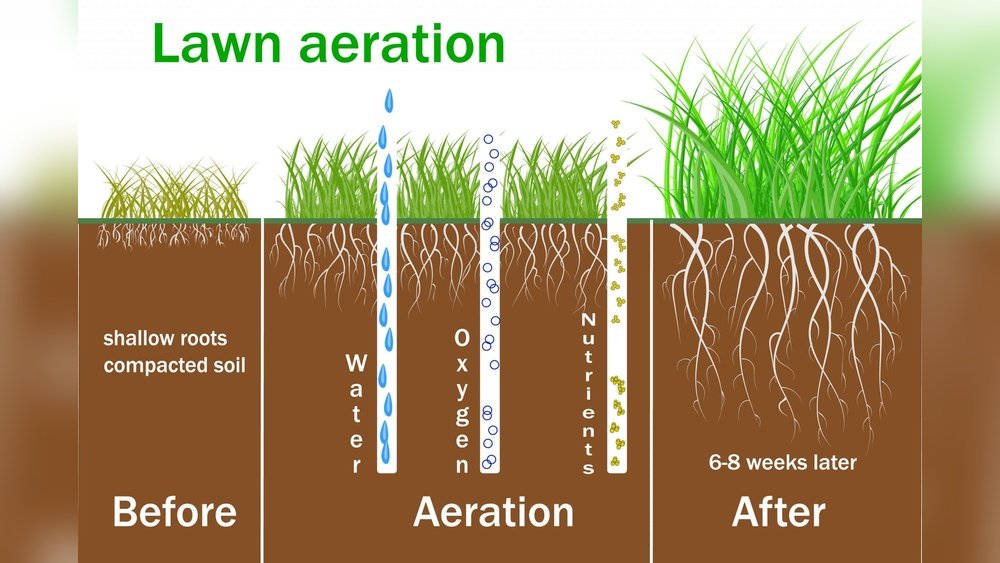
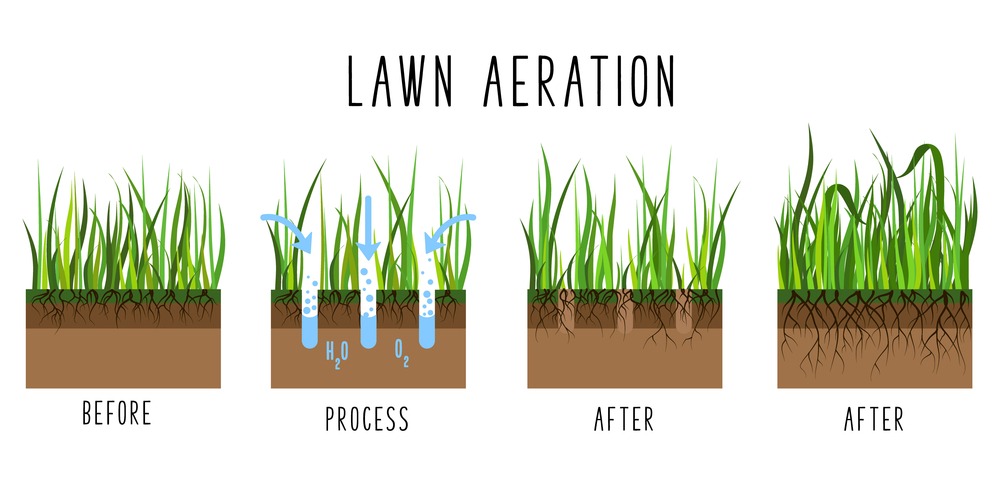
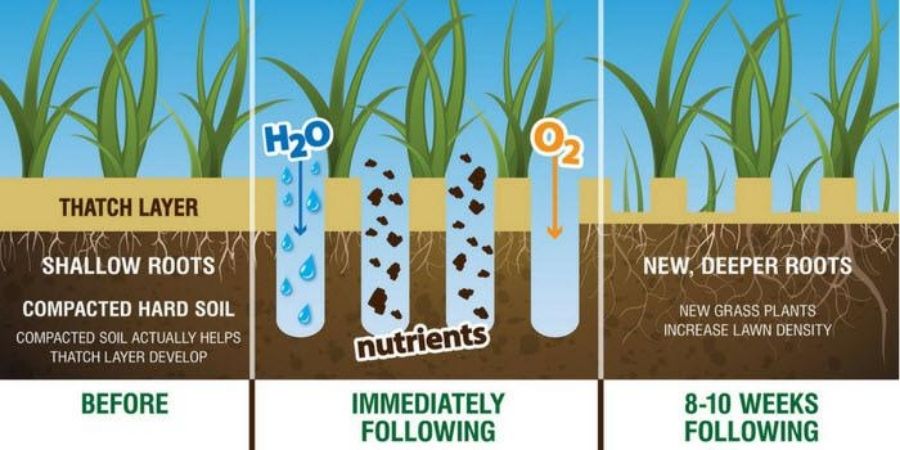
Aeration creates small holes in the soil. These holes let air reach the roots. Roots need oxygen to grow and stay healthy. Without enough oxygen, roots can weaken or die. Aerating zoysia grass boosts oxygen levels in the soil. This helps the grass grow thick and green.
Enhanced Nutrient Absorption
Compact soil stops water and nutrients from reaching roots. Aeration breaks up hard soil and opens pathways. Nutrients like nitrogen and phosphorus travel better to the roots. Better nutrient absorption means stronger grass blades. Aerated lawns absorb fertilizers more efficiently too.
Stronger Root Development
Roots grow deeper and spread wider after aeration. Loose soil gives roots space to expand. Strong roots hold the grass firmly in place. Deep roots also help grass survive droughts and heat. Aerating zoysia grass supports a robust root system for a healthier lawn.
Credit: theturfgrassgroup.com
Signs Of Soil Compaction
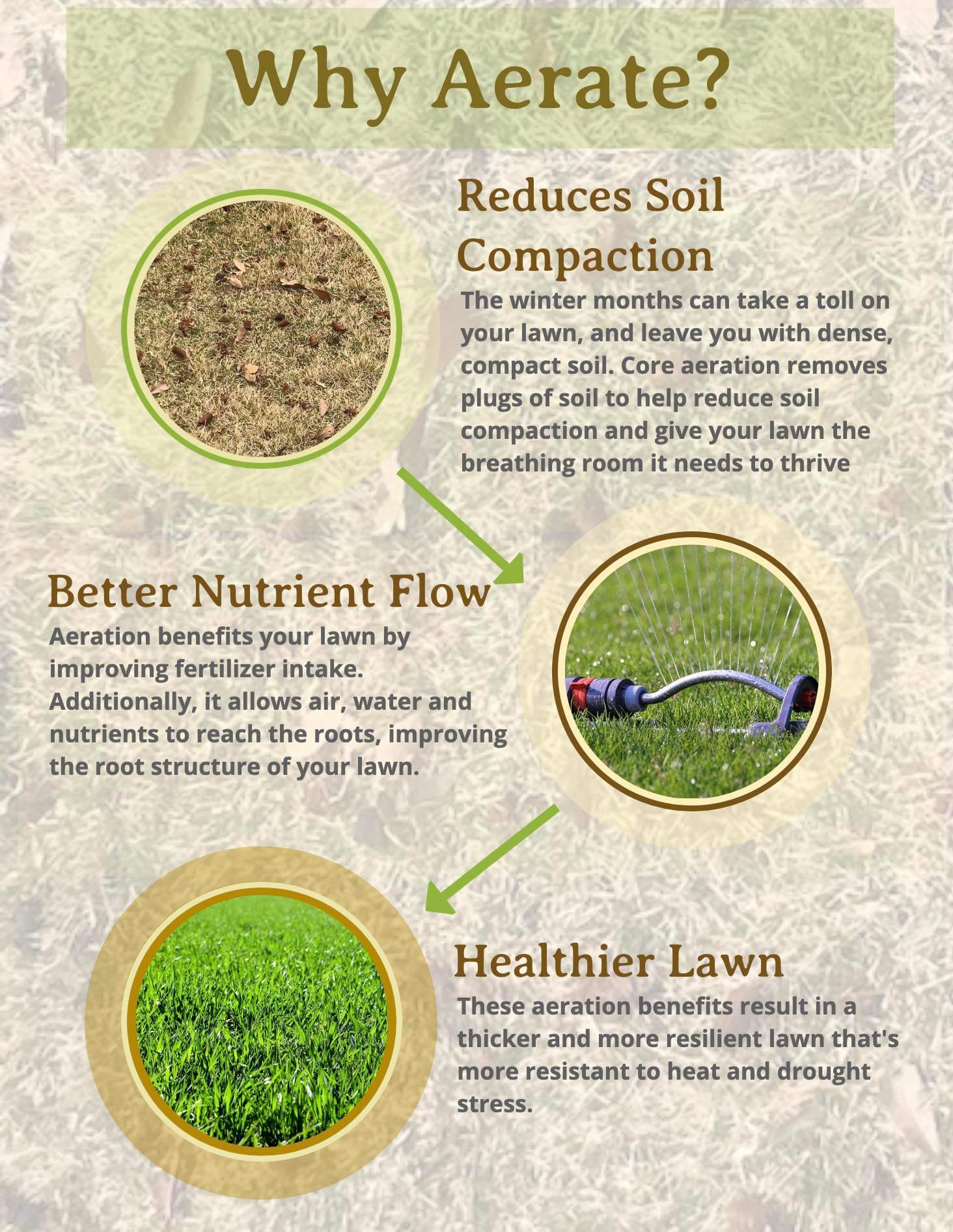
Soil compaction is a common problem for Zoysia grass, especially in heavy or clay soils. It makes the soil dense and hard. This stops water, air, and nutrients from reaching the roots. Recognizing the signs of soil compaction helps keep your lawn healthy and green.
Poor Drainage Issues
Compacted soil does not drain water well. Water pools or forms puddles on the surface. Grass roots stay wet for too long, causing damage. You may notice soggy spots after rain or watering. This slows grass growth and invites disease.
Thin Or Patchy Grass
Grass struggles to grow in compacted soil. Roots cannot spread properly. This leads to thin, weak, or patchy grass areas. The lawn looks uneven and unhealthy. These spots often get worse over time without treatment.
Hard Or Crusty Soil Surface
The soil surface feels hard or crusty to touch. It may crack during dry periods. This hardness prevents roots from growing deep. It also blocks air and water from reaching the soil below. Hard soil is a clear sign that aeration is needed.
Best Time To Aerate Zoysia Grass
Aerating Zoysia grass is key to keeping it healthy, especially in compact soils. Choosing the best time to aerate helps the grass recover faster. It also improves air and water flow to the roots. Knowing the right timing can save effort and boost lawn growth.
Seasonal Considerations
Spring and early summer are the best seasons to aerate Zoysia grass. This grass grows actively during warm months. Aerating in this period helps the grass heal quickly. Avoid aerating in late fall or winter. The grass grows slowly then and may not recover well.
Optimal Soil Moisture
Soil should be moist but not soggy before aerating. Moist soil is softer and easier to penetrate. Dry soil can be too hard and damage the aerator. Wet soil may clump and block holes. Check soil moisture by digging a small hole or squeezing some soil in your hand.
Avoiding Stress Periods
Do not aerate during drought or extreme heat. These conditions stress the grass. Aerating can add more stress and slow recovery. Also, avoid aerating right after fertilizing or applying weed control. Give the grass time to absorb nutrients and chemicals first.
Aeration Methods For Compact Soils
Aerating compact soils helps Zoysia grass breathe and grow strong. Compact soil stops water, air, and nutrients from reaching roots. This makes the grass weak and thin. Using the right aeration method can fix these problems. It opens the soil and lets your lawn stay healthy and green.
Core Aeration Benefits
Core aeration removes small plugs of soil from the lawn. This creates space for air and water to enter the ground. It helps roots grow deeper and stronger. Core aeration also reduces soil compaction and thatch buildup. It improves the lawn’s ability to absorb nutrients. This method is very effective for heavy, compact soils.
Spike Aeration Use Cases
Spike aeration pokes holes in the soil without removing plugs. It is quicker and easier than core aeration. Spike aeration works best on slightly compacted soils. It helps water and air move through the soil. This method is less effective on very hard or clay soils. Use spike aeration for regular lawn care and light compaction.
Choosing The Right Equipment
Select equipment based on soil type and lawn size. Core aerators have hollow tines that pull out soil plugs. Spike aerators have solid tines that push into the soil. Manual aerators are good for small lawns. Gas-powered aerators work better on large areas. Use equipment that matches your soil’s needs and lawn condition.
Preparing Your Lawn For Aeration
Preparing your lawn for aeration is an important step to ensure the best results. Aeration helps break up compact soil and allows air, water, and nutrients to reach the roots of your Zoysia grass. Before you start, take some time to get your lawn ready. This will make the aeration process easier and more effective.
Mowing Tips Before Aeration
Cut your Zoysia grass shorter than usual before aeration. Set the mower blade lower, but avoid scalping the lawn. Short grass makes it easier for the aerator to penetrate the soil. Remove any grass clippings after mowing. This prevents them from blocking the aeration holes.
Watering Guidelines
Water your lawn deeply a day before aeration. The soil should be moist but not soggy. Moist soil is easier to aerate and prevents damage to the grass roots. Avoid watering right before aeration to stop soil from becoming too soft. Proper moisture helps the aerator work smoothly.
Clearing Debris
Clear your lawn of leaves, sticks, and other debris. Debris can block the aerator or cause uneven holes. Rake the lawn carefully to remove all loose materials. This step helps the aeration machine work better and prevents damage. A clean lawn makes aeration more efficient.
Post-aeration Care
After aerating Zoysia grass, proper care helps the lawn recover well. The soil will be loose and ready to absorb nutrients. Your grass can grow stronger and greener with the right steps. Focus on feeding, reseeding, and watering to get the best results.
Fertilizing Strategies
Apply fertilizer soon after aeration. The holes allow nutrients to reach roots faster. Use a balanced fertilizer with nitrogen, phosphorus, and potassium. Avoid over-fertilizing, which can harm the grass. Follow the product instructions for the correct amount. Feeding the lawn now supports quick recovery and growth.
Overseeding Techniques
Spread Zoysia grass seeds over the aerated soil. The holes help seeds contact soil and take root. Use a spreader for even coverage. Lightly rake the area to mix seeds with soil. This step fills bare spots and thickens the lawn. Overseeding improves lawn density and health after aeration.
Watering After Aeration
Water the lawn right after aerating and overseeding. Keep the soil moist but not soaked. Water deeply to reach grass roots through the holes. Water daily until seeds sprout and grass grows strong. Gradually reduce watering as the lawn recovers. Proper watering prevents stress and encourages healthy growth.
Preventing Future Soil Compaction
Preventing future soil compaction is key to keeping your Zoysia grass healthy. Compacted soil stops water, air, and nutrients from reaching the roots. This weakens the grass and makes it harder to grow. Taking steps to avoid soil compaction saves you time and effort in lawn care.
Regular Lawn Maintenance
Keep your lawn healthy with regular mowing and watering. Mow your grass at the right height to avoid stress. Water deeply but less often to encourage strong roots. Remove thatch buildup to improve air flow. These habits help keep the soil loose and healthy.
Reducing Heavy Foot Traffic
Limit walking or playing on the lawn, especially when wet. Use stepping stones or pathways to guide foot traffic. Create designated play areas on harder surfaces. This stops the soil from getting packed down. Less pressure on the soil means better growth for your grass.
Soil Amendment Options
Add organic matter like compost to improve soil structure. Organic material helps soil hold air and water better. Use sand or gypsum to break up dense clay soils. These amendments make the soil easier to aerate. Healthier soil supports stronger and thicker Zoysia grass.
Credit: www.milorganite.com
Frequently Asked Questions
What Is The Best Time To Aerate Zoysia Grass?
The best time to aerate Zoysia grass is during its active growth. Early spring or late summer works well. Aeration helps relieve soil compaction and improves root growth for healthier turf.
How Does Aeration Benefit Compact Zoysia Grass Soils?
Aeration reduces soil compaction by creating holes. It improves air, water, and nutrient penetration. This enhances root development and overall grass health in compacted soils.
What Tools Are Ideal For Aerating Zoysia Grass?
Core aerators are best for Zoysia grass. They remove soil plugs, allowing better soil aeration. Spike aerators can also work but may increase compaction risk.
How Often Should I Aerate Compacted Zoysia Grass Soil?
Aerate compacted Zoysia grass once a year. For severely compacted soil, twice yearly is beneficial. Regular aeration keeps soil healthy and promotes strong grass growth.
Conclusion
Aerating compact soil helps Zoysia grass grow strong and healthy. It improves air, water, and nutrient flow to roots. Regular aeration reduces soil hardness and encourages deep root growth. Use the right tools and follow a proper schedule. Keep your lawn moist but not soggy after aerating.
This simple step boosts your grass’s health and appearance. Healthy soil means a greener, thicker lawn. Give your Zoysia grass the care it needs to thrive. Small efforts lead to big results in lawn care.
