
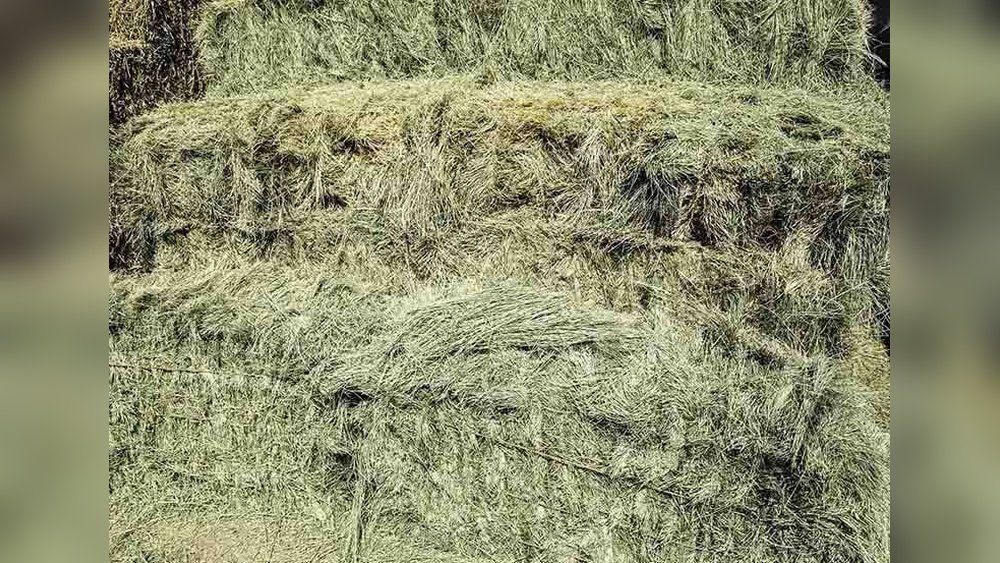
Bermuda grass is generally a good choice for horses, offering solid nutrition, good digestibility, and resilience in warm climates. It supports digestion and energy needs but requires proper pasture management to avoid overgrazing and potential allergies. Knowing these factors helps keep horses healthy and pastures productive.
If you have horses, you know how important their diet is for their health and performance. Choosing the right grass can make a big difference in keeping your horses strong and happy.
You might be wondering, is Bermuda grass good for horses? This type of grass is popular in many pastures, but is it the best choice for your animals? Keep reading to discover the benefits and potential downsides of Bermuda grass for horses, so you can make the best decision for your stable.

Credit: thehorse.com
Bermuda Grass Basics
Bermuda grass is a popular choice for horse pastures. It offers strong growth and good nutrition. Understanding its basics helps horse owners decide if it suits their needs.
This section covers Bermuda grass growth, climate fit, and nutrition.
Growth Characteristics
Bermuda grass grows quickly and spreads fast. It forms a thick, dense turf. This helps protect soil from erosion. It recovers well from heavy grazing. The grass stays green most of the year in warm areas.
Climate Adaptability
Bermuda grass thrives in warm climates. It handles heat and drought well. It grows best in full sun. It does not do well in cold or shaded areas. It is common in southern U.S. states and tropical regions.
Nutritional Profile
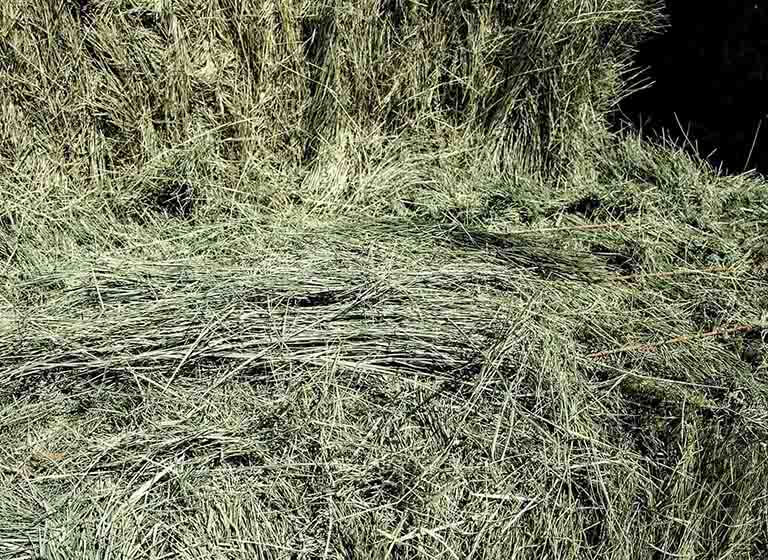
Bermuda grass provides good energy for horses. It contains moderate protein levels. It is rich in fiber, aiding digestion. The grass offers essential vitamins and minerals. It supports healthy weight and muscle maintenance.
Credit: conwayfeed.com
Benefits For Horses
Bermuda grass offers many benefits for horses. This grass is nutritious and easy to digest. It helps keep horses healthy and strong. Many horse owners choose Bermuda grass for their pastures. It supports horses’ needs well and encourages good grazing habits.
Digestive Health Support
Bermuda grass is rich in fiber, which aids digestion. Fiber helps horses digest food smoothly. It reduces the risk of colic and other digestive problems. Horses grazing on Bermuda grass often have healthier stomachs. This grass promotes good gut bacteria, essential for digestion.
Energy And Performance Boost
This grass provides a steady source of energy. Its natural sugars and nutrients fuel horses for work and play. Horses maintain better stamina and performance with Bermuda grass. It supports muscle function and overall vitality. Active horses benefit from the energy Bermuda grass supplies.
Palatability And Grazing Preference
Horses find Bermuda grass tasty and easy to chew. This encourages consistent grazing throughout the day. It helps prevent boredom and overeating of less healthy plants. Bermuda grass’s soft texture is gentle on horse teeth. Horses prefer it over many other pasture grasses.
Potential Risks
Bermuda grass is popular for horse pastures, but it has some risks. These risks can affect horse health and pasture quality. Knowing these risks helps manage grazing better and keeps horses safe.
Allergic Reactions
Some horses may develop allergies to Bermuda grass. Symptoms include itching, swelling, and skin irritation. Respiratory issues can also occur from pollen exposure. Watch horses closely for these signs. Early detection helps prevent serious problems.
Overgrazing Concerns
Horses can overgraze Bermuda grass if pasture size is too small. Overgrazing damages grass roots and reduces growth. This leads to bare patches and soil erosion. Rotate grazing areas and limit horse numbers to avoid this issue.
Nutrient Imbalances
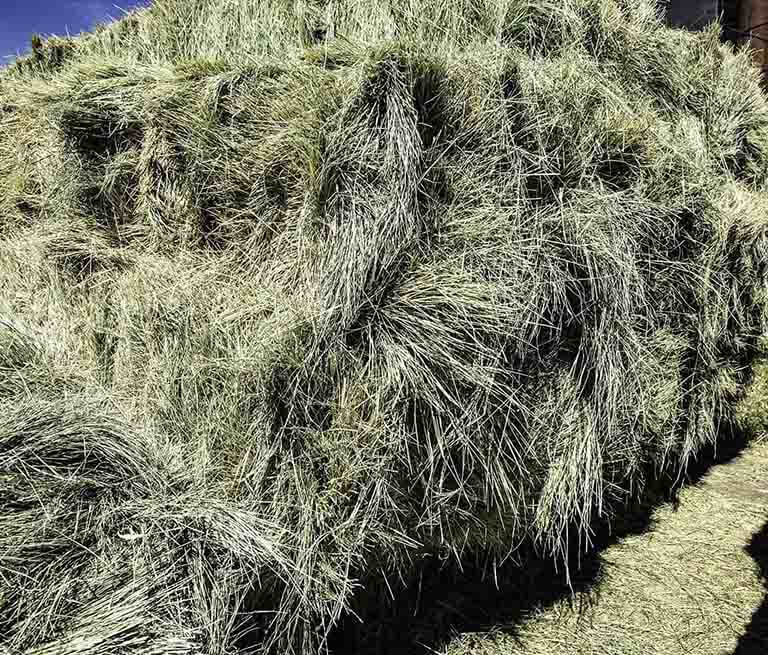
Bermuda grass may lack some essential nutrients horses need. Feeding only Bermuda grass might cause deficiencies. Horses need a balanced diet with vitamins and minerals. Supplement their feed to ensure proper nutrition.
Credit: conwayfeed.com
Comparing Bermuda Grass To Other Forages
Bermuda grass is a popular choice for horse pastures. Comparing it to other common forages helps understand its benefits and limits. Each grass type has unique features that affect horse health and pasture quality.
Knowing how Bermuda grass matches up against other grasses guides better pasture management. This section looks closely at Timothy grass, Orchard grass, and Fescue.
Timothy Grass
Timothy grass grows well in cool climates. It has soft leaves that horses enjoy. This grass is high in fiber, which aids digestion. It has lower protein compared to Bermuda grass. Timothy is less drought-tolerant. It needs more water to stay green and healthy. Many horse owners prefer it for hay. Timothy grass supports good weight maintenance in horses.
Orchard Grass
Orchard grass grows in moderate climates. It grows taller than Bermuda grass. It offers a good mix of nutrients, including protein and fiber. Orchard grass is palatable and easy to digest. It handles shade better than Bermuda grass. It recovers slower after grazing. Orchard grass also needs regular rainfall. It suits horses that need balanced nutrition.
Fescue
Fescue is a cool-season grass. It is tough and grows in poor soils. Fescue is high in fiber but low in protein. Some types of fescue can harm pregnant mares. They produce toxins that affect foal health. Careful selection of fescue varieties is important. Fescue stays green longer in cold seasons. It is less suitable for high-performance horses.
Best Practices For Feeding
Feeding horses Bermuda grass requires care and attention. Proper feeding ensures horses get the right nutrients. It also helps maintain their health and energy. Follow these best practices to feed horses Bermuda grass safely and effectively.
Grazing Management
Control the grazing time to avoid overfeeding. Limit the hours horses spend on Bermuda grass pastures. Rotate pastures to let the grass recover. This keeps the grass healthy and nutritious. Avoid grazing during early morning when sugar levels are high. Mow the pasture regularly to maintain good grass quality.
Supplementing Diet
Bermuda grass may lack some essential nutrients. Provide additional feeds like hay, grains, or pellets. Use vitamin and mineral supplements as needed. Always check the horse’s daily energy needs. Adjust supplements based on the horse’s workload and health. Fresh water must be available at all times.
Monitoring Horse Health
Watch for signs of digestive upset or weight changes. Check the horse’s coat and energy levels regularly. Consult a vet if the horse shows unusual behavior or illness. Keep track of body condition scores to ensure proper feeding. Regular health checks support good feeding practices.
Establishing And Maintaining Bermuda Pastures
Establishing and maintaining Bermuda grass pastures for horses requires careful planning and effort. A healthy pasture provides good nutrition and a safe grazing area. Proper steps help Bermuda grass grow strong and last through the seasons. Understanding soil needs, seeding methods, and pest control improves pasture quality.
Soil Preparation
Start by testing your soil to check pH and nutrients. Bermuda grass grows best in soil with a pH between 5.8 and 7.0. Clear the area of rocks, weeds, and old grass. Till the soil to a depth of 4 to 6 inches. Add lime or fertilizer based on soil test results. Smooth the soil surface for even planting.
Seeding And Growth Tips
Choose high-quality Bermuda grass seed or sprigs. Plant seeds in late spring or early summer for best results. Spread seeds evenly and cover lightly with soil. Water the area daily to keep the soil moist but not soggy. Avoid heavy grazing until the grass reaches 4 to 6 inches tall. Mowing helps grass grow thick and healthy. Regular watering and sunlight support strong growth.
Weed And Pest Control
Weeds compete with Bermuda grass for nutrients and water. Remove weeds by hand or use safe herbicides. Monitor the pasture for pests like armyworms or aphids. Natural predators can help control pest populations. Use pesticides carefully to avoid harming the grass or horses. Regular pasture checks prevent problems from growing too large.
Frequently Asked Questions
Is Bermuda Grass Safe For Horses To Eat?
Yes, Bermuda grass is generally safe and nutritious for horses. It provides good fiber and energy. However, overgrazing can reduce its quality, so proper pasture management is important.
How Does Bermuda Grass Benefit Horse Pastures?
Bermuda grass grows quickly and withstands heavy grazing. It offers good ground cover, reduces soil erosion, and provides consistent forage. These qualities make it ideal for horse pastures in warm climates.
Can Bermuda Grass Cause Health Issues In Horses?
Rarely. Bermuda grass is low in sugar, which helps prevent laminitis. However, horses prone to allergies or digestive issues should be monitored when grazing on it.
When Is The Best Time To Plant Bermuda Grass For Horses?
Plant Bermuda grass in late spring or early summer. Warm soil temperatures above 65°F help seed germination and root establishment, ensuring a healthy pasture for horses.
Conclusion
Bermuda grass suits many horses well. It grows fast and stays green. Horses enjoy its taste and texture. This grass handles heat and drought easily. It provides good nutrition for daily feeding. Watch your horse’s health while grazing. Some horses may need variety in diet.
Always check pasture for weeds or hazards. A healthy horse needs balanced food and care. Bermuda grass can be a solid choice. Try it and see how your horse responds.
