

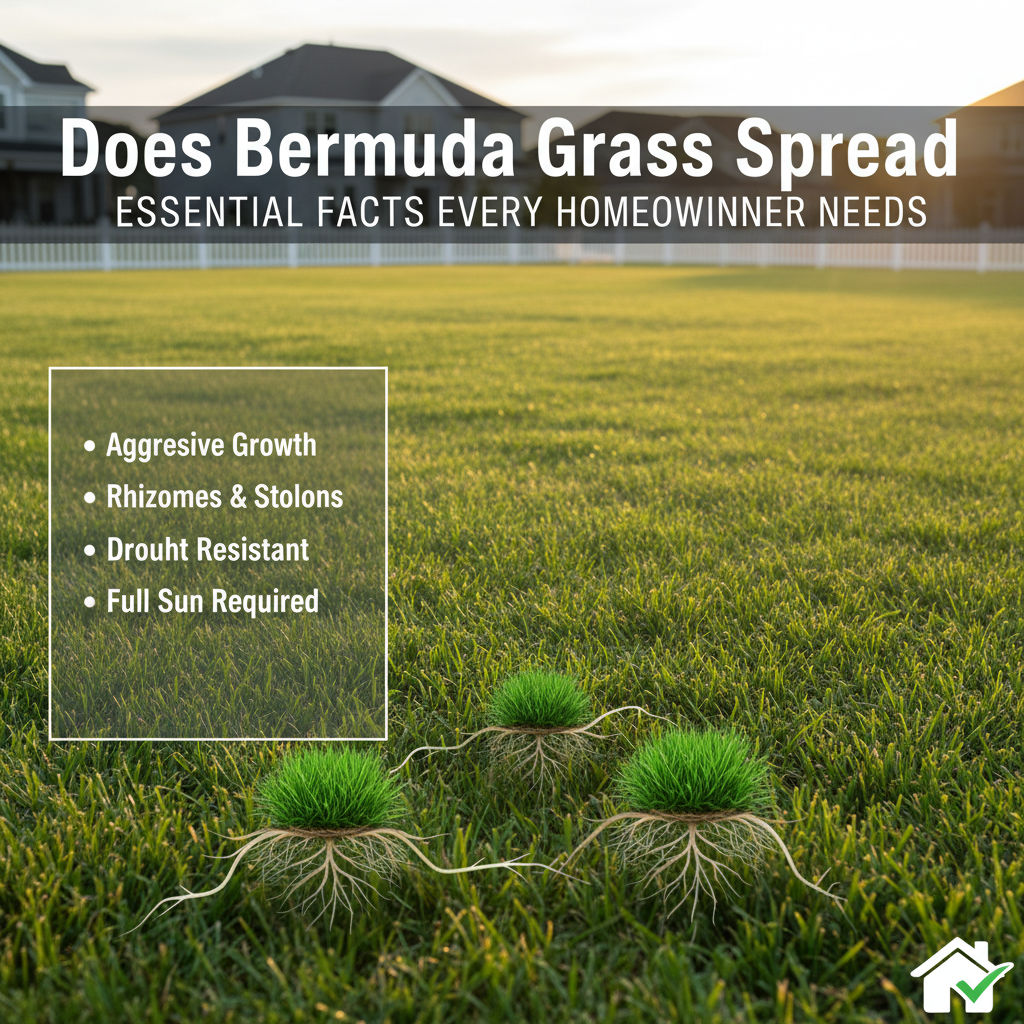
Are you wondering if Bermuda grass will take over your yard or stay put where you plant it?
Yes, Bermuda grass spreads aggressively through above-ground stolons and underground rhizomes. It can quickly fill bare spots, invade garden beds, and spread into nearby lawns if not controlled. Warm temperatures, full sun, and regular watering help it spread even faster.
Whether you want a lush, green carpet or need to stop it from creeping into unwanted areas, knowing the truth about its growth is key. Keep reading to discover how Bermuda grass spreads and what that means for your lawn care.

Credit: theturfgrassgroup.com
Bermuda Grass Growth Habits
Bermuda grass is a popular choice for lawns and sports fields. It grows quickly and forms a thick, green carpet. This grass spreads easily, covering bare spots fast. Understanding how it grows helps with lawn care and maintenance.
The growth habits of Bermuda grass make it strong and resilient. It can survive heat, drought, and heavy foot traffic. Its ability to spread helps fill in gaps and prevent weeds.
How Bermuda Grass Spreads
Bermuda grass spreads through two main ways: above the ground and below the ground. The grass sends out runners that grow across the soil surface. These runners root at nodes, creating new grass plants. This method helps the grass cover large areas quickly.
Below ground, Bermuda grass spreads using underground stems. These stems grow horizontally and produce new shoots upward. This underground growth helps the grass survive tough conditions and grow back after damage.
Rhizomes And Stolons Role
Rhizomes are underground stems that grow horizontally. They send up new shoots, making the grass spread beneath the soil. Stolons are similar but grow above the ground. They also root at nodes and form new grass plants.
Both rhizomes and stolons help Bermuda grass fill in bare spots. They make the lawn thick and healthy. These growth parts allow the grass to recover fast from damage and maintain a lush appearance.

Credit: bethelfarms.com
How Fast Does Bermuda Grass Spread?
Bermuda grass spreads very quickly during late spring and summer when temperatures stay warm. Under ideal conditions, runners can spread several inches per week and fill bare patches within one growing season. Growth slows significantly in cooler temperatures and shaded areas.
Factors Influencing Spread
Bermuda grass spreads in different ways depending on many factors. These factors affect how fast and how well it grows across your lawn. Understanding these helps you control its growth and keep your grass healthy. Two key factors are climate and soil conditions, and watering and fertilization effects.
Climate And Soil Conditions
Bermuda grass thrives in warm climates. It grows best in temperatures above 75°F (24°C). Cooler temperatures slow its spread. It prefers full sun and can struggle in shaded areas.
The type of soil also matters. Sandy or loamy soils allow roots to spread easily. Heavy clay soils can limit growth. Good drainage helps Bermuda grass spread quickly. Poor drainage leads to weak roots and slow spread.
Watering And Fertilization Effects
Watering impacts Bermuda grass growth greatly. It needs regular watering during dry periods. Overwatering causes root problems and slows spread. Water deeply but less often for best results.
Fertilization boosts growth and spread. Nitrogen-rich fertilizers help Bermuda grass grow thick and green. Apply fertilizer during the growing season. Avoid too much fertilizer to prevent damage.
Benefits Of Bermuda Grass Spread
Bermuda grass spreads quickly and offers many benefits for lawns. It creates a thick, green carpet that looks healthy and neat. This grass type is popular for homes, parks, and sports fields due to its strong growth and easy maintenance.
Understanding the benefits of Bermuda grass spread can help you decide if it fits your lawn needs. Its fast growth and durability make it a smart choice for many gardeners.
Lawn Coverage And Durability
Bermuda grass spreads through runners and underground stems. These help fill bare spots fast. The dense growth covers soil well, preventing erosion and damage. It stands up to heavy foot traffic better than many grasses. This makes it ideal for busy yards and play areas. The grass stays green in warm weather and recovers quickly from wear.
Weed Suppression
Dense Bermuda grass leaves little space for weeds to grow. Its fast spread chokes out many common lawn weeds. This reduces the need for chemical weed control. A thick Bermuda lawn creates a natural barrier against unwanted plants. Healthy grass means fewer bare patches where weeds can start.
Will Bermuda Grass Take Over Other Grass Types?
Bermuda grass can easily invade weaker grass types because of its aggressive spreading habit. It commonly spreads into fescue, flower beds, and neighboring lawns through stolons and rhizomes. Without edging or regular maintenance, it may eventually dominate nearby areas.
Controlling Unwanted Spread
Bermuda grass spreads quickly and can take over areas you do not want it to. Controlling its growth helps keep your garden neat. You can stop it from moving into flower beds or other grass types. Using the right methods is key for success.
Some ways to control Bermuda grass include physical barriers and herbicides. Both methods work well in different situations. Choosing the right one depends on your yard and needs.
You can slow Bermuda grass spread by mowing regularly, installing deep edging, and avoiding excessive fertilizer. Early control is much easier than removing fully established runners and rhizomes later.
Physical Barriers And Edging
Physical barriers block Bermuda grass roots and runners from spreading. Installing edging around garden beds is a good start. Use metal, plastic, or concrete edging that is at least 6 inches deep. This stops underground runners from growing beyond the barrier.
Regularly check edges for breaks or gaps. Repair them quickly to keep the grass contained. You can also dig a trench around the area. Fill it with gravel to block root growth. These simple steps help keep Bermuda grass where you want it.
Herbicide Options
Herbicides can kill Bermuda grass in unwanted spots. Use selective herbicides that target Bermuda grass but not other plants. Glyphosate is a common non-selective herbicide but can harm all plants. Apply carefully to avoid damage to nearby grass or flowers.
Spot treat small patches for best results. Repeat treatments may be needed for full control. Always read and follow label instructions for safe use. Herbicides work best combined with physical barriers and proper lawn care.
Maintenance Tips For Homeowners
Taking care of Bermuda grass helps keep your lawn healthy and green. Simple maintenance steps improve its spread and strength. These tips help you enjoy a thick, lush yard.
Mowing Practices
Cut Bermuda grass often to keep it healthy. Set your mower to a height of about 1 to 2 inches. Mow regularly, but never remove more than one-third of the grass blade. This practice stops stress on the grass. Sharp mower blades give clean cuts, reducing disease risk. Mowing encourages Bermuda grass to spread by sending out runners.
Aeration And Overseeding
Aerate your lawn once a year to improve soil air and water flow. This helps roots grow deep and strong. Use a core aerator for best results. Overseed thin or bare spots with Bermuda grass seed. Spread seed evenly and keep the soil moist for good germination. Aeration combined with overseeding boosts grass density and helps it spread faster.

Credit: www.thelawnforum.com
Common Issues With Bermuda Grass Spread
Bermuda grass is popular for lawns and sports fields because it grows fast and looks green. It spreads by runners called stolons and underground stems called rhizomes. But this fast spread can cause some problems. Understanding these common issues helps manage the grass better.
Invasive Behavior In Gardens
Bermuda grass spreads quickly into flower beds and vegetable gardens. It can crowd out other plants by taking their space and nutrients. This makes it hard to grow delicate flowers or crops near it. The grass’s strong roots make it tough to remove once it invades an area. Gardeners often fight to keep Bermuda grass from taking over.
Pest And Disease Risks
Bermuda grass can attract pests like armyworms and mites. These bugs feed on the grass and damage its leaves. The thick grass can also trap moisture, leading to fungal diseases. Common problems include leaf spot and dollar spot. These pests and diseases weaken the grass and make it look unhealthy.
Frequently Asked Questions
Does Bermuda Grass Spread Quickly?
Yes, Bermuda grass spreads rapidly through stolons and rhizomes. This makes it ideal for fast lawn coverage and erosion control.
How Does Bermuda Grass Spread Naturally?
Bermuda grass spreads naturally via above-ground stolons and underground rhizomes, allowing it to colonize new areas effectively.
Can Bermuda Grass Spread To Unwanted Areas?
Yes, Bermuda grass can invade flower beds and gardens if not properly managed due to its aggressive spreading nature.
Does Bermuda Grass Spread by Seed or Runners?
Bermuda grass mainly spreads through runners called stolons and underground rhizomes. While it can grow from seed, most aggressive spreading happens through these creeping stems.
Does Bermuda Grass Spread in Shade?
Bermuda grass spreads poorly in shaded areas because it needs full sunlight for aggressive growth. Thin patches and slower spreading are common in low-light conditions.
Conclusion
Bermuda grass spreads quickly through runners and seeds. It grows fast and fills empty spaces easily. This makes it great for lawns and sports fields. But it can also spread to unwanted areas. Regular mowing and edging help control its growth.
Knowing how Bermuda grass spreads helps you manage it better. Keep an eye on your lawn to stop it from taking over. With simple care, you can enjoy a healthy Bermuda grass lawn all year.
