
Bermuda grass should generally be cut every 5 to 7 days during its peak growing season in spring and summer. In cooler months, mowing can be reduced to every 10 to 14 days, while in winter, it’s best to mow rarely or not at all to avoid stressing the dormant grass.
If you have Bermuda grass in your yard, you probably wonder, “How often should I cut it?” Getting the timing right can make all the difference. Cut too often, and you might stress your lawn.
Wait too long, and it can look messy and unhealthy. In this post, you’ll learn exactly when and how to mow your Bermuda grass to keep it green, thick, and looking its best. Keep reading to discover simple tips that will save you time and help your lawn stand out.
Ideal Cutting Frequency
Knowing the ideal cutting frequency for Bermuda grass keeps your lawn healthy and green. Cutting too often stresses the grass. Cutting too little allows it to grow too tall and weak. Finding the right balance helps Bermuda grass stay strong and look neat. The best cutting schedule depends on several factors like season, weather, and lawn condition.
Seasonal Growth Patterns
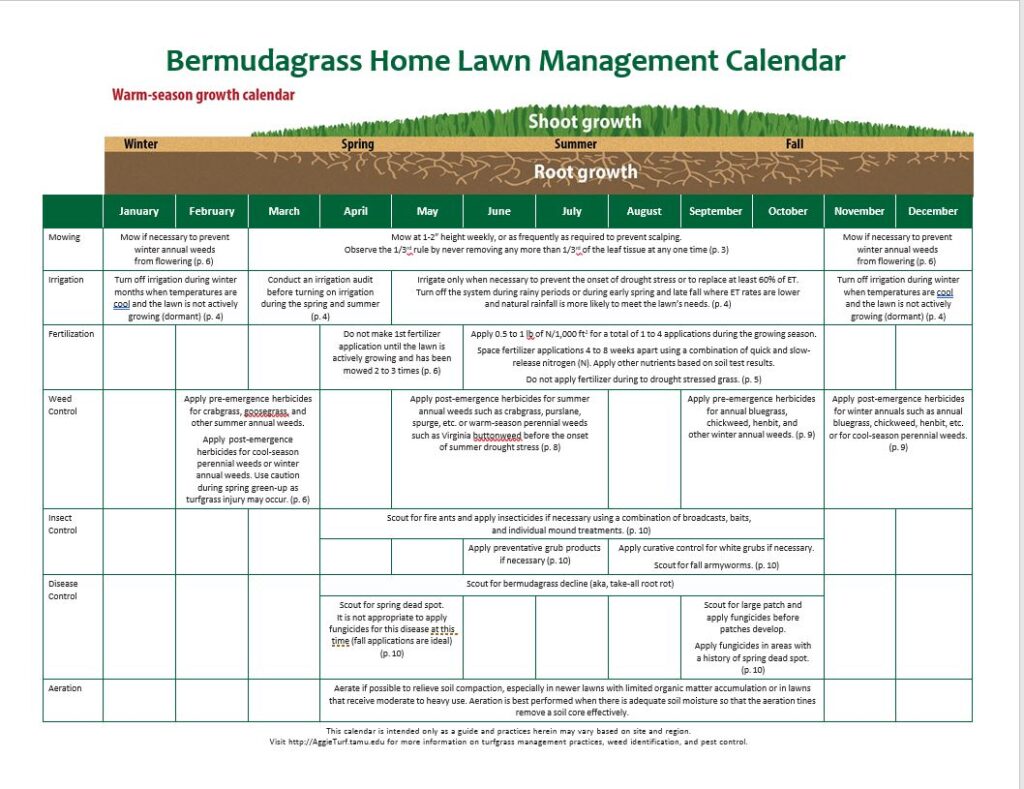
Bermuda grass grows fast in warm months. Spring and summer are peak growth times. During these months, cut the grass every 5 to 7 days. In fall, growth slows down. Mow every 10 to 14 days. In winter, Bermuda grass goes dormant. Avoid cutting or mow very rarely. Adjust cutting frequency based on these seasonal changes.
Weather Impact On Mowing
Rainy weather makes Bermuda grass grow faster. Mow more often after heavy rains. Dry, hot weather slows growth. Cut less often during droughts. Avoid mowing wet grass to prevent damage. Check the weather and grass condition before mowing. This helps keep your lawn healthy and strong.
Adjusting Frequency For Lawn Health
Watch your lawn’s health to adjust cutting frequency. If grass looks stressed, reduce mowing. Tall, thick grass may need more frequent cuts. Always remove no more than one-third of the grass blade at a time. This prevents damage and encourages growth. Adjust mowing frequency to keep your Bermuda grass healthy and lush.
Optimal Cutting Height
Maintaining the right cutting height for Bermuda grass is key to a healthy lawn. Cutting at the optimal height helps the grass grow strong and resist weeds. It also keeps your lawn looking green and fresh. Understanding the best blade length and the effects of cutting too short will guide you to proper lawn care.
Recommended Blade Length
Bermuda grass grows best when cut between 1 and 2 inches tall. This range keeps the grass blades thick and healthy. Using a mower blade set to this height helps the roots grow deeper. Deep roots make the grass strong during dry periods. Adjust your mower to cut no lower than 1 inch.
Effects Of Cutting Too Short
Cutting Bermuda grass too short can harm the lawn. It causes stress to the grass and weakens roots. The lawn becomes more prone to weeds and pests. Short cuts also dry out the soil faster. This can cause brown patches and bare spots. Avoid cutting below 1 inch to keep your lawn safe.
Benefits Of Proper Height
Keeping Bermuda grass at the right height improves its color and thickness. It helps the grass use water and nutrients well. Proper height reduces the chance of disease. Your lawn will stay green longer during hot months. Regular cutting at the right height saves time and money on lawn care.
Best Mowing Techniques
Knowing the best mowing techniques helps keep Bermuda grass healthy and green. Proper mowing encourages strong growth and limits weeds. It also gives your lawn a neat, fresh look. Use the right tools and methods for the best results.
Tools And Equipment
Use a sharp mower blade for clean cuts. Dull blades tear the grass and cause damage. Adjust the mower height to cut no more than one-third of the grass blade. Choose a mower that fits your lawn size. Push mowers work well for small yards. Riding mowers suit larger lawns.
Mowing Direction Strategies
Change mowing direction each time you cut. This prevents grass from leaning one way. Alternate between horizontal and vertical passes. Crossing the lawn diagonally also works well. This helps the grass grow upright and strong. It also reduces soil compaction from repeated wheel tracks.
Safety Tips For Mowing
Wear sturdy shoes and eye protection before mowing. Check the lawn for rocks, sticks, or toys. Clear any debris that could damage the mower or fly out. Never mow wet grass to avoid slipping and clumping. Keep children and pets far from the mowing area. Turn off the mower before adjusting or cleaning it.
Credit: agrilifeextension.tamu.edu
Signs Your Lawn Needs Cutting
Knowing when to cut Bermuda grass keeps your lawn healthy and neat. Watch for clear signs that the grass needs trimming. These signs help you decide the best time to mow.
Visual Cues
Look at the grass height. Bermuda grass looks untidy when too tall. The blades may bend or fold over. Color changes can appear, such as dull or yellow tips. Uneven patches may show up if some areas grow faster. These visual hints tell you the lawn is ready for cutting.
Tactile Indicators
Touch the grass blades with your hand. Long, thick grass feels rough and thick. The lawn may seem dense and hard to walk on. If the grass bends but does not spring back, it needs trimming. Feel for wet or sticky patches that trap dirt. These textures show the lawn needs care.
Growth Rate Monitoring
Track how fast the Bermuda grass grows. During warm months, it grows quickly. Cutting every 5 to 7 days works well then. In cooler times, growth slows, so mow less often. Keep a simple journal or reminder to check growth. This helps keep the lawn at the right height.
Common Mistakes To Avoid
Maintaining Bermuda grass needs care and attention. Many make simple mistakes that harm the lawn. Avoid these common errors to keep your grass healthy and green.
Overcutting Issues
Cutting Bermuda grass too short weakens its roots. The grass loses water faster and dries out. It also invites weeds and pests to grow. Always leave enough leaf blade to protect the soil.
Neglecting Regular Mowing
Skipping mowings lets the grass grow uneven and thick. Long grass shades itself, slowing growth. It becomes harder to cut later. Regular mowing keeps Bermuda grass neat and strong.
Ignoring Seasonal Changes
Bermuda grass grows differently in each season. Cutting too short in hot weather stresses it. In cooler months, reduce mowing frequency. Adjust your cutting schedule to match the season.

Credit: theturfgrassgroup.com
Enhancing Lawn Health Post-mowing
After mowing Bermuda grass, proper care is key to keep your lawn healthy and strong. Cutting the grass correctly is just the start. What you do next helps your lawn grow thick and green. Simple steps improve the grass’s ability to recover and resist stress.
Focus on watering, feeding, and controlling weeds. These actions support the lawn’s growth and prevent damage. Follow easy tips to make your Bermuda grass thrive after every mowing session.
Watering Tips
Water Bermuda grass deeply but not too often. Aim for about one inch of water each week. Early morning watering reduces evaporation and disease risk. Avoid watering late in the day to keep grass blades dry. Wet grass overnight can lead to fungal problems. Use a sprinkler that spreads water evenly across the lawn.
Fertilization Timing
Feed Bermuda grass after mowing to boost growth. Use a balanced fertilizer with nitrogen for green color and strong roots. Apply fertilizer during the growing season, usually spring through early fall. Avoid fertilizing in cold months when grass growth slows. Follow product instructions for the right amount. Over-fertilizing can harm the lawn and waste money.
Weed Control Practices
Control weeds to keep Bermuda grass healthy. Remove weeds by hand or use a selective herbicide safe for Bermuda grass. Apply weed control products on dry grass for better absorption. Treat weeds early before they spread seeds. Maintain a thick lawn to naturally block weed growth. Regular mowing also helps keep weeds under control.
Credit: www.lawncare.org
Frequently Asked Questions
How Often Should Bermuda Grass Be Mowed In Summer?
Bermuda grass should be mowed every 5 to 7 days in summer. This keeps the grass healthy and promotes dense growth. Regular mowing prevents stress and encourages a lush green lawn during peak growing season.
What Is The Ideal Height To Cut Bermuda Grass?
The ideal height to cut Bermuda grass is 1 to 2 inches. Maintaining this height improves lawn density and reduces weed growth. Cutting too low can stress the grass, while cutting too high encourages thatch buildup.
Can I Mow Bermuda Grass Less Frequently In Cooler Months?
Yes, in cooler months, Bermuda grass growth slows down. You can mow every 10 to 14 days. Reducing mowing frequency helps avoid stressing the grass when it is less active.
Why Is Regular Mowing Important For Bermuda Grass Health?
Regular mowing promotes healthy root development and thick turf. It helps control weeds and prevents disease. Consistent cutting also enhances the lawn’s appearance and vitality by encouraging even growth.
Conclusion
Keeping Bermuda grass healthy means cutting it regularly. Cutting every 5 to 7 days during growth helps. This keeps the grass strong and green. Avoid cutting too short to prevent stress. Let the grass grow between 1 to 2 inches.
Water and feed the lawn as needed. Watch how fast your grass grows each season. Adjust the cutting schedule to match growth speed. A well-cut lawn looks neat and stays healthy. Simple care makes your Bermuda grass thrive all year.
