
Are you curious about what Bermuda grass looks like and how to spot it in your lawn or garden? Understanding its appearance can help you decide if it’s the right choice for your outdoor space.
Whether you want a lush, green yard or need to identify this grass for maintenance, knowing the details can make a big difference. Keep reading to discover the key features of Bermuda grass and why it might be exactly what your lawn needs.
Bermuda Grass Basics
Bermuda grass is a popular choice for lawns and sports fields. It thrives in warm climates and handles heavy use well. Understanding its basic features helps in recognizing and caring for it properly. This section covers the essential traits of Bermuda grass.
Growth Patterns
Bermuda grass grows quickly and spreads across the ground. It uses both stolons and rhizomes to expand. Stolons run above the soil, while rhizomes grow below. This growth helps the grass fill in bare spots fast. It forms a dense, thick carpet that resists weeds. The grass stays green during warm months but may go dormant in cold weather.
Leaf Shape And Texture
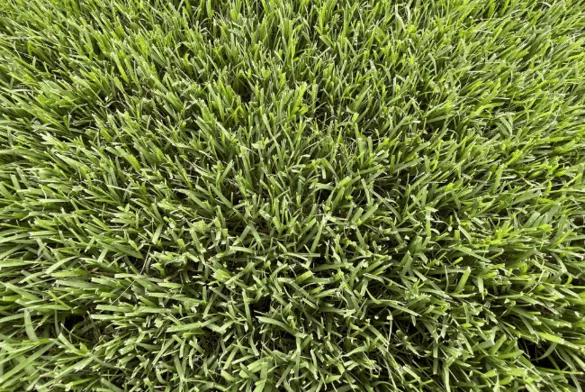
Bermuda grass leaves are narrow and pointed. They feel rough due to tiny hairs on the surface. The color is usually bright to dark green. Each leaf blade is thin and flat, about 2 to 6 inches long. The texture can feel coarse when touched. These features make Bermuda grass easy to identify among other grasses.
Credit: www.jonathangreen.com
Color And Texture
Bermuda grass is popular for its rich color and unique texture. These features make it a favorite for lawns and sports fields. Understanding its color and texture helps in identifying this grass easily.
Typical Green Shades
Bermuda grass shows a bright green color during spring and summer. The green varies from light to medium shades. It can sometimes look slightly yellowish in dry conditions. The color darkens with regular watering and proper care. This grass keeps a lively green look most of the year.
Surface Feel
The texture of Bermuda grass is coarse but soft underfoot. Its blades are thin and wiry, giving a rough feel to touch. This grass grows densely, creating a thick carpet. Walking barefoot on it feels firm yet pleasant. The surface holds up well to heavy use and foot traffic.
Stem And Root Features
Bermuda grass has unique stem and root features that help it grow fast and spread wide. These features make the grass strong and able to survive tough conditions. Understanding these parts helps in caring for Bermuda grass properly.
Stolon And Rhizome Characteristics
Bermuda grass spreads through stolons and rhizomes. Stolons are above-ground stems that run along the soil surface. They create new shoots and roots at nodes. Rhizomes grow underground. They help the grass spread beneath the soil. Both stolons and rhizomes make Bermuda grass dense and thick. They repair damaged areas quickly by sending out new growth.
Root System Depth
Bermuda grass roots grow deep into the soil. The root system can reach 4 to 6 feet deep. Deep roots help the grass find water and nutrients. This makes Bermuda grass drought-tolerant and strong. The roots also hold the soil, preventing erosion. Healthy roots mean healthy grass, even in dry times.
Seed Head And Flowering
Bermuda grass shows clear signs of growth through its seed heads and flowers. These parts help identify the grass and show its health. Understanding their look and timing is useful for gardeners and lawn keepers.
Seed Head Appearance
The seed head of Bermuda grass is thin and upright. It grows in a shape like a small fork or a “Y”. Each seed head has three to six slender spikes. The spikes spread out from a single point. They stand above the grass blades and are easy to spot.
Blooming Season
Bermuda grass blooms in warm months, mostly from late spring to early fall. The seed heads appear in full during summer. This time is best to see the flowering clearly. The grass uses this season to spread seeds for new growth. Cooler weather slows or stops the blooming process.
Common Varieties
Bermuda grass has several common varieties. Each type offers unique features. These varieties differ in texture, color, and growth habit. Knowing the common types helps in choosing the right grass for your lawn or field.
Common Bermuda
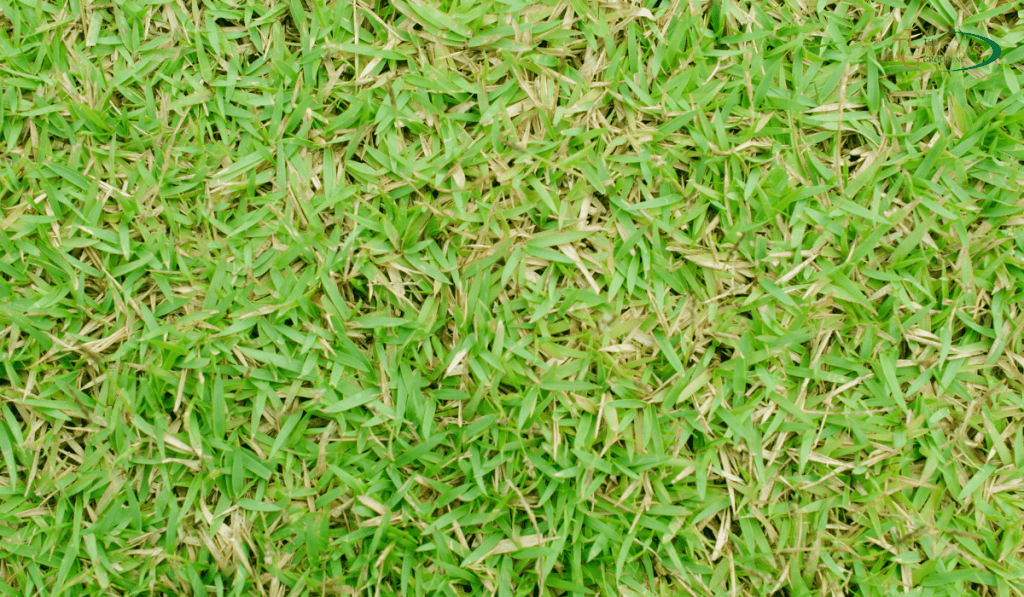
Common Bermuda grass has a coarse texture. Its blades are medium to dark green. It grows fast and spreads easily through stolons and rhizomes. This variety tolerates heat and drought well. It is often used in lawns, parks, and sports fields. Common Bermuda is low maintenance but may need regular mowing.
Hybrid Bermuda
Hybrid Bermuda grass is finer and denser than common Bermuda. Its color is usually a rich, dark green. It spreads quickly and forms a thick, lush turf. This variety is popular on golf courses and athletic fields. It requires more care, like frequent watering and fertilizing. Hybrid Bermuda resists wear better and recovers fast from damage.
Credit: theturfgrassgroup.com
Distinguishing From Similar Grasses
Recognizing Bermuda grass from other types can be tricky. Many grasses look alike but have distinct features. Knowing these differences helps you choose and care for your lawn better.
Comparison With Zoysia
Bermuda grass has fine blades that are light green. Zoysia grass blades are thicker and darker green. Bermuda spreads fast through runners on the surface. Zoysia grows slower and forms a denser mat. Bermuda feels coarse to touch. Zoysia feels soft and springy underfoot. These traits make telling them apart easier.
Differences From St. Augustine
St. Augustine has wide, flat blades with a blue-green color. Bermuda grass blades are narrow and bright green. St. Augustine grows in clumps, not runners. Bermuda spreads quickly across the soil. St. Augustine prefers shade, Bermuda loves sun. St. Augustine feels softer, Bermuda is rougher. Spotting these features helps identify each grass type.
Ideal Growing Conditions
Bermuda grass thrives best under certain conditions. Knowing these helps in growing a healthy, lush lawn. It needs specific climate and soil to spread well and resist pests.
Proper care starts with understanding where Bermuda grass grows naturally. The ideal environment supports its fast growth and green color.
Climate Preferences
Bermuda grass loves warm weather and sunshine. It grows best in temperatures between 75°F and 95°F. It can survive hot summers but struggles in cold winters.
This grass needs full sun for at least six hours a day. It does not do well in shaded areas. It is drought tolerant but grows faster with regular watering.
Soil Requirements
Bermuda grass prefers well-drained soil with good fertility. Sandy or loamy soils work best. Heavy clay soils may cause problems with drainage.
The ideal soil pH ranges from 5.8 to 7.0. Adding organic matter improves soil texture and nutrients. Proper soil helps Bermuda grass roots grow deep and strong.

Credit: www.youtube.com
Frequently Asked Questions
What Are The Key Features Of Bermuda Grass Leaves?
Bermuda grass leaves are narrow, pointed, and bright green. They have a coarse texture and grow densely, forming a thick lawn. The leaves are usually 2 to 6 inches long, with a rough surface that helps the grass tolerate heat and drought.
How Can You Identify Bermuda Grass By Its Growth Pattern?
Bermuda grass spreads quickly through underground rhizomes and above-ground stolons. This creates a dense, carpet-like turf. It grows low to the ground and can fill in bare spots fast. Its aggressive growth makes it ideal for lawns and sports fields.
What Color Is Bermuda Grass Throughout The Seasons?
Bermuda grass is vibrant green during warm months and may turn brown or dormant in cold seasons. It thrives in sunny, warm climates, showing its best color in late spring through early fall. Proper watering keeps its green hue longer.
How Does Bermuda Grass Differ From Other Common Grasses?
Bermuda grass is coarser and more drought-resistant than many other lawn grasses. It has a unique spreading habit with stolons and rhizomes. Its tolerance to heat and heavy foot traffic makes it stand out for lawns and athletic fields.
Conclusion
Bermuda grass has a fine texture and bright green color. Its leaves grow in small, narrow blades. The grass spreads quickly and forms a thick, dense lawn. It thrives in warm climates and sunny spots. Knowing how Bermuda grass looks helps you identify it easily.
This grass is popular for lawns and sports fields. Recognizing its appearance can guide proper care and maintenance. Healthy Bermuda grass adds beauty and durability to outdoor spaces. Keep watching for its unique growth patterns and color changes. Your lawn will benefit from understanding this grass well.
