

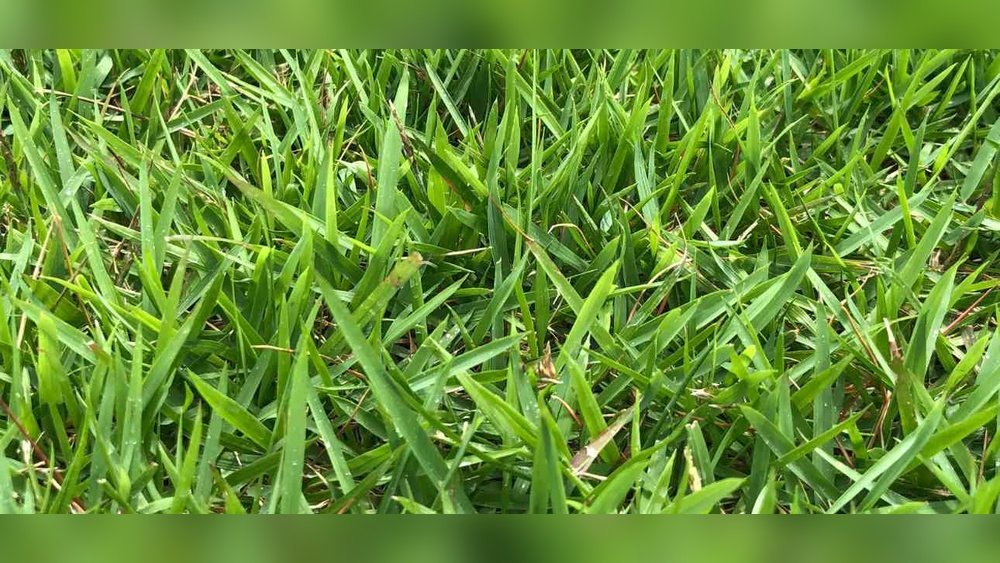
Are you worried about your lush green lawn turning brown when winter arrives? If you have Zoysia grass, you might have noticed it losing its vibrant color as the temperatures drop.
But does Zoysia grass really turn brown in winter, or is there something else going on? Understanding what happens to your lawn during the colder months can help you keep it healthy year-round. Keep reading to discover the truth about Zoysia grass in winter and how you can care for your lawn to maintain its beauty no matter the season.
Credit: www.bigblogofgardening.com
Zoysia Grass Seasonal Color Changes
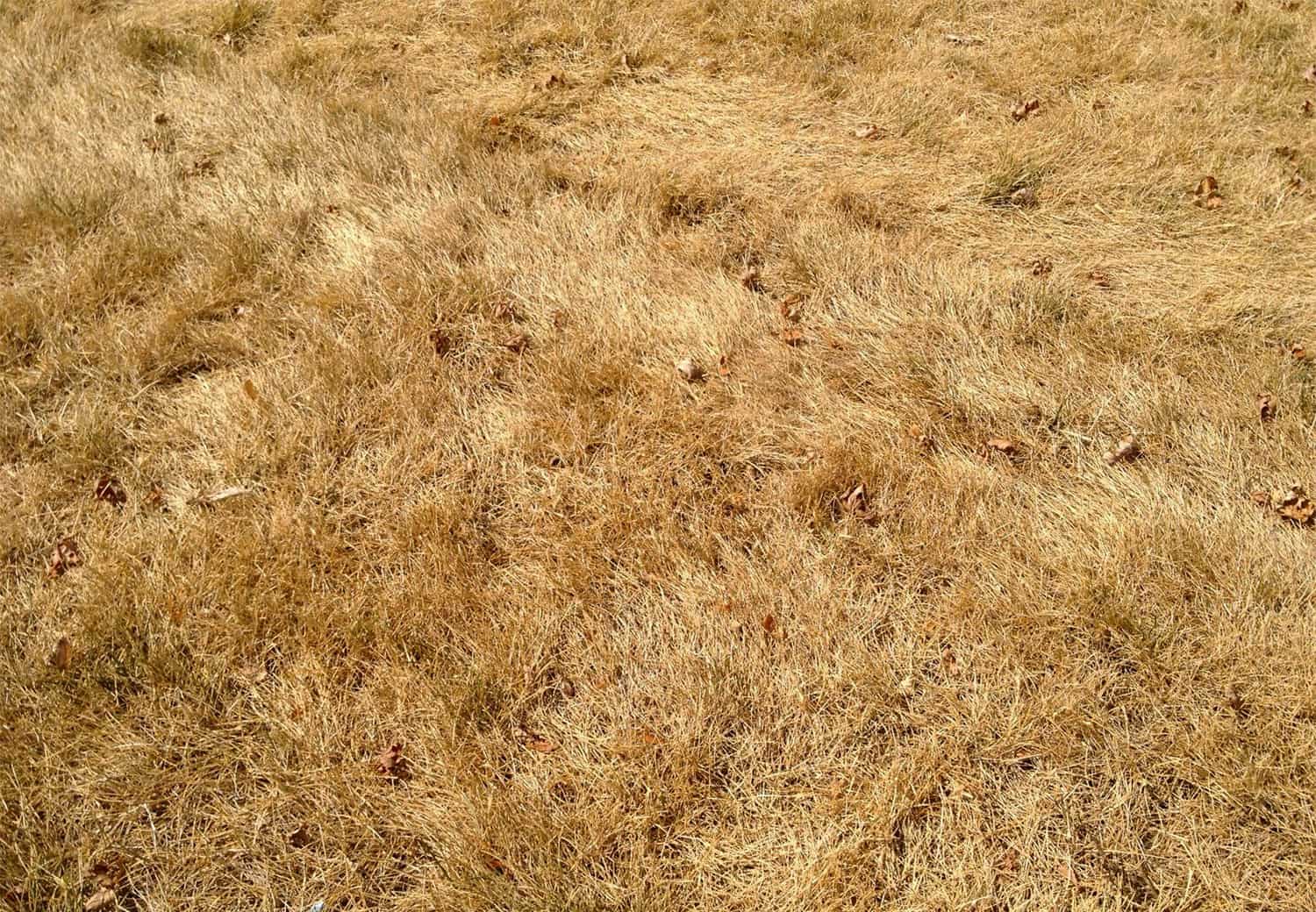
Zoysia grass shows different colors during the year. It is green in warm months. In cold months, it can turn brown. This color change is normal and part of its life cycle. Understanding why helps you care for your lawn better.
The grass reacts to temperature and sunlight. Changes in these factors affect its color. Knowing the growth cycle and reasons for browning can ease your worries.
Growth Cycle Of Zoysia Grass
Zoysia grass grows actively in spring and summer. It uses warmth and sunlight to grow thick and green. During fall, growth slows down. The grass prepares for winter rest. In winter, Zoysia enters dormancy. It stops growing and turns brown. This is a natural process. The grass saves energy until spring returns.
Why Grass Turns Brown In Cold Weather
Cold weather causes Zoysia grass to go dormant. The grass stops making chlorophyll. Chlorophyll gives grass its green color. Without it, grass turns brown or yellow. Frost and freezing temperatures also harm leaf cells. The grass protects its roots underground. Browning does not mean the grass is dead. It will green up again with warmer weather.

Credit: www.zoysiaplug.com
Winter Dormancy In Zoysia Grass
Zoysia grass is a popular choice for lawns due to its thick texture and green color. During winter, this grass undergoes a natural process called dormancy. Dormancy helps the grass survive cold temperatures and frost. The grass slows its growth and conserves energy until warmer weather returns. This change can affect the color and look of your lawn.
Signs Of Dormancy
One clear sign is the grass turning brown or tan. The blades stop growing and may feel dry. The grass looks less lush and soft. You might notice patches that look thinner than usual. The grass does not respond to watering or fertilizing during this time. These signs show the grass is resting, not dying.
Impact On Lawn Appearance
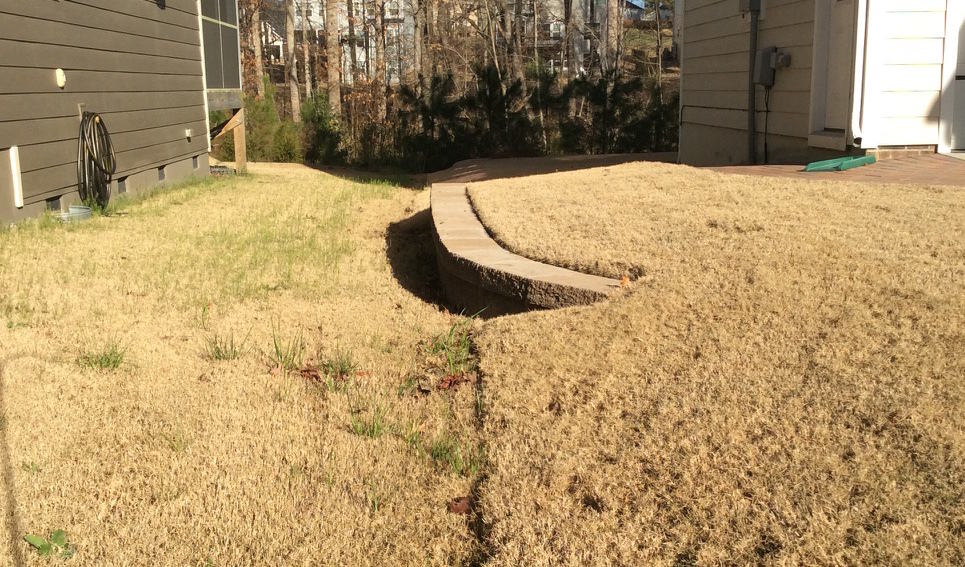
The lawn may look dull and less green. Brown color spreads evenly or in spots. The grass feels brittle and less springy. This change can last for several weeks or months. Even though it looks bad, the roots stay alive under the soil. The lawn will green up again once warm weather comes back.
Factors Influencing Browning
Zoysia grass is popular for its thick, green lawn during warm months. Yet, many notice it turns brown in winter. This browning happens due to several factors. These factors affect the grass’s health and color as the seasons change. Understanding these helps maintain a healthier lawn year-round.
Temperature Effects
Cold temperatures cause Zoysia grass to go dormant. The grass stops growing and loses its green color. Freezing temperatures can damage the blades. The colder the weather, the browner the grass looks. Mild winters keep the grass greener for longer periods.
Soil And Moisture Conditions
Soil quality impacts how Zoysia grass handles winter. Poor soil can stress the grass and cause browning. Proper moisture is crucial. Too little water dries the grass out. Too much water leads to root problems. Balanced moisture helps the grass stay healthy and green.
Sunlight Exposure
Zoysia grass needs sunlight to stay green. During winter, shorter days reduce light exposure. Shaded areas brown faster than sunny spots. Lack of sunlight slows down photosynthesis. More sunlight means less browning and healthier grass.
Preventing Brown Patches
Preventing brown patches on Zoysia grass during winter requires careful care. Brown spots can spoil the lawn’s look and health. Taking simple steps helps keep the grass greener and healthier through cold months. Focus on key areas like maintenance, watering, and fertilizing.
Proper Lawn Maintenance
Keep the lawn clean by removing leaves and debris. Mow the grass before winter with a higher blade setting. This protects the roots and reduces stress. Avoid heavy foot traffic on the lawn to prevent damage. Aerate the soil in late fall to improve air and water flow.
Watering Strategies
Water the lawn deeply but less often during winter. Early morning watering helps the grass absorb moisture. Avoid watering in the late afternoon or evening to prevent frost damage. Adjust watering based on rainfall and temperature changes. Proper watering reduces the risk of brown patches forming.
Fertilization Tips For Winter
Use a fertilizer with low nitrogen and higher potassium for winter. Apply fertilizer in late fall to strengthen the grass roots. Avoid over-fertilizing as it can stress the lawn. Follow the recommended amount on the fertilizer package. Balanced feeding helps the grass survive cold weather better.
Reviving Zoysia Grass After Winter
Zoysia grass often turns brown during winter. This is normal. The grass goes dormant to protect itself from cold. As temperatures rise, the grass starts to green again. Proper care in early spring helps revive your Zoysia lawn quickly. Follow these steps for a healthy, green lawn.
Early Spring Lawn Care
Begin by removing dead leaves and debris from your lawn. This clears space for new growth. Rake the grass gently to loosen the soil surface. Water the lawn deeply but not too often. This encourages strong root growth. Apply a balanced fertilizer to boost nutrients. Choose a formula with nitrogen to promote greening. Avoid heavy fertilizing at once to prevent damage.
Aeration And Overseeding
Aerate your lawn to improve soil air and water flow. Use a lawn aerator or garden fork to create small holes. This helps roots grow deeper and stronger. Overseed bare or thin spots with Zoysia grass seed. Spread seeds evenly and water daily until germination. This fills gaps and thickens the lawn for better coverage.
Pest And Disease Management
Check your lawn for signs of pests or diseases. Look for discolored patches or unusual spots. Treat infestations early with appropriate insecticides or fungicides. Choose products safe for Zoysia grass. Maintain lawn health by mowing at proper height. Healthy grass resists pests and recovers faster from damage.
Credit: www.zoysiaplug.com
Frequently Asked Questions
Does Zoysia Grass Turn Brown In Winter?
Yes, Zoysia grass often turns brown in winter. It is a warm-season grass that goes dormant when temperatures drop, causing the brown color. This dormancy helps the grass survive cold weather and recover in spring.
How Long Does Zoysia Grass Stay Brown In Winter?
Zoysia grass usually stays brown throughout the winter months. Dormancy begins with cooler temperatures and ends when warmth returns in spring. The exact duration depends on your local climate and how cold the winter gets.
Can Zoysia Grass Green Up Before Spring?
Zoysia grass typically does not green up before spring. It remains dormant in cold weather. Once temperatures consistently rise above 50°F, Zoysia grass starts to regain its green color and growth.
Does Watering Affect Zoysia Grass Color In Winter?
Watering has minimal effect on Zoysia grass color in winter. The grass is dormant and uses little water. Overwatering can cause problems, so reduce watering during cold months.
Conclusion
Zoysia grass often turns brown during winter months. This change happens because the grass goes dormant to protect itself. Dormancy helps Zoysia survive cold temperatures. It will green up again when warm weather returns. You don’t need to worry if your lawn looks brown.
Proper care can help Zoysia stay healthy through winter. Watering less and avoiding heavy foot traffic supports recovery. Understanding this natural cycle makes lawn care easier. Your lawn will look green and lush again soon. Patience is key during the colder season.
