


Are you tired of battling stubborn Bermuda grass that just won’t go away? You’re not alone.
Bermuda grass spreads fast and takes over lawns, gardens, and flower beds before you even notice. If you want to reclaim your outdoor space and stop this aggressive weed for good, you need the right strategies. You’ll discover simple, effective ways to kill Bermuda grass and keep it from coming back.
Keep reading, and take control of your yard starting today.
Credit: gregalder.com
Identifying Bermuda Grass
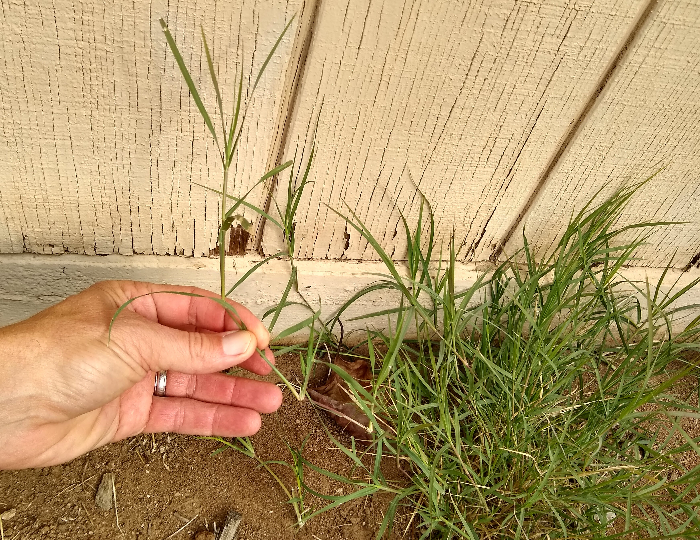
Identifying Bermuda grass is the first step to control it effectively. This grass is tough and spreads quickly. Knowing what it looks like helps you spot it early and take action.
Physical Characteristics
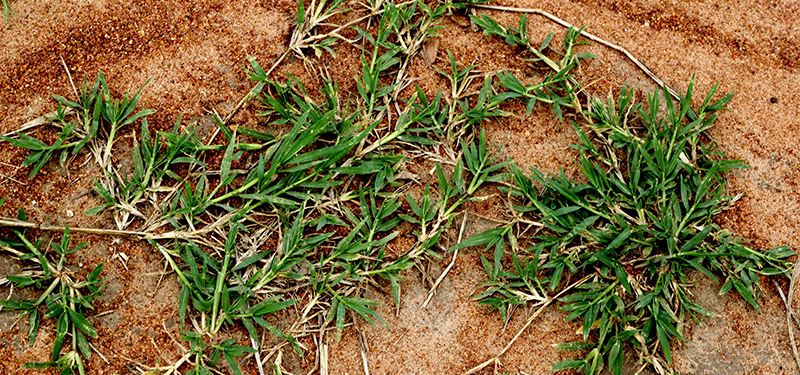
Bermuda grass has thin, green blades. Each blade is about 1/8 inch wide. The grass grows low and forms a dense mat. It has a rough texture and feels coarse to touch. Small seed heads appear in summer, shaped like spikes.
Growth Patterns
This grass spreads fast through runners called stolons and underground stems called rhizomes. It grows outward, covering large areas quickly. Bermuda grass thrives in warm weather and stays green most of the year. It recovers well from damage and mowing.
Common Habitats
Bermuda grass grows in lawns, sports fields, and roadsides. It prefers sunny spots and well-drained soils. You find it in gardens, pastures, and bare patches of land. It can survive droughts and poor soil conditions easily.
Credit: www.agsod.com
Challenges In Removing Bermuda Grass
Removing Bermuda grass is not easy. It grows fast and spreads in many ways. Many people face trouble getting rid of it from their lawns and gardens. Understanding the challenges helps in planning better removal methods.
Resilience And Spread
Bermuda grass is very tough. It can survive harsh weather and poor soil. Its roots grow deep and spread wide. Even small pieces left in soil can grow again. This makes it hard to kill completely.
The grass spreads by runners above ground and by roots underground. It quickly fills empty spaces. This fast growth makes it a strong competitor against other plants.
Impact On Lawns And Gardens
Bermuda grass takes over lawns fast. It crowds out other plants and flowers. Lawns lose their look and become uneven. Gardens can suffer because the grass steals nutrients and water.
It can also make lawn care difficult. Mowing and watering needs change. Some plants may die or stop growing well. This can be frustrating for gardeners and homeowners.
Chemical Control Methods
Chemical control methods offer a powerful way to kill Bermuda grass quickly. These methods use herbicides designed to target and eliminate this tough weed. Proper use of chemicals ensures effective results without harming your lawn or garden plants. Understanding how to select, apply, and handle herbicides safely is essential for success.
Selecting The Right Herbicide
Choose herbicides made specifically for Bermuda grass control. Products containing glyphosate or sethoxydim work well. Glyphosate kills all plants it touches, so use it carefully. Sethoxydim targets only grasses, sparing most other plants. Check the label to confirm the herbicide fits your needs. Pick a product suitable for your lawn or garden type.
Application Techniques
Apply herbicides on calm, dry days to reduce drift. Use a sprayer for even coverage over Bermuda grass patches. Follow label instructions for mixing and spreading amounts. Avoid spraying near desirable plants to prevent damage. Repeat treatments may be necessary for full control. Water the area lightly after application if the label suggests it.
Safety Precautions
Wear gloves, long sleeves, and eye protection during herbicide use. Keep children and pets away from treated areas until dry. Store chemicals in a safe place, away from food and water. Dispose of empty containers according to local rules. Read and follow all safety instructions on the product label carefully. Protect yourself and the environment by handling herbicides responsibly.
Natural And Organic Solutions
Natural and organic solutions offer safe ways to control Bermuda grass. These methods do not use harsh chemicals. They help protect your soil and plants. They are good for small areas or gardens. Patience is important. Results take time but are worth the effort.
Vinegar And Salt Treatments
Vinegar works as a natural weed killer. Use a strong vinegar with 10-20% acetic acid. Mix with a small amount of salt. Spray directly on Bermuda grass leaves. Avoid spraying on other plants. This mix dries out the grass quickly. Repeat the process every few days for best results.
Solarization Method
Solarization uses the sun’s heat to kill grass. Cover the area with clear plastic sheets. Secure the edges with soil or stones. Leave the plastic in place for 4-6 weeks. The heat under the plastic kills Bermuda grass roots. This method works best in hot, sunny weather.
Manual Removal Tips
Pull Bermuda grass by hand to remove roots. Use a garden fork to loosen tough spots. Dig deep to get all the roots out. Dispose of the grass away from your garden. Regular pulling weakens the grass over time. This method is labor-intensive but effective for small patches.
Preventing Bermuda Grass Regrowth
Stopping Bermuda grass from growing back is key to keeping your lawn healthy. This grass spreads fast and can take over areas quickly. Taking steps to prevent its regrowth saves time and effort later. Focus on preparing the soil well, using mulch smartly, and keeping up with regular care.
Soil Preparation
Good soil stops Bermuda grass from growing back easily. Remove all roots and runners from the area. Turn the soil deeply to break up any leftover grass. Use a soil test to check nutrients. Add needed fertilizers or organic matter to make soil strong for new plants.
Mulching Strategies
Mulch blocks sunlight Bermuda grass needs to grow. Use thick layers of organic mulch like wood chips or straw. Spread mulch around plants and bare areas. Mulch keeps soil moist and cool, helping other plants grow better. Replace mulch every few months to keep it fresh and effective.
Regular Maintenance
Keep checking your lawn for any Bermuda grass shoots. Pull out any small patches before they spread. Mow regularly to stop the grass from seeding. Water and feed your lawn to keep it healthy and strong. Healthy grass can outcompete Bermuda grass better.

Credit: www.youtube.com
When To Seek Professional Help
Dealing with Bermuda grass can be tough. Sometimes, the problem grows beyond simple solutions. Knowing when to call a professional can save your lawn and your time. Professionals have tools and knowledge that make a big difference.
Signs You Need Professional Help
If Bermuda grass covers too much area, it is hard to control alone. When it keeps coming back after treatment, it shows the problem is serious. Large patches that spread fast need expert care. Professionals can spot hidden roots and stop regrowth better.
Complex Lawn Conditions
Lawns with mixed grass types or poor soil need expert advice. Chemicals used wrongly can harm other plants. Professionals test soil and choose safe treatments. They protect your lawn’s health while removing Bermuda grass.
Limited Time Or Tools
Removing Bermuda grass takes patience and the right equipment. Some treatments need special sprayers or herbicides. Professionals have these tools and know how to use them safely. Hiring help saves effort and speeds up results.
Frequently Asked Questions
How Do I Effectively Kill Bermuda Grass?
To kill Bermuda grass, use a non-selective herbicide like glyphosate. Apply it during active growth. Repeat treatments may be necessary for complete removal.
Can Bermuda Grass Be Removed Without Chemicals?
Yes, you can remove Bermuda grass without chemicals by digging out roots and rhizomes. Solarization with plastic covers also weakens it by blocking sunlight.
How Long Does It Take To Kill Bermuda Grass?
Killing Bermuda grass usually takes 2 to 4 weeks with herbicide treatments. Manual removal may take longer due to its extensive root system.
What Is The Best Time To Treat Bermuda Grass?
The best time to treat Bermuda grass is late spring to early summer. It’s actively growing then, making herbicides more effective.
Conclusion
Killing Bermuda grass takes patience and careful steps. Use the right herbicides and follow instructions closely. Keep the soil healthy and avoid spreading grass roots. Regularly check your lawn for new growth. Persistence helps stop Bermuda grass from coming back.
Clear your lawn and start fresh with good care. This way, you can enjoy a cleaner, weed-free yard.
