

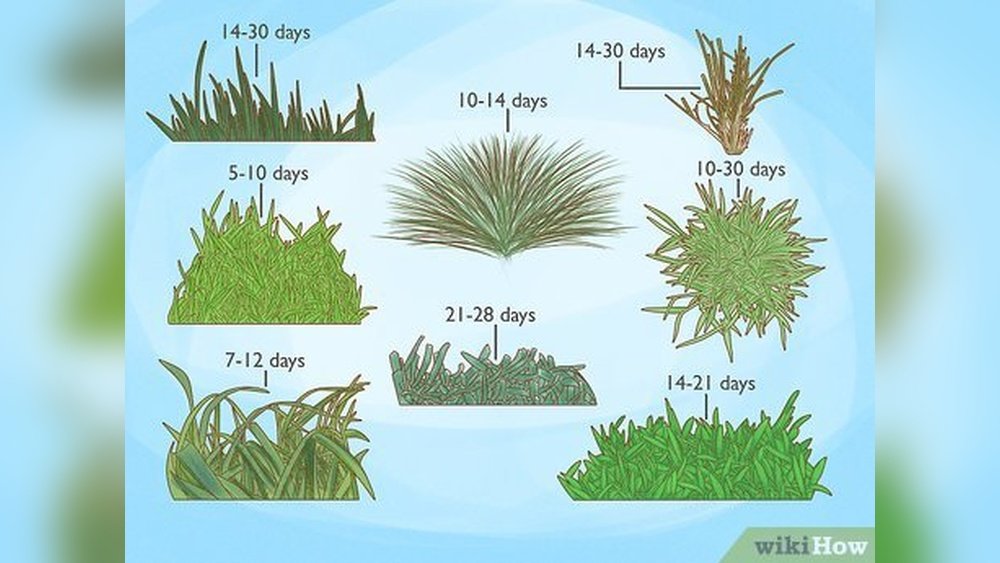
Are you eager to see your Bermuda grass come to life but wondering how long it will take for the seeds to sprout? Knowing the exact time your Bermuda grass seed needs to germinate can save you from unnecessary worry and help you plan your lawn care better.
You’ll discover the key factors that affect germination and learn what to expect during each stage. Keep reading to find out how to give your grass the best start and watch your lawn transform faster than you imagined.

Credit: www.youtube.com
Bermuda Grass Seed Germination Time
Bermuda grass seed germination time is an important factor for gardeners and landscapers. Knowing how long seeds take to sprout helps plan watering and care routines. It also sets expectations for when green grass will appear in your yard.
This grass type is popular for its durability and ability to thrive in warm climates. Understanding its germination time ensures better lawn growth and health.
Typical Germination Period
Bermuda grass seeds usually start to germinate within 7 to 14 days. Under ideal conditions, tiny grass shoots appear quickly. Warmer soil temperatures speed up this process.
Seedlings grow steadily after sprouting. Full lawn coverage often takes 6 to 8 weeks. Patience is key during this early stage.
Factors Affecting Germination Speed
Soil temperature greatly affects how fast Bermuda grass seeds sprout. The best range is 65°F to 75°F. Cooler soil slows growth, and very hot soil can harm seeds.
Moisture is also crucial. Seeds need consistent watering but not waterlogging. Dry soil delays or stops germination.
Soil quality matters. Loose, well-drained soil helps roots develop. Compacted or poor soil can hinder seed growth.
Seed quality impacts germination rates. Fresh, viable seeds produce faster, healthier sprouts. Old or damaged seeds may fail to grow.
Ideal Conditions For Fast Germination
Getting Bermuda grass seed to sprout fast needs the right conditions. Seeds need warmth, water, and good soil. Without these, germination takes longer or may fail. Create the best environment to see quick growth.
Soil Temperature Requirements
Bermuda grass seeds grow best in warm soil. The soil should be between 65°F and 75°F. Cooler soil slows the germination process. Use a soil thermometer to check the temperature. Plant seeds when the soil reaches the right warmth.
Moisture And Watering Tips
Seeds need consistent moisture to sprout quickly. Keep the soil damp but not soaked. Water lightly two to three times a day at first. Avoid letting the soil dry out. Too much water can cause seeds to rot.
Soil Preparation Techniques
Prepare the soil by removing rocks and debris. Loosen soil to a depth of about 2 inches. Mix in some organic matter for better nutrition. This helps seeds settle and take root faster. Smooth the surface before planting the seeds.
Choosing The Right Bermuda Grass Seed
Choosing the right Bermuda grass seed is key for a healthy lawn. Good seed helps the grass grow faster and stronger. It also reduces problems during germination. Picking the correct seed type saves time and effort. Understanding seed quality and seed varieties makes a big difference.
Seed Quality And Freshness
High-quality seed has a high germination rate. Fresh seeds sprout faster and better than old ones. Check the seed package for the harvest date. Avoid seeds older than one year. Clean seeds free from weed seeds give a pure lawn. Quality seeds ensure your Bermuda grass grows evenly.
Varieties That Germinate Quickly
Some Bermuda grass varieties sprout faster than others. Quick-germinating seeds bring green grass sooner. Popular fast-growing types include Common Bermuda and Hybrid Bermuda. These varieties start growing in 7 to 14 days. Choose a variety suited to your climate and soil. Faster germination means less chance for weeds to take over.
Planting Methods For Best Results
Planting Bermuda grass seed correctly boosts germination and growth. Using the right methods helps seeds sprout faster and grow stronger. Proper care during planting sets the stage for a healthy lawn.
Seeding Depth And Spacing
Plant Bermuda grass seeds at a shallow depth, about 1/4 inch. Too deep planting slows germination and weakens seedlings. Spread seeds evenly to avoid clumps and bare spots. Space seeds to allow room for growth and air circulation. Proper depth and spacing improve seed contact with soil and moisture.
Using Starter Fertilizers
Starter fertilizers give young grass the nutrients it needs. Use a fertilizer high in phosphorus to promote root growth. Apply fertilizer before or right after planting the seeds. Avoid over-fertilizing, which can harm seedlings. Balanced feeding supports strong roots and quick green-up.
Maintaining Seedlings For Healthy Growth
Maintaining Bermuda grass seedlings is key to strong, healthy lawn growth. After seeds germinate, they need care to develop deep roots and thick blades. Proper maintenance helps young grass survive heat, drought, and foot traffic. This section covers essential steps to keep seedlings healthy and growing well.
Watering Schedule After Germination
Water Bermuda grass seedlings lightly but often. Keep the soil moist, not soggy. Water two to three times daily in small amounts. Reduce watering as grass grows, shifting to deeper, less frequent watering. This encourages strong root development and drought resistance.
Mowing Guidelines For Young Grass
Wait until grass reaches about 2 inches tall before mowing. Use a sharp mower blade to avoid tearing. Cut only one-third of the grass height at a time. Avoid heavy traffic on seedlings to prevent damage. Mowing promotes thick, even growth when done carefully.
Pest And Disease Prevention
Check seedlings regularly for signs of pests or disease. Remove weeds that compete for nutrients and water. Use natural pest control methods to avoid harming young grass. Ensure good air circulation by not overcrowding seedlings. Healthy grass resists pests and diseases better.
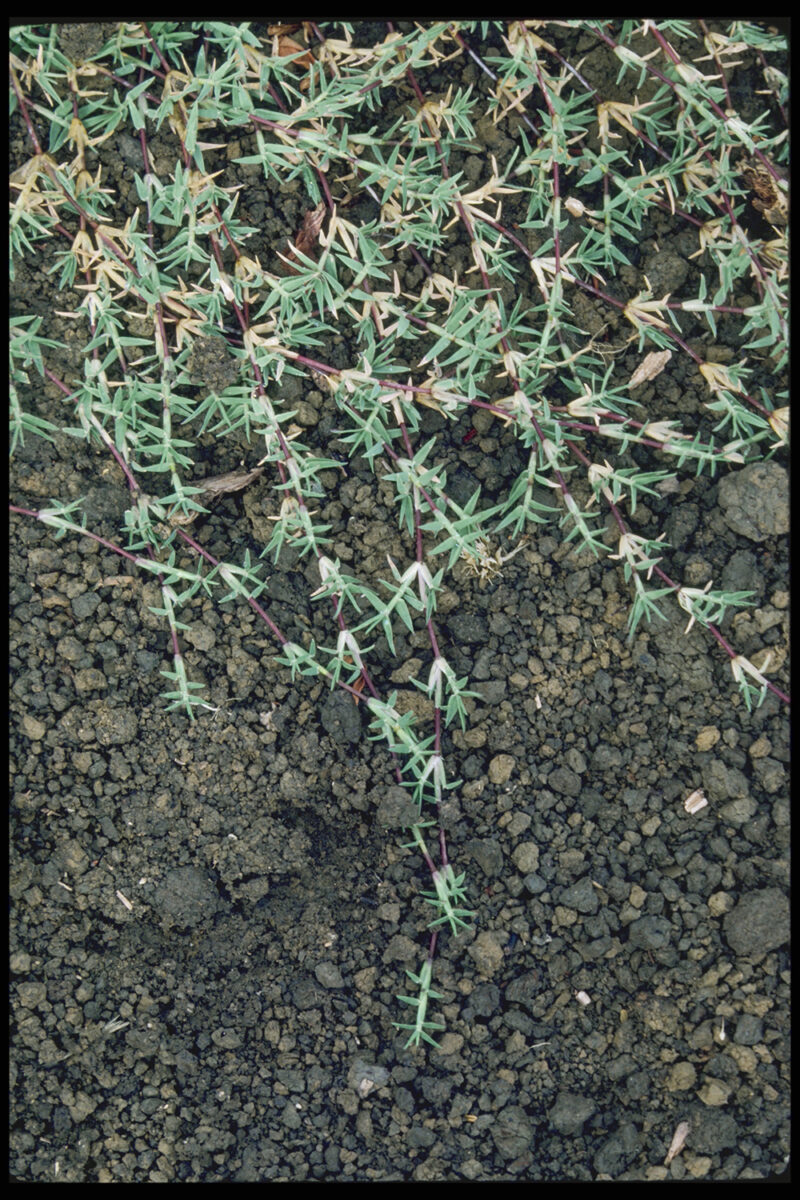
Credit: www.sare.org
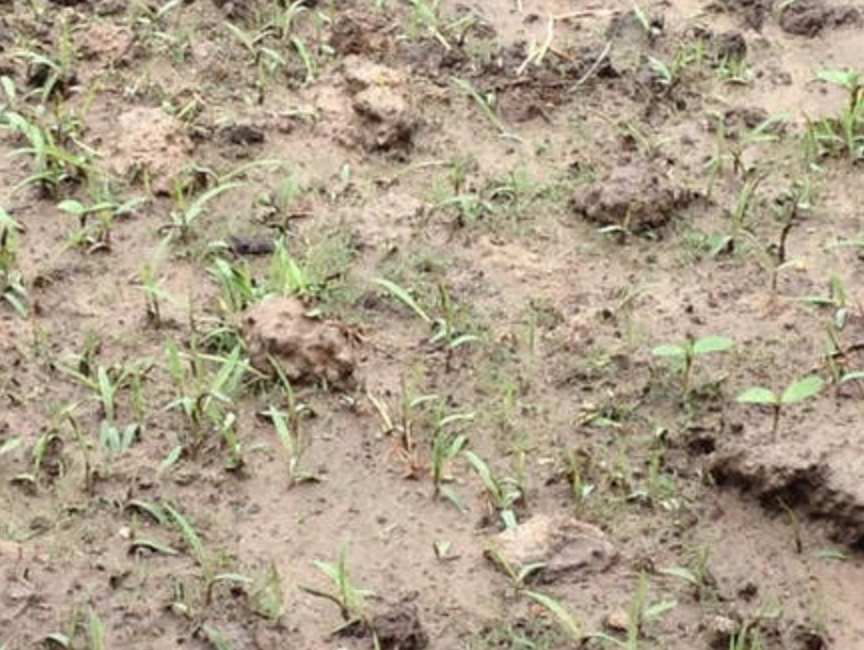
Credit: www.turf-boss.com
Frequently Asked Questions
How Long Does Bermuda Grass Seed Take To Germinate?
Bermuda grass seed typically germinates within 7 to 14 days. Warm soil temperatures between 75°F and 85°F speed up germination. Consistent moisture is essential to help seeds sprout quickly and evenly.
What Factors Affect Bermuda Grass Seed Germination Time?
Soil temperature, moisture, and seed quality impact Bermuda grass seed germination. Ideal warmth and regular watering promote faster sprouting. Poor soil or drought can delay or reduce germination success.
Can Bermuda Grass Seed Germinate In Cooler Temperatures?
Bermuda grass seed germination slows significantly below 65°F. Cooler soil temperatures delay sprouting and can cause patchy growth. For best results, plant seeds when soil is consistently warm.
How To Speed Up Bermuda Grass Seed Germination?
Maintain soil temperature between 75°F and 85°F and keep it moist. Use high-quality seed and prepare soil by removing debris. Avoid overwatering, which can cause seed rot.
Conclusion
Bermuda grass seed usually starts to grow within 7 to 14 days. Warm soil and proper watering help speed up germination. Avoid overwatering, as it can harm the seeds. Keep the soil moist but not soggy. Patience is key; healthy grass takes time.
Watch for small green shoots to appear. Once germinated, continue regular care for strong growth. Your lawn will soon look lush and green. Stay consistent and enjoy the results.
