
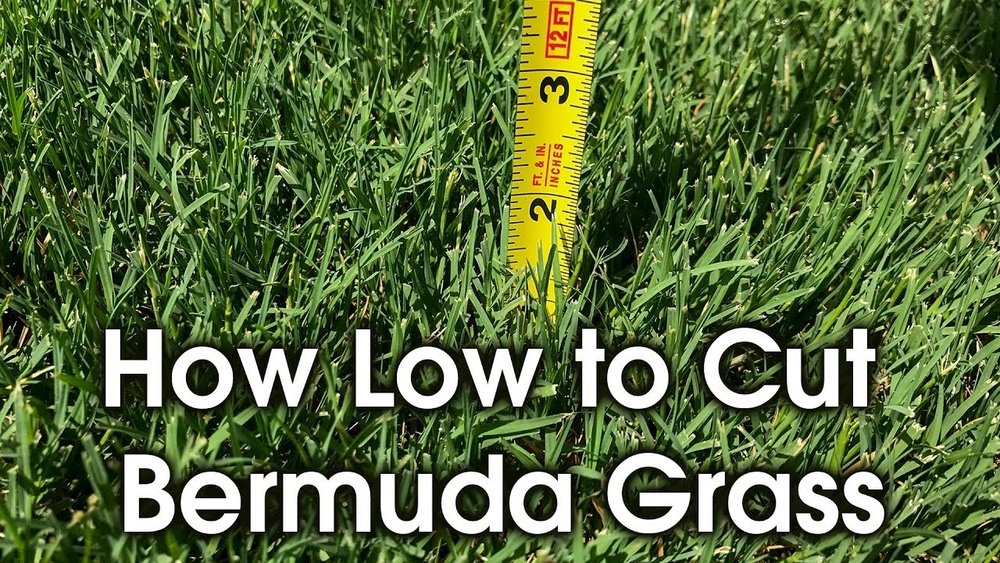
To keep Bermuda grass healthy and looking its best, mow it regularly at a height between 1 and 2 inches. Use a sharp blade and never cut more than one-third of the grass blade at once. Adjust mowing frequency with the seasons to promote strong growth and prevent damage.
Are you struggling to keep your Bermuda grass looking neat and healthy? Cutting Bermuda grass the right way can make a huge difference in how your lawn looks and grows.
If you want a lush, green yard that stands out, knowing the best techniques for mowing Bermuda grass is key. You’ll discover simple, effective tips that make cutting your Bermuda grass easier and more rewarding. Keep reading to learn how to transform your lawn into the envy of the neighborhood.
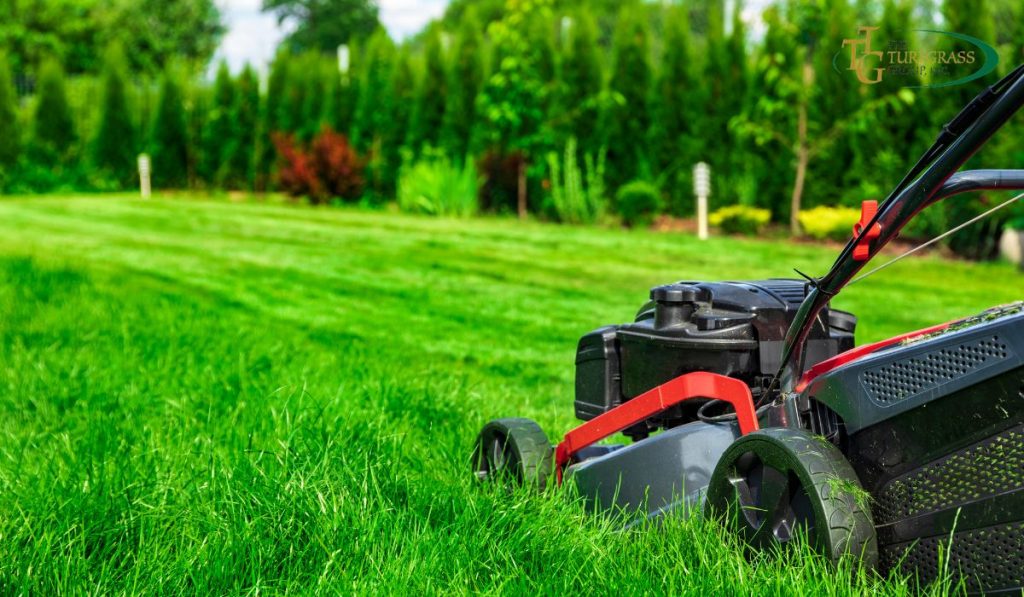
Credit: theturfgrassgroup.com
Choosing The Right Mower
Choosing the right mower is key to keeping Bermuda grass healthy and neat. The right mower cuts the grass evenly and prevents damage. This helps the grass grow strong and green. Different mowers work better for different lawn sizes and shapes. Picking the right one saves time and effort.
Types Of Mowers For Bermuda Grass
Rotary mowers are common and easy to use. They work well for most Bermuda lawns. Reel mowers offer a cleaner cut and suit smaller lawns. Riding mowers are good for large areas. They cut quickly and reduce fatigue. Mulching mowers chop grass finely, which helps feed the lawn.
Blade Maintenance And Sharpness
Sharp blades cut grass cleanly. Dull blades tear grass, causing brown tips. Check blades often and sharpen when needed. Clean blades remove grass clippings and debris. Proper blade care extends mower life. Keep blades balanced to avoid mower damage.

Credit: theturfgrassgroup.com
Best Mowing Height
Choosing the best mowing height is key to keeping Bermuda grass healthy and green. Cutting the grass too short or too tall can harm its growth. The right height helps the grass develop strong roots and resist weeds and drought. This section covers the ideal grass height and how to adjust it through the seasons.
Ideal Grass Height For Health
Bermuda grass grows best when kept between 1 and 2 inches tall. This height lets sunlight reach the grass blades and soil. It also allows air to flow, reducing disease risks. Cutting at this height helps the grass stay thick and strong.
Never cut more than one-third of the grass blade at once. This rule prevents stress and damage. Mowing too short can cause brown patches and weak roots. Keeping Bermuda grass at 1 to 2 inches keeps it vibrant and healthy.
Adjusting Height For Seasons
In warm months, maintain the 1 to 2 inches height for Bermuda grass. It grows fast and needs regular cutting. During cooler months, raise the mower to 2 to 2.5 inches. This helps protect the grass from cold stress.
Higher grass in fall and winter stores more energy for spring growth. It also reduces damage from frost. Adjusting mowing height by season supports the grass’s natural cycle and strength.
Mowing Frequency
Knowing how often to mow Bermuda grass helps keep it healthy and green. Mowing frequency depends on the season, weather, and grass growth rate. Cutting too often or too little can harm the lawn. This section guides you on the right mowing schedule and signs it’s time to mow.
How Often To Mow
During the growing season, mow Bermuda grass every 3 to 5 days. In cooler months, reduce mowing to once every 7 to 10 days. Fast growth needs more frequent cutting to avoid stress. Slow growth means you can wait longer between cuts. Adjust your mowing routine based on how fast the grass grows.
Signs You Need To Mow
Check if the grass blades are taller than 2 to 3 inches. If the lawn looks uneven or shaggy, it is time to mow. Foot traffic leaves visible marks on long grass. The grass may start to shade itself, which can cause weak spots. Watch for these signs to keep Bermuda grass healthy and neat.
Mowing Techniques
Mowing Bermuda grass needs the right techniques for a healthy lawn. Proper mowing helps the grass grow strong and look neat. It also prevents damage and keeps the lawn green. Follow easy steps to mow Bermuda grass effectively and keep your yard in top shape.
Proper Cutting Patterns
Use different mowing patterns each time you cut the grass. Change direction to avoid soil compaction. Straight lines one day, diagonal the next. This helps grass grow evenly and prevents ruts. Mow slowly to give a clean cut. Avoid cutting more than one-third of the grass blade at once. This keeps the grass healthy and reduces stress.
Avoiding Lawn Damage
Keep mower blades sharp to avoid tearing the grass. Dull blades cause brown tips and slow growth. Mow when the grass is dry. Wet grass clumps and causes uneven cuts. Do not mow too short. Leaving grass about 1 to 2 inches long protects roots. Avoid mowing on very hot days to prevent stress. Clear the lawn of sticks and stones before mowing to protect both mower and grass.
Post-mowing Care
After cutting Bermuda grass, proper care helps the lawn stay healthy and green. Post-mowing care supports grass recovery and prevents damage. It also keeps your mower in good condition. Follow simple steps for the best results.
Cleaning And Maintenance
Remove grass clippings from the mower after each use. Clean the blades to stop rust and dullness. Check for loose screws or parts to avoid breakdowns. Sharpen blades regularly for a clean cut. Proper mower care saves money and keeps grass healthy.
Watering After Mowing
Water the lawn soon after mowing. This helps reduce stress on the grass. Use a gentle spray to avoid washing away soil. Water deeply but not too often to encourage strong roots. Avoid watering in the heat of the day to save water.

Credit: www.youtube.com
Troubleshooting Common Issues
Cutting Bermuda grass is simple, but problems can arise. Common issues like thatch buildup and pests affect lawn health. Fixing these problems helps keep your Bermuda grass green and thick. Understanding these issues ensures a better mowing experience and lawn care.
Dealing With Thatch
Thatch is a layer of dead grass and roots. It stops water and nutrients from reaching soil. Too much thatch makes mowing harder and weakens grass. Use a dethatcher or rake to remove it. Removing thatch helps grass grow strong and healthy. Do this in spring or fall for best results.
Managing Weeds And Pests
Weeds compete with Bermuda grass for nutrients and space. Pull weeds by hand or use a safe herbicide. Pests like grubs and insects damage grass roots. Use natural or chemical insecticides to control pests. Regular mowing and watering keep weeds and pests low. Healthy grass resists pests and weeds better.
Frequently Asked Questions
How Often Should I Cut Bermuda Grass?
Cut Bermuda grass every 5 to 7 days during the growing season. Frequent mowing keeps it healthy and dense. Avoid cutting more than one-third of the grass height at once to prevent stress.
What Is The Ideal Height For Cutting Bermuda Grass?
Maintain Bermuda grass height between 1 to 2 inches. This height promotes strong roots and a lush lawn. Cutting too short can damage the grass, while too tall encourages weeds.
Can I Use A Rotary Mower For Bermuda Grass?
Yes, a rotary mower works well for Bermuda grass. Ensure the blades are sharp for a clean cut. Regular mowing with a rotary mower helps maintain the grass’s appearance and health.
When Is The Best Time To Cut Bermuda Grass?
Mow Bermuda grass in the late afternoon or early evening. This timing reduces stress and moisture loss. Avoid cutting during the hottest part of the day to prevent damage.
Conclusion
Cutting Bermuda grass properly keeps your lawn healthy and neat. Regular trimming helps grass grow thick and green. Use sharp blades and mow at the right height. Avoid cutting too short to prevent stress on the grass. Water and fertilize after mowing for best results.
Small efforts make a big difference in lawn care. Enjoy a fresh and tidy yard all season long. Stay consistent, and your Bermuda grass will thrive easily.
