


Bermuda grass spreads rapidly through underground rhizomes and above-ground stolons, making it tough to control. To stop its spread, regular mowing, physical barriers like edging, and targeted chemical treatments are effective methods. Early identification and consistent maintenance are key to keeping it from taking over your lawn.
Are you tired of Bermuda grass taking over your yard? It spreads quickly and can be hard to control, turning your beautiful lawn into a patchy mess.
But don’t worry—there are simple and effective ways you can stop Bermuda grass from spreading. You’ll learn practical tips that anyone can follow to keep your lawn looking neat and healthy. Keep reading to take back control of your grass and protect your yard the right way.
Credit: underwoodgardens.com
Why Bermuda Grass Spreads Quickly
Bermuda grass spreads fast and can take over lawns quickly. Understanding why it spreads helps control it better. Its growth style and the conditions it likes make it hard to stop. Let’s explore these reasons.
Growth Patterns And Rhizomes
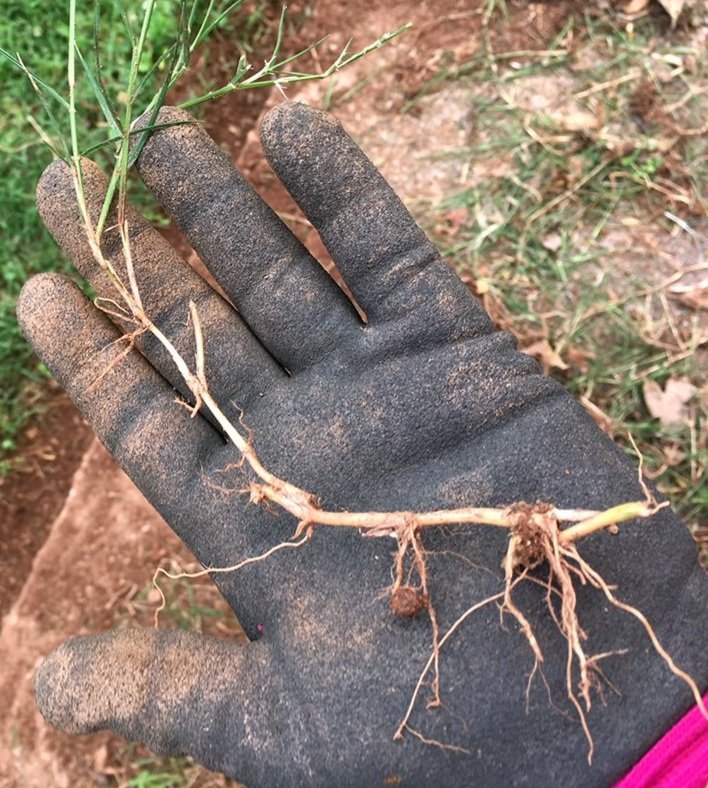
Bermuda grass grows using rhizomes and stolons. Rhizomes are underground stems that spread roots far from the main plant. Stolons grow above the ground and create new shoots. This dual growth helps Bermuda grass cover large areas fast. Each piece can start a new plant. This makes it tough to remove once it starts growing.
Ideal Conditions For Expansion
Bermuda grass thrives in warm, sunny places. It grows best in soil that drains well and has enough nutrients. It also survives drought better than many grasses. These conditions help it spread fast and recover quickly. Lawns with these traits often face Bermuda grass invasion. Controlling the environment can slow its growth.
Identifying Bermuda Grass In Your Yard
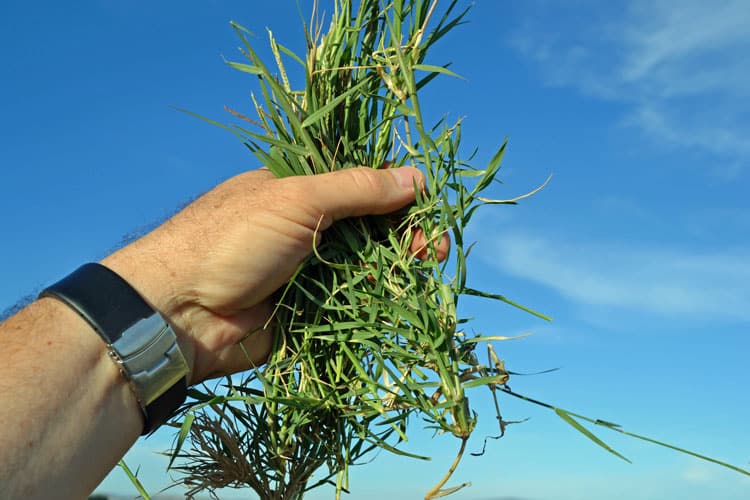
Identifying Bermuda grass in your yard is the first step to stopping its spread. This grass grows fast and spreads quickly through runners and seeds. Knowing how to spot it helps you control it early. Here are some ways to recognize Bermuda grass and where it usually appears.
Visual Characteristics
Bermuda grass has fine, soft blades that are green to dark green. The blades grow in a V-shape and are usually 1 to 2 inches long. It spreads with thin stems called stolons and underground roots called rhizomes. These stems help the grass cover large areas fast. The grass feels rough but dense under your feet. It can form thick mats that crowd out other plants.
Common Areas Of Infestation
Bermuda grass often grows in sunny spots like lawns, sports fields, and parks. It prefers warm weather and dry soil but can survive in many conditions. You may find it along roadsides, driveways, and garden beds. It can invade flower beds and vegetable gardens, causing problems. Watch for patches that look different or thicker than other grass. These are signs Bermuda grass is spreading.
Manual Methods To Control Spread
Stopping Bermuda grass from spreading requires effort and patience. Manual methods give control over its growth without chemicals. These techniques work well for small yards and garden beds. Consistent care is key to success.
Regular Mowing Techniques
Mowing Bermuda grass often keeps it short and weak. Cut the grass low but avoid scalp damage. Mow at least twice a week in warm months. This prevents the grass from producing seeds and runners. Use sharp mower blades for a clean cut. Removing clippings helps reduce spread as well.
Physical Barriers And Edging
Install physical barriers to block Bermuda grass roots. Use metal or plastic edging at least 6 inches deep. This stops underground runners from invading other areas. Check barriers regularly for gaps or damage. Barriers work best combined with regular mowing. Edge garden beds and pathways carefully to maintain control.
Chemical Treatments For Bermuda Grass
Chemical treatments can help control Bermuda grass spread effectively. They work by targeting the grass without harming other plants. Using the right chemicals in the right way is crucial. This approach can save time and effort in managing your lawn.
Selective Herbicides Options
Selective herbicides kill Bermuda grass while leaving other grasses safe. Products with ingredients like atrazine or sethoxydim work well. Choose herbicides labeled for Bermuda grass control. Always read the label to confirm it suits your lawn type. Selective herbicides allow you to treat problem areas without damaging your whole lawn.
Application Tips And Timing
Apply herbicides on calm, dry days to avoid drift. Early morning or late afternoon works best. Spray when Bermuda grass is actively growing for better results. Avoid applying before rain to prevent washing away. Follow the recommended dosage to protect your lawn and environment. Repeat treatments may be needed for stubborn patches.
Natural Remedies To Limit Growth
Controlling Bermuda grass naturally helps protect your garden and soil. These methods avoid harsh chemicals and work with nature. Natural remedies slow the grass’s spread and keep your lawn healthy. Let’s explore two effective ways to limit Bermuda grass growth without synthetic products.
Solarization And Smothering
Solarization uses the sun’s heat to kill Bermuda grass roots. Cover the area with clear plastic for 4 to 6 weeks. The heat builds up under the plastic and destroys the grass underground. This method works best in hot, sunny weather.
Smothering involves blocking sunlight from the grass. Use thick layers of newspaper, cardboard, or mulch. Cover the grass completely and weigh down the materials. Without light, Bermuda grass cannot grow or spread. Both solarization and smothering stop growth naturally.
Organic Herbicide Alternatives
Organic herbicides offer a safer way to control Bermuda grass. Products with vinegar, clove oil, or citrus extract work well. These natural chemicals burn the grass leaves and weaken the roots. Apply carefully to avoid harming nearby plants.
Homemade mixtures with vinegar and soap can also reduce growth. Spray the solution directly on the grass leaves. Repeat applications improve results. These organic options limit Bermuda grass without toxic effects on the environment.
Preventive Lawn Care Practices
Stopping Bermuda grass from spreading starts with good lawn care. Preventive practices keep your lawn healthy. They slow down unwanted grass growth. Focus on soil health, watering, and regular lawn care. These steps help control Bermuda grass naturally.
Soil Health And Fertilization
Healthy soil grows strong grass. Test your soil to know its needs. Add nutrients based on test results. Avoid too much nitrogen. It helps Bermuda grass spread fast. Use balanced fertilizers with phosphorus and potassium. These support grass roots and slow Bermuda growth. Aerate your soil to improve air and water flow. Good soil stops Bermuda from taking over.
Irrigation And Lawn Maintenance
Water your lawn deeply but less often. Shallow watering favors Bermuda grass roots. Mow your lawn regularly to keep grass short. Cut no more than one-third of the blade. Remove clippings to reduce seed spread. Clear debris and weeds that help Bermuda spread. Proper lawn care limits Bermuda grass growth naturally.
When To Call A Professional
Stopping Bermuda grass from spreading can be tough. Some situations need expert help. Knowing when to call a professional saves time and protects your lawn. Professionals have the right tools and skills to manage severe problems safely and quickly.
Signs Of Severe Infestation
Look for large patches of Bermuda grass that grow fast. If the grass spreads beyond your lawn edges, it is serious. When it creeps into flower beds or cracks in pavement, it means the problem is strong. Yellowing or dying grass around Bermuda patches shows stress to other plants. Home treatments may fail with these signs.
Choosing Lawn Care Experts
Pick lawn care experts with experience in weed control. Check reviews and ask for references. Choose those who use safe and effective methods. Ask about their plan for stopping Bermuda grass. Experts should explain steps clearly and offer follow-up support. Good pros will help your lawn stay healthy and weed-free.
Credit: www.organicgrowersschool.org

Credit: www.youtube.com
Frequently Asked Questions
What Are Effective Ways To Stop Bermuda Grass Spreading?
Control Bermuda grass by regular mowing, using barriers, and applying herbicides. Maintain healthy lawn practices to reduce its growth and spread.
Can Mulch Help Prevent Bermuda Grass Growth?
Yes, mulch blocks sunlight, limiting Bermuda grass growth. Applying thick mulch layers in garden beds helps control its spread effectively.
How Does Proper Watering Affect Bermuda Grass Control?
Avoid overwatering, as Bermuda grass thrives in moist soil. Water lawns deeply but infrequently to reduce its aggressive spreading.
Are Chemical Herbicides Safe For Stopping Bermuda Grass?
Selective herbicides can stop Bermuda grass but use them carefully. Follow label instructions to protect other plants and the environment.
Conclusion
Stopping Bermuda grass from spreading takes patience and effort. Regular mowing keeps it under control. Use barriers to block its roots and runners. Water and fertilize your lawn carefully to help other grasses grow. Pull out any unwanted shoots as soon as you see them.
Stay consistent with these steps every week. You can keep your lawn neat and healthy. Small actions make a big difference over time. Stay focused, and your yard will look great.
