
Are you looking for the perfect grass to make your North Texas lawn stand out? Choosing the right type of grass can be tricky, especially with the hot summers and occasional droughts you face here.
Zoysia grass has become a popular option, but is it really the best fit for your yard? You’ll discover the truth about Zoysia grass—how it handles Texas heat, its maintenance needs, and whether it’s worth your time and effort. Keep reading to find out if Zoysia grass is the solution your lawn has been waiting for.
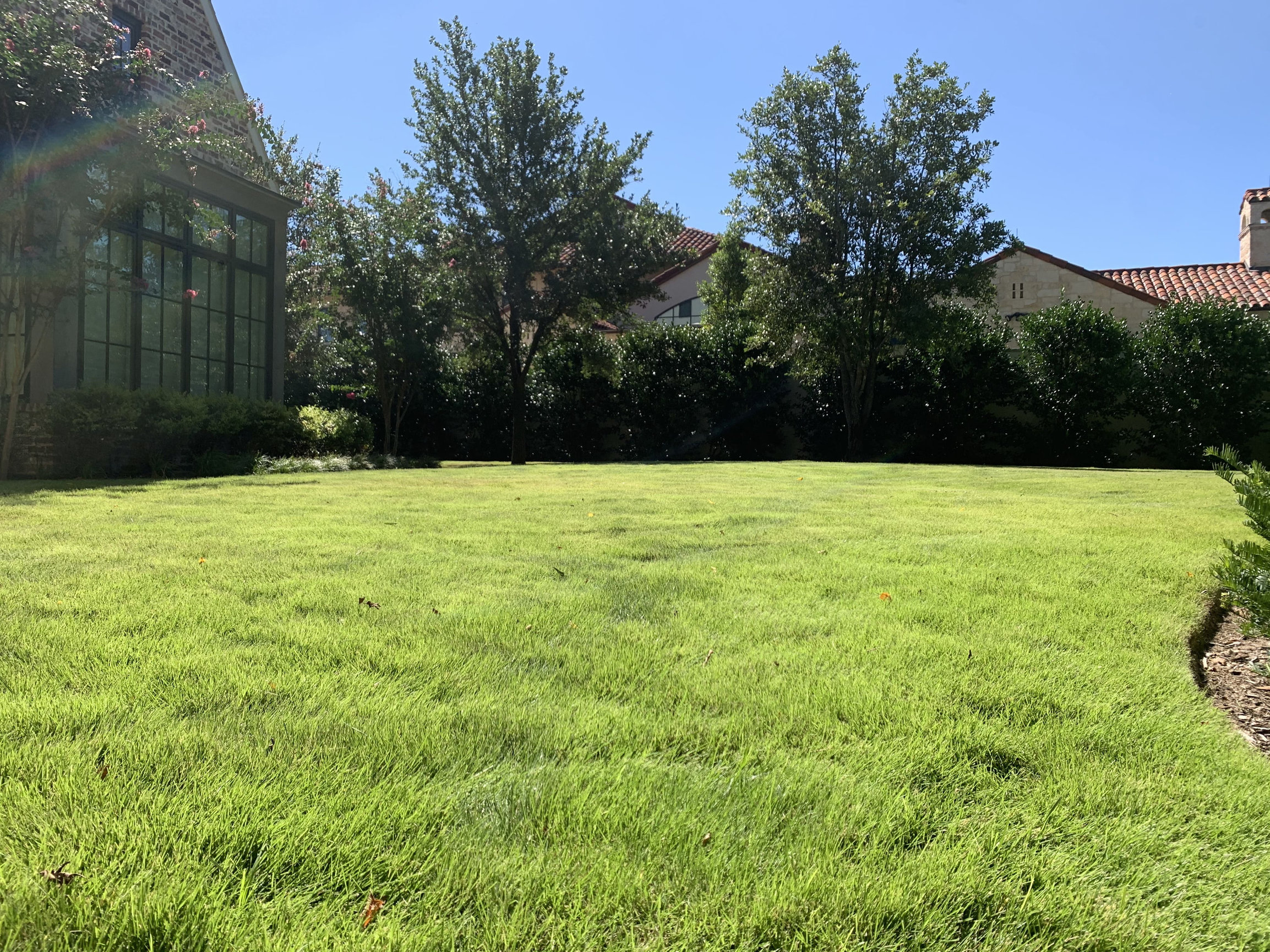
Credit: www.splendidgardens.net
Zoysia Grass Basics
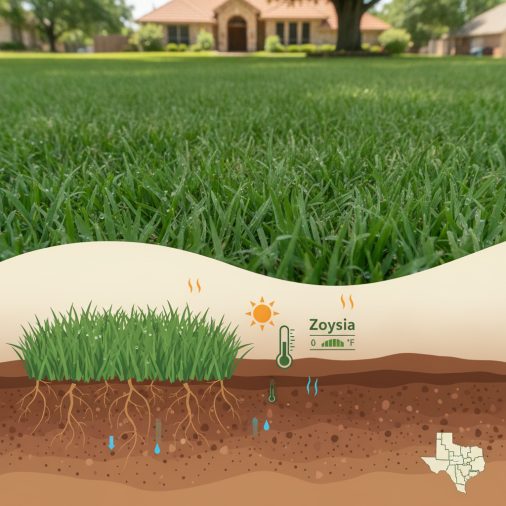
Zoysia grass is a popular choice for lawns in North Texas. It grows thick and green, making yards look beautiful. This grass handles heat and drought well. It also resists weeds better than many other types. Understanding the basics helps decide if it fits your lawn.
This section covers the origin and characteristics of Zoysia grass. It also explains the main types available for your lawn.
Origin And Characteristics
Zoysia grass comes from Asia, especially Japan and Korea. It adapted to warm climates with dry and wet seasons. The grass grows slowly but forms a dense carpet. Its blades are fine and soft to touch. It stays green longer in cooler weather than other warm-season grasses.
It needs less water than many grasses. Zoysia can survive drought but grows best with regular watering. It tolerates heat and some shade, making it versatile. The thick growth helps stop weeds from spreading. It also recovers well from foot traffic.
Types Of Zoysia Grass
There are several types of Zoysia grass. Each type has unique features suited for different lawns. Common types include Meyer, Emerald, and Zenith.
Meyer Zoysia is tough and grows well in full sun. It has medium-width blades and a dense texture. Emerald Zoysia is finer and softer. It looks very lush but needs more care. Zenith Zoysia is a hybrid that grows fast and resists cold better. It adapts well to North Texas climates.
Choosing the right type depends on your lawn’s needs. Consider sunlight, soil, and maintenance time.
Climate Compatibility
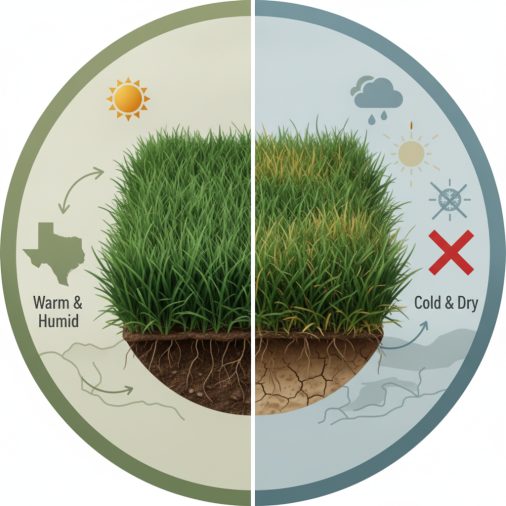
Choosing the right grass for North Texas depends largely on climate. The region has unique weather patterns that affect grass growth. Zoysia grass is often considered because it handles heat well. Understanding its climate compatibility helps decide if it fits North Texas lawns.
This section explains how Zoysia performs in North Texas weather. It covers the heat and drought tolerance of this grass type.
North Texas Weather Patterns
North Texas experiences hot summers and mild winters. Summer temperatures often rise above 95°F. Rainfall is irregular, with dry spells common in summer. Winters stay cool but rarely freeze hard. This mix challenges many grass types.
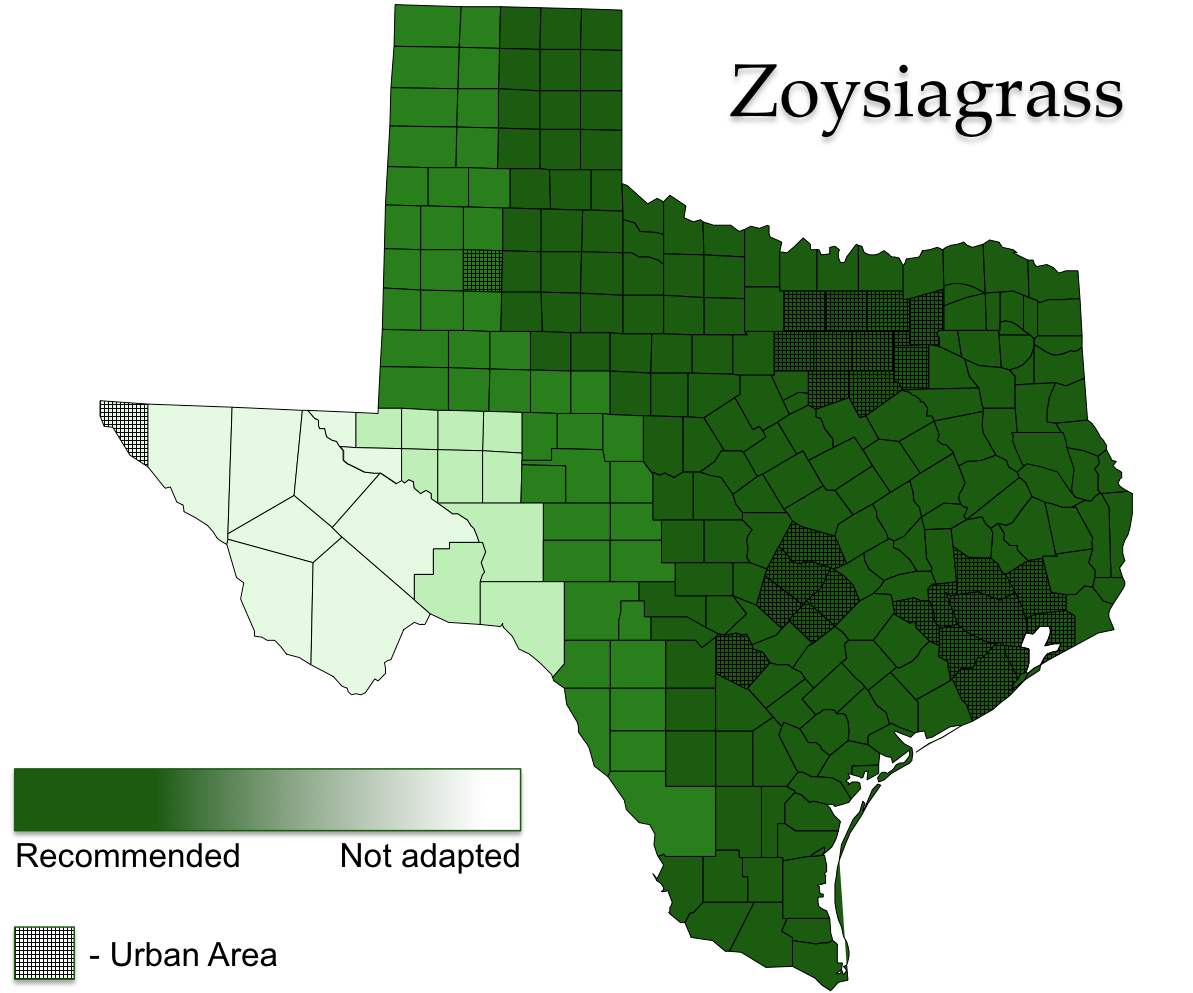
Zoysia grass grows best in warm climates. It thrives in full sun and can survive brief cold snaps. Its growth slows during winter but recovers quickly in spring. This makes Zoysia suitable for North Texas’s seasonal changes.
Zoysia’s Heat And Drought Tolerance
Zoysia grass is known for strong heat tolerance. It stays green even during hot summer months. Its dense growth helps reduce soil moisture loss. This trait supports drought resistance in dry periods.
Zoysia needs less water than many other grasses. It can survive extended dry spells with minimal damage. This quality fits North Texas’s often dry summers well. Lawn owners save water and still keep a healthy yard.
Soil And Sunlight Needs
Zoysia grass thrives best with the right soil and sunlight. These two factors are key for healthy growth in North Texas. Understanding what Zoysia needs helps create a lush, green lawn. The soil must support strong roots. Sunlight fuels its energy and growth.
Ideal Soil Conditions
Zoysia grows well in well-drained soil. It prefers sandy or loamy soil types. The soil should not hold too much water. Heavy clay soils can cause problems for roots. The soil pH should be between 6.0 and 7.0. This range helps Zoysia absorb nutrients well. Regular soil testing can help maintain the right pH. Adding organic matter improves soil texture and health.
Sunlight Requirements
Zoysia needs full sun to grow thick and strong. It performs best with at least six hours of sunlight daily. Too much shade weakens the grass and thins the lawn. Some varieties tolerate light shade but prefer sun. In North Texas, direct sunlight is common and good for Zoysia. Adequate sunlight boosts photosynthesis and root development. Planting Zoysia in sunny spots ensures a vibrant lawn year-round.
Credit: aggieturf.tamu.edu
Planting And Establishment
Planting and establishing Zoysia grass in North Texas requires careful planning. This grass type has specific needs to grow strong and healthy. Proper planting helps it develop deep roots and resist drought. Knowing the best way to start and the right time is key to success.
Seeding Vs. Sodding
Seeding Zoysia grass is less common but costs less. It takes longer to grow and fill in the lawn. Seeds need warm soil and steady moisture to sprout well. Patience is important because it can take months to see full coverage.
Sodding offers faster results. You get an instant green lawn with established grass. Sod pieces root into the soil quickly if watered correctly. This method costs more but saves time and effort in the long run.
Best Planting Seasons
Late spring to early summer is the best time to plant Zoysia in North Texas. Soil temperatures are warm, which helps seeds or sod root faster. Planting too early risks frost damage. Planting too late means the grass may not establish before winter.
Water the new grass regularly during the first few weeks. This helps roots grow deep and strong. Avoid heavy foot traffic until the grass is well established.
Maintenance Tips
Maintaining Zoysia grass in North Texas requires some care. Proper maintenance keeps the lawn healthy and green. Understanding watering, mowing, and fertilization helps the grass thrive.
Watering Practices
Zoysia grass needs moderate watering. Water deeply but less often to encourage deep roots. Aim for about one inch of water per week. Early morning watering reduces evaporation. Avoid overwatering to prevent disease and root rot.
Mowing Guidelines
Keep the mower blade sharp for clean cuts. Mow Zoysia grass at 1 to 2 inches tall. Do not cut more than one-third of the grass height at once. Regular mowing promotes dense growth and keeps weeds out.
Fertilization Schedule
Fertilize Zoysia grass three to four times a year. Use a balanced fertilizer with nitrogen, phosphorus, and potassium. Apply fertilizer in spring, early summer, late summer, and fall. Follow package instructions to avoid overfeeding the lawn.
Common Challenges
Zoysia grass grows well in North Texas but faces some common challenges. Knowing these issues helps homeowners keep their lawns healthy. Proper care can reduce many problems.
Pests And Diseases
Zoysia grass can attract pests like chinch bugs and sod webworms. These bugs chew on grass blades and cause brown patches. Watch for signs like thinning grass or small holes.
Diseases such as brown patch and dollar spot can also affect Zoysia. These fungal infections create spots and discoloration. Good watering habits and air circulation help prevent diseases.
Weed Control
Weeds compete with Zoysia for nutrients and water. Common weeds include crabgrass and dandelions. Early removal is important to stop their spread.
Using pre-emergent herbicides in early spring can block weed seeds. Regular mowing and proper fertilizing keep Zoysia thick and reduce weed growth.
Benefits Of Zoysia Grass
Zoysia grass is a popular choice for lawns in North Texas. It offers many benefits that suit the local climate well. This grass type grows thick and stays green for a long time.
It handles heat and drought better than many other grasses. Zoysia grass creates a soft, lush carpet that feels great underfoot. Its qualities make it a smart option for homes and parks.
Durability And Wear Resistance
Zoysia grass is tough and can handle heavy use. It recovers quickly from foot traffic and play. This makes it ideal for yards with kids or pets. It does not get damaged easily, even in hot weather.
The grass has a strong root system. This helps it stay in place during dry spells. It resists pests and diseases better than many other grasses too.
Aesthetic Appeal
Zoysia grass has a fine texture and rich green color. It forms a dense, uniform lawn that looks neat and healthy. The grass grows slowly, so it needs less mowing. It stays green longer in spring and fall.
This grass creates a smooth surface. It improves the overall look of any yard or garden. It blends well with other plants and landscaping features.
Environmental Advantages
Zoysia grass uses water efficiently, which saves resources. It requires less fertilizer than many other grasses. This reduces chemical runoff and pollution. The thick grass helps control soil erosion on slopes.
It also improves air quality by trapping dust and pollutants. Zoysia grass supports local wildlife by providing habitat for insects and small animals. It is a natural choice for eco-friendly gardening.
Comparing Zoysia To Other Grasses
Zoysia grass is a popular choice for North Texas lawns. Comparing it to other common grasses helps decide what fits best. Each grass type has unique traits for this region’s climate and soil. Understanding these differences guides smart lawn care choices.
St. Augustine
St. Augustine thrives in warm, humid areas. It grows well in shade but needs more water. It has a coarse texture and spreads quickly. This grass does not handle heavy foot traffic well. It also struggles in cold winters common in North Texas.
Bermuda
Bermuda grass is tough and fast-growing. It handles heat and drought very well. It tolerates heavy use, making it good for busy yards. Bermuda needs full sun and struggles in shade. It can go dormant and turn brown in winter.
Fescue
Fescue prefers cooler climates with more shade. It stays green longer in cold weather. It requires more water than Zoysia or Bermuda. This grass does not handle heat and drought well. It is less common in North Texas yards.
Cost Considerations
Cost plays a big role in choosing Zoysia grass for North Texas yards. Understanding both the initial and ongoing expenses helps homeowners plan better. Zoysia grass may seem pricey at first but offers value over time.
Installation Expenses
Zoysia grass installation costs more than some other grass types. This is due to its slower growth and the need for quality sod or plugs. Preparing the soil well also adds to the cost. Expect to pay extra for professional installation to ensure healthy growth. The upfront price can be higher but sets a strong foundation for your lawn.
Long-term Maintenance Costs
Zoysia grass requires less water than many grasses, saving money on irrigation. It also grows slowly, so mowing happens less often, cutting down on equipment wear. Fertilizer and weed control costs are moderate because Zoysia resists weeds well. Over time, the maintenance savings can balance out the higher installation price. This makes Zoysia a cost-effective choice for North Texas lawns.

Credit: sodscapestexas.com
Frequently Asked Questions
Is Zoysia Grass Suitable For North Texas Climate?
Yes, Zoysia grass thrives in North Texas due to its heat and drought tolerance. It handles the region’s hot summers well and recovers quickly from stress, making it a great choice for lawns in this area.
How Does Zoysia Grass Handle Drought In North Texas?
Zoysia grass is drought-resistant and requires less water than many other grasses. It goes dormant during dry spells but recovers rapidly after rain, making it ideal for North Texas’s occasional dry conditions.
What Maintenance Does Zoysia Grass Need In North Texas?
Zoysia grass requires moderate maintenance, including mowing every 7-10 days during growth. It benefits from occasional fertilization and aeration but needs less frequent watering, aligning well with North Texas lawn care routines.
Can Zoysia Grass Withstand North Texas Winters?
Zoysia grass goes dormant in North Texas winters but usually survives without damage. It tolerates occasional cold snaps but may brown temporarily, returning to green as temperatures warm in spring.
Conclusion
Zoysia grass suits North Texas well due to its heat tolerance. It grows slowly but stays green longer than many grasses. This type of grass needs less water, saving you time and money. It also handles foot traffic, making it good for yards.
Maintenance is easier compared to other grasses. Overall, Zoysia grass fits the climate and lifestyle of North Texas homeowners. It offers a durable, attractive lawn with fewer problems. A smart choice for those wanting a healthy, green yard.
