

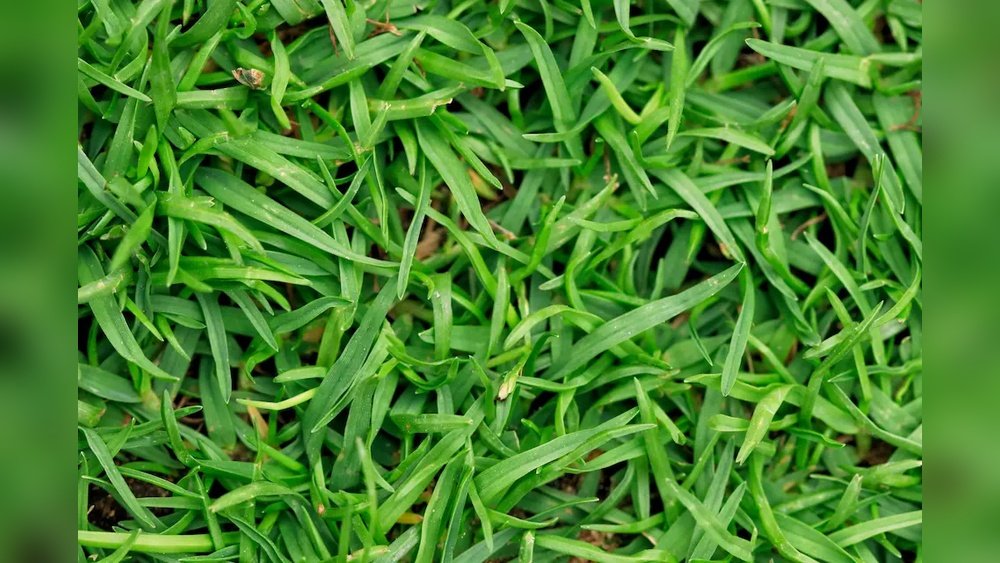
Bermuda grass in North Carolina typically goes dormant in late October when temperatures drop below 60°F. It stays dormant through winter, turning brown and inactive until warmer weather returns in early spring. Understanding this cycle helps you adjust lawn care to keep your grass healthy year-round.
Are you wondering when your Bermuda grass will go dormant in North Carolina? Knowing this can help you take better care of your lawn and keep it healthy all year round.
If you want to avoid common mistakes that harm your grass or miss the best time to prepare for winter, this article is for you. Keep reading to discover exactly when Bermuda grass changes, what signs to watch for, and how to keep your lawn looking its best through every season.
Your grass will thank you!

Credit: tidewatergolf.com
Bermuda Grass Growth Cycle
Bermuda grass has a clear growth cycle that changes with the seasons in North Carolina. Understanding this cycle helps you care for your lawn better. This grass grows actively in warm months and slows down when temperatures drop.
The growth cycle of Bermuda grass depends on temperature and sunlight. It thrives in summer and enters dormancy during cold months. This cycle affects how your lawn looks and how you should maintain it.
Bermuda Grass Active Growth Phase
During spring and summer, Bermuda grass grows quickly. It needs plenty of sunlight and warmth. This phase lasts from late April to early October in North Carolina. The grass spreads fast, filling bare spots and creating a thick lawn.
Transition To Dormancy
As temperatures fall below 60°F, Bermuda grass starts to slow down. The change usually begins in late October. Growth reduces, and the grass stops spreading. It prepares for dormancy by storing energy in its roots.
Dormant Winter Phase
Bermuda grass goes fully dormant in winter. It turns brown and looks inactive. This phase lasts from November to early March. The grass survives cold weather by resting underground. It will green up again when warmth returns.

Credit: thebermudabible.com
Dormancy Triggers In North Carolina
Bermuda grass is a popular choice for lawns in North Carolina. It stays green and grows well in warm weather. But it changes as the seasons shift. Understanding what causes Bermuda grass to go dormant helps keep your lawn healthy.
In North Carolina, dormancy is triggered by natural changes in temperature and daylight. These signals tell the grass to slow growth and conserve energy. The grass turns brown and stops growing until conditions improve.
Temperature Drops
Cold weather is the main trigger for dormancy in Bermuda grass. When temperatures fall below 50°F, the grass begins to slow down. Prolonged cold spells below 40°F push the grass into full dormancy. This helps protect the grass from frost damage during winter.
Shorter Daylight Hours
Bermuda grass also responds to shorter days. As daylight decreases in the fall, the grass senses less sunlight. This signals the grass to stop active growth. The grass then prepares for the colder months ahead.
Soil Temperature Changes
Soil temperature plays a role in dormancy too. When the soil cools below 55°F, root activity decreases. This slows nutrient uptake and growth above ground. The grass enters dormancy to survive the cold soil conditions.
Seasonal Weather Impact
Bermuda grass in North Carolina changes with the seasons. The weather plays a big role in its growth cycle. As seasons shift, the grass prepares for dormancy. Understanding these changes helps in lawn care and maintenance.
Seasonal weather impacts when Bermuda grass stops growing and becomes dormant. Cold and light levels are key factors. Both affect the grass’s ability to stay green and active.
Temperature Effects
Temperature is the main trigger for Bermuda grass dormancy. When fall arrives, cooler temperatures slow growth. Nighttime temperatures below 50°F signal the grass to rest. Prolonged cold stops the grass from growing entirely. Frost or freezing temperatures cause the grass to turn brown. This dormancy protects the grass through winter’s harsh conditions.
Daylight Changes
Daylight hours shrink as fall progresses in North Carolina. Bermuda grass senses these shorter days. Less sunlight means less energy for growth. The grass uses this cue to slow down and prepare for dormancy. By early winter, the grass stops growing due to low light. This natural response helps the grass survive winter stress.
Signs Of Dormancy
Bermuda grass in North Carolina goes dormant as temperatures drop. Recognizing the signs helps homeowners care for their lawn properly. Dormancy means the grass stops growing and changes its appearance. This natural process protects the grass during cold months. Knowing these signs ensures timely lawn maintenance and prevents damage.
Color Change
The most obvious sign is a color change. Bermuda grass turns from green to brown or tan. The green pigment fades as growth slows. This change shows the grass is conserving energy. The lawn looks dry but is still alive under the surface.
Slower Growth
Growth slows down significantly during dormancy. The grass stops spreading and growing taller. Mowing frequency should decrease to avoid stress. Slow growth helps the grass save nutrients. It prepares the roots for winter survival.
Leaf Texture
The leaf blades become dry and brittle. They lose their soft, lush feel from warmer months. The texture change signals the grass is resting. It becomes less flexible and more fragile. This is normal and does not mean the grass is dead.
Root Activity
Roots grow less during dormancy. They focus on storing energy instead of expanding. The root system remains healthy beneath the soil. This helps the grass recover quickly in spring. Root activity is hidden but crucial for lawn health.
Dormancy Duration
Bermuda grass in North Carolina goes dormant in late fall when temperatures drop. This dormancy lasts through winter until warmer weather returns. Grass turns brown and stops growing during this time.
Bermuda grass in North Carolina turns brown and stops growing during winter. This resting period is called dormancy. It helps the grass survive cold weather and frost. The length of this dormancy depends on temperature and weather changes.
Usually, Bermuda grass goes dormant in late fall, around November. It stays in this state until spring, near March or April. During dormancy, the grass looks dry and lifeless but is still alive under the soil.
The coldest months, December through February, keep Bermuda grass dormant the longest. Mild winters may shorten this period. Warm spells in winter can cause the grass to green up briefly before going dormant again.
Understanding dormancy duration helps with lawn care. Watering and mowing should be adjusted to avoid stressing the grass. Waiting for the grass to fully green up before fertilizing is best.
Care Tips During Dormancy
Bermuda grass in North Carolina goes dormant during cold months. This means it stops growing and turns brown. Dormancy helps the grass survive winter. Proper care during this time keeps your lawn healthy for spring. Follow these tips to protect Bermuda grass when it rests.
Watering Recommendations
Water Bermuda grass less during dormancy. The grass needs less moisture in cold weather. Water only if the soil feels dry. Avoid overwatering to prevent root problems. Early morning watering is best when needed.
Mowing Practices
Stop mowing once the grass stops growing. Mow a last time before dormancy begins. Set mower blades higher to avoid cutting grass too short. Tall grass protects roots and soil during winter.
Fertilization Advice
Do not fertilize Bermuda grass while dormant. Fertilizer can harm grass during cold months. Wait until grass starts growing in spring to fertilize. Use a balanced fertilizer for best results.
Reviving Bermuda Grass Post-dormancy
After Bermuda grass in North Carolina wakes from dormancy, it needs care to grow healthy and green again. The grass looks brown and dry during winter. But with the right steps, it will return to its lush state quickly. Starting early helps the grass recover faster and reduces bare spots.
Proper care means watering, fertilizing, and mowing the grass at the right times. These actions support strong root growth and thick blades. The goal is to bring the lawn back to life without stressing it. Small efforts lead to a big difference in the grass’s health.
Watering Bermuda Grass After Dormancy
Water the grass deeply but not too often. This encourages deep root growth. Early spring is best to start watering. Avoid soaking the soil daily, which can cause weak roots. A good rule: water when the top inch of soil feels dry.
Fertilizing For Healthy Growth
Use a fertilizer with nitrogen to boost green growth. Apply it after the grass starts to green up. Too early or too late reduces the fertilizer’s effect. Follow the instructions on the fertilizer package for the right amount. Over-fertilizing can harm the grass and the environment.
Mowing Tips For Post-dormant Bermuda Grass
Start mowing when the grass reaches about 2 inches tall. Set the mower blade high to avoid cutting too much. Gradually lower the blade over time as the grass grows stronger. Keep mower blades sharp to prevent tearing the grass. Mowing helps the grass spread and become thicker.

Credit: lawnlove.com
Frequently Asked Questions
When Does Bermuda Grass Typically Go Dormant In North Carolina?
Bermuda grass in North Carolina usually goes dormant in late October to early November. Cooler temperatures and shorter daylight hours trigger dormancy, causing the grass to turn brown and stop growing until spring.
How Long Does Bermuda Grass Dormancy Last In North Carolina?
Dormancy for Bermuda grass in North Carolina typically lasts from late fall through early spring. It remains inactive for about 4 to 5 months, usually from November until March or April, depending on the weather.
Can Bermuda Grass Survive North Carolina Winters While Dormant?
Yes, Bermuda grass can survive North Carolina winters while dormant. Its roots remain alive underground, allowing it to revive once warmer temperatures return in spring.
Should You Water Bermuda Grass During Dormancy In North Carolina?
Watering Bermuda grass during dormancy is minimal but sometimes necessary. Provide light watering during extended dry periods to keep the roots healthy without encouraging growth.
Conclusion
Bermuda grass in North Carolina turns dormant as temperatures drop. This usually happens in late fall, around November. The grass stops growing and changes color to brown or tan. Dormancy helps the grass survive cold winter months. Knowing this helps you care for your lawn properly.
Water less and avoid heavy mowing during dormancy. Come spring, the grass will green up again. Watching your lawn through seasons keeps it healthy and neat. Simple steps make a big difference in lawn care. Keep an eye on weather to know when dormancy starts.
