
Are you wondering why your Zoysia grass suddenly looks brown and lifeless? Knowing when Zoysia grass goes dormant can help you care for your lawn better and avoid unnecessary worry.
Understanding this natural cycle lets you prepare your yard for seasonal changes and keep your grass healthy year-round. You’ll discover exactly when Zoysia grass takes a break and what that means for your lawn care routine. Keep reading to learn how to keep your lawn thriving, no matter the season.
Credit: www.zoysiaplug.com
Zoysia Grass Growth Cycle
Zoysia grass has a unique growth cycle that affects its look and health throughout the year. Knowing this cycle helps in proper care and maintenance. The grass changes from active growth to dormancy based on seasons and temperature. Understanding these stages helps keep your lawn green and healthy.
Active Growing Season
Zoysia grass grows fast during warm months. This period usually starts in late spring and lasts until early fall. The grass turns green and thick. Mowing and watering are important during this time. Fertilizing helps the grass grow strong and healthy.
Dormancy Period
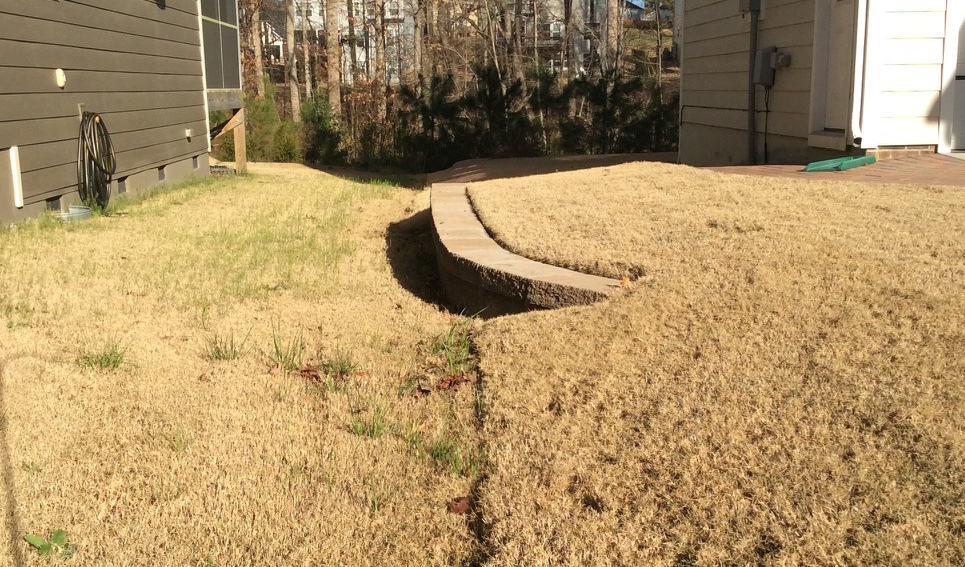
During cold months, Zoysia grass goes dormant. It stops growing and turns brown. This dormancy usually begins in late fall and ends in early spring. The grass is still alive but rests to survive cold weather. Avoid heavy watering and mowing during dormancy.
Factors Influencing Growth
Temperature is the main factor affecting Zoysia grass growth. Warm weather encourages growth. Cold weather causes dormancy. Sunlight also helps the grass stay healthy. Soil type and moisture levels impact growth too. Proper care ensures the grass grows well year-round.
Signs Of Dormancy
Zoysia grass shows clear signs when it goes dormant. Recognizing these signs helps you care for your lawn properly. Dormancy means the grass slows growth and conserves energy. Watch for changes in color, texture, and the soil to know when Zoysia is resting.
Color Changes
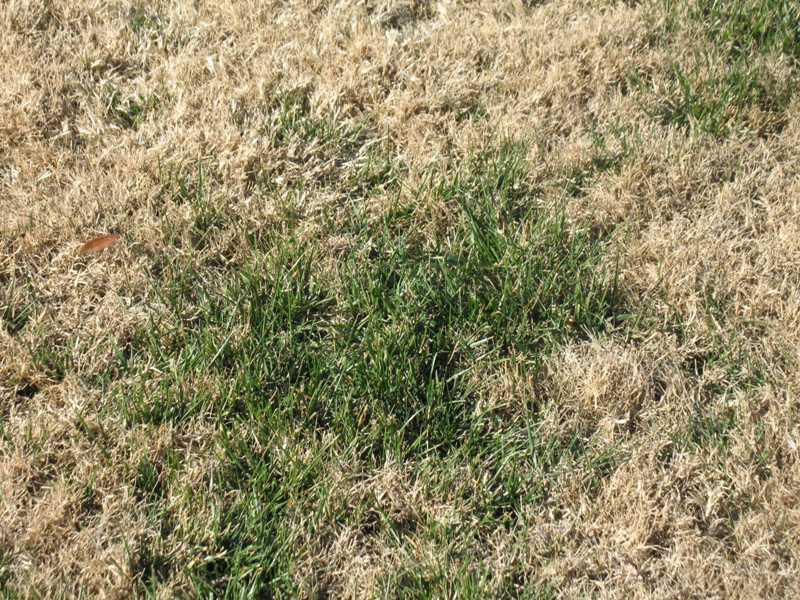
Zoysia grass turns brown or tan during dormancy. The green color fades as the grass stops growing. This change signals the grass is conserving resources for colder months. The brown shade may cover the entire lawn or appear in patches.
Texture And Density
The grass feels dry and brittle when dormant. It loses its soft, lush texture. The lawn looks thinner as the grass blades shrink. Dormant Zoysia is less dense than in growing seasons. You may see gaps between grass blades.
Soil And Temperature Effects
Cool soil temperatures trigger dormancy in Zoysia grass. When the ground is cold, grass growth slows down. Dry soil can worsen dormancy signs by making grass dry. Moist soil helps grass stay healthier, even when dormant. Temperature changes directly affect the grass’s rest period.
Climate Impact On Dormancy
Zoysia grass goes dormant based on climate conditions. Temperature and weather changes play a big role in this process. Understanding these factors helps you know when your grass will rest and when it will grow again.
Cold Weather Influence
Cold weather causes Zoysia grass to stop growing. When temperatures drop below 50°F, the grass enters dormancy. This helps the grass protect itself from frost damage. The colder it gets, the longer the grass stays dormant.
Regional Differences
Zoysia grass dormancy varies by region. In northern areas, dormancy lasts longer due to harsh winters. Southern regions have shorter dormancy periods because winters are mild. Local climate shapes how the grass behaves throughout the year.
Seasonal Variations
Seasons affect Zoysia grass growth cycles. The grass grows actively in spring and summer. Fall brings slower growth as temperatures cool. Winter is the main dormant season when the grass turns brown and stops growing.
Care Tips During Dormancy
Zoysia grass goes dormant mainly in colder months. During this time, it turns brown and stops growing. Proper care during dormancy helps the grass recover quickly in spring. Follow these simple tips to keep your lawn healthy.
Watering Guidelines
Reduce watering as Zoysia grass needs less moisture in dormancy. Water only if the soil feels dry. Avoid overwatering to prevent root rot. Early morning watering is best to reduce evaporation. Keep the soil slightly moist but not wet.
Mowing Practices
Raise the mower blade height to avoid stressing the grass. Mow less often since growth slows down. Do not cut below 2 inches to protect roots. Remove leaves and debris to prevent mold. Use a sharp blade for clean cuts.
Fertilizing Approaches
Stop fertilizing during dormancy. Fertilizer can harm dormant grass and waste nutrients. Apply fertilizer just before dormancy starts or after it ends. Use a slow-release fertilizer in early spring. This supports strong growth when the grass wakes up.
Reviving Zoysia Grass Post-dormancy
Zoysia grass needs care after dormancy to regain its lush green look. The grass rests during cold months, slowing growth and turning brown. As temperatures rise, Zoysia grass begins to wake up and needs help to grow strong again.
Proper steps after dormancy help the lawn recover quickly and stay healthy. This stage is important for thick, green grass throughout the warmer months. Follow these key tips to bring your Zoysia lawn back to life.
Preparing The Lawn
Start by removing dead grass and debris. Use a rake to clear the surface gently. This allows sunlight and air to reach the soil easily. Aerate the lawn to improve soil drainage and root growth. Water the grass lightly to wake the roots without flooding the soil.
Best Time To Overseed
Overseeding helps fill thin spots and thickens the lawn. The best time is late spring or early summer. Soil temperature should be warm enough for seed germination. Spread seeds evenly and cover lightly with soil. Keep the area moist until new grass appears.
Pest And Weed Management
Watch for pests that attack weak grass after dormancy. Use natural or chemical treatments carefully to avoid damage. Pull out weeds by hand or use a safe herbicide. Healthy grass resists pests and weeds better. Regular checks help catch problems early and protect your lawn.

Credit: www.reddit.com
Credit: www.missouribotanicalgarden.org
Frequently Asked Questions
When Does Zoysia Grass Go Dormant?
Zoysia grass typically goes dormant in late fall when temperatures drop below 50°F (10°C). It stays brown and inactive through winter until warmer spring weather returns. Dormancy helps the grass survive cold conditions by slowing growth significantly.
How Long Does Zoysia Grass Dormancy Last?
Zoysia grass dormancy usually lasts from late fall until early spring. This period can range from 3 to 5 months depending on your local climate and winter severity. The grass revives once temperatures consistently rise above 50°F (10°C).
Can Zoysia Grass Survive Dormancy Without Damage?
Yes, Zoysia grass is well-adapted to dormancy and typically survives without damage. The grass conserves energy and moisture, protecting its roots during cold months. Proper lawn care before dormancy improves its chances of healthy recovery in spring.
What Causes Zoysia Grass To Break Dormancy?
Zoysia grass breaks dormancy when soil temperatures rise above 50°F (10°C). Increased sunlight and warmer air trigger new growth. Consistent spring warmth signals the grass to turn green and resume active growth.
Conclusion
Zoysia grass rests during cold months to protect itself. Dormancy helps it survive winter stress and low temperatures. You can expect dormancy when temperatures drop below 50°F. The grass turns brown but wakes up in spring. Proper care before dormancy keeps your lawn healthy.
Water and mow regularly until grass slows growth. Understanding dormancy helps you plan lawn care better. Watch the weather and adjust your routine. Healthy Zoysia returns green and strong after winter ends.