
Are you struggling to find the perfect grass that can handle your hot, dry climate without turning brown and patchy? You’re not alone.
Choosing the right lawn grass is key to keeping your yard green, healthy, and low-maintenance. Zoysia grass often comes up as a strong option, but is it really the best choice for your scorching, dry environment? Keep reading to discover how Zoysia grass performs under heat and drought, and whether it could be the solution your lawn needs to thrive all year round.
Zoysia Grass Basics
Zoysia grass is a popular lawn choice in warm areas. It handles heat well and needs less water than many other grasses. Understanding its basics helps decide if it fits your hot, dry climate. Here are key facts about Zoysia grass.
Origins And Characteristics
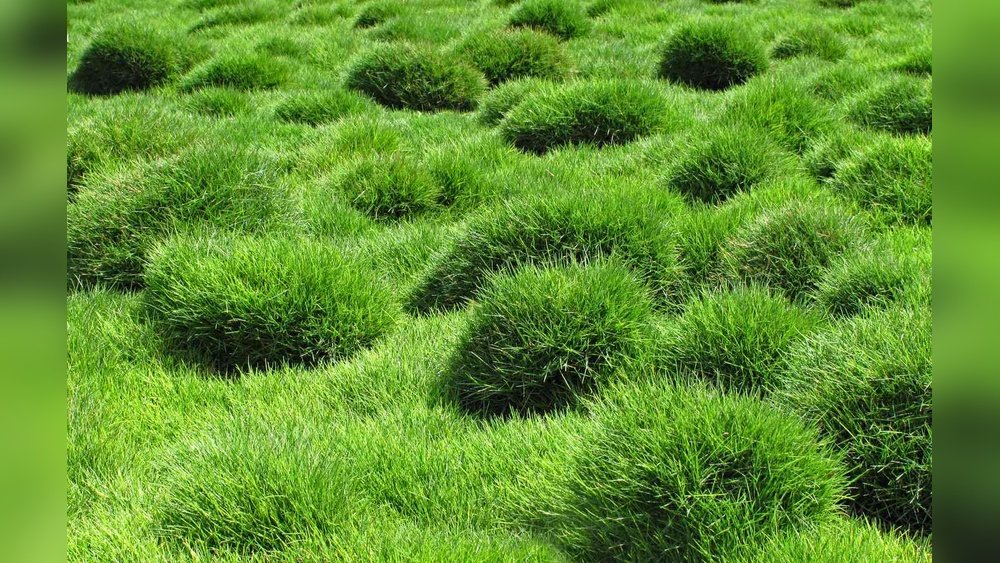
Zoysia grass comes from Asia and the Pacific Islands. It grows thick and forms a dense carpet. The blades are fine and soft to touch. It stays green longer in warm seasons. This grass resists drought better than many types.
Growth Patterns
Zoysia spreads slowly by underground stems called rhizomes. It also spreads above ground with stolons. This slow growth means less mowing is needed. It fills in bare spots over time. The dense growth helps block weeds from growing.
Credit: diyhomecomfort.com
Heat Tolerance
Zoysia grass is known for its ability to handle hot, dry weather well. It grows thick and stays green even under strong sun. This makes it a smart choice for areas with high temperatures. Understanding its heat tolerance helps decide if it fits your lawn needs.
Survival In High Temperatures
Zoysia grass stays healthy in heat above 90°F. It slows growth but does not die. Its deep roots reach water far below the surface. This helps the grass survive dry spells without much water. The thick leaves reduce water loss through evaporation. Zoysia can handle heat stress better than many other lawn grasses.
Comparison With Other Grasses
Zoysia handles heat better than cool-season grasses like fescue or bluegrass. These grasses wilt quickly in strong sun. Bermuda grass also tolerates heat but needs more water than Zoysia. St. Augustine grass grows well in heat but can suffer from drought. Zoysia offers a good balance of heat tolerance and water savings for dry climates.
Drought Resistance
Zoysia grass is well-known for its ability to survive in hot, dry climates. Its drought resistance makes it a popular choice for lawns in areas with little rainfall. This grass type can handle long dry spells without losing its green color or going dormant quickly. Understanding how Zoysia manages water helps explain why it thrives under tough conditions.
Water Requirements
Zoysia grass needs less water than many other turfgrasses. It only requires about one inch of water per week to stay healthy. This low water need helps save water bills and keeps your lawn green during dry months. The grass also uses water efficiently by growing deep roots that reach moisture far below the surface.
Adaptations To Dry Conditions
Zoysia has thick, waxy leaves that reduce water loss. This waxy coating stops water from evaporating quickly. The grass also grows slowly, which lowers its water demand. During drought, Zoysia can go dormant but recovers fast after rain. These traits let Zoysia survive long dry periods better than many grasses.
Credit: plantsod.com
Soil And Maintenance Needs
Zoysia grass adapts well to hot, dry climates but needs proper soil and care. Knowing the right soil and maintenance helps it grow strong and green. This grass type thrives with the right balance of nutrients and soil conditions. Understanding these needs can keep your lawn healthy and beautiful.
Preferred Soil Types
Zoysia grass grows best in well-drained soils. Sandy loam or clay soils work fine if they drain well. It does not like waterlogged or heavy compacted soils. The soil pH should be between 6 and 7 for best growth. Good drainage prevents root rot and helps roots breathe. Preparing the soil with organic matter improves texture and nutrients.
Fertilization And Care Tips
Zoysia grass needs moderate fertilization to stay green. Use a balanced fertilizer in spring and summer. Avoid too much nitrogen to prevent thatch buildup. Water deeply but less often to encourage deep roots. Mow regularly but keep blades higher to reduce stress. Remove weeds early to stop competition for nutrients. Aerate the soil once a year to improve air and water flow.
Pest And Disease Resistance
Zoysia grass shows strong resistance to many pests and diseases. This quality makes it a smart choice for hot, dry climates. Its thick growth helps block weeds and pests. It also recovers quickly from minor damage. Understanding its pest and disease challenges helps keep your lawn healthy.
Common Issues
Zoysia grass faces fewer problems than other types. Still, some pests like mole crickets and chinch bugs can cause damage. These insects feed on the grass roots and blades. Fungal diseases like brown patch may appear in humid conditions. Dry heat usually keeps these diseases under control.
Prevention Strategies
Healthy soil and proper watering reduce pest risks. Avoid overwatering to stop fungal growth. Mowing regularly helps keep the grass strong. Use natural predators or insecticides for pest control. Aerate the lawn to improve root health. Good care lowers chances of disease and pest damage.
Establishing Zoysia Grass
Establishing Zoysia grass takes patience and care. This grass type thrives in hot, dry climates but needs the right start. Proper planting and understanding its growth timeline help create a healthy lawn. Start with good soil preparation and choose the best planting method for your yard.
Planting Methods
Zoysia grass can be planted by seed, sod, or plugs. Seeds are cheaper but take longer to grow. Sod gives instant green but costs more. Plugs grow slowly but fill in well over time. Choose a method based on budget, time, and lawn size.
Timeframe For Growth
Zoysia grows slowly compared to other grasses. After planting, expect 2 to 3 weeks before new shoots appear. Full coverage may take 3 to 4 months. Warm weather speeds growth, while cooler times slow it down. Regular watering and mowing help the grass spread evenly.
Cost And Long-term Benefits
Choosing the right grass affects your wallet and the environment. Zoysia grass costs more at first but saves money later. Understanding these costs helps you decide if it suits your hot, dry climate.
Initial Investment
Zoysia grass needs a higher upfront cost than some other grasses. The price covers quality sod or plugs and soil preparation. Installing Zoysia takes more time, which can add to labor costs. This grass type establishes slowly but builds a dense lawn that lasts.
Maintenance Expenses
Zoysia requires less water than many grasses, cutting your water bill. It grows slowly, so mowing is less frequent, saving time and money. Fertilizer needs are moderate, reducing ongoing costs. It resists weeds well, lowering the need for herbicides. Overall, maintenance costs drop over time.
Environmental Advantages
Zoysia grass uses water efficiently, ideal for dry areas. It helps reduce soil erosion with its thick roots. This grass improves air quality by capturing dust and pollutants. Its dense growth reduces the need for chemicals. Choosing Zoysia supports a healthier yard and planet.

Credit: goatlawns.com
Expert Recommendations
Experts have studied Zoysia grass carefully for hot, dry climates. Their advice helps homeowners choose the best lawn type. Understanding expert recommendations can guide your grass selection. This knowledge ensures a healthy, green yard with less water.
Ideal Use Cases
Zoysia grass works well in areas with warm summers and mild winters. It grows thick and blocks weeds. Experts suggest using it in yards with some shade and regular watering. It tolerates heat but needs water during dry spells. Zoysia suits places where foot traffic is moderate. It is great for residential lawns and parks. Experts say it recovers slowly from heavy damage.
Alternatives For Hot Dry Climates
Experts recommend Bermuda grass as a strong alternative. It handles heat and drought better than Zoysia. Bermuda grows fast and recovers quickly from damage. Buffalo grass is another option that uses less water. It thrives in very dry, hot places with little care. Experts also suggest using native grasses. Native types adapt well to local heat and drought. Choosing the right grass depends on water availability and lawn use.
Frequently Asked Questions
Is Zoysia Grass Drought-tolerant For Hot Climates?
Yes, Zoysia grass is highly drought-tolerant. It thrives in hot, dry climates by conserving water and growing deep roots. This makes it a great choice for areas with limited rainfall.
How Does Zoysia Grass Handle Extreme Heat?
Zoysia grass withstands extreme heat well. It remains green and healthy under intense sun due to its thick blades and dense growth, which protect the soil and retain moisture.
Does Zoysia Grass Require Frequent Watering?
No, Zoysia grass needs less frequent watering than many grasses. Once established, it survives on minimal irrigation, making it ideal for hot, dry environments and water-restricted areas.
Is Zoysia Grass Low Maintenance In Dry Conditions?
Yes, Zoysia grass is low maintenance in dry climates. It requires less mowing and fertilizing, reducing upkeep while maintaining a lush lawn even under hot, dry weather.
Conclusion
Zoysia grass grows well in hot, dry places. It uses less water than many other grasses. Its thick blades help keep soil cool and moist. This grass resists heat and drought better than most. You get a green, healthy lawn with less work.
It also stands up well to foot traffic. Choosing Zoysia means saving water and effort. A smart pick for warm, dry climates. Want a strong lawn that handles the heat? Zoysia grass is worth considering.
