

Are you ready to transform your lawn into a lush, green paradise? Planting Bermuda grass seed is one of the best ways to achieve a thick, vibrant lawn that stands up to heat and heavy use.
But getting started can feel overwhelming if you’re not sure where to begin. In this guide, you’ll discover simple, step-by-step tips to plant Bermuda grass seed the right way—so your lawn grows strong and healthy from the very first day.
Keep reading, and soon you’ll have the beautiful yard you’ve always wanted.
Credit: growcycle.com
Choosing The Right Bermuda Grass Seed
Choosing the right Bermuda grass seed is key to a healthy lawn. The right seed helps your grass grow strong and last long. It fits your climate and soil well. This choice saves time, money, and effort in lawn care.
Seed Varieties
Bermuda grass has many seed types. Common types include common Bermuda, hybrid Bermuda, and improved varieties. Common Bermuda grows well in many areas. Hybrid types are stronger but cost more. Improved varieties resist pests and drought better. Choose a seed type that fits your lawn’s needs.
Climate Considerations
Bermuda grass grows best in warm places. It loves heat and sun. Some seeds do better in dry areas. Others need more water. Cold winters can harm some types. Pick a seed that suits your weather. This helps the grass survive all seasons.
Quality Indicators
High-quality seeds look clean and uniform. Check the seed label for purity and germination rates. Good seeds have over 85% purity. Germination rates show how many seeds will grow. Avoid seeds with many broken or damaged grains. Quality seeds grow faster and stronger.
Preparing The Soil
Preparing the soil is the first step to growing healthy Bermuda grass. Good soil helps seeds sprout fast and strong. It also keeps the grass green and thick. Taking time to prepare the soil well makes a big difference in your lawn’s success.
Soil Testing
Start by testing the soil. Soil tests show the pH and nutrient levels. Bermuda grass prefers soil with a pH between 5.8 and 7.0. Testing helps you know what the soil lacks. You can buy a soil test kit or send a sample to a lab. Results tell you if you need to add lime or fertilizer.
Clearing The Area
Clear the planting area before sowing seeds. Remove rocks, sticks, and old grass. This makes the soil loose and easy to work. Rake the area to break up clumps. A clean area helps seeds touch the soil. It also stops weeds from growing with your grass.
Amending The Soil
After testing and clearing, improve the soil. Add organic matter like compost or peat moss. This helps soil hold water and nutrients. Spread the amendments evenly over the soil. Mix them well with a rake or tiller. Good soil gives Bermuda grass the best start.
Planting The Seed
Planting Bermuda grass seed sets the stage for a healthy lawn. Proper planting helps the seeds grow strong roots. This step is key for a lush, green yard.
Follow clear steps to plant the seed right. Prepare the soil well. Spread the seeds evenly. Water gently. These actions help the grass grow faster.
Optimal Timing
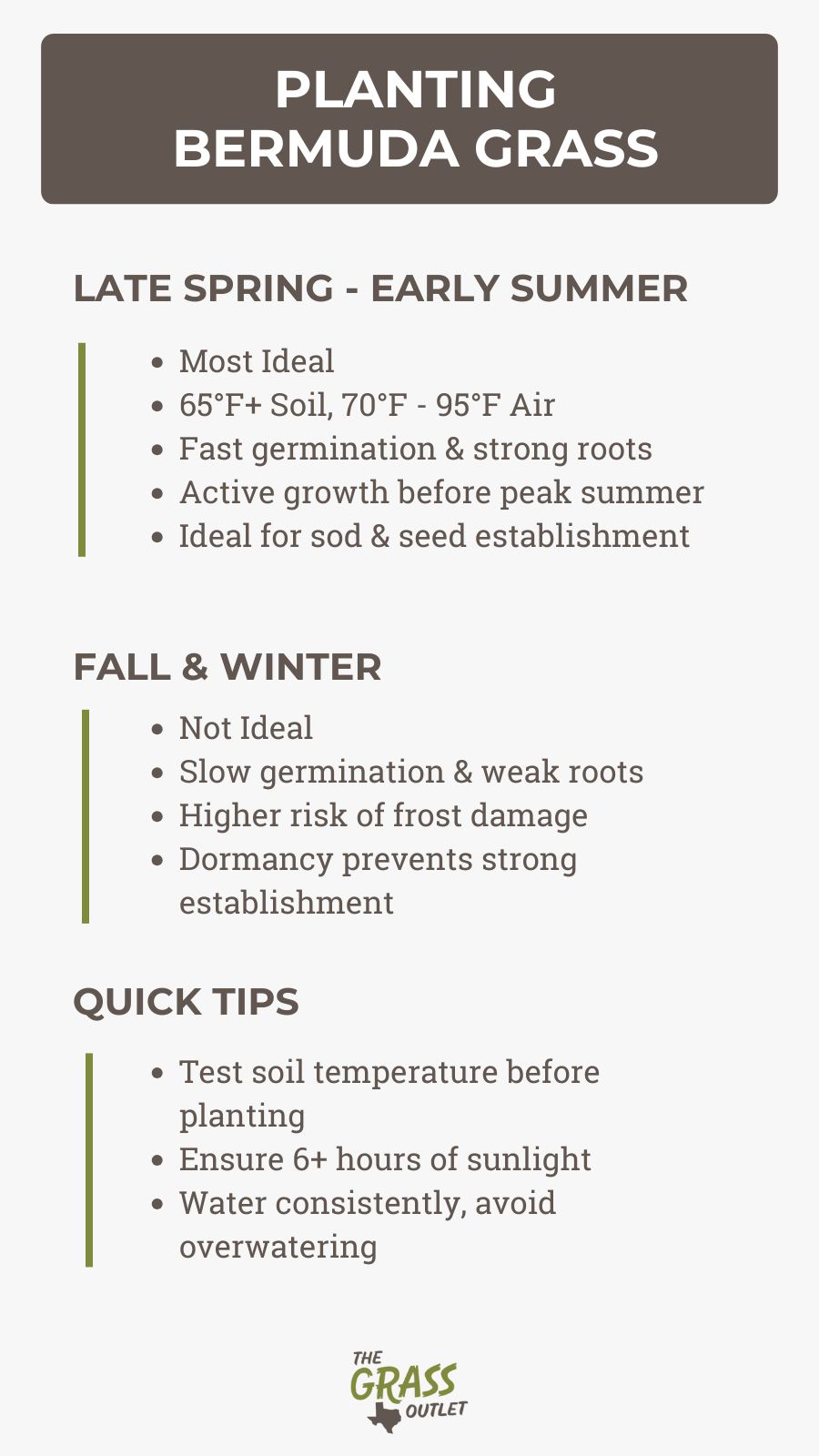
Plant Bermuda grass seed in warm weather. The best months are late spring to early summer. Soil temperatures should be above 65°F (18°C). Warm soil helps seeds sprout quickly. Avoid planting in cold or wet conditions. This slows seed growth and may cause rot.
Seeding Techniques
Use good seeding methods for even growth. Rake the soil lightly to loosen it. Spread seeds evenly with a broadcast spreader. Cover seeds with a thin layer of soil or sand. Press down gently to ensure seed contact. Avoid burying seeds too deep. Seeds need sunlight and air to grow well.
Seed Spreading Tips
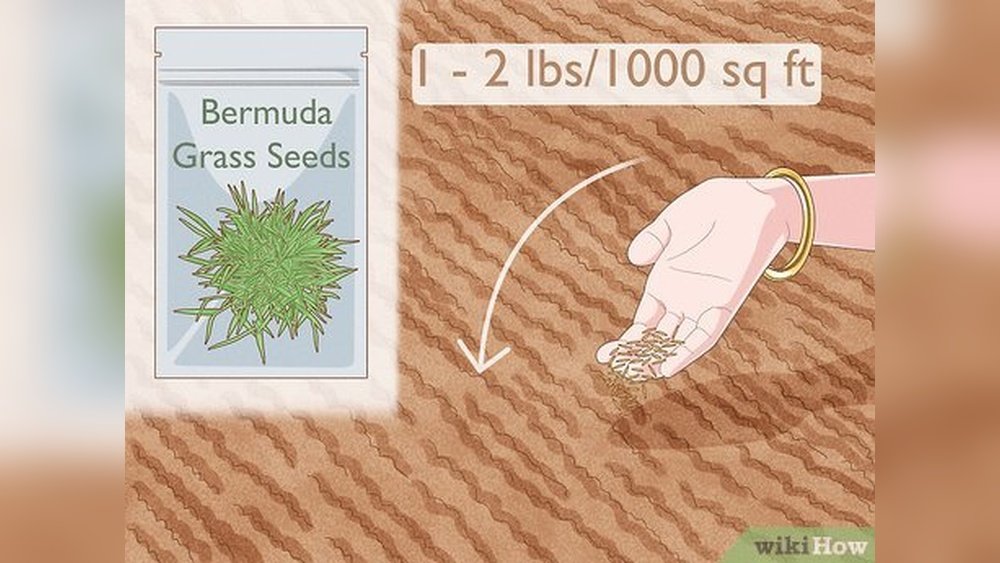
Spread seeds at the correct rate. Too many seeds cause crowding. Too few seeds leave bare spots. Divide the seed amount in half. Spread half in one direction. Spread the rest in a cross direction. This method covers the area evenly. Water the area after spreading seeds. Keep soil moist until grass sprouts.
Watering And Maintenance
Watering and maintenance play a big role in growing healthy Bermuda grass. Proper care helps seeds sprout fast and develop strong roots. Consistent watering keeps soil moist but not soaked. Regular maintenance prevents weeds and keeps grass green and thick.
Initial Watering Schedule
Right after planting, water the soil lightly. Keep the top inch of soil moist every day. Water two to three times daily for the first two weeks. Use a fine spray to avoid washing away seeds. Stop watering daily once grass sprouts and looks green.
Ongoing Irrigation
After grass grows, water deeply but less often. Water the lawn two or three times a week. Each time, soak the soil about six inches deep. This helps roots grow strong and reach water below. Water early in the morning to reduce evaporation. Avoid watering at night to prevent fungus.
Weed Control
Weeds steal nutrients and water from your Bermuda grass. Remove weeds by hand or use a safe herbicide. Start weed control after grass grows well. Keep the lawn thick to block weed growth naturally. Regular mowing also helps prevent weeds from spreading.
Fertilizing For Growth
Fertilizing plays a key role in growing healthy Bermuda grass. It helps the grass get strong roots and a rich green color. Proper fertilizing supports fast growth and helps the grass survive dry or hot weather. Knowing what type of fertilizer to use and when to apply it can make a big difference.
Fertilizer Types
Choose a fertilizer with nitrogen, phosphorus, and potassium. Nitrogen helps leaves grow green and thick. Phosphorus supports strong roots. Potassium boosts the grass’s ability to handle stress. Look for a balanced fertilizer labeled for lawns, like 10-10-10 or 20-5-10. Slow-release fertilizers feed the grass over time. They reduce the need for many applications.
Application Timing
Apply fertilizer after planting the seed. Wait until the grass sprouts and grows a few inches tall. Fertilize every 6 to 8 weeks during the growing season. Spring and early summer are the best times. Avoid fertilizing late in the fall. The grass needs time to prepare for winter without extra growth stress.
Avoiding Overfertilization
Too much fertilizer can burn Bermuda grass roots. It causes weak growth and yellow patches. Use the recommended amount on the fertilizer label. Spread fertilizer evenly across the lawn. Water the grass after fertilizing to help nutrients soak in. Stop fertilizing if the grass looks unhealthy or grows too fast.
Credit: thegrassoutlet.com
Dealing With Common Issues
Planting Bermuda grass seed is simple, but some common problems can slow growth. Knowing how to handle these issues helps your lawn stay healthy and green. This section covers pests, diseases, patchy growth, and soil problems. Follow these tips to keep your Bermuda grass strong.
Pests And Diseases
Bermuda grass faces pests like armyworms and grubs. These bugs eat grass blades and roots. Check your lawn often for signs of damage. Use natural insecticides or beneficial nematodes to control pests safely. Diseases such as dollar spot and brown patch cause dead spots. Avoid overwatering to reduce disease risks. Proper mowing height also helps prevent problems.
Patchy Growth Solutions
Patchy Bermuda grass is common during establishment. Thin spots may appear due to poor seed contact or uneven watering. Rake the soil lightly before seeding to improve seed-to-soil contact. Water newly seeded areas gently but regularly. Avoid heavy foot traffic to let grass grow evenly. Overseeding bare patches can fill gaps quickly.
Dealing With Soil Compaction
Soil compaction restricts root growth and water absorption. It causes weak, thin grass. Aerate your lawn using a spike or plug aerator. This creates holes allowing air, water, and nutrients to reach roots. Apply a thin layer of topsoil or compost after aerating. Keep heavy equipment off the lawn to prevent further compaction.
Mowing And Lawn Care
Mowing and lawn care are key for healthy Bermuda grass. Proper mowing helps grass grow thick and green. It also stops weeds and keeps pests away. Regular care makes the lawn look neat and fresh.
Best Mowing Practices
Use a sharp mower blade to cut grass cleanly. Cut only one-third of the grass height at a time. Avoid cutting too short to prevent stress on the grass. Mow more often during fast growth periods. Clear grass clippings to avoid thatch buildup.
Height Settings
Set the mower height between 1 and 2 inches for Bermuda grass. Keep grass at this height for best health and color. Raise the mower height in hot, dry weather to protect roots. Lower the height slightly in cooler seasons for neatness.
Seasonal Care Tips
In spring, mow often to encourage new growth. Summer needs frequent mowing and deep watering. Reduce mowing in fall as growth slows. In winter, stop mowing and clear debris to prepare for spring.

Credit: houstonturfgrass.com
Frequently Asked Questions
What Is The Best Time To Plant Bermuda Grass Seed?
The best time to plant Bermuda grass seed is late spring to early summer. Soil temperatures should be above 65°F for optimal germination. Warm weather promotes fast growth and healthy roots, ensuring a lush lawn.
How Deep Should Bermuda Grass Seeds Be Planted?
Bermuda grass seeds should be planted no deeper than 1/4 inch. Planting too deep reduces germination rates. Lightly cover seeds with soil or sand for best results and adequate moisture retention.
How Often Should Bermuda Grass Seeds Be Watered?
Water Bermuda grass seeds lightly twice daily to keep soil moist. Avoid overwatering, which can cause seed rot. Once seedlings emerge, reduce watering to once daily until fully established.
Can Bermuda Grass Seed Grow In Shady Areas?
Bermuda grass prefers full sun and grows poorly in shade. It needs at least 6 to 8 hours of direct sunlight daily. In shaded areas, consider alternative grass types for better growth.
Conclusion
Planting Bermuda grass seed takes patience and care. Water the soil gently but often to keep it moist. Choose a sunny spot for the best growth. Avoid heavy foot traffic on the new grass. Watch for weeds and remove them quickly.
With proper care, your lawn will grow thick and green. Enjoy the fresh, soft grass under your feet soon. Keep following these simple steps for a healthy yard. Success comes from steady effort and attention. Your beautiful Bermuda lawn is within reach.
