
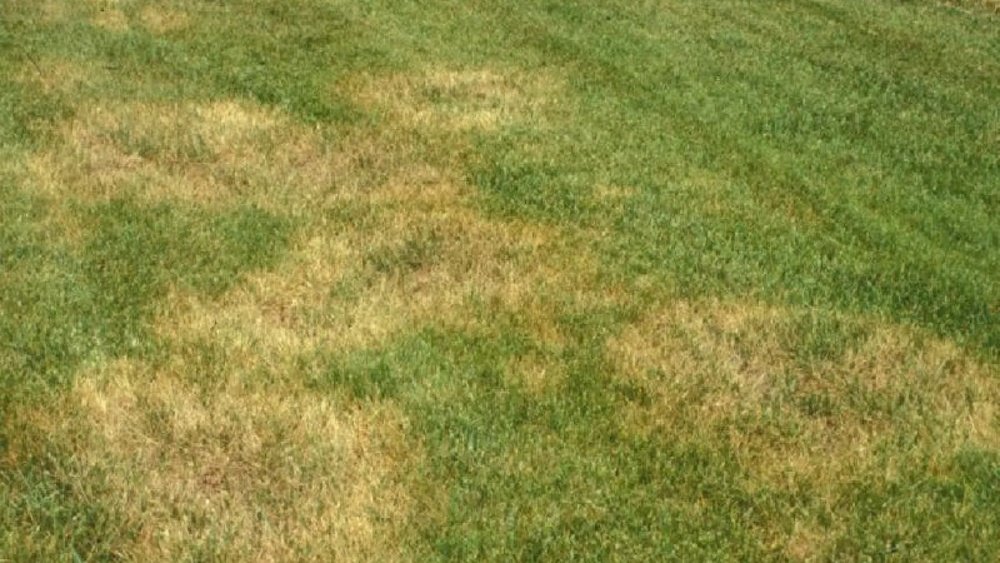
Is your beautiful Zoysia grass turning yellow, and you don’t know why? You’ve worked hard to keep your lawn green and healthy, but now those unsightly yellow patches are stealing the show.
It’s frustrating, right? You want your yard to be the envy of the neighborhood, not a patchy mess. The good news is, you’re not alone—and there are simple reasons behind this problem. Keep reading to discover what’s causing your Zoysia grass to yellow and how you can bring back that rich, green color you love.
Your perfect lawn is closer than you think.
Causes Of Yellow Zoysia Grass
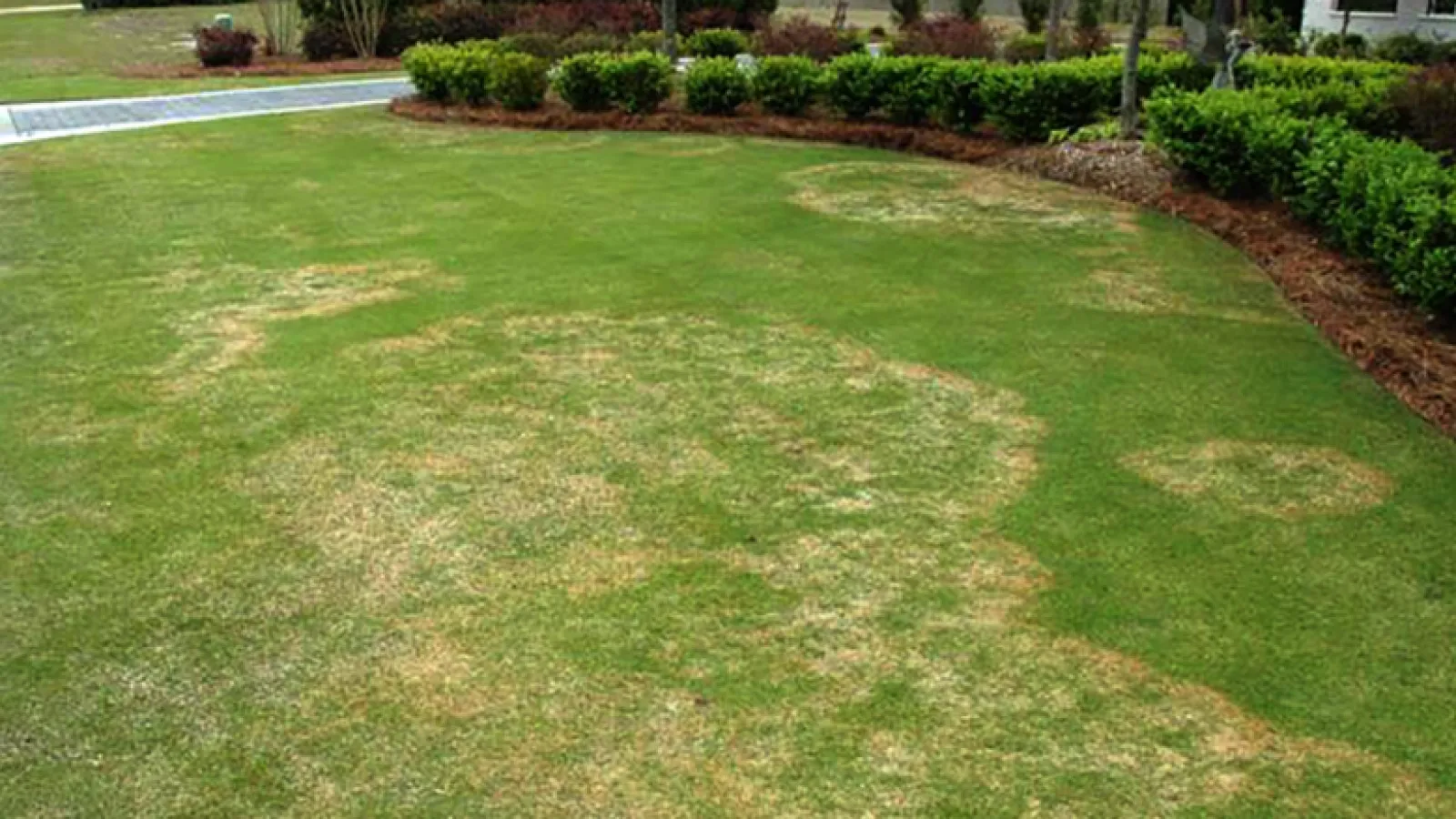
Zoysia grass can turn yellow for several reasons. Understanding these causes helps bring your lawn back to life. Yellowing shows stress or problems in the grass. Identifying the exact cause allows for the right care and treatment.
Nutrient Deficiencies
Yellow Zoysia grass often lacks essential nutrients. Nitrogen is a key nutrient for green, healthy blades. Without enough nitrogen, grass fades to yellow. Other nutrients like iron and magnesium also affect color. Soil testing helps find which nutrients are missing.
Watering Issues
Both too little and too much water can cause yellow grass. Underwatering leads to dry roots and yellow blades. Overwatering drowns roots and invites disease. Proper watering keeps roots healthy and grass green. Check soil moisture regularly to adjust watering.
Soil Compaction
Hard, compacted soil blocks air and water from roots. Roots struggle to grow and absorb nutrients. This stress turns Zoysia grass yellow. Aerating the lawn loosens soil and improves root health. Regular aeration prevents compaction problems.
Pest And Disease Damage
Insects and diseases attack Zoysia grass, causing yellow patches. Grubs, chinch bugs, and fungal infections are common culprits. They damage roots and blades, leading to discoloration. Early detection and treatment stop further damage. Use safe pest control methods.
Environmental Stress
Extreme heat, cold, or shade can stress Zoysia grass. Stress weakens grass and causes yellowing. Zoysia prefers full sun and moderate temperatures. Protect grass from harsh conditions for best color. Adjust lawn care based on the season and environment.
Quick Soil Testing Methods
Quick soil testing helps identify why Zoysia grass turns yellow. Testing soil reveals nutrient shortages or pH imbalances. You can try simple methods at home or seek expert help. Both options give fast results and guide proper lawn care.
Diy Soil Test Kits
DIY soil test kits are easy to use and affordable. They often check pH levels, nitrogen, phosphorus, and potassium. Just collect soil from your lawn, follow the instructions, and wait for results. These kits help spot common issues causing yellow grass. They offer quick answers without needing special tools.
Professional Soil Analysis
Professional soil analysis provides detailed and accurate results. Experts test soil samples in a lab for nutrients and contaminants. They give a full report with clear recommendations. This method takes a few days but is very reliable. Use it if your lawn problems continue or DIY tests show unclear results.
Adjusting Watering Practices
Yellowing Zoysia grass often signals a need to change watering habits. Water is key to healthy grass, but too much or too little causes problems. Adjusting watering carefully helps bring back green, vibrant turf.
Optimal Watering Frequency
Zoysia grass usually needs watering about twice a week. Each session should soak the soil deeply, about 6 inches. This encourages roots to grow strong and deep. Avoid daily shallow watering. It weakens roots and wastes water.
Signs Of Overwatering
Too much water makes grass look yellow and patchy. Soil stays wet for too long, causing root rot. Mushy, soft ground and a sour smell are clear signs. Overwatered grass grows slower and becomes more prone to disease.
Signs Of Underwatering
Dry, brittle blades and brown tips show underwatering. Grass looks dull and thin. Soil pulls away from edges of the lawn when too dry. Grass may fold or curl during hot days. Underwatering weakens grass and invites weeds.
Fertilizing For Greener Grass
Fertilizing is key to making Zoysia grass greener and healthier. Yellow grass often shows lack of nutrients. The right fertilizer brings back green color. It helps grass grow strong roots and thick blades. Proper care can turn yellow patches into lush green lawns.
Choosing The Right Fertilizer
Pick a fertilizer with balanced nitrogen, phosphorus, and potassium. Nitrogen helps green color and leaf growth. Phosphorus supports root health. Potassium strengthens the grass against stress. Use fertilizers made for warm-season grasses like Zoysia. Avoid fertilizers with too much nitrogen to prevent burning.
Proper Fertilizer Application
Spread fertilizer evenly over the lawn. Use a spreader for best results. Avoid piling fertilizer in one spot. Water the grass lightly after applying fertilizer. This helps nutrients reach the roots. Too much fertilizer can harm the grass. Follow package instructions carefully.
Timing Fertilizer Use
Fertilize Zoysia grass during active growth times. Late spring and early summer are best. Avoid fertilizing in cold or dormant periods. Fertilizing too late can stress the grass. Regular feeding every 6 to 8 weeks keeps grass green. Adjust feeding based on grass color and growth.
Aeration And Soil Care
Aeration and soil care play a big role in fixing yellow Zoysia grass. Poor soil health often causes grass to turn yellow. Aeration helps by loosening the soil. It allows air, water, and nutrients to reach the roots better. Healthy roots make greener grass.
Good soil care keeps the grass strong and green. It prevents problems like soil compaction. Taking care of the soil means the grass can grow thick and healthy again.
Benefits Of Aeration
Aeration improves air flow to the grass roots. It helps water soak into the soil faster. Nutrients can reach the roots easier. This makes the grass stronger and greener. Aeration reduces soil compaction. It also helps break up dead grass and thatch. Overall, aeration supports healthy Zoysia grass growth.
How To Aerate Your Lawn
Use a garden fork or aerator tool to poke holes in the soil. Make holes about 2 to 3 inches deep. Space the holes a few inches apart. Do this across the entire lawn. Water the lawn before and after aeration. This helps the soil stay moist. Aerate your lawn once or twice a year. Best times are spring or fall for Zoysia grass.
Reducing Soil Compaction
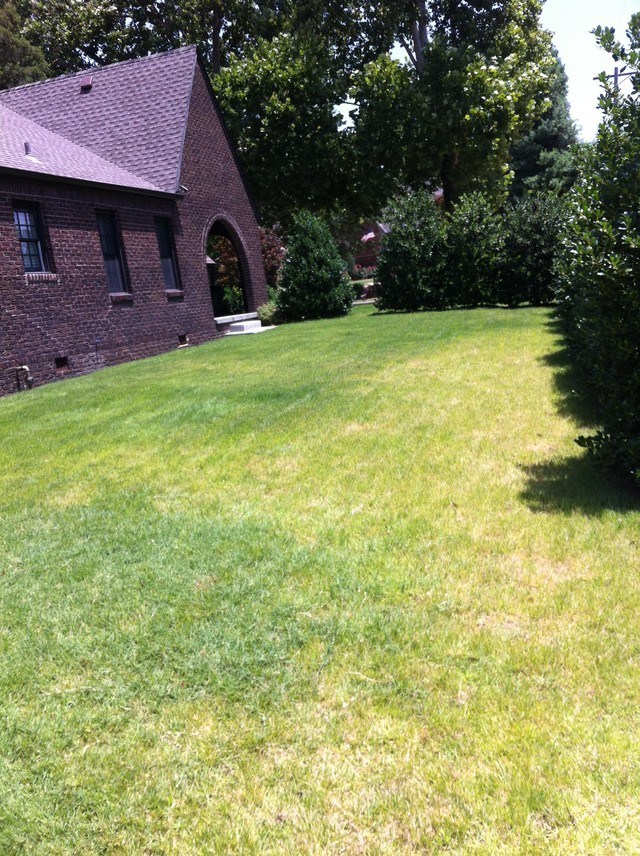
Soil compaction means the soil is too hard for roots. Heavy foot traffic and machines cause this. Compacted soil stops air and water from reaching roots. Aeration helps by loosening the soil. Avoid walking on wet grass to prevent compaction. Use mulch or grass mats in high-traffic areas. Good soil care reduces compaction problems and keeps Zoysia grass green.
Credit: www.houzz.com
Controlling Pests And Diseases
Controlling pests and diseases is key to keeping Zoysia grass green and healthy. Yellowing often signals an issue with insects or fungi. Early detection and treatment help save your lawn. Understanding common pests and diseases allows you to act fast and protect your grass.
Identifying Common Pests
Look for signs like chewed blades or small holes. Grubs and chinch bugs are usual pests for Zoysia grass. They feed on roots and blades, causing yellow patches. Ants and mites may also harm your lawn. Spotting these pests early prevents severe damage.
Natural Pest Control Options
Use beneficial insects such as ladybugs and nematodes. These bugs eat harmful pests without chemicals. Apply neem oil or insecticidal soap for mild infestations. Water your lawn properly to keep pests away. Avoid over-fertilizing, which can attract insects.
Treating Fungal Diseases
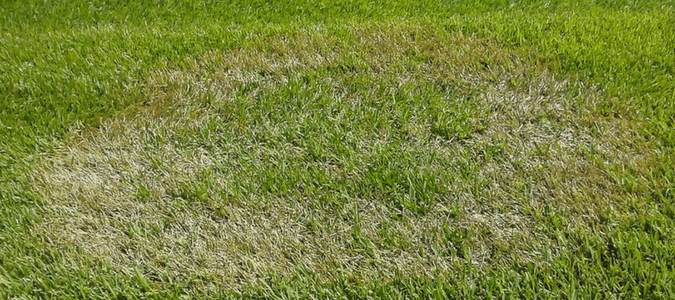
Fungal infections cause yellow spots and thinning grass. Common diseases include brown patch and dollar spot. Remove affected grass and improve lawn drainage. Use fungicides designed for Zoysia grass if needed. Regular mowing and watering help prevent fungal growth.
Seasonal Lawn Care Tips
Seasonal lawn care is key to keeping Zoysia grass healthy and green. Each season needs different care steps. Follow these tips to avoid yellow patches and promote strong growth.
Spring Lawn Maintenance
Start by raking dead grass and leaves. This clears space for new growth. Aerate the soil to improve air and water flow. Apply a balanced fertilizer to feed the grass. Mow regularly but avoid cutting too short. Water the lawn deeply once a week to encourage roots.
Summer Care Strategies
Water early in the morning to reduce evaporation. Increase watering frequency during hot, dry days. Set mower blades higher to shade roots and keep soil moist. Avoid heavy foot traffic on dry grass. Check for pests and treat them quickly. Apply fertilizer sparingly to prevent stress.
Fall Preparations
Reduce watering as temperatures cool. Continue mowing but gradually lower blade height. Rake fallen leaves to stop mold growth. Apply a slow-release fertilizer to boost root strength. Overseed thin areas to fill gaps. Prepare the lawn for winter rest with gentle care.
Credit: blog.abchomeandcommercial.com
Lawn Mowing Best Practices
Proper lawn mowing helps keep Zoysia grass healthy and green. It prevents yellowing and strengthens roots. Follow these simple mowing tips for a lush lawn.
Correct Mowing Height
Set your mower blade to the right height. Zoysia grass grows best between 1 and 2 inches tall. Cutting too short stresses the grass and causes yellow patches. Let the grass blades stay longer to block sunlight from weeds. Taller grass also keeps soil moist and cool.
Mowing Frequency
Mow your lawn regularly but not too often. During peak growth, mow every 5 to 7 days. Avoid cutting more than one-third of the grass height at once. This helps the grass recover fast and reduces yellow spots. Adjust mowing frequency based on weather and growth speed.
Equipment Maintenance
Keep mower blades sharp for clean cuts. Dull blades tear grass and cause stress, leading to yellowing. Clean the mower after each use to avoid spreading diseases. Check for loose parts and fix them before mowing. Well-maintained equipment improves lawn health and appearance.
Using Lawn Amendments
Using lawn amendments helps fix yellow Zoysia grass by improving soil health. Healthy soil supports strong grass roots and vibrant color. Amendments add nutrients and improve water drainage. This makes the lawn greener and more resistant to stress.
Benefits Of Organic Matter
Organic matter boosts soil quality naturally. It helps soil hold moisture and nutrients. This feeds Zoysia grass better for healthy growth. Organic matter also encourages beneficial microbes in the soil. These microbes break down nutrients for the grass to absorb easily.
Adding compost or aged manure adds organic matter. It improves soil texture and reduces compaction. Better soil means roots grow deep and strong. This helps fight yellowing caused by poor soil.
Applying Mulch
Mulch protects grass roots from extreme heat. It keeps soil cooler and retains moisture longer. Mulch stops weeds that steal nutrients from Zoysia grass. This reduces lawn stress and yellow patches.
Use natural mulch like wood chips or pine needles. Spread a thin layer around grass edges or bare spots. Mulch slowly breaks down to feed the soil. This supports steady lawn recovery and greener grass.
Topdressing Techniques
Topdressing adds a thin layer of soil or compost over grass. This smooths the lawn surface and improves soil quality. Topdressing helps fix uneven spots that cause yellowing.
Spread a ¼ to ½ inch layer evenly. Use fine compost or sandy soil for best results. Topdressing improves air flow and water penetration. It encourages grass roots to grow stronger and deeper.
Credit: turfmasterslawncare.com
Frequently Asked Questions
Why Is My Zoysia Grass Turning Yellow?
Zoysia grass turns yellow due to overwatering, poor soil drainage, or nutrient deficiencies. Lack of nitrogen and excessive shade also cause yellowing. Adjust watering, improve soil aeration, and apply balanced fertilizer to restore its green color.
How To Fix Yellow Zoysia Grass Quickly?
Improve soil drainage and reduce watering frequency. Apply a nitrogen-rich fertilizer and ensure the lawn gets at least 6 hours of sunlight daily. Aerate the soil to enhance root health and prevent yellowing.
Can Pests Cause Zoysia Grass Yellowing?
Yes, pests like chinch bugs and grubs damage Zoysia roots and blades. This stress leads to yellow patches. Treat infestations promptly with appropriate insecticides to protect your lawn’s health.
Does Soil Ph Affect Zoysia Grass Color?
Yes, Zoysia grass prefers slightly acidic to neutral soil (pH 6. 0-7. 0). Improper pH reduces nutrient uptake, causing yellowing. Test soil pH and amend it to maintain optimal levels for healthy green growth.
Conclusion
Yellow Zoysia grass signals a problem in your lawn. It needs the right care to turn green again. Check water, sunlight, and soil health first. Treat pests or diseases quickly to avoid damage. Regular mowing and feeding help grass stay strong.
Small changes make a big difference over time. Keep watching your lawn closely for new signs. Healthy Zoysia grass looks green and lush. Stay patient and consistent with your lawn care. Your yard will thank you with vibrant green grass.
