
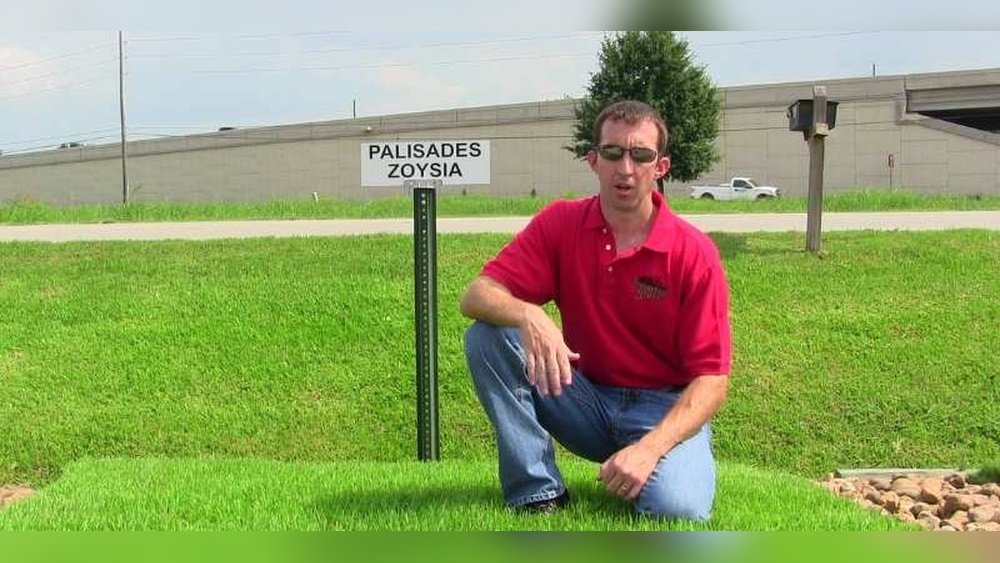
Are you tired of dealing with the constant upkeep of St. Augustine grass? You’re not alone.
Many homeowners are asking the same question: will Zoysia grass overtake St. Augustine as the top choice for lawns? If you want a lawn that looks great, requires less work, and stays green longer, this topic is crucial for you.
Keep reading to discover which grass might be the better fit for your yard and why it matters for your next lawn upgrade.

Credit: www.dfwgrassandsod.com
Zoysia Grass Basics
Zoysia grass is gaining attention as a lawn alternative to St. Augustine grass. It has unique features that make it stand out. Understanding its basics helps homeowners decide if it suits their lawn needs.
Zoysia grows slowly but forms a dense, thick carpet. This grass type adapts well to many yard conditions. Learning about its growth, climate needs, and care will clarify its potential to replace St. Augustine.
Growth Characteristics
Zoysia grass grows slowly, spreading by runners and rhizomes. This creates a thick, lush lawn that resists weeds well. It recovers slowly from damage but stays green longer in cooler seasons. The grass blades are fine and soft, offering a smooth lawn feel.
Climate Preferences
Zoysia thrives in warm climates with moderate humidity. It tolerates heat and drought better than St. Augustine grass. It can survive mild winters but grows best in USDA zones 6 to 9. Zoysia prefers full sun but can handle some shade.
Maintenance Needs
Zoysia requires less frequent mowing due to its slow growth. It needs moderate watering, especially in dry spells. Fertilize lightly in spring and summer for healthy growth. It is less prone to pests and diseases, lowering lawn care efforts.
St Augustine Grass Features
St Augustine grass is popular for warm climates. It grows thick and green, making yards look full. Many homeowners like its soft feel underfoot. This grass type has specific traits that suit certain environments and care styles.
Understanding these features helps compare it with Zoysia grass. Let’s explore the texture, adaptability, and care needs of St Augustine grass.
Texture And Appearance
St Augustine grass has wide, flat blades. The leaves are bright green and coarse. It grows in dense mats that cover soil well. The thick growth helps block weeds. It gives a lush and vibrant look to lawns.
Environmental Adaptability
This grass thrives in warm, humid areas. It handles shade better than many warm-season grasses. It tolerates salty soils near coasts. But it struggles in cold or dry conditions. Too much heat or drought can cause damage.
Care Requirements
St Augustine grass needs moderate watering to stay green. It requires mowing every week in summer. Fertilizing helps keep it healthy and thick. Pest control is important to prevent damage. It does best with some shade and regular care.
Comparing Growth Rates
Growth rate is a key factor when choosing grass for your lawn. It affects how fast the grass spreads and fills in bare spots. Comparing Zoysia grass and St. Augustine grass reveals important differences in their growth speed.
Zoysia grass grows slowly but steadily. It spreads through stolons and rhizomes. This slow growth means it takes time to cover large areas. However, this also means less mowing and maintenance.
St. Augustine grass grows faster than Zoysia. It spreads quickly through above-ground runners called stolons. This rapid growth helps it cover lawns faster. It fills bare spots and repairs damage more quickly.
Growth Speed Of Zoysia Grass
Zoysia grass grows at a slow pace. It takes several months to fully establish. This slow growth reduces the need for frequent mowing. Zoysia’s thick blades create a dense lawn over time.
Growth Speed Of St. Augustine Grass
St. Augustine grass grows faster than many warm-season grasses. It spreads quickly in warm weather. This rapid growth helps lawns recover from wear and tear fast. It needs more frequent mowing to stay neat.
Impact Of Growth Rates On Lawn Care
Faster growth means more mowing and trimming. Slower growth means less frequent lawn work. Zoysia’s slow growth suits low-maintenance lawns. St. Augustine’s quick growth fits active yards that need quick coverage.
Drought And Heat Tolerance
Zoysia grass and St. Augustine grass face tough weather challenges. Both grasses handle heat and dry spells, but their abilities differ. Understanding these differences helps choose the best lawn for warm, dry climates.
Heat and drought stress can harm lawns. Grass that stays green and healthy during these times saves water and effort. This section compares Zoysia and St. Augustine grasses on these important traits.
Zoysia Grass Drought Resistance
Zoysia grass uses water very efficiently. Its deep roots reach far to find moisture. This grass stays green longer without frequent watering. It goes dormant during extreme drought but recovers quickly after rain.
St. Augustine Grass Heat Tolerance
St. Augustine grass prefers warm weather and handles heat well. It grows fast in hot conditions but needs more water. This grass can suffer leaf burn if the heat lasts too long without rain.
Comparing Water Needs
Zoysia grass requires less water than St. Augustine. This makes Zoysia a better choice for areas with water restrictions. St. Augustine lawns need regular watering to avoid brown spots in dry periods.
Survival In Extreme Conditions
Zoysia grass shows strong survival in long heat waves and drought. It enters dormancy to save energy and water. St. Augustine grass may weaken or die if drought lasts too long without care.
Pest And Disease Resistance
Pest and disease resistance is a key factor in choosing the right lawn grass. Zoysia grass and St. Augustine grass face different challenges from pests and diseases. Understanding their resistance helps decide which grass suits your yard better.
Pest Resistance Of Zoysia Grass
Zoysia grass resists many common lawn pests well. It has a dense growth pattern that blocks insects. This thick turf stops grubs and chinch bugs from damaging roots. Zoysia rarely needs pesticides to stay healthy.
Pest Resistance Of St. Augustine Grass
St. Augustine grass often attracts pests like chinch bugs and sod webworms. These insects can cause brown patches and thinning. It requires more frequent monitoring and treatment to control pests. This can increase lawn care effort and cost.
Disease Resistance Of Zoysia Grass
Zoysia is less prone to fungal diseases. It handles heat and humidity without many infections. Diseases like brown patch and dollar spot occur less often. This reduces the need for chemical fungicides and lawn damage.
Disease Resistance Of St. Augustine Grass
St. Augustine is vulnerable to several fungal diseases. Brown patch and gray leaf spot are common issues. These diseases can spread quickly in warm, wet conditions. Lawn health may decline without proper care and treatment.

Credit: bethelfarms.com
Cost And Installation Factors
Cost and installation play a big role in choosing between Zoysia grass and St. Augustine. Both grasses have different prices and needs. Understanding these factors helps homeowners make smart choices for their lawns.
Initial Cost Of Zoysia Grass Versus St. Augustine
Zoysia grass usually costs more to buy than St. Augustine. Zoysia is slower to grow, so it needs more time and care. St. Augustine sod is cheaper and grows faster. This can save money at the start.
Installation Process And Time
Zoysia takes longer to establish after planting. It needs careful watering and mowing. St. Augustine sets quickly and covers the ground faster. This means less waiting for a full lawn.
Maintenance Costs After Installation
Zoysia requires less water and fertilizer over time. This lowers long-term care costs. St. Augustine needs more water and regular feeding. It may cost more to keep green and healthy.
Current Lawn Trends
Lawn care has changed a lot over the past few years. Many people want grass that looks good and is easy to keep. This shift affects which grass types become popular in yards.
Choosing the right grass depends on many things. Homeowners want lawns that fit their lifestyle and local weather. These choices shape lawn trends across the country.
Homeowner Preferences
Many homeowners now want grass that uses less water. They prefer types that stay green without much work. Durability is also key. Lawns must handle kids and pets well.
People also like grass that grows slowly. This means less mowing and less effort. Zoysia grass fits these needs better than St. Augustine in some areas.
Regional Shifts
Climate changes affect which grass grows best. Warmer, drier areas favor grass that tolerates heat and drought. Zoysia is more drought-resistant than St. Augustine.
Some regions see more Zoysia lawns each year. This grass can survive tough conditions that challenge St. Augustine. Regional trends show a slow move toward Zoysia.
Landscape Design Influence
Modern landscapes focus on neat, low-maintenance yards. Grass types that support clean designs are favored. Zoysia’s fine texture suits these styles well.
Designers also pick grass that fits with other plants. Zoysia blends nicely with many garden types. This makes it a popular choice for new landscapes.
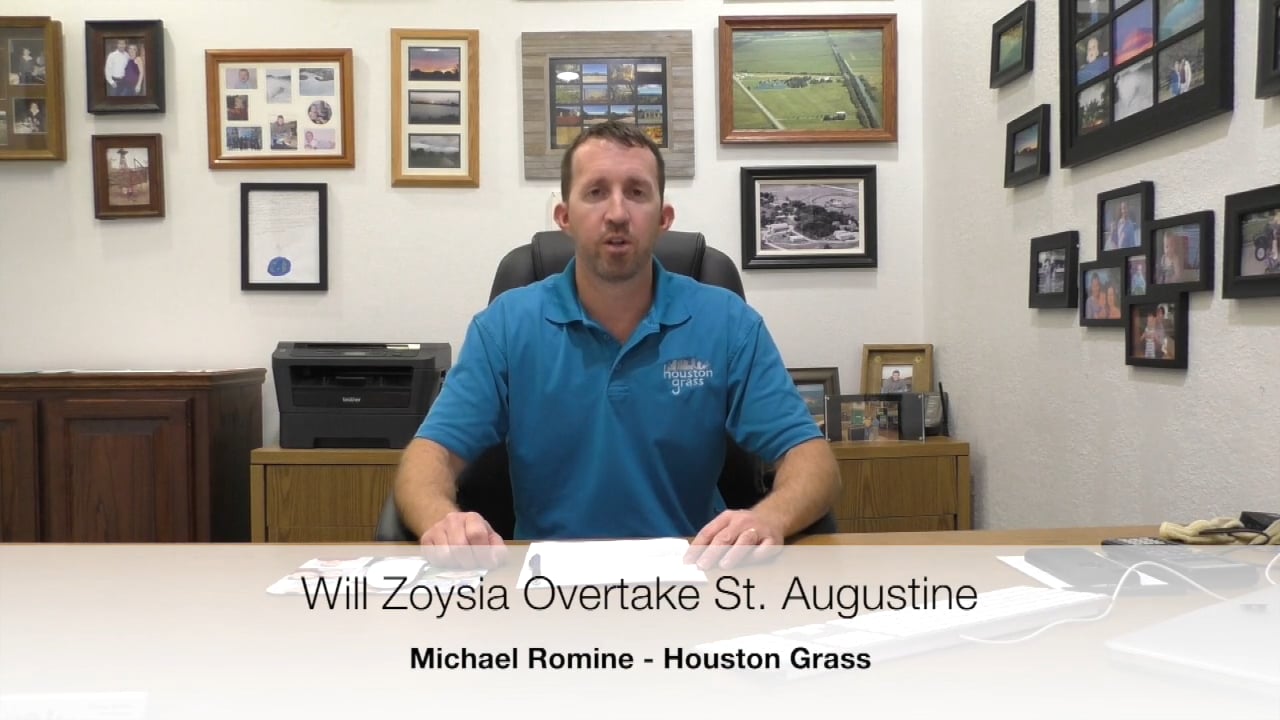
Credit: houstonturfgrass.com
Environmental Impact
Zoysia grass and St. Augustine grass differ in how they affect the environment. Choosing the right grass can help save water and reduce chemicals. This section explores their impact on soil, water, and wildlife.
Water Usage
Zoysia grass uses less water than St. Augustine. It stays green longer without frequent watering. This saves water in dry areas and lowers water bills. Less watering means less strain on local water supplies.
Soil Health
Zoysia has a dense root system that holds soil well. It prevents erosion and improves soil structure. St. Augustine grows faster but with shallower roots. This can lead to more soil runoff during heavy rain.
Pesticide And Fertilizer Needs
Zoysia is more resistant to pests and diseases. It needs fewer chemicals for maintenance. St. Augustine often requires more pesticides and fertilizers. Lower chemical use means less pollution and healthier soil.
Wildlife Habitat
Zoysia provides a thick cover that shelters small insects and animals. St. Augustine offers less dense cover and fewer hiding spots. Healthy grass supports local wildlife and improves biodiversity in yards.
Future Predictions For Lawns
The future of lawns is changing. Zoysia grass shows strong potential to overtake St. Augustine grass in many areas. Both grasses have unique traits. But trends suggest Zoysia may become more popular soon.
Experts and new technologies shape these changes. Homeowners want lawns that are easier to care for and save water. Zoysia grass fits these needs well. It grows slowly and resists drought better than St. Augustine.
Expert Opinions
Many lawn care experts predict a rise in Zoysia use. They note its durability and low water need. Experts say Zoysia handles heat and cold better. Some believe St. Augustine will remain common in shaded areas. But open, sunny lawns may shift to Zoysia.
Technology And Innovation
New lawn care tools help maintain Zoysia easily. Smart irrigation systems reduce water waste. These systems match well with Zoysia’s slow growth. Advances in lawn fertilizers also support healthier Zoysia grass. Technology makes Zoysia a more practical choice for many homeowners.
Frequently Asked Questions
Will Zoysia Grass Replace St Augustine Lawns?
Zoysia grass grows slower but is denser and more drought-tolerant. St Augustine remains popular for shade and quick coverage. Zoysia may gain ground but won’t fully replace St Augustine soon.
Which Grass Is Better For Hot Climates?
Zoysia handles heat and drought better than St Augustine. However, St Augustine tolerates shade more effectively. Choice depends on sunlight, soil, and maintenance preferences.
How Does Zoysia Grass Compare In Maintenance?
Zoysia requires less frequent mowing and watering than St Augustine. It is more resistant to pests and diseases. Overall, Zoysia is lower maintenance but slower to establish.
Can Zoysia Grass Survive In Shade Like St Augustine?
Zoysia tolerates some shade but thrives best in full sun. St Augustine performs better in deep shade areas. For shaded yards, St Augustine remains the preferred choice.
Conclusion
Zoysia grass grows slowly but stays green longer than St. Augustine. St. Augustine spreads fast and handles shade well. Both grasses suit warm climates but differ in care needs. Homeowners choose based on lawn use and maintenance time. Zoysia may gain ground, but St.
Augustine stays popular. Each grass has strong points to consider. Your choice depends on your yard and lifestyle. Keep an eye on trends to pick the best grass for you.
