

Have you noticed your once lush, green Zoysia grass turning yellow? It’s frustrating when your lawn loses its vibrant color, and you’re left wondering what went wrong.
Yellowing grass not only affects your yard’s appearance but also signals that something might be off beneath the surface. If you want to bring back that rich, healthy green and understand exactly why your Zoysia grass is changing color, keep reading.
This article will help you discover the common causes and simple fixes to restore your lawn’s beauty. Your grass deserves the best care, and you’re just a few steps away from making it thrive again.
Credit: www.grassperson.com
Common Causes Of Yellow Zoysia Grass
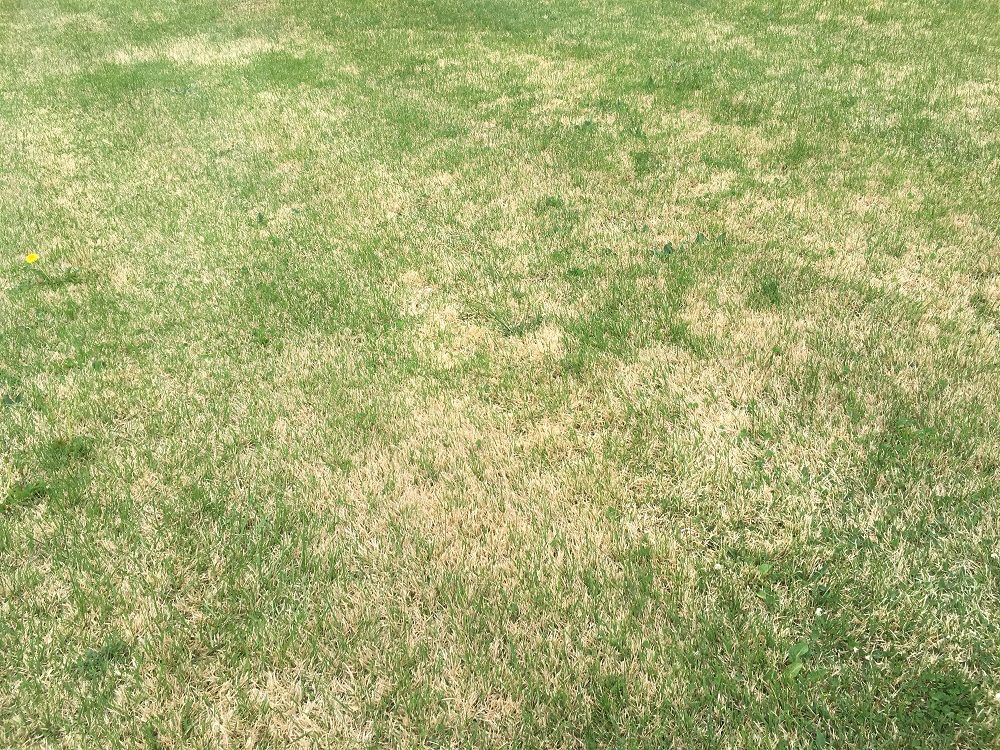
Yellow Zoysia grass often signals a problem with the lawn’s health. Identifying the common causes helps fix the issue quickly. Several factors can make Zoysia grass lose its green color. Understanding these causes helps keep your lawn lush and healthy.
Nutrient Deficiencies
Zoysia grass needs nutrients like nitrogen, iron, and potassium. Lack of these nutrients causes yellowing leaves. Nitrogen deficiency is the most common reason for yellow grass. Fertilizing with the right nutrients can restore the green color.
Watering Issues
Both too much and too little water harm Zoysia grass. Overwatering drowns roots and causes yellow patches. Underwatering dries out the grass, making it turn yellow. Proper watering keeps the grass healthy and vibrant.
Pest Infestations
Insects like chinch bugs and grubs feed on Zoysia grass roots. These pests weaken the grass and cause yellow spots. Early pest control stops the damage and helps the lawn recover.
Disease Problems
Fungal diseases attack Zoysia grass and cause yellow or brown spots. Common diseases include brown patch and leaf spot. Treating disease early prevents it from spreading and damaging the lawn.
Environmental Stress
Extreme heat, cold, or drought stress Zoysia grass. Stress weakens the grass and causes yellowing. Protecting the lawn during harsh weather keeps it strong and green.
Soil Compaction
Compacted soil limits root growth and water absorption. This causes Zoysia grass to turn yellow and thin out. Aerating the soil improves root health and lawn color.
Identifying Nutrient Deficiencies
Yellowing of Zoysia grass often points to nutrient problems in the soil. Nutrient deficiencies reduce the grass’s ability to stay green and healthy. Identifying these deficiencies early helps restore your lawn’s vibrant color. Understanding which nutrient is lacking allows you to treat the lawn correctly.
Signs Of Nitrogen Deficiency
Nitrogen is vital for green, lush grass. Without enough nitrogen, Zoysia turns pale yellow. The yellowing usually starts at the tips of the grass blades. Growth slows down and the lawn looks thin. The grass may also feel soft or weak underfoot. This deficiency is common in lawns that have not been fertilized recently.
Role Of Iron And Magnesium
Iron and magnesium are key for keeping Zoysia green. Iron helps the grass make chlorophyll, which gives it color. Magnesium is part of the chlorophyll molecule itself. A lack of iron causes yellowing between the leaf veins, while veins stay green. Magnesium deficiency shows as yellow edges around the leaves. Both deficiencies reduce the plant’s ability to photosynthesize and grow well.
Soil Testing Tips
Testing soil is the best way to find nutrient problems. Use a soil test kit from a garden center or send samples to a lab. Take samples from several spots in your lawn for a clear picture. Follow the test instructions carefully for accurate results. Soil tests reveal pH levels and nutrient amounts. This info guides you on which fertilizers to use and how much.
Watering Mistakes To Avoid
Watering is key to keeping Zoysia grass green and healthy. Mistakes in watering often cause yellowing patches. Understanding proper watering helps prevent damage and keeps your lawn lush.
Overwatering Effects
Too much water drowns grass roots. This stops oxygen from reaching them. Roots become weak and rot. Yellow spots appear as grass struggles to survive. Overwatering also encourages fungus and pests. These harm the grass further.
Underwatering Symptoms
Not enough water causes grass to dry out. Leaves turn yellow or brown and feel brittle. Grass blades curl and die quickly. Soil becomes hard and cracked. This makes it harder for roots to get water later.
Best Watering Practices
Water deeply but less often. Aim for about one inch of water weekly. Early morning is best time to water. It reduces evaporation and helps grass absorb water. Check soil moisture before watering again. This avoids over or underwatering problems.
Dealing With Pests And Diseases
Dealing with pests and diseases is key to keeping Zoysia grass green and healthy. Yellowing often signals trouble below the surface. Knowing which pests and diseases attack Zoysia helps catch problems early. Proper care stops damage and restores your lawn’s lush color.
Common Pests Affecting Zoysia
Several pests cause yellow spots on Zoysia grass. Chinch bugs suck sap, making grass dry and pale. Sod webworms chew grass blades, leaving brown patches. Grubs feed on roots, weakening the grass and causing yellowing. Spotting pests early prevents large lawn damage.
Fungal Diseases To Watch For
Fungi thrive in warm, wet conditions, harming Zoysia grass. Brown patch disease creates circular yellow or brown spots. Dollar spot causes small, bleached patches that spread fast. Large patch disease kills grass blades near soil surface. Proper watering and good airflow reduce fungal risks.
Natural Pest Control Methods
Use natural methods to keep pests under control. Encourage beneficial insects like ladybugs and spiders to eat harmful bugs. Apply neem oil or insecticidal soap to affected areas. Keep grass healthy with proper mowing and watering. Avoid chemical pesticides to protect your lawn and the environment.
Managing Environmental Stress
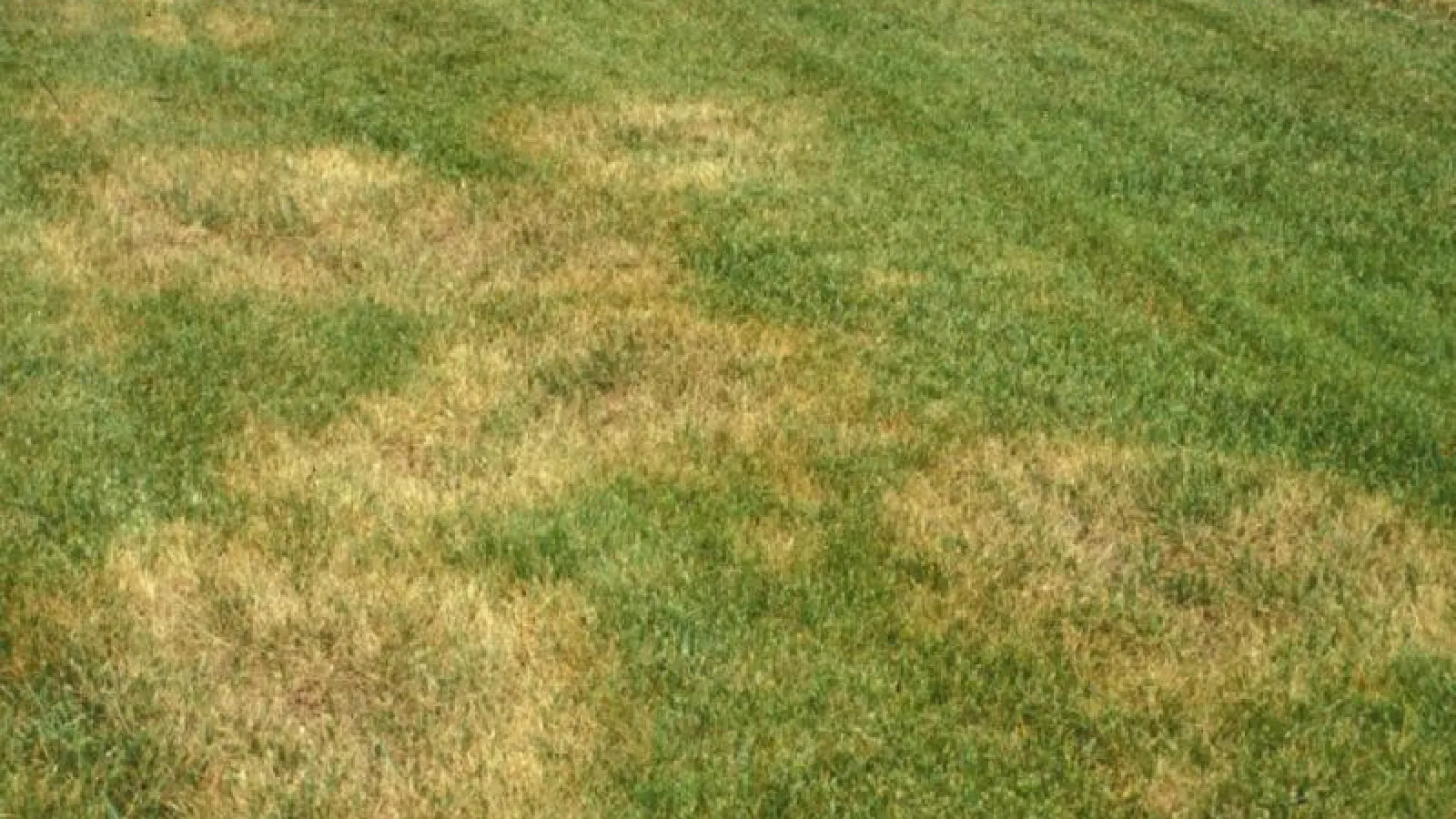
Managing environmental stress is key to keeping Zoysia grass green and healthy. Stress from heat, drought, shade, and seasonal changes can make the grass turn yellow. Understanding these factors helps in caring for your lawn properly. Simple actions can reduce stress and improve grass color.
Heat And Drought Impact
High heat dries out Zoysia grass quickly. Without enough water, the grass blades lose their green color. Drought stress causes the grass to go dormant and turn yellow or brown. Watering deeply and less often helps roots grow stronger. This reduces yellowing during hot, dry periods.
Shade And Sunlight Balance
Zoysia grass needs sunlight to stay green. Too much shade slows down its growth. The grass becomes thin and yellow in shady spots. Trim trees or bushes to let sunlight reach the lawn. Balancing shade and sun helps the grass make enough food to stay healthy.
Seasonal Changes Effects
Season changes affect Zoysia grass color. In cooler months, the grass grows slowly and may turn yellow. This is natural and temporary. The grass recovers and turns green again in warm seasons. Adjust watering and mowing to support the grass during these changes.
Credit: turfmasterslawncare.com
Soil Health And Lawn Aeration
Soil health plays a big role in the color and growth of Zoysia grass. Poor soil can cause the grass to turn yellow. Good lawn aeration helps keep soil healthy. It allows air, water, and nutrients to reach the roots. Without proper aeration, soil becomes compacted. Compacted soil stops roots from growing well. This makes the grass weak and yellow.
Importance Of Aeration
Aeration means making small holes in the soil. These holes let air, water, and nutrients enter easily. Roots get the oxygen they need to grow strong. Aeration reduces soil compaction that blocks root growth. It also helps water soak deep into the ground. Strong roots make green, healthy Zoysia grass. Aeration should happen at least once a year.
Techniques For Reducing Compaction
Core aerators remove small plugs of soil. This is the best way to reduce compaction. Spike aerators poke holes without removing soil but are less effective. Avoid walking or driving on wet soil. Heavy traffic causes more compaction. Regularly aerate to keep the soil loose. Loose soil helps roots grow deep and healthy.
Improving Soil Drainage
Poor drainage can cause yellow grass too. Water that stays on soil surface creates bad conditions. It can drown roots and cause disease. Adding organic matter like compost improves drainage. It helps soil hold water but drain excess. Avoid heavy clay soils or fix them with sand. Good drainage keeps roots healthy and grass green.
Quick Fixes To Restore Green Color
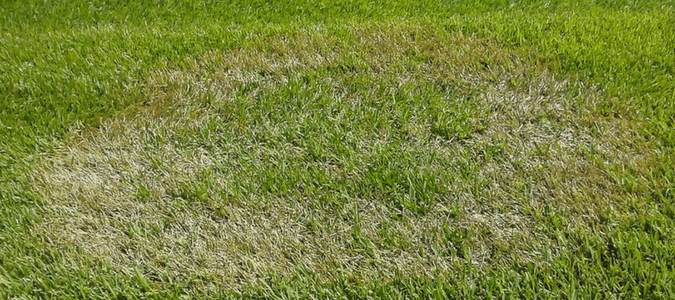
Yellow Zoysia grass can spoil the look of your lawn. Quick fixes help bring back its rich green color fast. These easy steps target common causes of yellowing. Follow simple care tips to revive your lawn’s health and beauty.
Fertilizer Recommendations
Use a balanced fertilizer with nitrogen, phosphorus, and potassium. Nitrogen helps green color grow strong and bright. Apply fertilizer in spring and summer for best results. Avoid over-fertilizing, which can burn grass and cause more yellowing. Choose slow-release fertilizer for steady feeding.
Adjusting Water Schedules
Water deeply but less often to encourage strong roots. Zoysia grass needs about 1 inch of water per week. Water early in the morning to reduce evaporation. Avoid watering late at night to prevent disease. Check soil moisture to prevent overwatering or drought stress.
Using Lawn Treatments
Apply iron supplements for quick green color improvement. Use fungicides if fungal infections cause yellow patches. Treat pests like grubs and chinch bugs with appropriate insecticides. Aerate your lawn to improve soil air and water flow. Healthy soil helps grass recover from stress and stay green.
Credit: blog.abchomeandcommercial.com
Preventive Measures For Healthy Zoysia
Keeping Zoysia grass green and healthy takes care and attention. Yellowing often signals stress or poor conditions. Taking steps early can prevent this problem. Healthy Zoysia grows strong with the right routine and choices.
Regular Maintenance Tips
Water Zoysia deeply but not too often. Overwatering causes root problems. Mow the grass at the right height, around 1 to 2 inches. Cut no more than one-third of the grass blade at once. Remove thatch buildup to let air and nutrients reach roots. Fertilize with balanced nutrients to support growth. Check for pests and diseases regularly to catch issues early.
Seasonal Lawn Care Routine
Adjust care with the seasons. In spring, start watering more and fertilize lightly. Summer needs frequent watering, especially in dry spells. Mow regularly to keep grass strong. Fall is the time to aerate soil and add nutrients. Reduce watering as temperatures drop. In winter, avoid heavy foot traffic to prevent damage.
Choosing The Right Grass Variety
Zoysia comes in several types. Some handle heat better, others resist cold. Pick a variety suited to your climate and soil. This choice reduces stress on the grass. Healthy grass stands up better to pests and drought. Consult local garden centers for recommendations. Proper selection saves time and effort later.
Frequently Asked Questions
Why Does Zoysia Grass Turn Yellow In Summer?
Zoysia grass often yellows in summer due to heat stress and drought. High temperatures can cause dehydration, limiting nutrient absorption. Regular watering and proper fertilization help maintain its green color during hot months.
Can Nutrient Deficiency Cause Zoysia Grass To Yellow?
Yes, lack of essential nutrients like nitrogen causes yellowing. Nitrogen is vital for chlorophyll production, keeping grass green. Applying a balanced fertilizer can restore color and improve grass health effectively.
How Does Overwatering Affect Zoysia Grass Color?
Overwatering leads to poor root oxygen and fungal growth, turning Zoysia yellow. Proper drainage and watering only when necessary prevent these issues and keep the grass healthy and green.
Does Soil Ph Influence Zoysia Grass Yellowing?
Yes, improper soil pH affects nutrient uptake, causing yellowing. Zoysia thrives in slightly acidic to neutral soil (pH 6-7). Testing and adjusting soil pH ensures optimal growth and color.
Conclusion
Yellow Zoysia grass signals a problem in your lawn. It needs proper water, sunlight, and nutrients to stay green. Pests and diseases can also cause yellow spots. Regular care helps your grass grow healthy and strong. Watch for signs early to fix issues quickly.
Your lawn will thank you with lush green color. Keep checking and caring every week. Healthy grass means a happier yard and home. Simple steps make a big difference in lawn health.
