

Are you wondering if Bermuda grass is a weed or just a tough lawn friend? You’re not alone.
Many homeowners struggle to decide whether this fast-growing grass is a helpful ground cover or an invasive nuisance. Understanding what Bermuda grass really is can save you time, money, and frustration with your yard. Keep reading to discover the truth about Bermuda grass and how it affects your lawn care routine.
This simple knowledge could change the way you manage your outdoor space forever.
Credit: extension.umd.edu
Bermuda Grass Basics
Bermuda grass is a popular type of grass used in many places. It is known for its ability to grow fast and cover large areas. This grass can handle heat and drought better than many other types. People often wonder if Bermuda grass is a weed or just a tough lawn grass.
Understanding the basics of Bermuda grass helps clear up this confusion. It has a unique background and specific uses that make it different from typical weeds. Knowing where it comes from and how it grows gives a clearer picture of its role in lawns and landscapes.
Origin And Growth
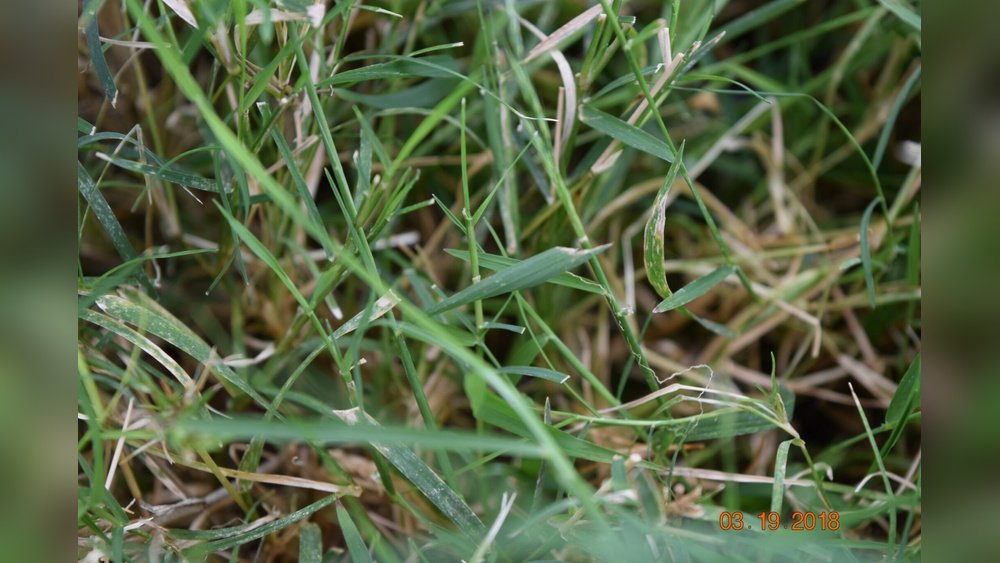
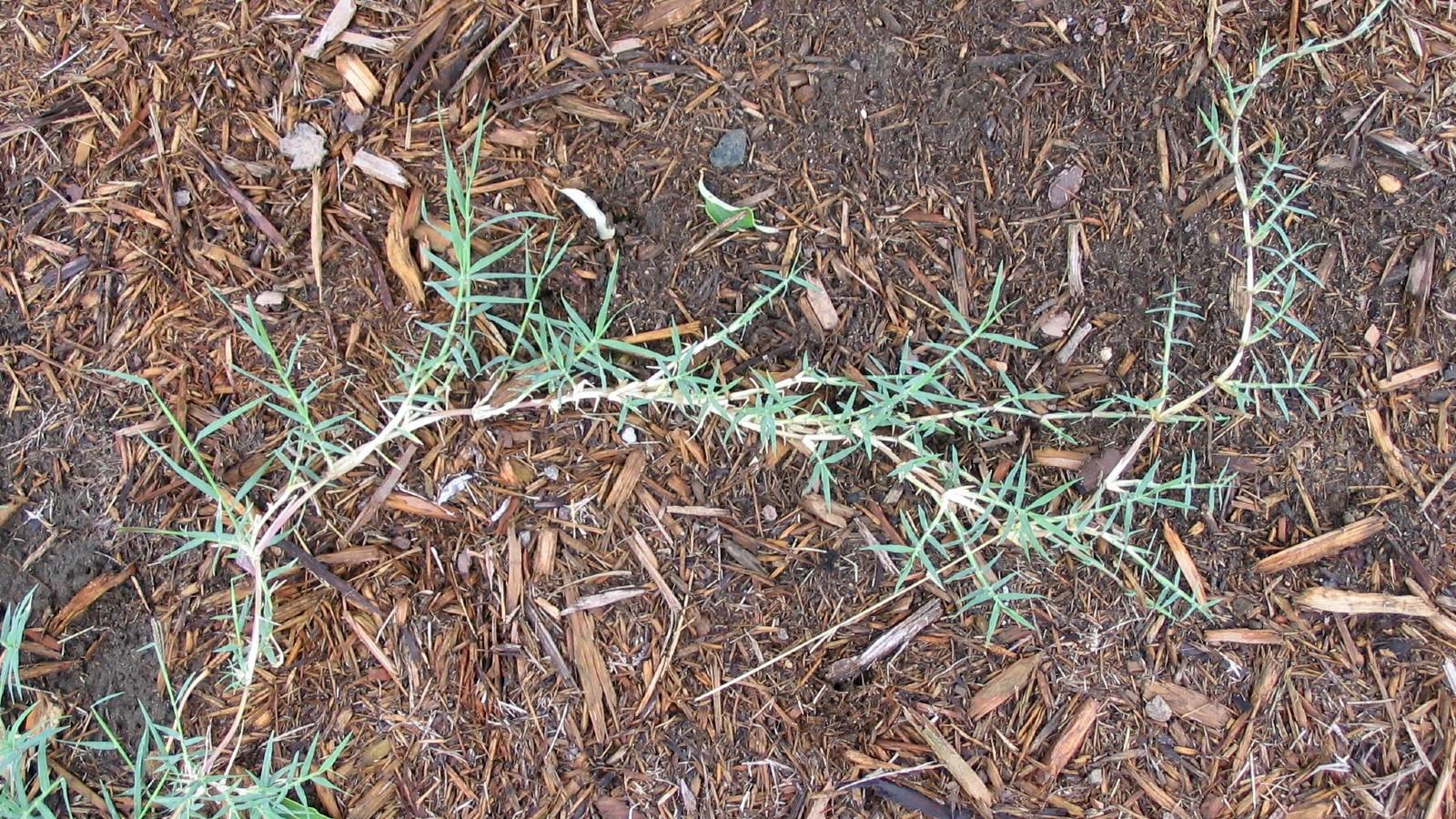
Bermuda grass originally comes from Africa. It spread to other warm regions because it grows well in heat. This grass spreads quickly through underground stems called rhizomes and above-ground runners called stolons. It forms a dense, green carpet that stops other plants from growing easily. Bermuda grass grows best in sunny areas and can survive drought with little water.
Common Uses In Lawns
Many people use Bermuda grass in lawns, sports fields, and golf courses. It creates a strong, green surface that handles heavy use. The grass recovers fast from damage. It also helps prevent soil erosion due to its thick growth. Homeowners choose Bermuda grass for its durability and low water needs. It works well in warm climates but may go dormant and turn brown in cold weather.
Defining Weeds
Understanding what makes a plant a weed helps us decide if Bermuda grass fits that label. Weeds are more than just unwanted plants in your garden or lawn. They have specific traits and reasons behind their classification. Knowing these facts clears up common confusion about Bermuda grass.
Many plants grow fast and spread easily. But not all of them are weeds. The definition depends on characteristics and human views. Let’s explore these details below.
Characteristics Of Weeds
Weeds grow quickly and take over areas fast. They often survive in tough conditions. Weeds spread by seeds, roots, or runners. They compete with other plants for water and nutrients. Many weeds have strong roots that make them hard to remove. Weeds usually grow where people do not want them. They can lower the health of lawns and crops. Their ability to adapt helps them thrive almost anywhere.
Why Some Plants Are Labeled Weeds
People call plants weeds based on where they grow. If a plant harms crops or gardens, it becomes a weed. Some plants are weeds only in certain places. Human activity and preferences define weeds more than plant type. A plant might be useful in one place but a weed in another. The label depends on whether the plant is helpful or a nuisance. This view changes with time and location.
Is Bermuda Grass A Weed?
Bermuda grass often sparks debate about whether it is a weed. This grass grows fast and spreads easily. Some people see it as a useful lawn grass. Others view it as a stubborn weed that takes over gardens. Understanding its nature helps decide if it is a weed or not.
Factors That Classify It
A weed is a plant that grows where it is not wanted. Bermuda grass thrives in many places, including lawns and fields. It spreads through underground stems called rhizomes. This makes it hard to control. If it invades flower beds or vegetable gardens, many call it a weed. Its ability to grow quickly and crowd out other plants adds to this label. Yet, in lawns and sports fields, it is valued for its durability and green color.
Regional Perspectives
Views on Bermuda grass vary by region. In southern U.S. states, it is popular for lawns and golf courses. People appreciate its heat tolerance and toughness. In cooler areas, it can act like a weed, growing where it is not wanted. Farmers may see it as a weed in crops or pastures. Different climates and land uses shape how people see Bermuda grass. What is a lawn hero in one place may be a weed in another.
Benefits Of Bermuda Grass
Bermuda grass is a popular choice for lawns and sports fields. It offers many benefits that make it valuable, not a weed. This grass grows fast and stays green in warm weather. It also handles tough conditions well.
Understanding these benefits helps explain why Bermuda grass is widely used. It supports healthy soil and provides a strong ground cover. Its features make it stand out among other grasses.
Durability And Drought Resistance
Bermuda grass is very tough and lasts through heavy use. It recovers quickly from damage by foot traffic or weather. This grass needs less water than many other types. It stays green even during dry spells. Its deep roots help it survive droughts easily.
Soil Erosion Control
The grass grows thick and spreads quickly over the ground. This thick cover protects soil from washing away. Its roots hold soil tightly in place on slopes and hills. Using Bermuda grass reduces problems caused by heavy rain. It helps keep landscapes stable and healthy.
Challenges With Bermuda Grass
Bermuda grass has many benefits, but it also comes with challenges. This grass can be tough to manage in certain situations. Understanding these challenges helps in making better lawn care choices.
Invasiveness And Spread
Bermuda grass spreads quickly through runners and seeds. It can invade flower beds and gardens easily. This fast growth makes it hard to control once it starts spreading. It may crowd out other plants in your yard. Stopping its spread requires regular attention and care.
Maintenance Considerations
Bermuda grass needs frequent mowing to stay healthy. It grows fast in warm weather and can become unruly. Regular watering is important, especially during dry spells. The grass may also need fertilizing to keep its green color. Without proper care, it can look patchy or brown.

Credit: cals.cornell.edu
Managing Bermuda Grass
Managing Bermuda grass requires a clear plan. This grass grows fast and spreads easily. It can be a great lawn cover or a stubborn weed. Knowing how to control it helps keep your yard healthy and neat.
Control Methods
Use physical removal to limit Bermuda grass. Pull out runners and roots by hand. Mowing often helps stop it from spreading seeds. Apply herbicides carefully to target Bermuda grass. Choose products made for grassy weeds. Follow label instructions to avoid harming other plants. Solarization, covering the soil with plastic, can kill Bermuda grass over time. Combine methods for better control results.
Best Practices For Lawns
Maintain your lawn by mowing Bermuda grass regularly. Keep the grass height between 1 and 2 inches. Water deeply but less often to encourage strong roots. Fertilize with balanced nutrients to support healthy growth. Aerate the soil to improve air and water flow. Overseed with cool-season grasses to reduce Bermuda grass spread. Healthy lawn care reduces weed problems naturally.
Alternative Grass Options
Choosing the right grass matters for a healthy lawn. Bermuda grass is popular but not the only option. Many grasses offer good looks and easy care. Exploring alternatives helps find the best fit for your yard and climate.
Each grass type grows well in certain places. Knowing these options makes lawn care simpler and more successful.
Comparison With Other Turfgrasses
Bermuda grass grows fast and handles heat well. It is tough but can spread aggressively, which some see as a weed problem. Other grasses like Zoysia, St. Augustine, and Fescue offer different traits.
Zoysia grass is slow to grow but very dense. It creates a thick carpet that crowds out weeds. St. Augustine grass thrives in shade and warm climates. It has broad leaves and a soft feel.
Fescue grass prefers cooler areas and stays green longer in fall. It needs less mowing but more water. Each grass has strengths and weaknesses compared to Bermuda.
Choosing The Right Grass For Your Area
Climate affects grass growth the most. Warm-season grasses like Bermuda and St. Augustine do best in hot regions. Cool-season grasses like Fescue suit northern areas with cold winters.
Soil type matters too. Sandy soil drains quickly, favoring grasses like Bermuda. Clay soils hold water longer and suit grasses like Zoysia. Knowing your soil helps pick grass that thrives naturally.
Sun exposure also guides the choice. Some grasses need full sun, while others grow well in shade. This factor affects lawn health and maintenance needs.

Credit: www.greencastonline.com
Frequently Asked Questions
Is Bermuda Grass Considered A Weed In Lawns?
Bermuda grass is not a weed but a warm-season turfgrass. It is valued for its durability and heat tolerance. However, it can be invasive in cooler climates or unwanted garden areas, making it seem like a weed.
How Does Bermuda Grass Spread So Quickly?
Bermuda grass spreads through stolons and rhizomes, which are above and below ground runners. This aggressive growth helps it cover large areas fast. Its rapid spreading makes it tough to control in non-lawn spaces.
Can Bermuda Grass Harm Other Plants In My Garden?
Yes, Bermuda grass can outcompete nearby plants for nutrients and water. Its dense growth can choke out less aggressive species. Gardeners often consider it invasive when it spreads beyond intended areas.
Is Bermuda Grass Easy To Control Or Remove?
Controlling Bermuda grass is challenging due to its resilience. Regular mowing, herbicides, and physical removal help manage it. Persistent effort is needed to fully eliminate it from unwanted spots.
Conclusion
Bermuda grass is not always a weed. It can be a useful lawn or pasture grass. Some people see it as a problem because it spreads fast. Others like it for its hardiness and green color. Knowing how it grows helps you manage it well.
Decide if it fits your yard or garden needs. Control its spread if you don’t want it everywhere. Understanding Bermuda grass helps you keep your outdoor space healthy. It’s all about how you use and care for it.
