

Are you looking for the perfect lawn that stays green, thick, and healthy all year round? Combining Zoysia grass with Bermuda might be the secret you’ve been missing.
Imagine having a lawn that not only looks beautiful but also stands up to heavy foot traffic and tough weather conditions. You’ll discover how these two grasses work together to create a lush, durable yard that you’ll love spending time on.
Keep reading to find out how to get the best of both worlds for your lawn.
Benefits Of Zoysia And Bermuda Blend

The blend of Zoysia and Bermuda grass offers many benefits for lawns. Combining these grasses creates a strong and beautiful turf. Each type adds unique strengths that improve the overall lawn quality. This mix suits various climates and soil types. It helps lawns stay healthy and attractive with less effort.
Enhanced Durability
Zoysia and Bermuda grasses together form a tough surface. This blend resists heavy foot traffic well. It recovers quickly from damage. The dense growth prevents weeds from growing. This mix stays strong through different seasons and weather. Ideal for busy yards and sports fields.
Improved Drought Tolerance
Both grasses handle dry conditions better than many others. Their roots grow deep, reaching water below the surface. This helps the lawn survive longer without watering. The blend reduces the need for frequent irrigation. Saves water and lowers maintenance costs.
Year-round Green Color
Zoysia and Bermuda keep lawns green for most of the year. Bermuda grows fast in warm months, showing bright green color. Zoysia stays green longer during cooler months. Together, they reduce brown patches and dead spots. This blend keeps lawns looking fresh and lively.

Credit: www.youtube.com
Choosing The Right Grass Varieties
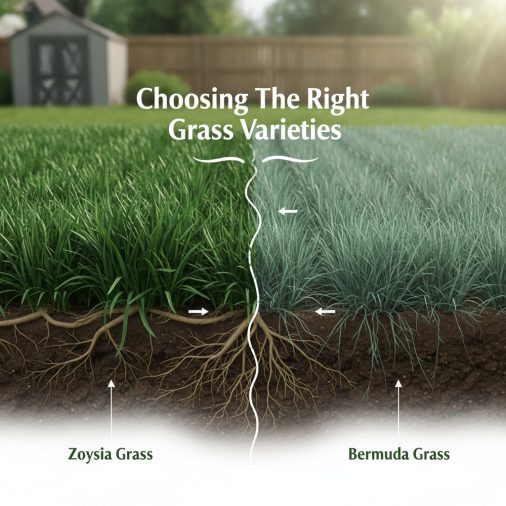
Choosing the right grass varieties is key for a healthy lawn. Different grasses suit different climates and soil types. Picking the right type saves water, time, and money. It also helps your lawn look its best all year.
Popular Zoysia Types
Zoysia grass is known for its thick, soft texture. It grows slowly but forms a dense lawn. Common types include Zoysia japonica, Zoysia matrella, and Zoysia tenuifolia. Zoysia japonica handles cold weather well. Zoysia matrella stays green longer in warm areas. Zoysia tenuifolia is fine-bladed and grows slowly.
Common Bermuda Varieties
Bermuda grass grows fast and tolerates heat well. It recovers quickly from damage. Popular types are common Bermuda, hybrid Bermuda, and Tifway. Common Bermuda is tough and affordable. Hybrid Bermuda has finer texture and better color. Tifway is a popular hybrid for sports fields and lawns.
Matching Grass For Your Climate
Climate affects how well grass grows. Warm climates favor Bermuda grass. It loves full sun and heat. Cooler climates are better for Zoysia. It can survive some cold and shade. Check your local weather before choosing. Soil type and water availability matter too. Choose grasses that fit your specific conditions.
Planting Tips For A Successful Blend
Creating a healthy lawn with a blend of Zoysia grass and Bermuda requires careful planning. This mix benefits from the strengths of both grasses. Planting them correctly ensures good growth and a beautiful yard. Follow these tips to start your lawn the right way.
Soil Preparation
Good soil is the base for strong grass. Remove rocks, weeds, and old roots first. Loosen the soil to about six inches deep. Add compost or organic matter to improve nutrients. Check soil pH; both grasses prefer a range of 6.0 to 7.0. Level the ground to avoid water pooling.
Seeding And Sodding Methods
Choose seeding for a budget-friendly start. Spread seeds evenly and cover lightly with soil. Water daily to keep the soil moist. Sodding gives faster results and instant green. Lay sod pieces tightly, with no gaps. Press sod down to remove air pockets. Water sod well after installation.
Optimal Planting Times
Plant in late spring or early summer for best growth. Soil and air temperatures should be warm. Avoid planting during cold or very hot months. This timing helps grass roots grow strong. Early planting reduces stress and encourages green coverage sooner.

Credit: georgialandscapingandhardscapingllc.com
Maintenance Practices
Maintaining Zoysia grass with Bermuda requires simple, steady care. These grasses blend well but need attention to stay healthy and green. Proper maintenance helps them grow thick and resist weeds, pests, and drought.
Understanding how to water, mow, and fertilize these grasses is key. Each step supports their growth and appearance. Follow these guidelines for a lush lawn that lasts through seasons.
Watering Guidelines
Zoysia and Bermuda grass need about 1 inch of water weekly. Water deeply, not often, to encourage strong roots. Early morning watering reduces evaporation and disease risk. Avoid overwatering to prevent shallow roots and fungus.
Mowing Techniques
Set mower height between 1 and 2 inches for Bermuda grass. Zoysia grass prefers 1 to 1.5 inches. Mow frequently to keep grass healthy and avoid cutting more than one-third of the blade. Use sharp blades to prevent tearing and browning.
Fertilizing Schedule
Fertilize Zoysia and Bermuda grass in spring and summer. Use a balanced fertilizer with nitrogen for green growth. Apply every 6 to 8 weeks during active growth. Avoid fertilizing in late fall to prepare grass for dormancy.
Pest And Disease Management
Pest and disease management is vital for a healthy lawn with Zoysia grass and Bermuda. Both grasses offer good resistance, but problems can still occur. Early detection helps keep issues small and manageable. Careful monitoring and action keep your lawn green and lush.
Common Issues In Mixed Lawns
Mixed lawns with Zoysia and Bermuda face common pests like armyworms, chinch bugs, and sod webworms. Fungal diseases such as brown patch and dollar spot also appear. These pests and diseases cause brown spots, thinning, and weak grass. Knowing common issues helps you spot problems fast.
Natural Control Methods
Natural methods reduce pests without chemicals. Encouraging beneficial insects like ladybugs and spiders helps control pests. Proper mowing, watering, and aeration keep grass strong. Healthy grass resists pests better. Applying neem oil or insecticidal soap can help fight pests gently. Avoid overwatering to prevent fungal growth.
When To Use Chemical Treatments
Use chemical treatments only if natural methods fail. Choose targeted pesticides for specific pests to avoid harm to grass. Follow label instructions carefully for safe use. Apply treatments early in pest development for best results. Avoid overuse to protect beneficial insects and soil health.
Troubleshooting Common Problems
Troubles with Zoysia grass mixed with Bermuda are common but fixable. Knowing how to handle these problems helps keep your lawn healthy and green. This section covers simple ways to solve usual issues you might face.
Dealing With Thinning Areas
Thinning grass shows patches where growth is weak or missing. Start by checking sunlight. Both Zoysia and Bermuda need good light to grow. Water these spots deeply but less often to encourage roots. Aerate the soil to help air and nutrients reach roots. Spread grass seed or plugs to fill empty areas. Keep the soil moist until the grass grows back strong.
Managing Weed Invasion
Weeds compete with your grass for water and nutrients. Pull small weeds by hand before they spread seeds. Use a selective herbicide safe for Zoysia and Bermuda to kill tough weeds. Mow regularly to keep grass thick; thick grass stops weed growth. Avoid overwatering since wet soil helps weeds grow. Mulching around garden beds also blocks weeds from creeping in.
Addressing Soil Compaction
Soil compaction makes it hard for roots to grow. Heavy foot traffic or machinery causes this problem. Use a lawn aerator to poke holes in the soil. This lets air, water, and nutrients reach the roots better. Topdress with a thin layer of compost to improve soil health. Avoid walking on wet grass to prevent more compaction. Regular aeration keeps your lawn soft and healthy.

Credit: theturfgrassgroup.com
Frequently Asked Questions
What Are The Benefits Of Mixing Zoysia Grass With Bermuda?
Mixing Zoysia with Bermuda combines drought resistance and quick growth. It creates a dense, durable lawn. This blend improves color and texture diversity, enhancing curb appeal and lawn health.
How Do Zoysia And Bermuda Grasses Differ In Care?
Zoysia needs less frequent mowing and watering than Bermuda. Bermuda requires more sunlight and recovers faster from damage. Both grasses thrive in warm climates but have distinct maintenance needs.
Can Zoysia And Bermuda Grass Grow Well Together?
Yes, they can coexist with proper care. Ensure balanced watering, mowing, and fertilizing. This mix provides a resilient lawn, benefiting from both grasses’ strengths.
What Soil Conditions Suit Zoysia And Bermuda Mix?
Both grasses prefer well-drained, sandy soils. They tolerate a range of pH levels but thrive best between 6. 0 and 7. 0. Proper soil preparation promotes healthy growth for the mix.
Conclusion
Zoysia grass and Bermuda create a strong, green lawn blend. Each grass type offers unique benefits for different climates. Together, they handle heat, drought, and foot traffic well. This mix saves water and reduces lawn care time. Choosing the right grass helps your yard stay healthy and beautiful.
Keep your lawn green with proper watering and mowing. This combination works great for many homes and gardens. Try this grass mix for a lawn that lasts longer and looks good.
