
Have you ever wondered where Zoysia grass originally comes from? If you’re thinking about adding this lush, green turf to your lawn, knowing its roots can help you understand how it grows best and what care it needs.
Discovering where Zoysia grass is native to will give you valuable insights into its natural environment, making it easier for you to keep your yard healthy and thriving. Keep reading to find out the origins of Zoysia grass and how this knowledge can transform your lawn care routine.
Zoysia Grass Origins
Zoysia grass is a popular choice for lawns and landscapes worldwide. It is known for its thick, soft texture and strong resistance to heat and drought. Understanding where Zoysia grass comes from helps explain why it grows well in many climates. Its origins trace back to specific natural environments and regions.
Natural Habitat
Zoysia grass naturally grows in warm, coastal areas. It thrives in sandy soils near the ocean. This grass prefers full sunlight but can tolerate some shade. It often appears in places with mild winters and hot summers. The natural habitat supports its slow growth and dense turf.
Geographic Distribution
Zoysia grass is native to parts of East Asia and Southeast Asia. Countries like Japan, China, and Korea have long used Zoysia for lawns and gardens. It also grows in regions of Southeast Asia such as Vietnam and Thailand. Over time, Zoysia spread to the southern United States and other warm areas worldwide.

Credit: en.wikipedia.org
Historical Spread
Zoysia grass has a rich history that traces back thousands of years. It is native to parts of Asia and has traveled across regions through human activity and natural migration. Understanding its spread helps us appreciate its adaptability and value in various climates.
Early humans valued Zoysia for its hardiness and ability to grow in tough conditions. Over time, it moved beyond its native lands, becoming popular in many parts of the world.
Ancient Cultivation
Farmers in East Asia first cultivated Zoysia grass centuries ago. It was used for ground cover and animal fodder. The grass thrived in rice paddies and along riverbanks.
Ancient texts from China and Japan mention Zoysia as a useful plant. Its ability to resist drought and foot traffic made it a favorite choice for gardens and fields.
Migration Patterns
Zoysia spread naturally through seeds carried by wind and water. Humans also transported it to new areas for lawns and pastures. Trade routes helped move Zoysia from Asia to other continents.
In the 20th century, Zoysia found its way to the United States. It became popular in southern states because it tolerates heat and poor soil. Today, Zoysia grass grows in many parts of the world due to its resilience.
Types Of Zoysia
Zoysia grass has several types that vary in texture, color, and growth habits. Each type has unique traits that suit different climates and soil. Understanding the types helps in choosing the best grass for your lawn needs.
These types have adapted well to their native regions, which affect their appearance and care. Knowing the differences can improve lawn health and appearance.
Common Varieties
The most popular types include Zoysia japonica, Zoysia matrella, and Zoysia tenuifolia. Zoysia japonica is coarse and tough, perfect for heavy foot traffic. Zoysia matrella has finer blades and a soft feel. Zoysia tenuifolia is known for its very fine texture and slow growth. Each type offers a distinct look and durability level.
Regional Differences
Zoysia grasses grow naturally in East Asia and Southeast Asia. Japan, Korea, and China are native homes for Zoysia japonica. Zoysia matrella thrives in warmer, tropical regions like the Philippines and parts of Indonesia. Different climates cause these grasses to vary in color and growth speed. Soil type and temperature also shape each variety’s traits.
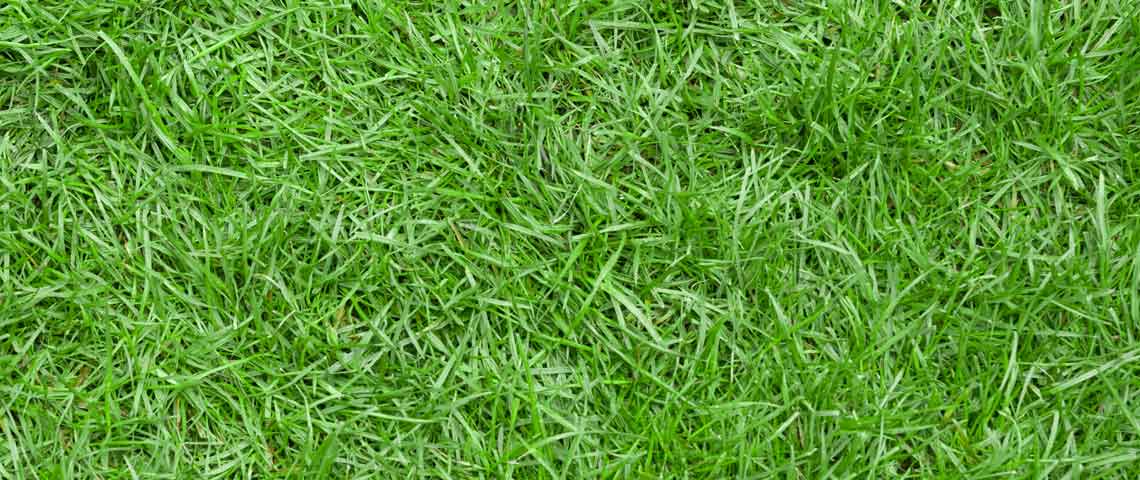
Credit: www.pennington.com
Climate Adaptations
Zoysia grass is well known for its ability to thrive in various climates. This grass naturally adapts to different weather conditions. Its origin helps explain these unique traits. Understanding its climate adaptations reveals why it grows well in many places.
Temperature Tolerance
Zoysia grass handles heat and cold better than many grasses. It grows well in warm summers and tolerates mild winters. This grass can survive short frost periods without damage. It also recovers quickly after hot, dry spells. These temperature traits make it popular in temperate and subtropical areas.
Soil Preferences
Zoysia grass grows best in well-drained soils. It prefers sandy or loamy soils but can adapt to clay types. The grass tolerates poor soil conditions better than most. It thrives in soils with moderate nutrients and pH levels. This flexibility helps it grow in a range of natural habitats.
Ecological Role
Zoysia grass plays an important role in its native ecosystems. It supports the environment in many ways. Its thick growth and tough roots help protect the land. This grass also provides a home for many small animals and insects. Understanding its ecological role shows why Zoysia grass matters beyond lawns and gardens.
Soil Conservation
Zoysia grass has dense roots that hold soil tightly. These roots stop soil from washing away during heavy rain. The grass covers the ground fully, reducing soil exposure to wind. It helps keep the land stable on slopes and hills. This natural protection prevents erosion and loss of fertile soil. Farmers and gardeners benefit from these soil-saving features.
Wildlife Habitat
Zoysia grass creates a safe space for small animals. Insects, spiders, and worms live within its thick blades. Birds come to feed on these insects hidden in the grass. The dense cover offers shelter from predators and harsh weather. Many creatures rely on this grass for food and protection. Its presence supports a healthy and balanced ecosystem.
Modern Cultivation
Zoysia grass has gained attention worldwide for its durability and beauty. Modern cultivation techniques have helped spread this grass beyond its native regions. Farmers and gardeners use new methods to grow Zoysia more efficiently. This grass adapts well to many climates, which adds to its popularity.
Global Popularity
Zoysia grass is now grown in many countries outside its native Asia. It thrives in the United States, Australia, and parts of Europe. People appreciate its resistance to drought and pests. Its low maintenance needs make it a favorite choice. Golf courses and parks often use Zoysia for its dense, soft texture.
Landscaping Uses
Homeowners choose Zoysia grass for lawns and gardens. It creates a thick, green carpet that looks neat year-round. Zoysia works well in high-traffic areas because it recovers quickly. Its shade tolerance allows growth under trees and around buildings. Garden designers use Zoysia to add a clean, fresh look to outdoor spaces.

Credit: www.pennington.com
Frequently Asked Questions
Where Is Zoysia Grass Originally From?
Zoysia grass is native to East Asia, including Japan, China, and Korea. It thrives in warm, temperate climates and coastal areas. Its natural habitat includes sandy soils and coastal plains, making it well-suited for lawns and golf courses in similar climates worldwide.
What Climates Suit Native Zoysia Grass Best?
Native Zoysia grass grows best in warm temperate and subtropical climates. It tolerates heat, humidity, and drought well but struggles in extremely cold regions. This grass thrives in areas with mild winters and hot summers, reflecting its East Asian coastal origins.
How Did Zoysia Grass Spread Globally?
Zoysia grass spread globally through human cultivation and landscaping. It was introduced to the United States and other countries for its durability and low maintenance. Its ability to adapt to various soils and climates helped it become popular worldwide.
Why Is Zoysia Grass Popular For Lawns?
Zoysia grass is popular for lawns due to its dense growth and drought tolerance. It forms a thick, carpet-like turf that resists weeds and foot traffic. Its slow growth reduces mowing frequency, making it ideal for sustainable landscaping.
Conclusion
Zoysia grass comes from warm parts of Asia, like Japan and Korea. It grows well in many climates because it is tough and slow-growing. Many people choose it for lawns due to its thick, green look. Knowing where Zoysia grass is native helps gardeners pick the right grass for their land.
This grass fits well in places with hot summers and mild winters. It stays green longer than many other grasses. Choosing Zoysia means choosing a grass with strong roots and good heat tolerance. This makes it a smart choice for many yards.