
Are you thinking about planting Zoysia grass but worried it might be hard to maintain? You’re not alone.
Many homeowners wonder if this lush, green grass will demand too much time and effort. What if you could enjoy a beautiful lawn without constant work? You’ll discover the truth about caring for Zoysia grass, including simple tips that make maintenance easier than you might expect.
Keep reading to find out if Zoysia is the right choice for your yard and how you can keep it looking great all year long.
Zoysia Grass Basics
Zoysia grass is a popular choice for lawns because it is tough and dense. It grows slowly but fills in well over time. This grass can handle heat and some shade. Understanding the basics helps decide if it suits your lawn needs.
Knowing how Zoysia grows and its types is important. Each variety has different care needs and looks. This knowledge helps in managing your lawn better.
Growth Patterns
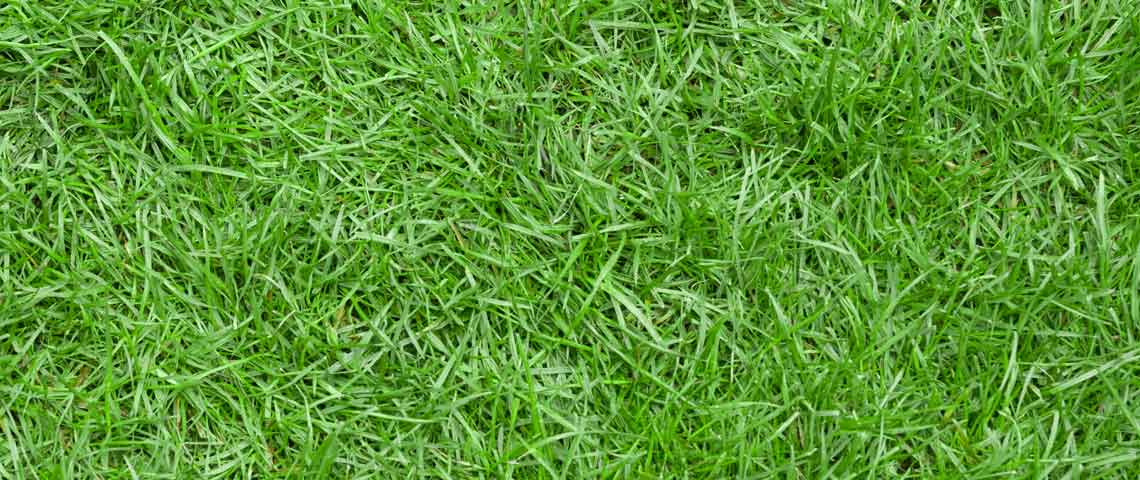
Zoysia grass spreads through runners called stolons and underground stems called rhizomes. This makes the grass thick and helps it cover bare spots fast. It grows slowly compared to other grasses. The slow growth means less mowing is needed. It also forms a dense mat that helps keep weeds away.
Common Varieties
Several types of Zoysia grass exist. Common choices include Meyer, Emerald, and Zenith. Meyer is cold-tolerant and good for northern areas. Emerald is soft and fine-textured, ideal for high-end lawns. Zenith grows fast and handles heat well. Each type fits different climates and lawn styles.
Credit: www.pennington.com
Maintenance Challenges
Zoysia grass is popular for its dense, lush look. Yet, it has some maintenance challenges. Knowing these helps you keep your lawn healthy and green. Let’s explore key care areas that need attention.
Watering Needs
Zoysia grass needs moderate watering. Too much water can harm its roots. Too little water makes it brown and dry. Water early in the morning to reduce evaporation. Aim for about one inch of water per week. Adjust based on weather conditions.
Mowing Tips
Mow Zoysia grass often during the growing season. Keep the blade sharp to avoid tearing. Cut no more than one-third of the grass height at once. A height of 1 to 2 inches works best. Leaving grass too short stresses the lawn.
Weed Control
Zoysia forms a thick mat that helps block weeds. Still, some weeds can invade. Use a selective herbicide safe for Zoysia. Apply early in the season for best results. Regular mowing and watering also reduce weed growth.
Soil And Fertilization
Soil quality and fertilization play a big role in keeping Zoysia grass healthy. Good soil helps the grass grow strong roots. Proper fertilization gives the grass the nutrients it needs. These factors affect how much work you need to do to maintain your lawn.
Soil Preparation
Start with testing the soil to check its pH and nutrients. Zoysia grass prefers soil with a pH between 6 and 7.5. If the soil is too acidic or alkaline, adjust it using lime or sulfur. Remove rocks, weeds, and debris before planting. Loosen the soil to improve air and water flow. Good soil preparation helps the grass establish faster and grow better.
Fertilizer Schedule
Fertilize Zoysia grass during its growing season, usually spring through summer. Use a balanced fertilizer with nitrogen, phosphorus, and potassium. Apply fertilizer every 6 to 8 weeks for best results. Avoid over-fertilizing, as this can harm the grass. Water the lawn after fertilizing to help nutrients soak into the soil. A proper fertilizer schedule keeps Zoysia green and thick with less effort.

Credit: theturfgrassgroup.com
Pest And Disease Management
Pest and disease management plays a big role in keeping Zoysia grass healthy. Pests and diseases can damage the grass and make it look bad. Knowing how to identify and handle these problems helps maintain a lush lawn. Proper care reduces the chances of serious damage and keeps the grass strong.
Common Pests
Several pests can affect Zoysia grass. Chinch bugs suck the sap, causing yellow patches. Grubs feed on grass roots, leading to dead spots. Armyworms chew on the leaves, leaving holes and ragged edges. Regular checks help spot these pests early. Treating infestations quickly prevents spread and damage.
Disease Prevention
Zoysia grass can get fungal diseases like brown patch and dollar spot. These make brown or yellow spots on the lawn. Good lawn care prevents most diseases. Avoid overwatering to stop fungus growth. Mow at the right height to keep grass healthy. Aerate the soil to improve drainage. Using fungicides only when needed protects the grass safely.
Seasonal Care Tips
Zoysia grass is known for its tough nature and low water needs. Its care changes with the seasons. Knowing what to do each season keeps your lawn healthy and green. Follow simple steps for better growth and fewer problems.
Spring And Summer
Start by clearing old grass and debris in spring. Mow the lawn to a height of about 1 to 2 inches. Water deeply but less often to encourage strong roots. Apply a balanced fertilizer to help growth. Watch for weeds and remove them quickly. Aerate the soil if it feels hard to improve air flow.
Fall And Winter
Reduce watering as temperatures drop. Keep mowing until the grass stops growing. Apply a light fertilizer to prepare the grass for winter. Remove fallen leaves to prevent mold. Avoid heavy foot traffic to protect the grass blades. Let the grass rest and recover during cold months.
Expert Advice For Success
Maintaining Zoysia grass can seem tricky without clear guidance. Experts share simple tips for a healthy, green lawn. These insights help you avoid frustration and keep your grass thriving through the seasons.
Best Practices
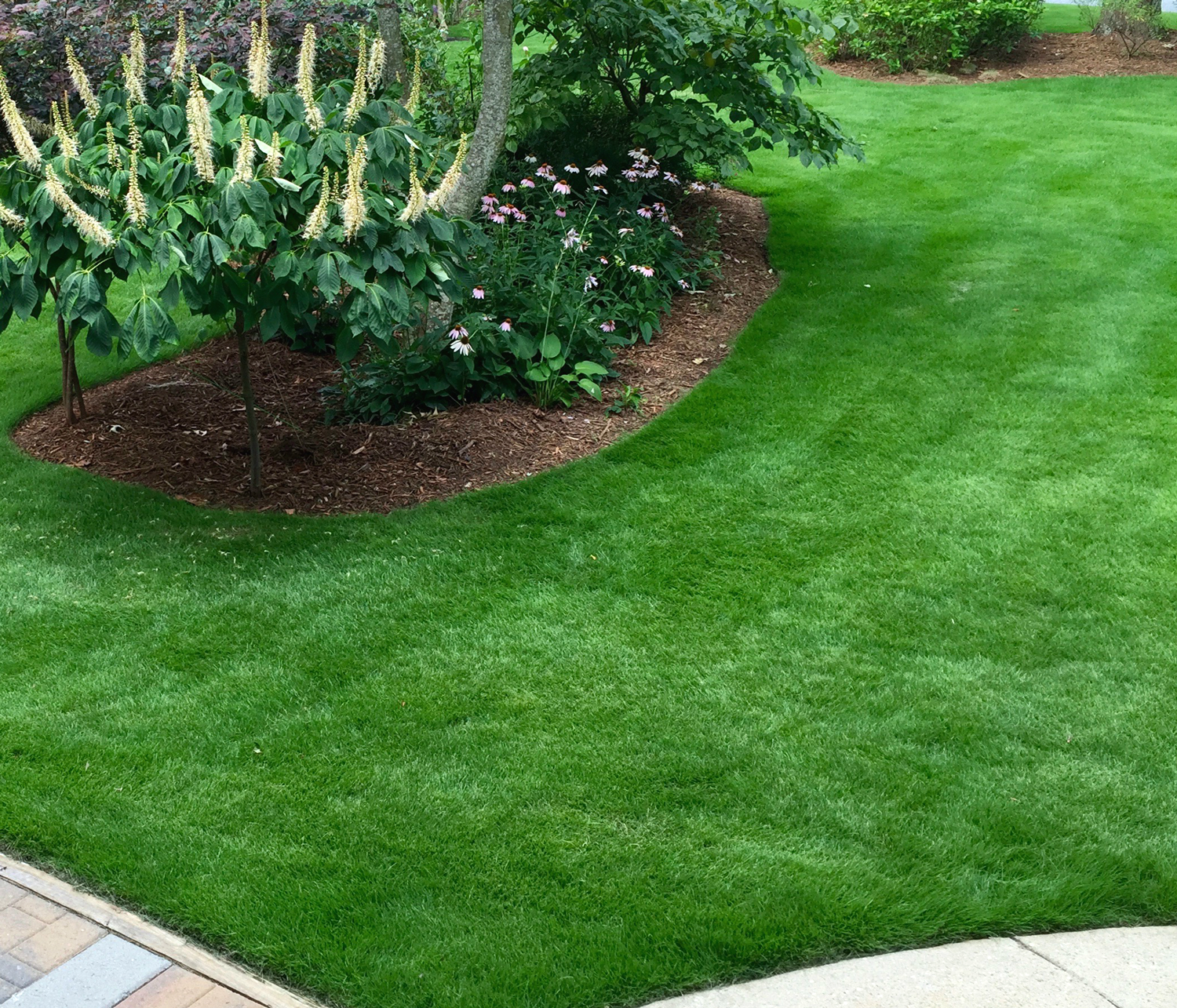
Water Zoysia deeply but less often. This encourages strong roots. Mow regularly, but never cut more than one-third of the grass height. Use sharp mower blades to avoid tearing. Fertilize during the growing season with a balanced fertilizer. Aerate the lawn once a year to reduce soil compaction. Remove weeds early to prevent them from spreading. These steps keep Zoysia thick and vibrant.
Avoiding Common Mistakes
Avoid overwatering, which can cause root rot and disease. Do not cut the grass too short; it stresses the plants. Skip fertilizing in the dormant winter months. Avoid heavy foot traffic on wet grass to prevent damage. Do not ignore pest problems; treat them quickly. These mistakes can weaken your lawn and invite weeds. Careful attention helps Zoysia stay strong and beautiful.
Credit: hgic.clemson.edu
Frequently Asked Questions
Is Zoysia Grass Difficult To Maintain?
Zoysia grass requires moderate maintenance. It grows slowly, needs regular mowing, and benefits from seasonal fertilization. Proper watering and occasional dethatching keep it healthy and lush. Overall, it’s easier to maintain than many other turf types.
How Often Should I Water Zoysia Grass?
Water Zoysia grass deeply once or twice a week. It tolerates drought but grows best with consistent moisture. Avoid frequent shallow watering to encourage strong root development and maintain a healthy lawn.
Does Zoysia Grass Need Frequent Mowing?
Mow Zoysia grass every 7 to 14 days during the growing season. Keep the height between 1 to 2 inches for optimal health. Frequent mowing helps maintain a dense, weed-resistant lawn.
What Fertilizer Works Best For Zoysia Grass?
Use a balanced, slow-release fertilizer high in nitrogen for Zoysia grass. Apply it in spring and summer to promote growth. Avoid over-fertilizing, which can cause excessive thatch buildup and weaken the lawn.
Conclusion
Zoysia grass needs regular care but is not too hard to maintain. It grows slowly, so it needs less mowing. It handles heat and drought well, saving water and effort. You should water it deeply but less often. Fertilize a few times a year to keep it healthy.
Watch for weeds and pests to stop problems early. Overall, Zoysia grass can be a good choice for a green lawn with some simple care. Easy to grow, it fits many yards and climates. Worth trying if you want a tough, nice lawn.
