
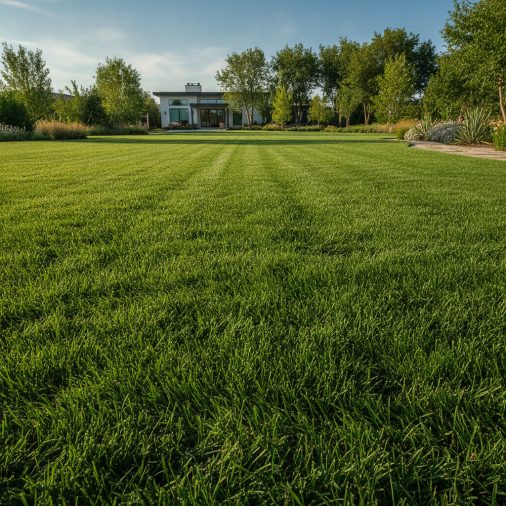
Are you looking for the perfect grass to transform your lawn into a lush, green paradise? Understanding what type of grass Zoysia is can help you make the best choice for your yard.
This grass has unique qualities that might be exactly what your lawn needs—whether you want something low maintenance, durable, or visually stunning. Keep reading to discover why Zoysia could be the game-changer for your outdoor space and how it stands out from other grass types.
Your dream lawn might be just one decision away.
Zoysia Grass Basics

Zoysia grass is a popular choice for lawns and gardens worldwide. It offers a thick, green carpet that feels soft underfoot. This grass type adapts well to many climates and soil types. Understanding its basics helps in maintaining a healthy lawn.
Below are key facts about Zoysia grass, covering its origins, growth, and common varieties.
Origins And History
Zoysia grass is native to Asia, especially Japan, Korea, and China. It has grown in these regions for hundreds of years. People valued it for its toughness and beauty. It came to the United States in the late 19th century. Since then, it has become popular in warm and temperate areas.
Growth Characteristics
Zoysia grass grows slowly but forms a dense, strong lawn. It spreads through stolons and rhizomes, which help it cover ground quickly. This grass tolerates heat, drought, and heavy foot traffic well. It also resists weeds better than many other grasses. Zoysia turns brown in winter but recovers in spring.
Common Varieties
There are several Zoysia types, each with unique traits. Zoysia japonica is coarse and cold-tolerant. Zoysia matrella is fine-textured and thrives in warm climates. Zoysia tenuifolia is known for its soft, thin blades. Choosing the right variety depends on your climate and lawn needs.

Credit: a1grass.com
Zoysia Grass Types
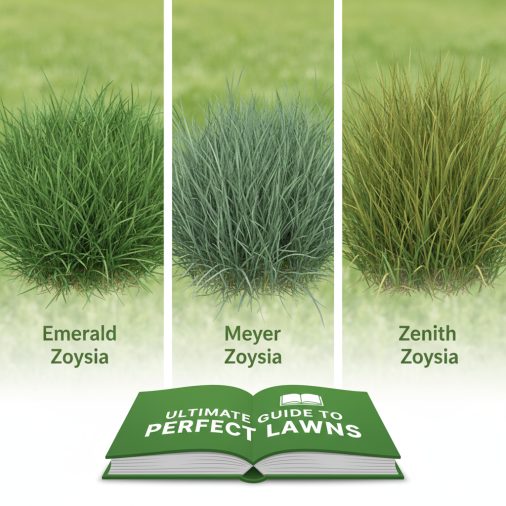
Zoysia grass is known for its thick, lush texture and excellent durability. It grows slowly but forms a dense carpet that resists weeds well. Different types of Zoysia grass suit various climates and lawn needs. Understanding these types helps you choose the best grass for your yard.
Each Zoysia type has unique features like color, blade width, and growth speed. Some are soft and fine, while others are tougher and coarse. Let’s explore the main types of Zoysia grass commonly used for lawns.
Emerald Zoysia
Emerald Zoysia has fine, soft blades and a rich green color. It grows slowly and forms a dense, thick lawn. This type is ideal for warm climates and shaded areas. Emerald Zoysia looks elegant and stays green longer in cooler weather.
Meyer Zoysia
Meyer Zoysia is a tougher grass with medium-width blades. It tolerates cold better than other Zoysia types. This grass grows faster and spreads quickly, making it good for high-traffic lawns. Meyer Zoysia is hardy and handles drought well.
Zeon Zoysia
Zeon Zoysia is soft with very fine blades and a bright green shade. It grows fast and recovers quickly from damage. Zeon Zoysia works well in both sun and partial shade. This variety stays healthy in hot, humid climates.
Other Popular Varieties
Other Zoysia types include Empire and Palisades. Empire Zoysia has wide blades and a coarse texture. Palisades is known for its drought resistance and deep green color. Each variety offers different benefits for lawns and landscapes.
Advantages Of Zoysia Lawns
Zoysia grass offers many benefits for lawns. It grows thick and green, creating a beautiful yard. This type of grass adapts well to different climates. It saves water and stays healthy with less care. These qualities make Zoysia a smart choice for many homeowners.
Drought Tolerance
Zoysia grass uses water very efficiently. It can survive dry periods without turning brown quickly. This grass has deep roots that reach water far below the soil. It stays green longer than many other grasses during droughts. Less watering means lower water bills and a healthier lawn.
Wear Resistance
Zoysia grass is tough and recovers fast from damage. It handles foot traffic well, perfect for busy yards. Kids and pets can play without ruining the lawn. The grass blades grow close together, protecting soil from erosion. It keeps a smooth and even look over time.
Low Maintenance Needs
Zoysia lawns require less mowing than other grasses. They grow slowly, so cutting is needed less often. This grass also resists many common lawn weeds naturally. Fertilizer use can be minimal, saving time and money. Overall, Zoysia makes lawn care easier and less stressful.

Credit: ngturf.com
Zoysia Grass Care Tips
Zoysia grass is a popular choice for many lawns. It grows slowly but forms a thick, green carpet. Proper care helps it stay healthy and strong. Follow these simple tips to keep your Zoysia grass lush and vibrant.
Planting Techniques
Choose a sunny spot with good soil drainage. Plant Zoysia using plugs, sod, or sprigs. Space them evenly to allow growth. Water the soil lightly after planting. Avoid heavy foot traffic during the first weeks. This helps roots develop deep and strong.
Watering Practices
Water Zoysia grass deeply but less often. Aim for about 1 inch of water per week. Morning watering is best to reduce disease risk. Avoid watering in the evening or late night. Adjust watering during rainy or dry seasons.
Mowing Guidelines
Keep the grass height between 1 and 2 inches. Use a sharp mower blade for clean cuts. Mow regularly to prevent stress on the grass. Never cut more than one-third of the blade at once. Leave grass clippings on the lawn to add nutrients.
Fertilizing Schedule
Feed Zoysia grass 3 to 4 times a year. Use a balanced fertilizer with nitrogen, phosphorus, and potassium. Apply fertilizer in spring and summer for best growth. Avoid fertilizing in late fall or winter. Follow package instructions for proper amounts.
Common Challenges
Zoysia grass is tough but faces some common challenges. These challenges can affect its health and appearance. Understanding these problems helps keep Zoysia lush and green. Below are the main issues to watch for.
Pest Issues
Zoysia grass can attract pests like chinch bugs and armyworms. These insects feed on the grass blades and roots. Damage shows as brown patches or thinning areas. Regular inspection helps catch pests early. Treating infestations quickly prevents large damage.
Disease Management
Zoysia is prone to fungal diseases such as brown patch and dollar spot. These diseases cause discolored spots and weak grass. Poor drainage and high humidity increase risks. Proper watering and good air flow reduce disease chances. Fungicides may be needed in severe cases.
Weed Control
Weeds compete with Zoysia for nutrients and water. Common weeds include crabgrass and clover. Weeds make lawns look messy and unhealthy. Using pre-emergent herbicides controls weed growth. Hand pulling helps remove stubborn weeds without harming Zoysia.

Credit: thegrassstore.com
Zoysia Grass In Different Climates
Zoysia grass adapts well to various climates. It thrives in both warm and cool regions. This makes it a popular choice for many homeowners. Understanding how Zoysia reacts to different weather helps in proper lawn care. Let’s explore how this grass performs across climates.
Warm Climates
Zoysia grass grows thick and green in warm climates. It tolerates heat and drought better than many grasses. The grass enters a strong growing phase during hot months. It recovers quickly from stress caused by sun and dry conditions. Regular watering and mowing keep it healthy and lush.
Cool Climates
In cool climates, Zoysia grass grows slower. It may go dormant during cold winters, turning brown. The grass returns to green when temperatures rise. Zoysia prefers moderate sunlight and well-drained soil in these areas. Protecting it from frost damage is important for survival.
Seasonal Considerations
Zoysia grass needs special care during seasonal changes. Spring and summer are peak growing seasons. Mow and water regularly to support growth. During fall and winter, reduce watering and mowing. This helps the grass conserve energy and stay healthy.
Comparing Zoysia With Other Grasses
Zoysia grass stands out among popular lawn grasses for many reasons. It grows thick and creates a soft, dense lawn. Comparing Zoysia with other grasses helps you pick the best option for your yard. Each grass type has unique traits. Zoysia’s durability and look make it a favorite in warm climates. Let’s explore how Zoysia differs from Bermuda, St. Augustine, and Fescue grasses.
Zoysia Vs Bermuda
Zoysia grows slower than Bermuda grass. This means less mowing but slower lawn filling. Bermuda spreads fast and handles heavy foot traffic well. Zoysia resists drought better and stays green longer in dry times. Bermuda needs more sunlight than Zoysia. If you want a thick lawn with less water, Zoysia is better.
Zoysia Vs St. Augustine
St. Augustine grass grows quickly and fills space fast. It prefers shady areas better than Zoysia does. Zoysia tolerates cold temperatures more than St. Augustine. St. Augustine has wider leaves, giving a coarse look. Zoysia’s fine texture offers a softer, carpet-like lawn. For shade and quick cover, choose St. Augustine. For cold tolerance and fine texture, Zoysia works well.
Zoysia Vs Fescue
Fescue grass is cool-season and thrives in cooler climates. Zoysia is a warm-season grass and loves heat. Fescue stays green in winter, while Zoysia goes dormant. Zoysia is more drought-tolerant than Fescue. Fescue grows fast but needs more water. Zoysia grows slower but saves water. For warm, dry areas, Zoysia is a smart choice. For cooler climates, Fescue fits better.
Design Ideas Using Zoysia
Zoysia grass is a versatile choice for many outdoor spaces. Its dense and soft texture makes it ideal for various uses. This section explores how Zoysia can enhance different areas with smart design ideas.
Residential Lawns
Zoysia creates a lush, green carpet for home lawns. It grows slowly, so it needs less mowing. The thick blades block weeds naturally. Zoysia tolerates heat and drought well. Families enjoy walking barefoot on its soft surface. It fits well in front or backyard landscapes. Its neat appearance boosts curb appeal instantly.
Sports Fields
Zoysia grass is strong enough for sports activities. It recovers quickly from foot traffic and wear. The thick turf cushions players, reducing injuries. It stays green during warm seasons, offering good playability. Groundskeepers appreciate its low water needs. Zoysia works well for golf courses and parks. Its durability keeps sports fields safe and attractive.
Commercial Spaces
Zoysia adds a polished look to office lawns and parks. It withstands heavy foot traffic from visitors and workers. The grass requires minimal care, saving maintenance costs. Its dense growth resists soil erosion near buildings. Zoysia helps create welcoming outdoor areas around businesses. It blends beauty with practicality for commercial landscapes.
Frequently Asked Questions
What Type Of Grass Is Zoysia?
Zoysia is a warm-season turfgrass known for its dense growth. It is drought-tolerant and thrives in sunny to partially shaded areas. Zoysia is popular for lawns, golf courses, and sports fields due to its durability and low maintenance.
How Does Zoysia Grass Grow?
Zoysia spreads through both rhizomes and stolons, creating a thick, carpet-like lawn. It grows slowly but forms a dense turf that crowds out weeds. This grass prefers warm temperatures and can survive in various soil types.
Is Zoysia Grass Drought Resistant?
Yes, Zoysia grass is highly drought resistant. Its deep root system allows it to access water efficiently. It requires less frequent watering compared to other grasses, making it ideal for dry climates and water-conscious landscapes.
Can Zoysia Grass Tolerate Shade?
Zoysia grass tolerates moderate shade better than many warm-season grasses. However, it grows best in full sun. In shaded areas, growth may slow, and the lawn could thin, so some sunlight is necessary for optimal health.
Conclusion
Zoysia grass is tough and grows well in warm places. It stays green longer than many other grasses. It needs less water and care, saving you time and money. This grass handles foot traffic and recovers fast from damage. Choosing Zoysia means a strong, beautiful lawn all year.
Easy to grow and maintain, it suits many gardens. A smart choice for anyone wanting a healthy, green yard.
